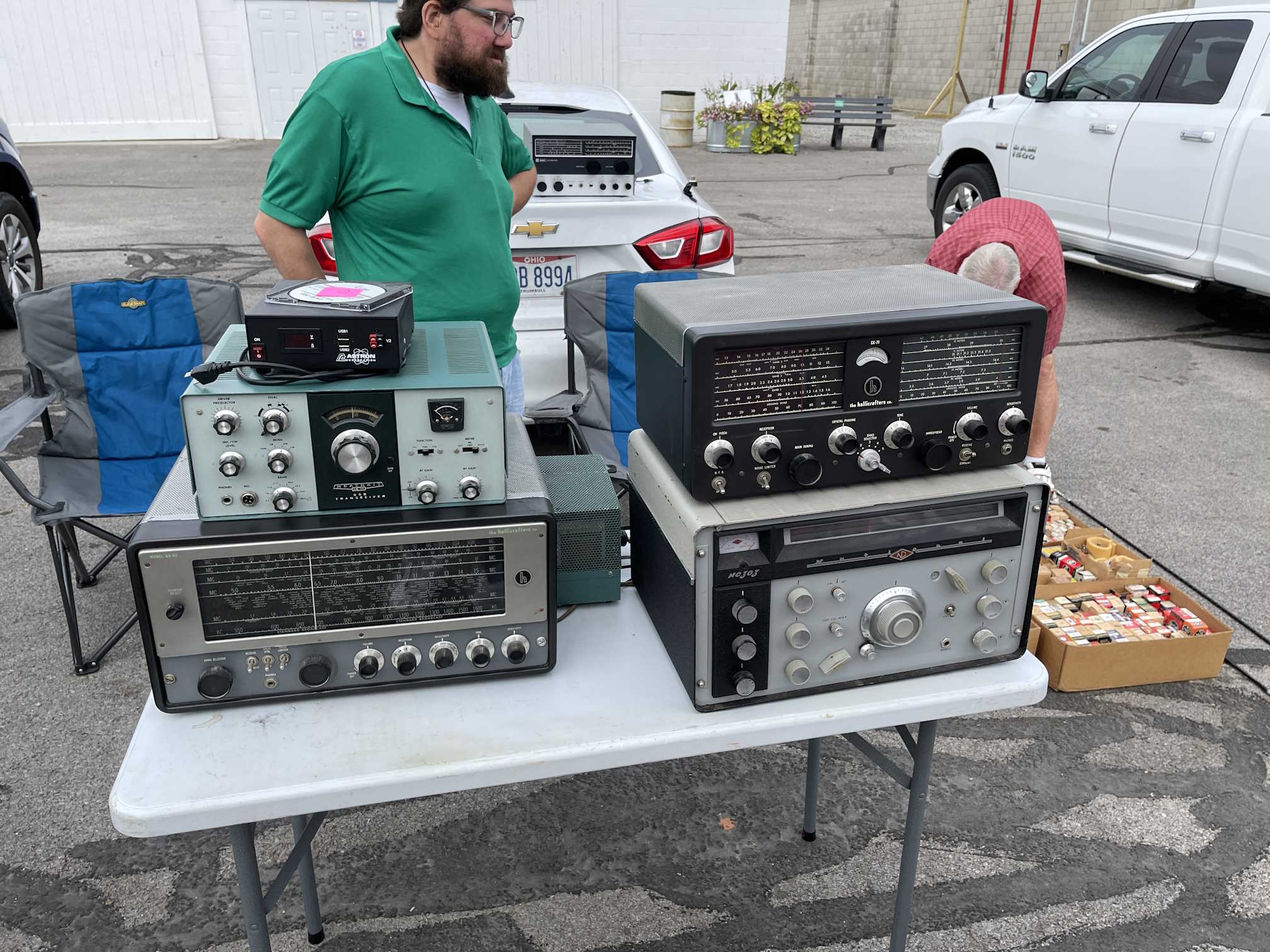
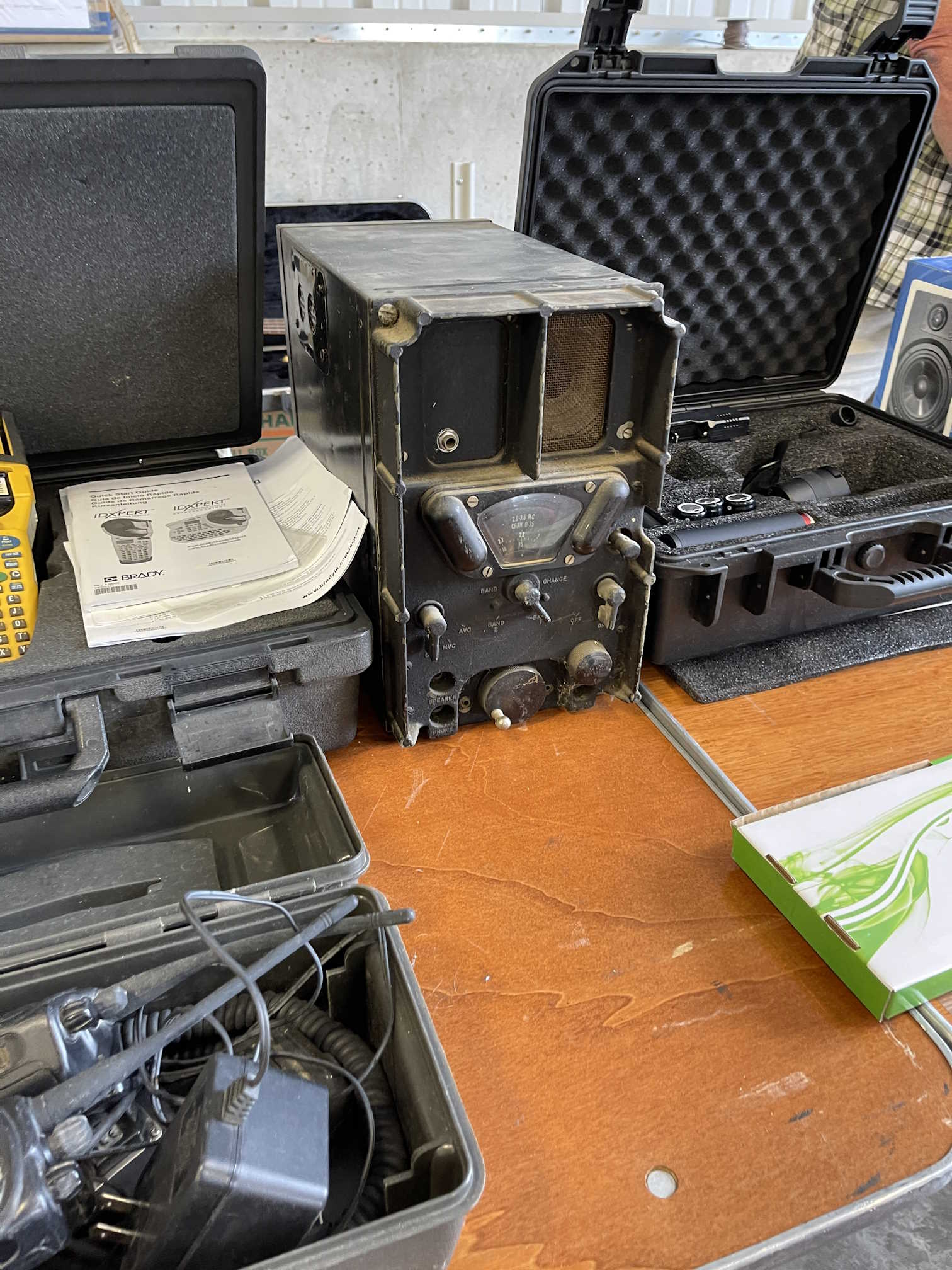
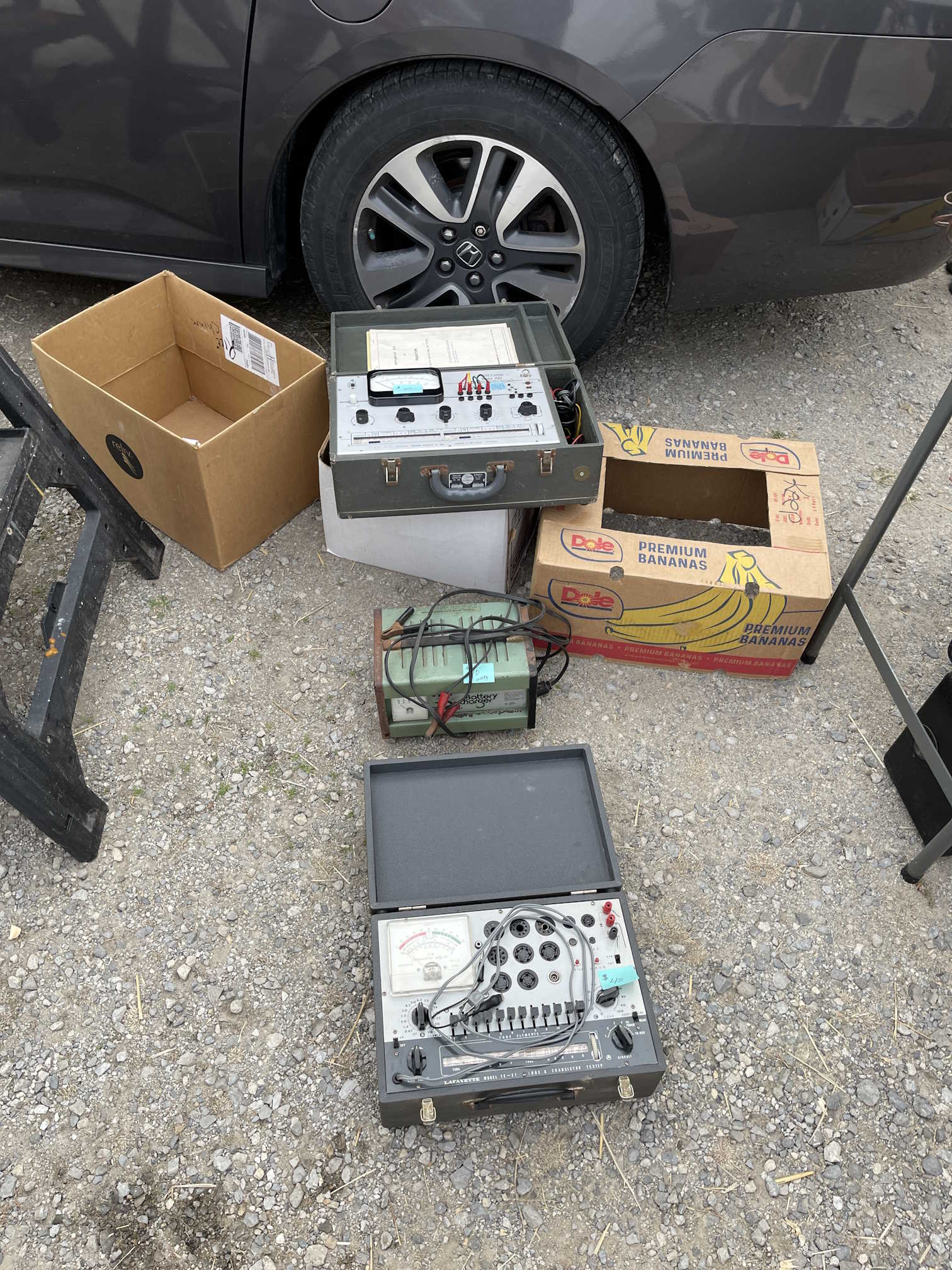
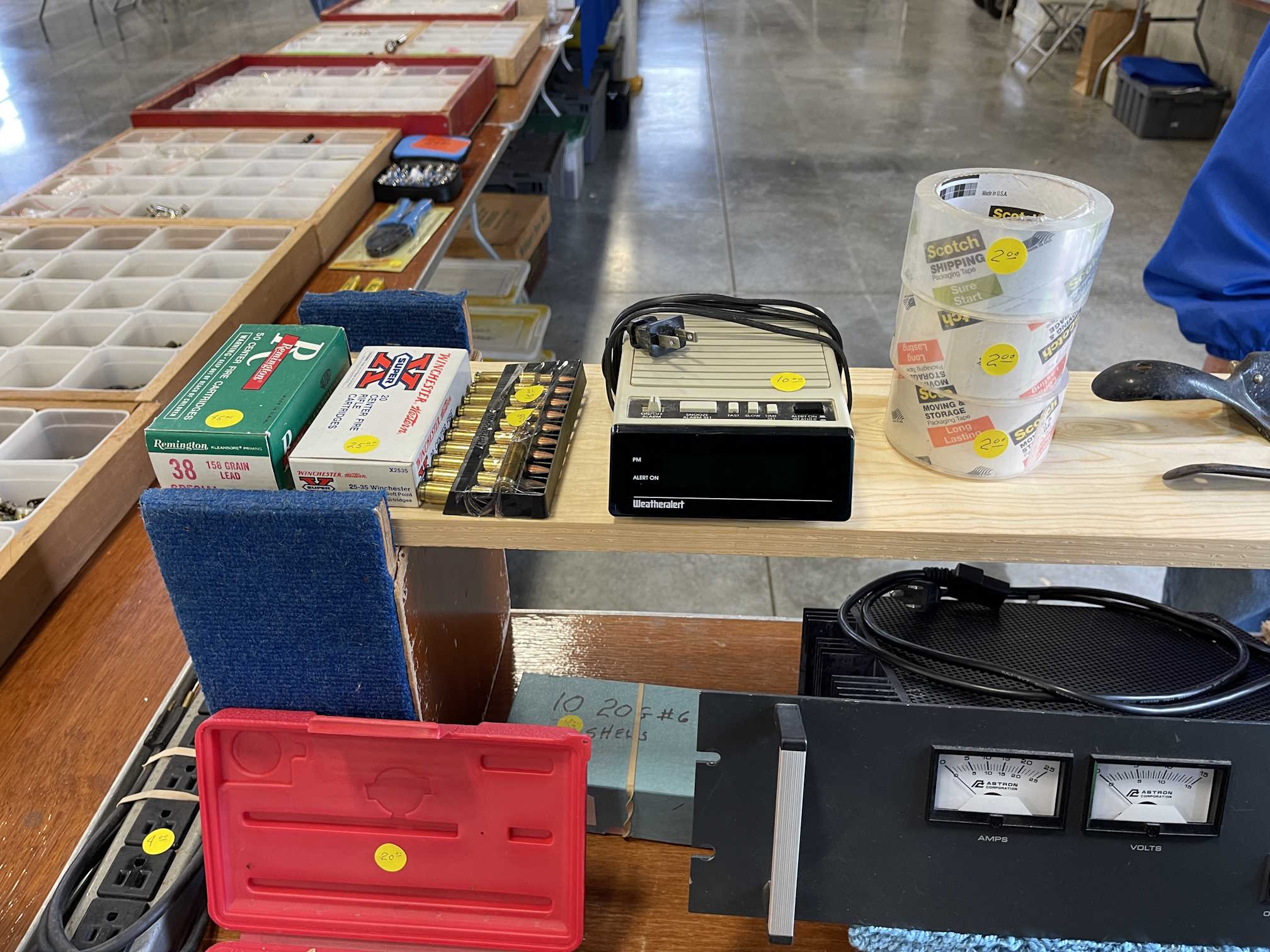
Fort Wayne was pretty good this year, and I have a lot of pictures to process and upload.
In the meantime here’s a bit on a device I picked up. It’s a 2 1/3 digit DVM made by … I don’t know. I’ve seen it sold as Heathkit, Bell&Howell, and others. It’s not the most accurate thing in the world, but it was easy to put together and looks to be a good tool for teaching basic A/D concepts. It’s very drift-y, and from what I can tell was known to be such even when it was new. It’s still cool, however.
It required some minor work and adjustments to get it up and running, which I’ve documented and will post later - but in the meantime, here’s the device doing integrations on a low speed sine wave. It counts as fast as the TTL silicon will allow it.
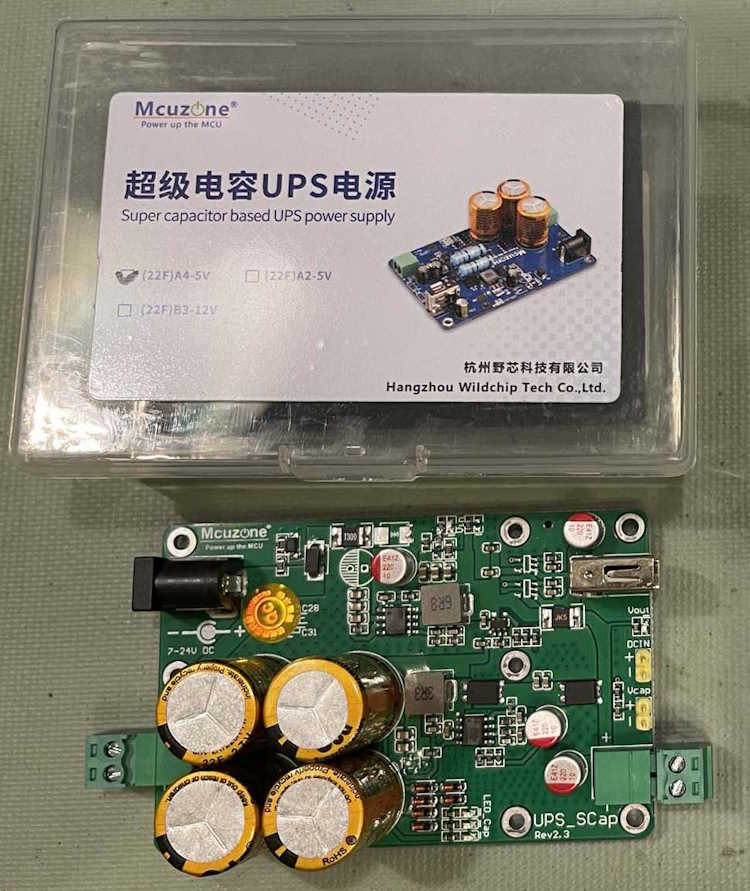
Some time ago, I picked up two supercapacitor UPS devices from Aliexpress.
They’re 22F, 12V in, 5V out, and run about $23 per with free shipping. They’re available here: https://www.aliexpre … 256804670683100.html if you’re so inclined. This isn’t a suggestion or reccomendation, just one of the places you can get this item.
Within the sales page is an output time chart:
But who knows if this is correct, it wouldn’t be the first time that a vendor has overrated the capabilities of a new technology. I decided to set up a test of my own to see what happens. For this test, I selected the following items:
A 2A 12V switching wall wart from an old hard drive.
The Supercapacitor UPS, “Bundle 2” from Aliexpress.
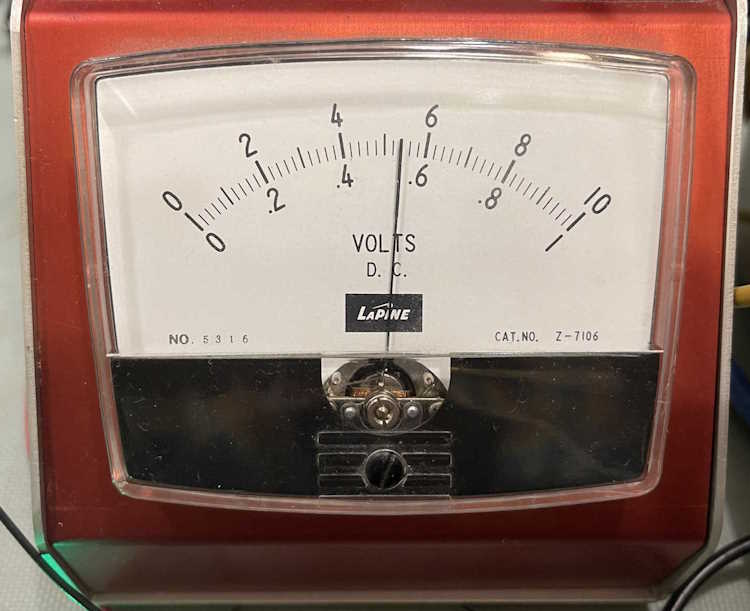
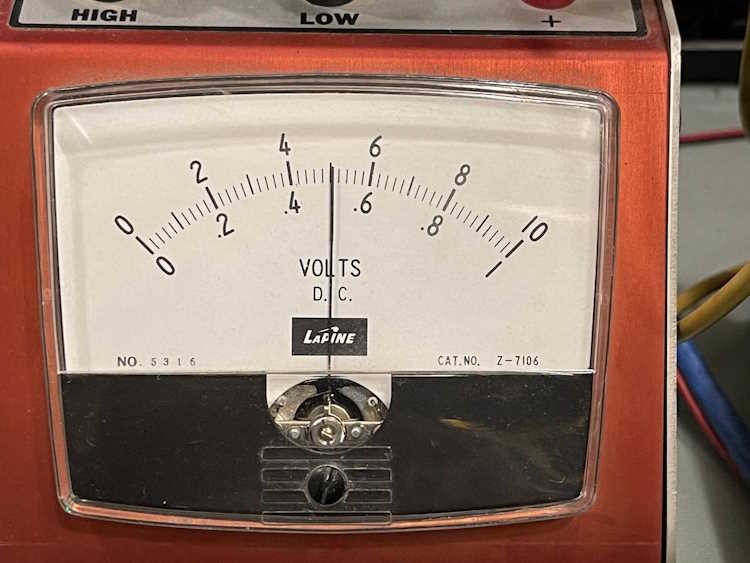
A 0-10V laboratory meter.
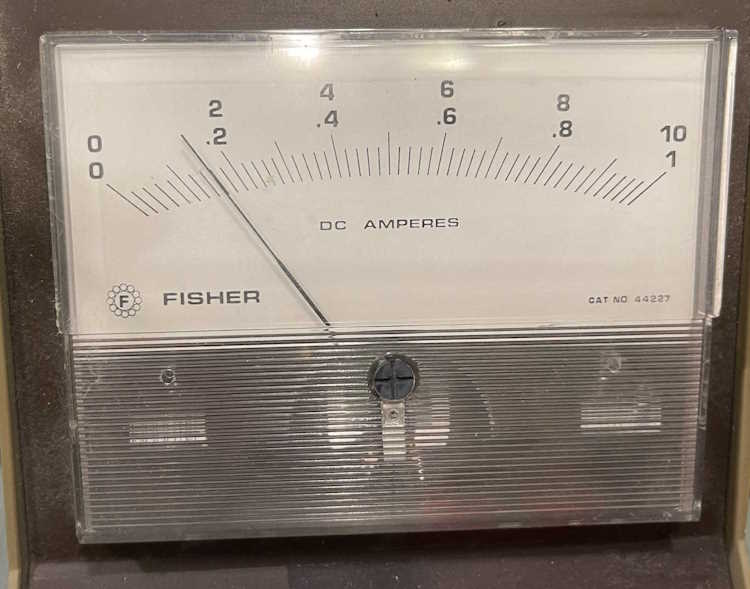
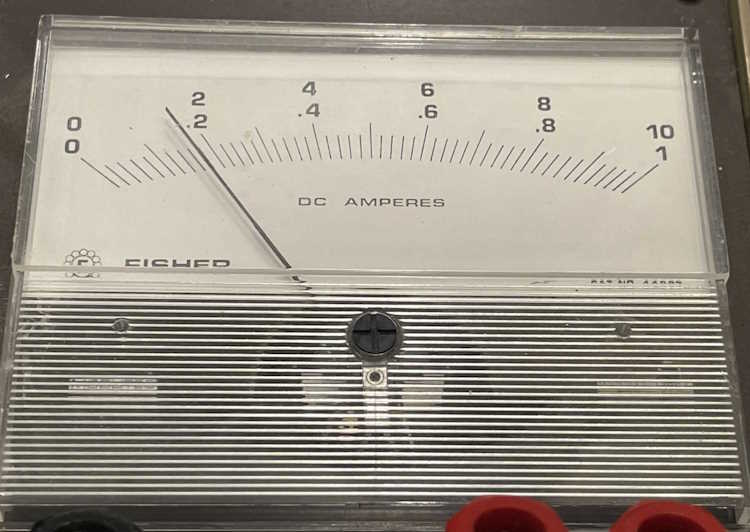
A 0-1A laboratory meter.
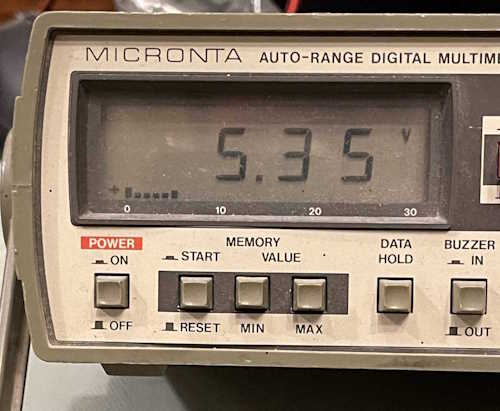
A Rat Shack “Micronta” digital voltmeter.
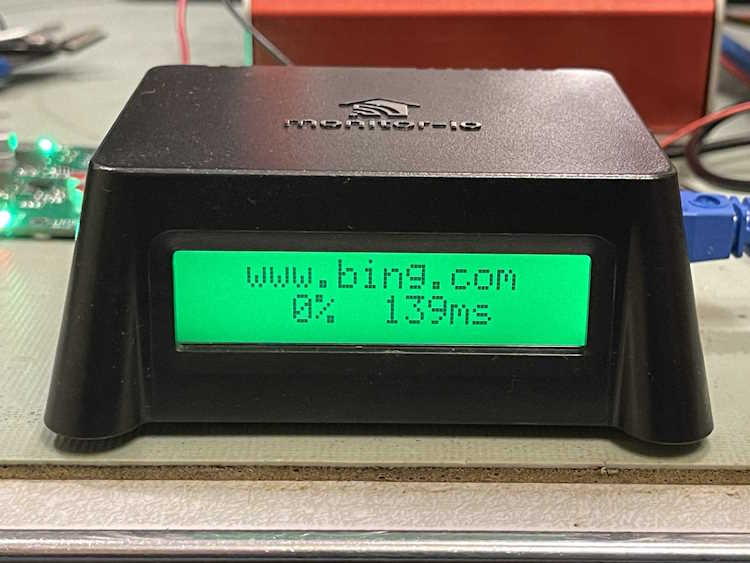
An Orange Pi 1 with display in a “Monitor-IO” case.
Cables and connectors.
Specifications of the UPS itself:
Input: 12V via screw terminals or barrel jack.
Output: 5V at 3A max via USB-A or screw terminals
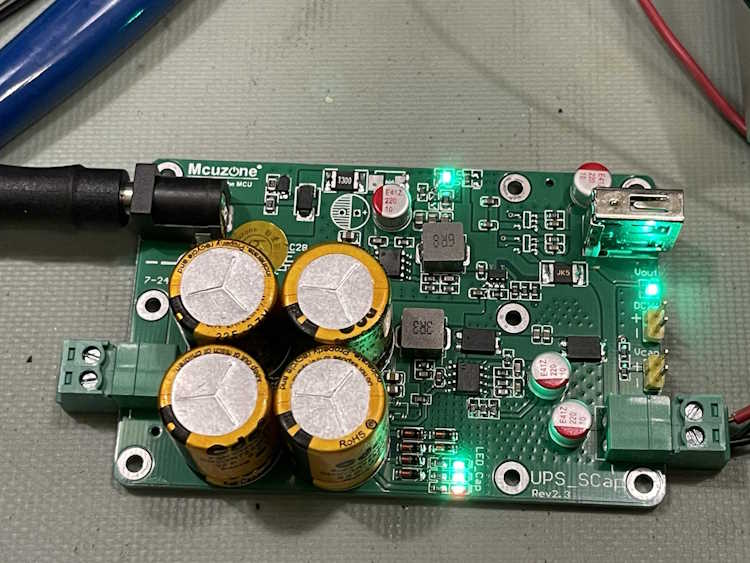
Charge and power indicator lamps
There is a version that is 12V output on both the screw terminals and USB-A jack, so if you make a purchase insure you are getting the right model!
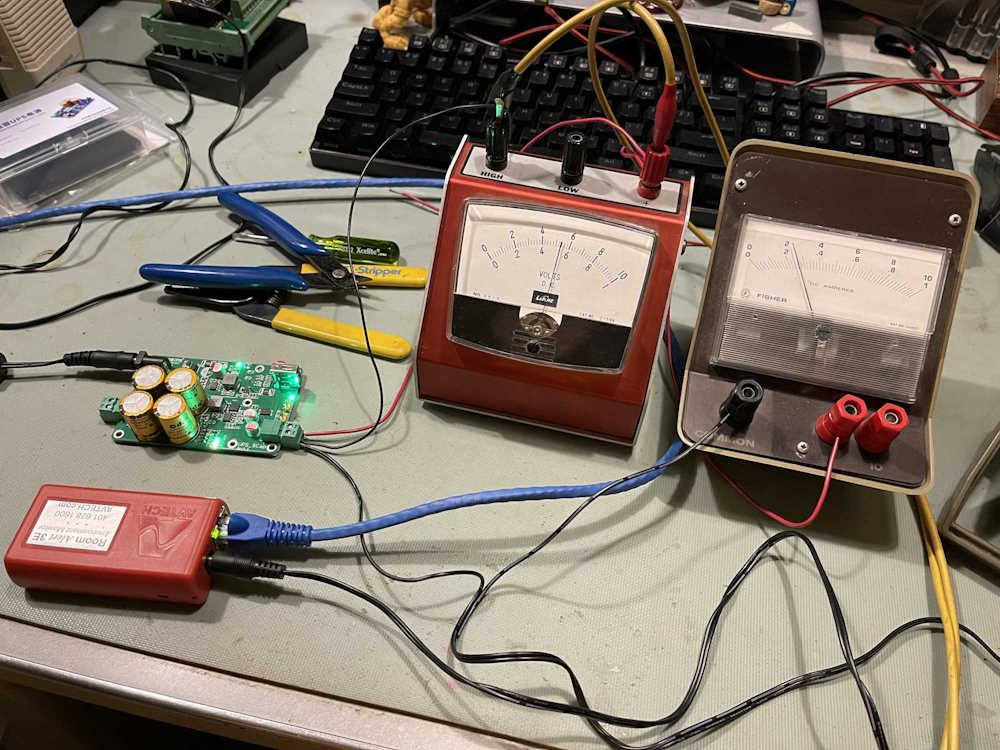
Hookup is relatively straightforward, so I’m not going to draw a schematic, but: 12V goes in to the UPS, and comes out the 5V side. A voltmeter is across the load, and an ammeter is in series with the load. The load, of course, being the Orange Pi 1.
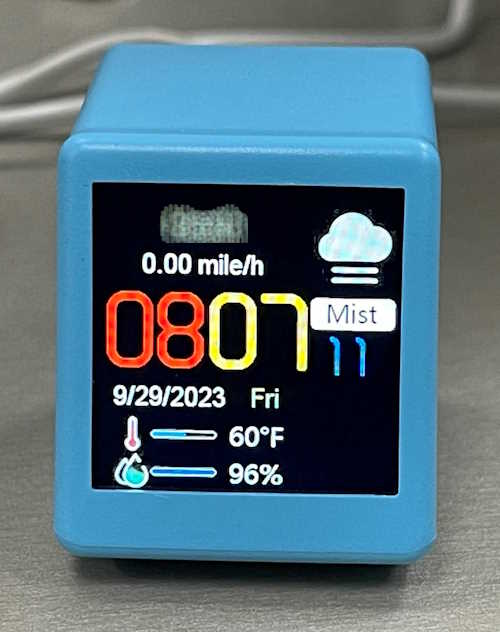
The Orange Pi 1 is an Allwinner H3 Quad-Core A7 CPU and has 512MB onboard. It’s booting from a uSD card and powers a simple 2-line display with RGB backlighting. It’s currently running the standard Armbian build with a ping monitor program.
Originally, this device was sold by a company called Monitor-IO as a network monitoring and intrusion device. When the company shut their doors (and the backend of the device,) they provided a simplified version of the applications for those of us who had the devices. Other than their special sauce, it’s simply a standard OP1 with Linux.
Booting the device reveals that it will spike to about 400mA of current draw, but settles down to an average of around 180mA with minor spikes as the network is accessed. These are very small in time and current consumption, so they don’t really affect much.
Voltage output while charging is 5.35 volts, and current draw on the testbed is about 180mA.
First test was to see how long the device takes to charge. With 12V 2A input and 180mA output, I observed the following approximate times. These are times indicated by when the charge indicator LEDs lit fully, and are approximate because some of it is subjective:
1st LED (Red): 180s
2nd LED (Grn): 240s
3rd LED (Grn): 330s
The LEDs have a very fast flicker while charging, and you can kind of see this when you squint at it. When the flicker vanished, I assumed that the device had reached full charge, which happened at about 5m 30s. I’m going to assume that no matter what kind of current you give it, this is going to be limited as not to short-circuit the input power supply when the capacitors are charging.
Second test was to see how long the device will hold itself up before charge is exhausted. As with the charging test, each of the times is when the appropriate LED went out. I did observe a voltage output change during this time, which is noted below. Each of the noted times is from input power removal, and again, is approximate.
Power drops to 5.00V: 5s
1st LED (Grn): 240s
2nd LED (Grn): 280s
3rd LED (Red): 346s > power off.
The output at power off drops to 0.603V, and stays there for some time.
At 180mA, you get well over 5 minutes of up-time to safely shut down your machine. If we extrapolate this up to 1A, you should get about 55s of up-time, which corresponds to the life chart and is still plenty of time to shut your machine down safely, assuming you do it within a few seconds of power failure. The device offers a soft-switch to signal power off events to the device in question, if you’re so inclined - but I did not test this as it’s not going to meet my needs. I’m planning on spinning up a simple board with some reed relays on it to provide my monitoring equipment a dry contact for notifications.
In all, this is fine device for smaller SBCs and any device that’s running on 5V, and you don’t have to worry about replacing batteries. It’s not going to be useful for some of the newer devices that require up to 5A of 5V, but for the device in question (and probably things up to the Pi2/3) it’s a good, cheap solution - something that’s quite rare in this day and age.
The only things that may trip you up are the slightly high 5V when there’s input power, and the 0.603V after power off. Most SBCs probably won’t mind either of these, but if you have a sensitive device it could cause problems.
I give these devices a thumbs up, and plan on implementing a few of them around the network.
It’s been sitting on my desk for a while, waiting for some time. Now that the weather has turned towards rainy fall days, some time has been found (and no, I don’t have any extra, sorry!) There was nothing really surprising found, and I’ll publish my results once I get them written up into something coherent. Stay tuned!
As the SSL cert for pygg.xyz will expire on November 2nd, I’ve turned off the site. It now automatically redirects to the homepage of wereboar.com. It will probably give you SSL errors at some point, but the redirects should still work.
If you have any bookmarks from that site floating around, simply replace pygg.xyz with wereboar.com and you’ll end up exactly where you wanted to go. If not, you should get sent to the wereboar homepage.
When the hosting plan expires, I’ll set a simple wildcard redirect and be done with it. Until then, pygg.xyz is for sale - hit me up at the email address on the front of wereboar.com if you’re interested.
Some time ago, I wrote about my experiences with the ESP8266 line of microcontrollers. Specifically, that they had a giant RF spur at 319.98MHz. This wasn’t an unknown issue, the FCC documentation (had I read it beforehand) clearly called that out. See this post: https://wereboar.com … of-cheap-technology/ for more info on that.
Recently, I picked up this little gadget from a well-known overseas marketer. It works amazingly well, although I suspect this one of having hacked firmware… The MAC it gives to the router clearly identifies it as an Espressif device.
One of the things I immediately noticed, however, was that there isn’t a spur. I was running my devices in a similar manner, they were simply consuming data while being connected to a WiFi interface. I have to wonder if Espressif has fixed that issue, or if the firmware is doing something odd to keep that in check. More investigation is needed here, and perhaps a new look at my old designs is in order.
Within the last 10 years, low resolution and correspondingly cheap IR sensors have come on to the market. Ranging in size from 8×8 to 32×32 pixels, these devices have shown up in many projects and purchasable items.
This type of IR sensor isn’t a camera per se, but instead is a grid of temperature sensors that a processor assembles into a visible image. You could just as easily have a grid of temperature readings instead of the visible image.
One such series of sensors is the AMG88xx series from Panasonic, and probably other vendors with less recognizable names. Costing around $20 from various sites, this 8×8 sensor is cheap enough for the hobbyist.
(These are not suggested purchase links, but examples of item cost. I’ve used Aliexpress quite a bit over the years, you generally get what the listing shows - just be careful and make sure you’ve selected the correct item, as they tend to have multiple items in the same listing and sometimes you don’t pay attention and get the wrong item.)
I purchased one of the fully assembled units, received it the other day, and gave it a try. I received exactly what was shown in the listing, a camera module, a screen and CPU unit, all assembled into a couple of pieces of plastic sheet.
There’s no battery, so you have to plug it in to a USB or other 5V source via the Micro USB on the side. It comes up immediately with the image.
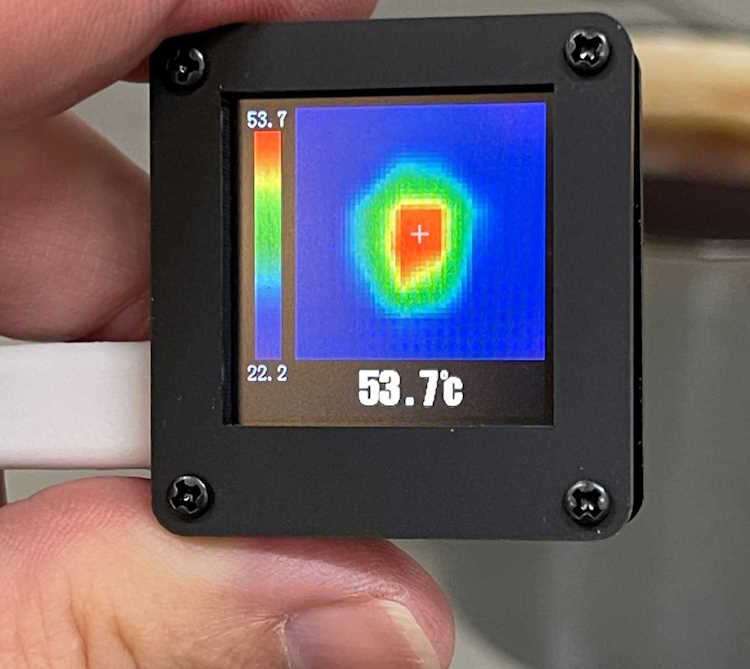
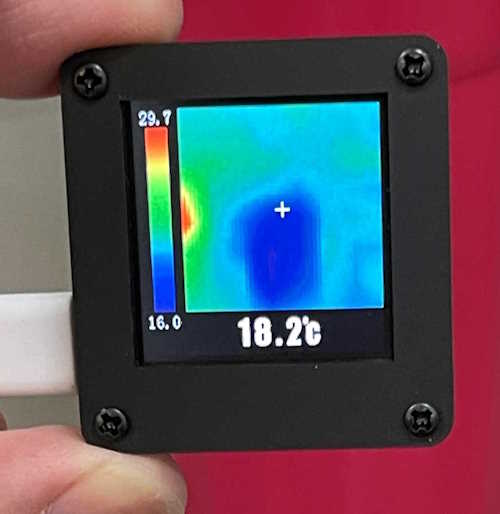
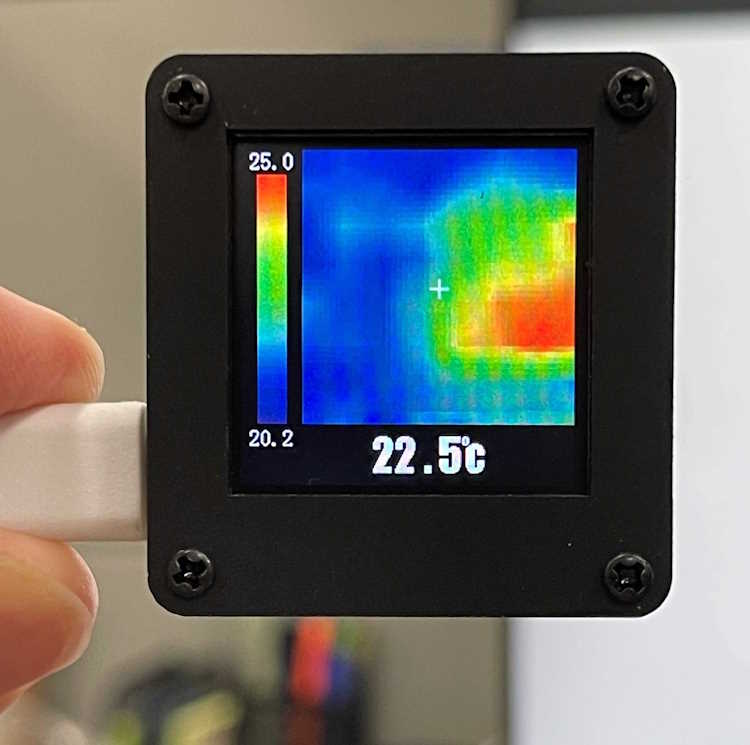
Here’s a hot cup of tea. You can clearly see the hot spot, even if it’s not well defined. The temperature reading is in °C, and there’s no way to change that. Not a big deal.
A glass of cold water from the tap.
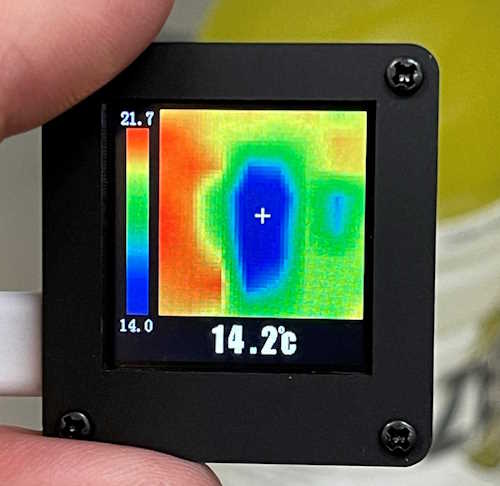
And a cold drink that’s set out for a while.
This, like most devices of it’s kind, auto-scales the temperature colors so the hottest spot, regardless of actual temp, is red. That’s a nice feature and gives you a telltale as to what you’re looking at.
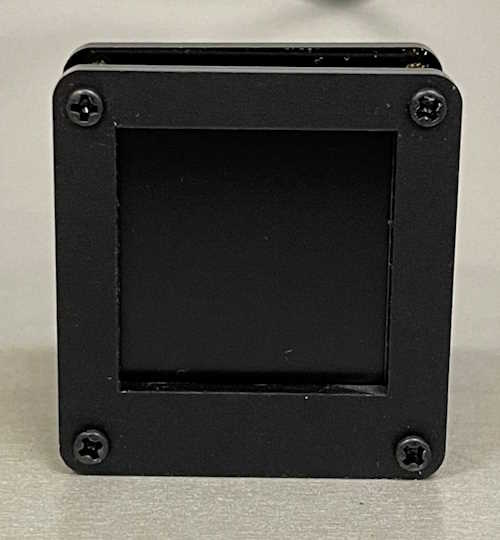
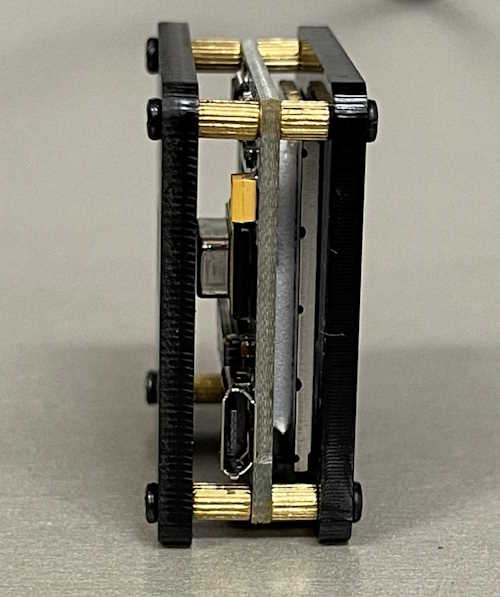
Physically, the device fits in the palm of your hand. There’s no focusing lenses or frills on this device, it’s as basic as you can get and still have an operational device that’s not just exposed circuitry.
The front with screen.
The side, showing the USB port and the open frame construction.
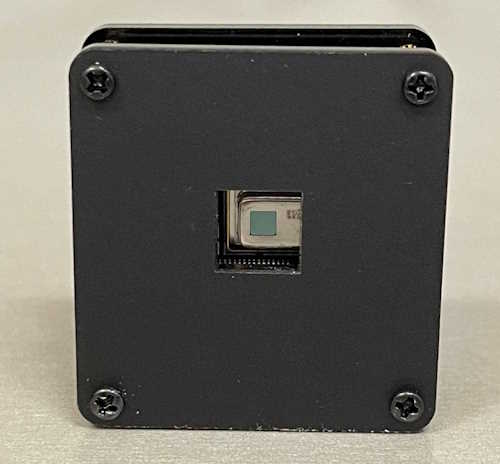
The back of the unit with the business end of the device.
Overall? This is a pretty amazing tool for $40. It’s not going to show you detailed images of something, but it’s just enough that you could spot a hotspot on a board or piece of equipment, helping you pinpoint things for further troubleshooting.
Beyond that? It’s just a cool toy and an amazing piece of tech.
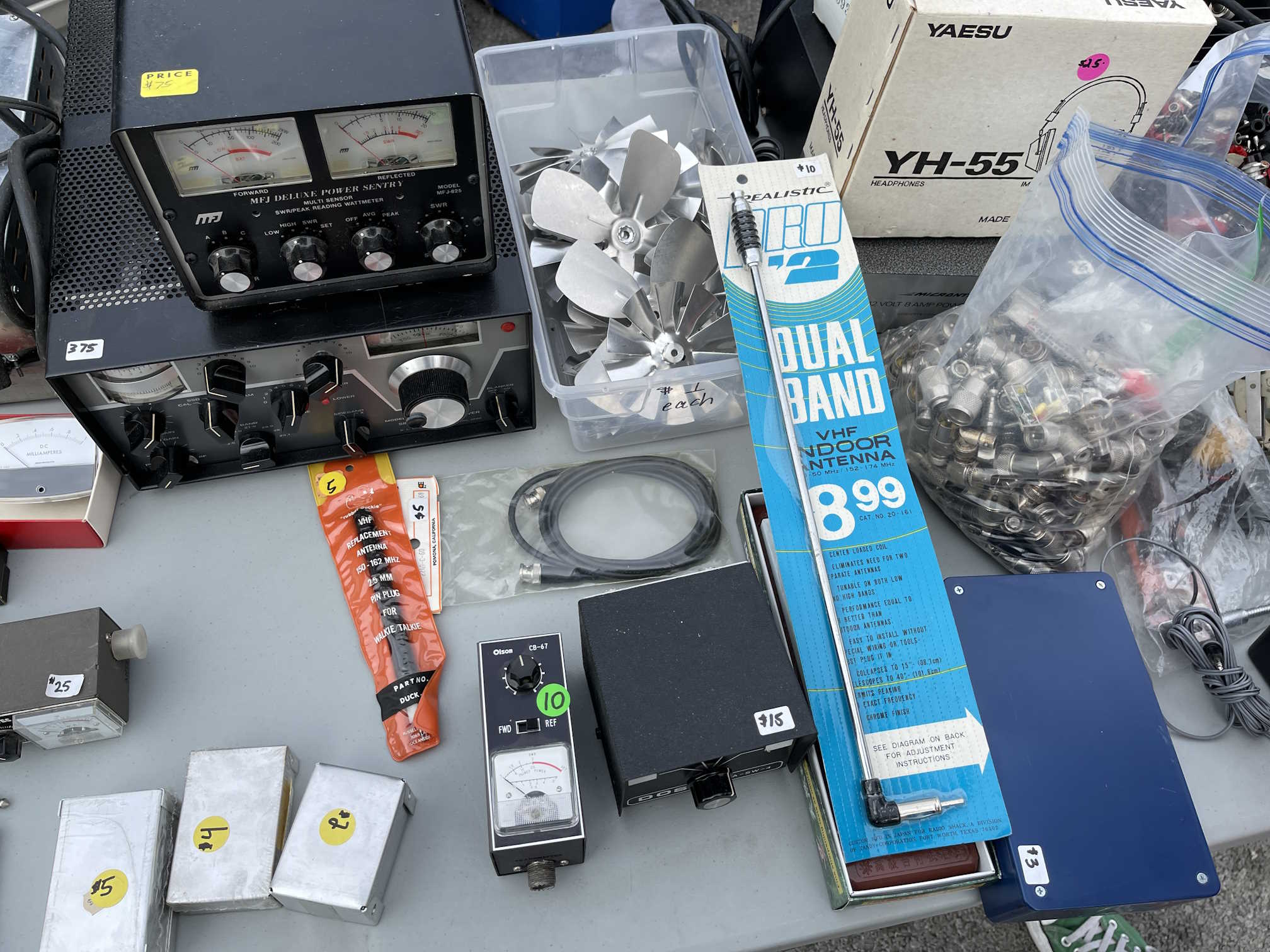
The Findlay Radio Club 2023 Hamfest was just a bit muted this year - the skies threatened rain but none appeared, so there were quite a few vendors. This year, a lot of late-model Hallicrafters SW radios showed up, I assume because people who purchased them in the 1960s are finally letting them go for various reasons. Unfortunately, with nothing to listen to on shortwave except Radio Havana, these radios aren’t of much use other than as a curiosity. The proliferation of SDR boxes hasn’t helped, considering you can get a direct entry radio that sounds good and runs on a common LiIon prismatic cell for a bill.
There was plenty of good stuff to look at regardless, and some good things to take home. Here’s my memories of the show, some of which were of unique pieces where the photo ended up on other sites.
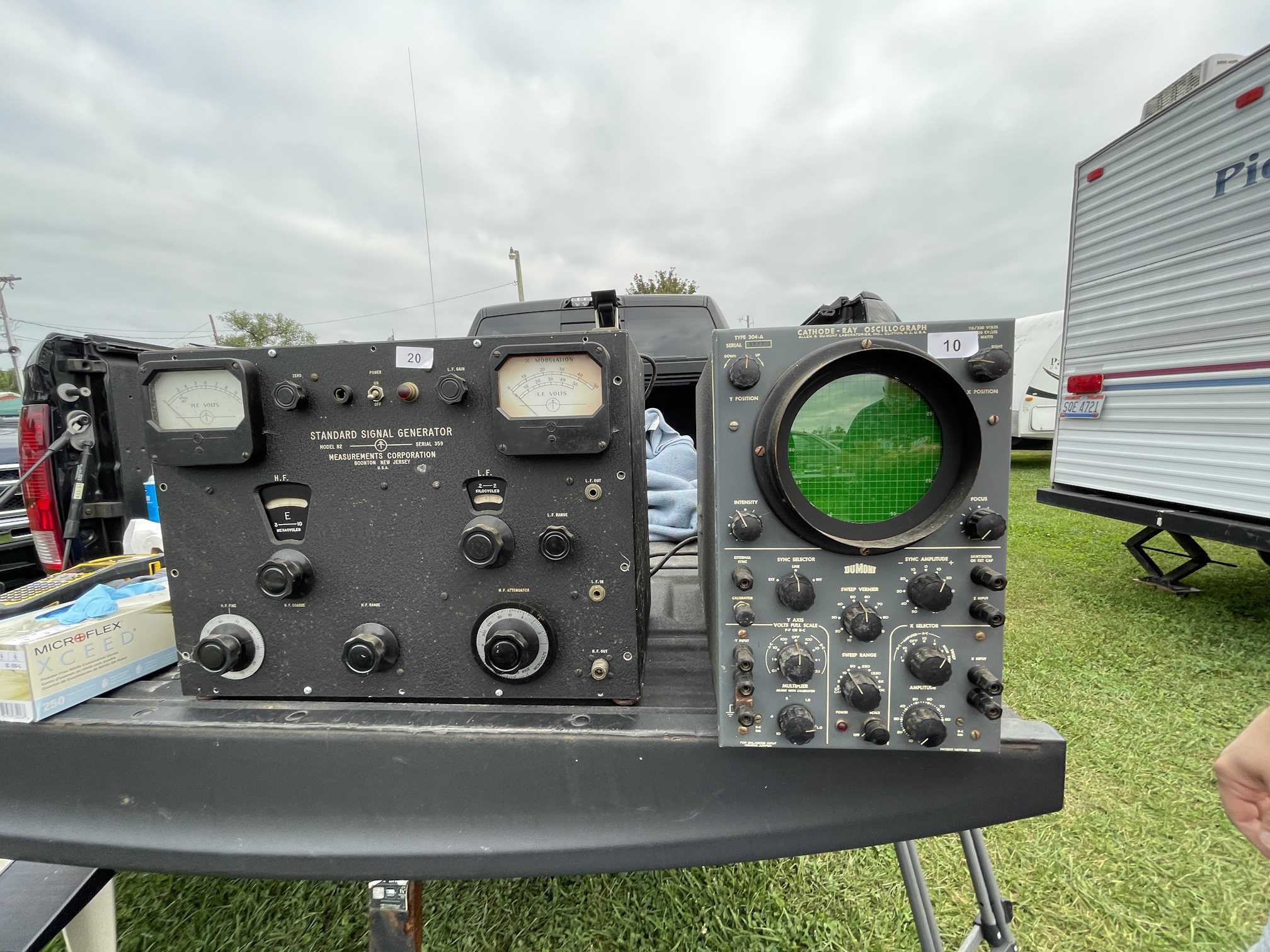
One of those shots was a relatively rare signal generator from a long-dead company, Measurements Corporation of Boonton, NJ. According to the site admins, this was the only in-the-flesh image they’ve seen. I was happy to contribute to the community’s knowledge base. Check that entry out here: https://www.radiomus … rd_generator_82.html
Now, on to the good stuff!
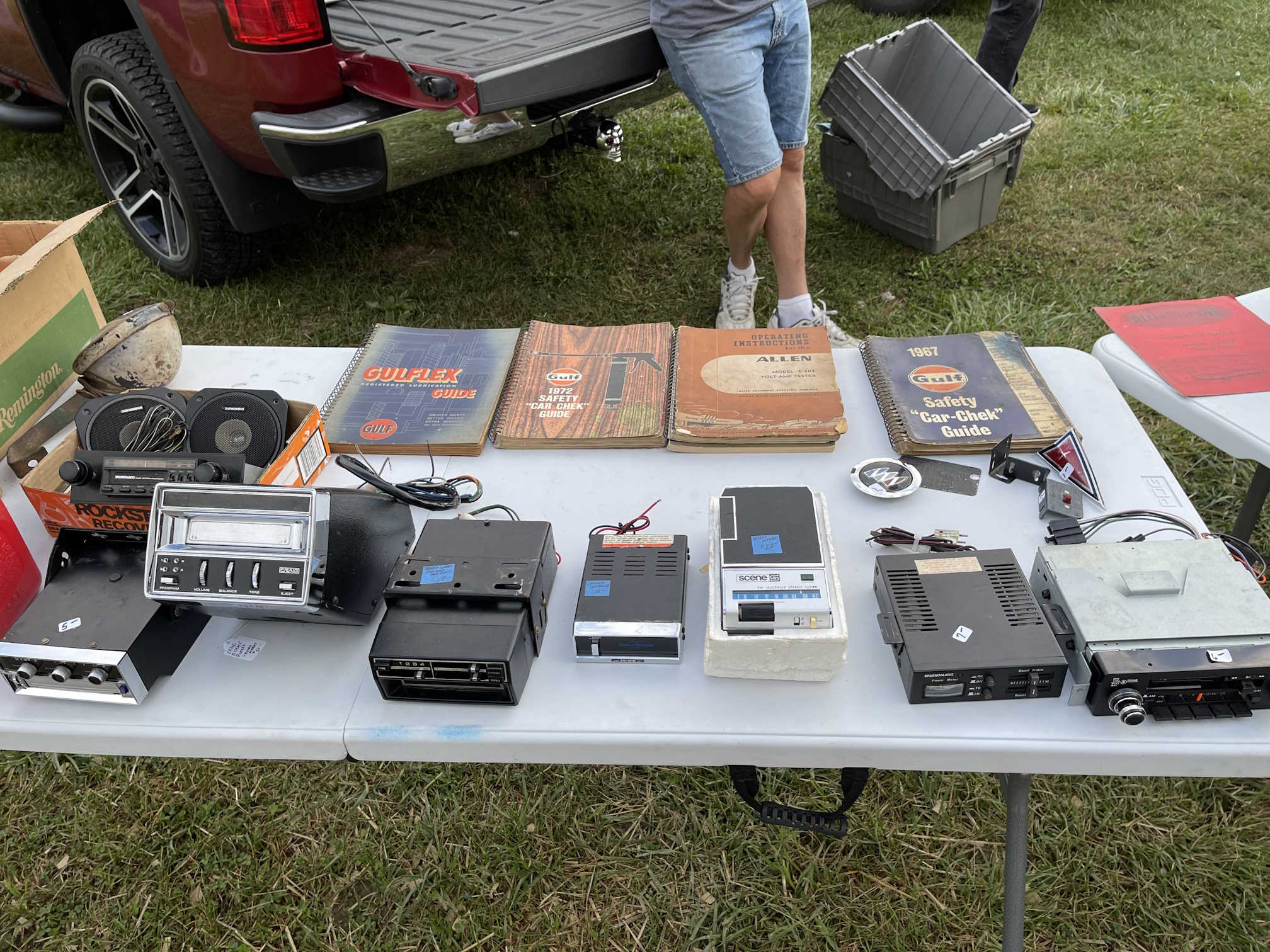
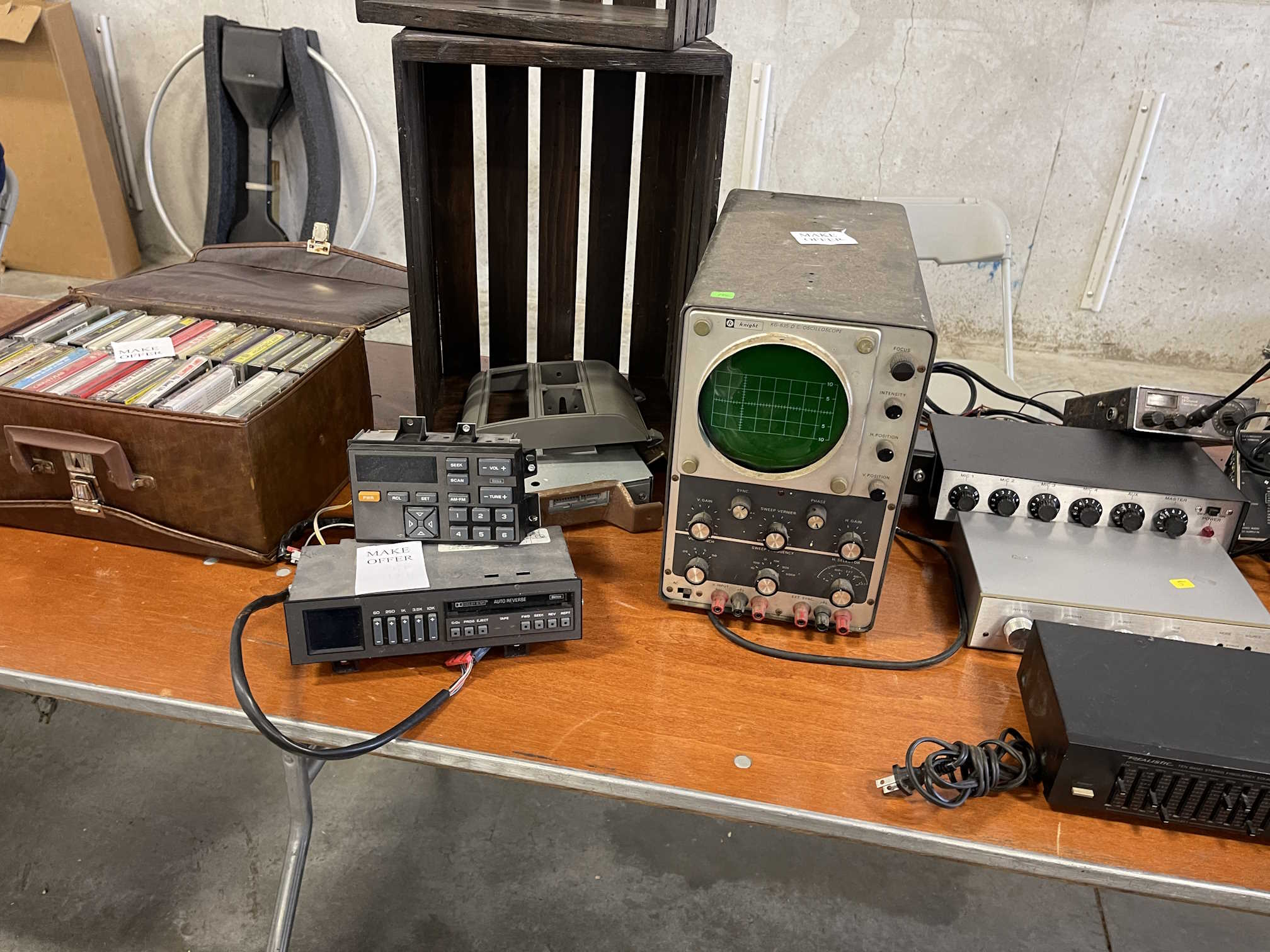
A lot of old car audio devices.
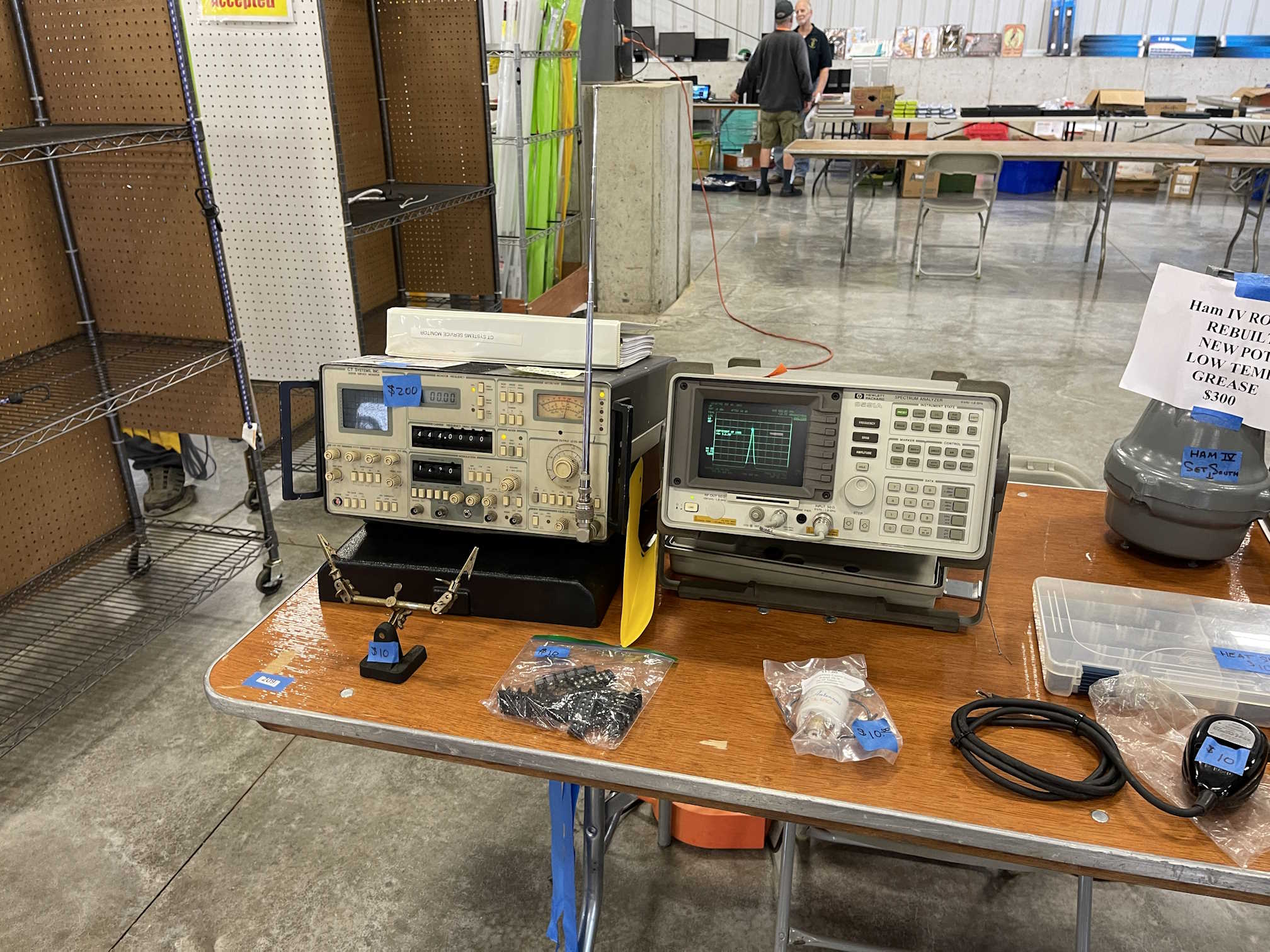
An old HP 1.8GHz SpecAn. Nice display, but the $100 cheapies do the same thing nowadays.
An old Motorola plug scanner antenna. Took it home, so old the plastic was stuck to the metal.
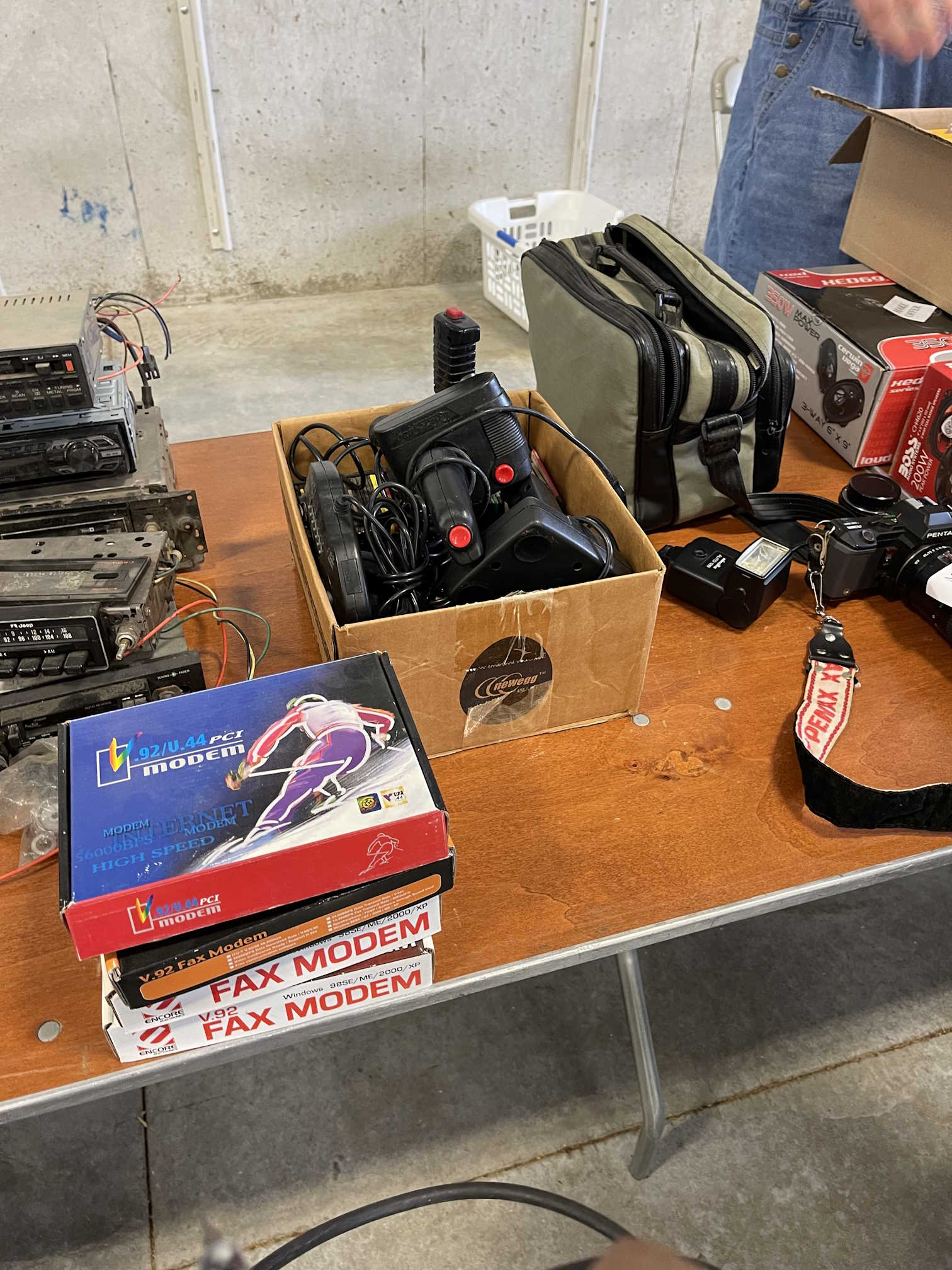
A box of Atari 800XL computers, a drive, modem and etc.
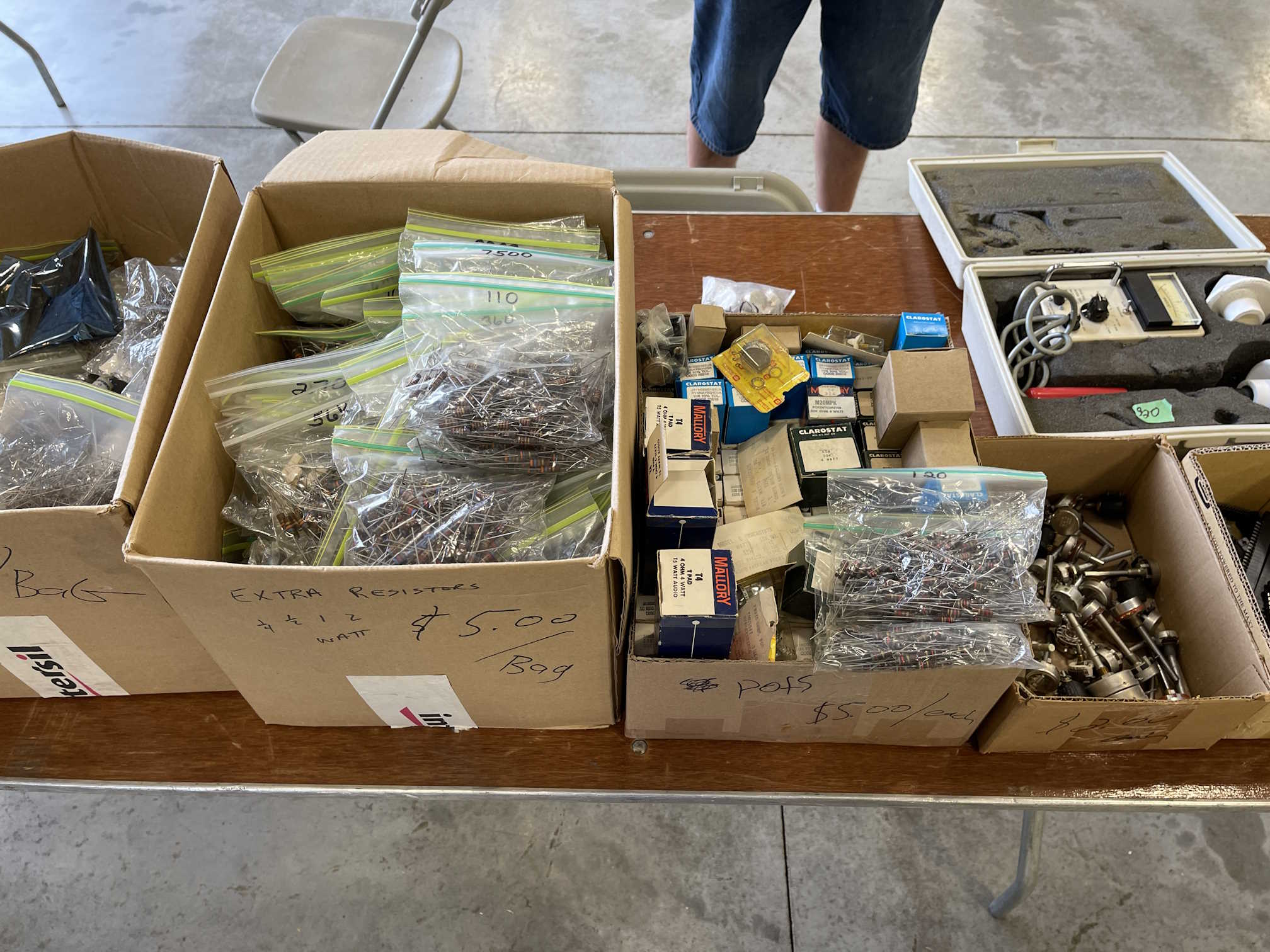
Carbon Comp resistors. Great for resistive fuses, some went home with me.
One of GM's oddball radios, and some misc goodies.
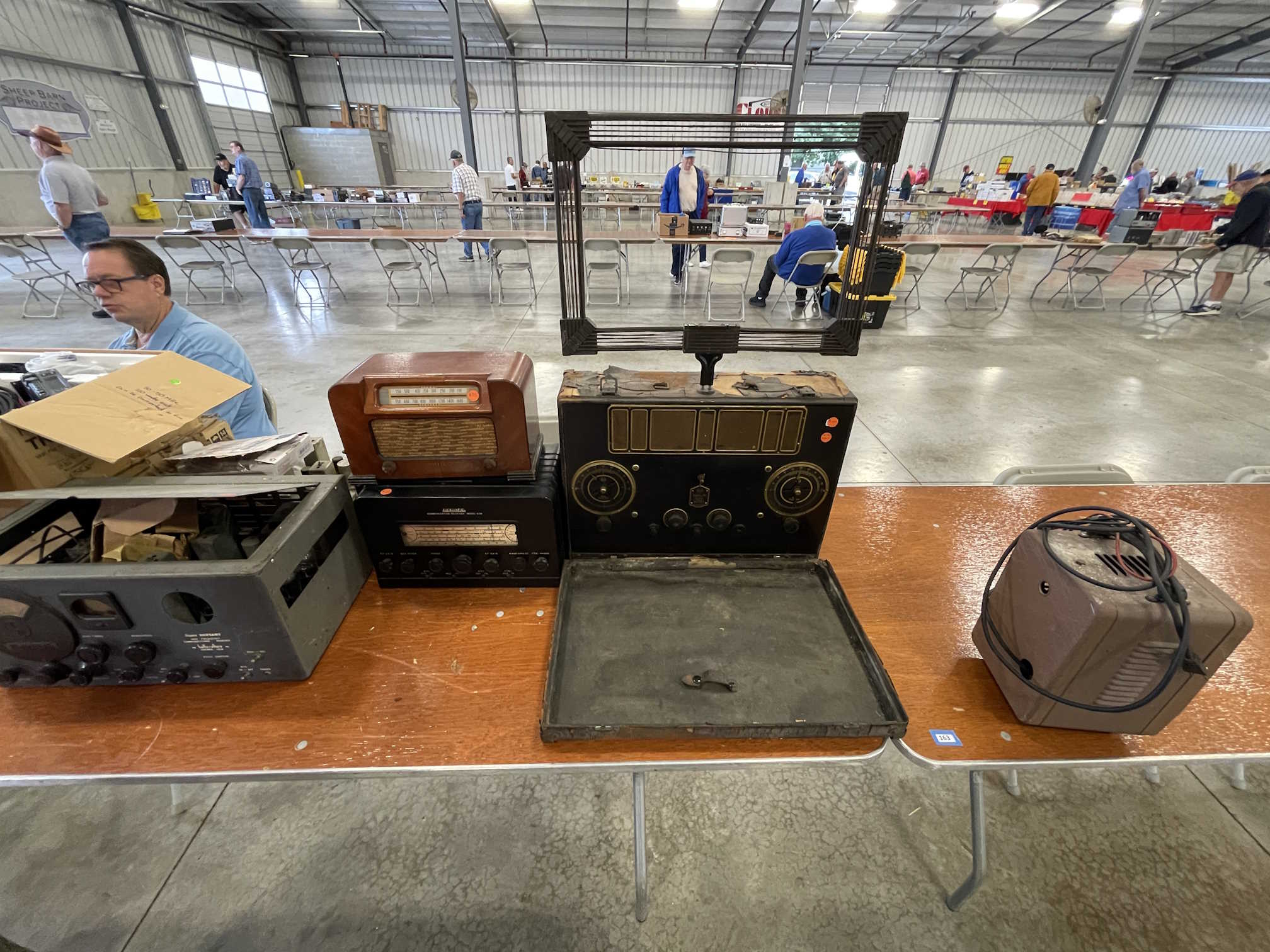
A Radiola 24, or as a friend said “It's a DIY Television!”
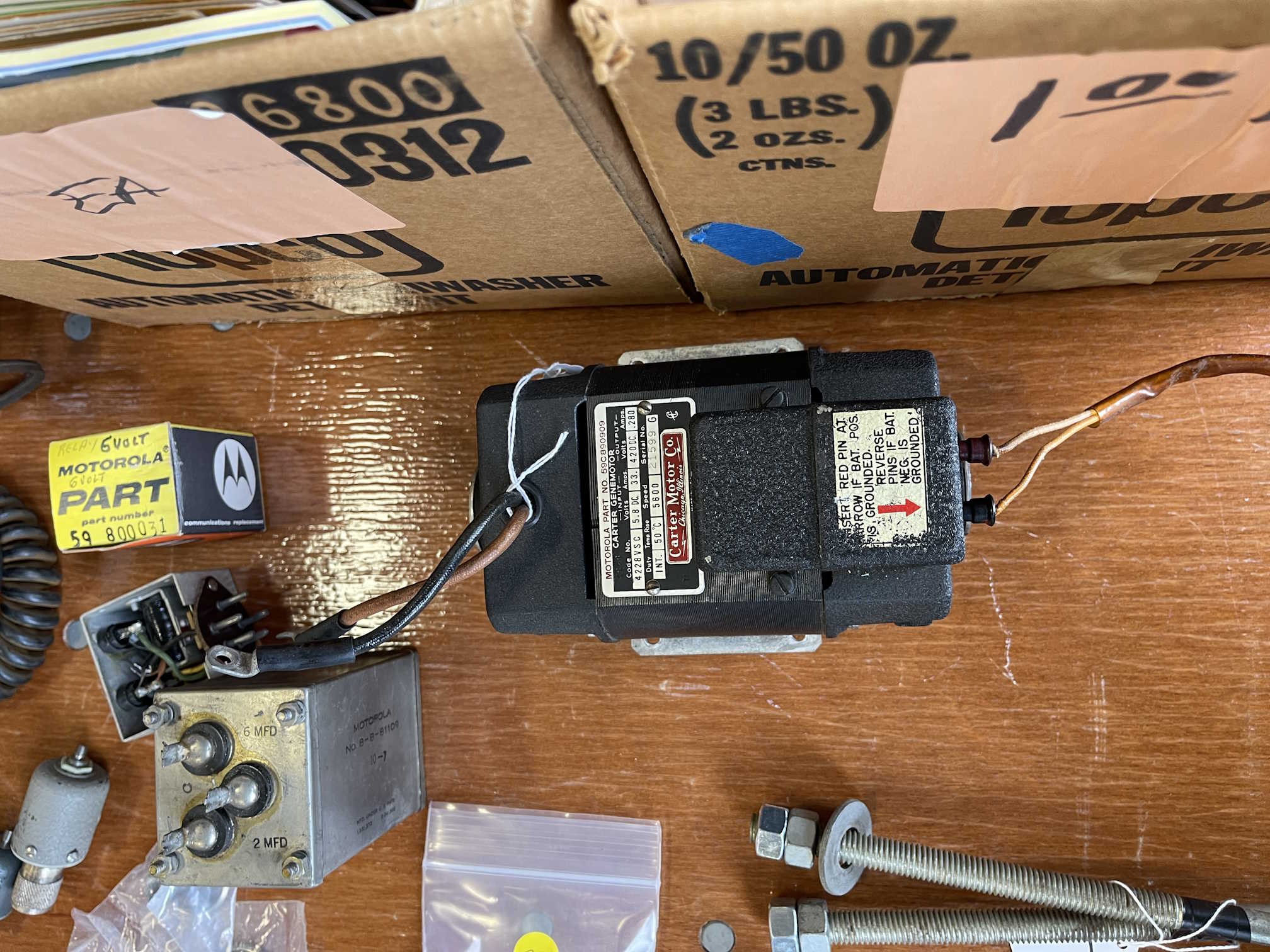
A dynamotor for a radio device. Yeah, that's 33A input current!
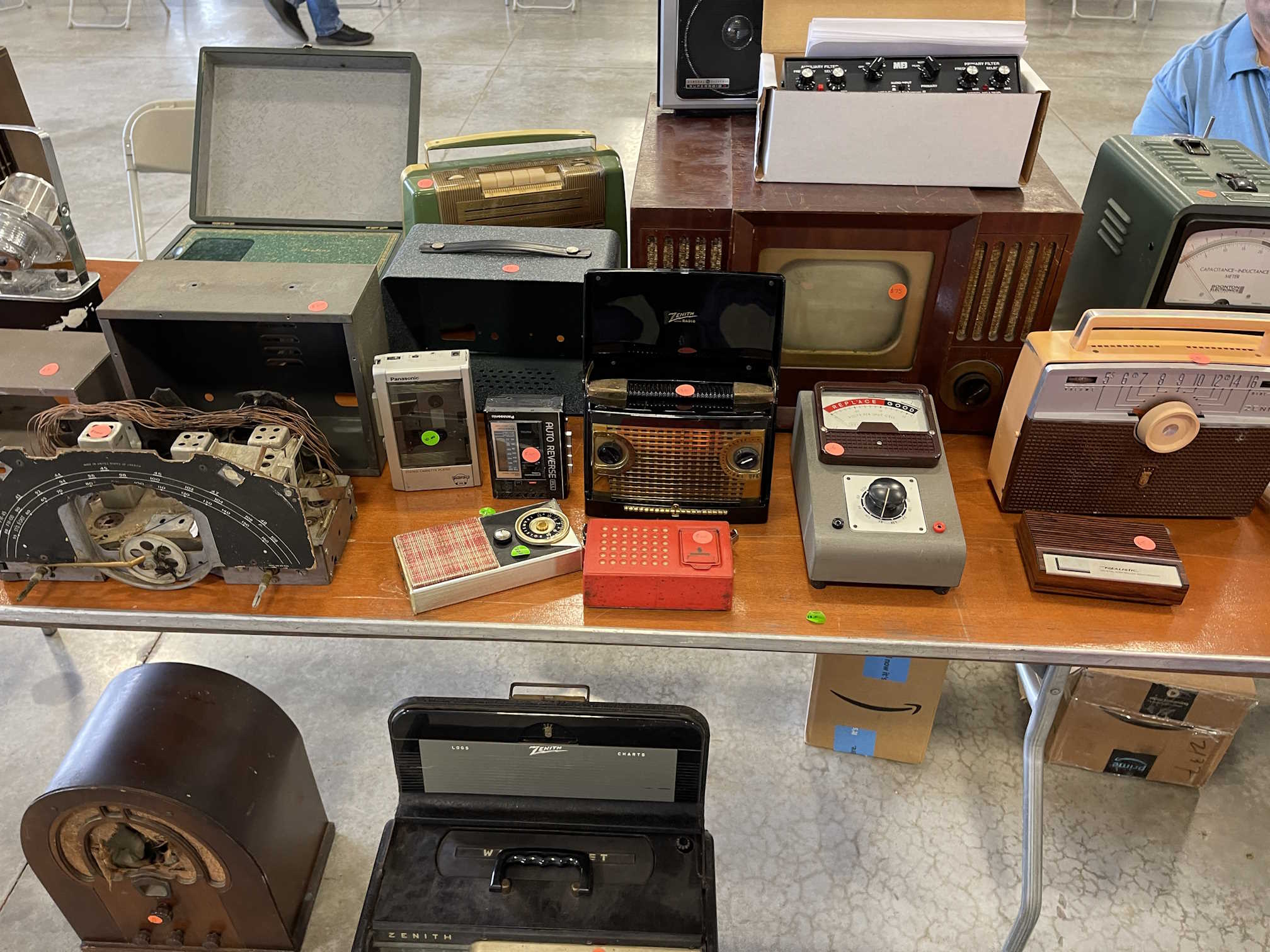
An electrostatic television and some radios.
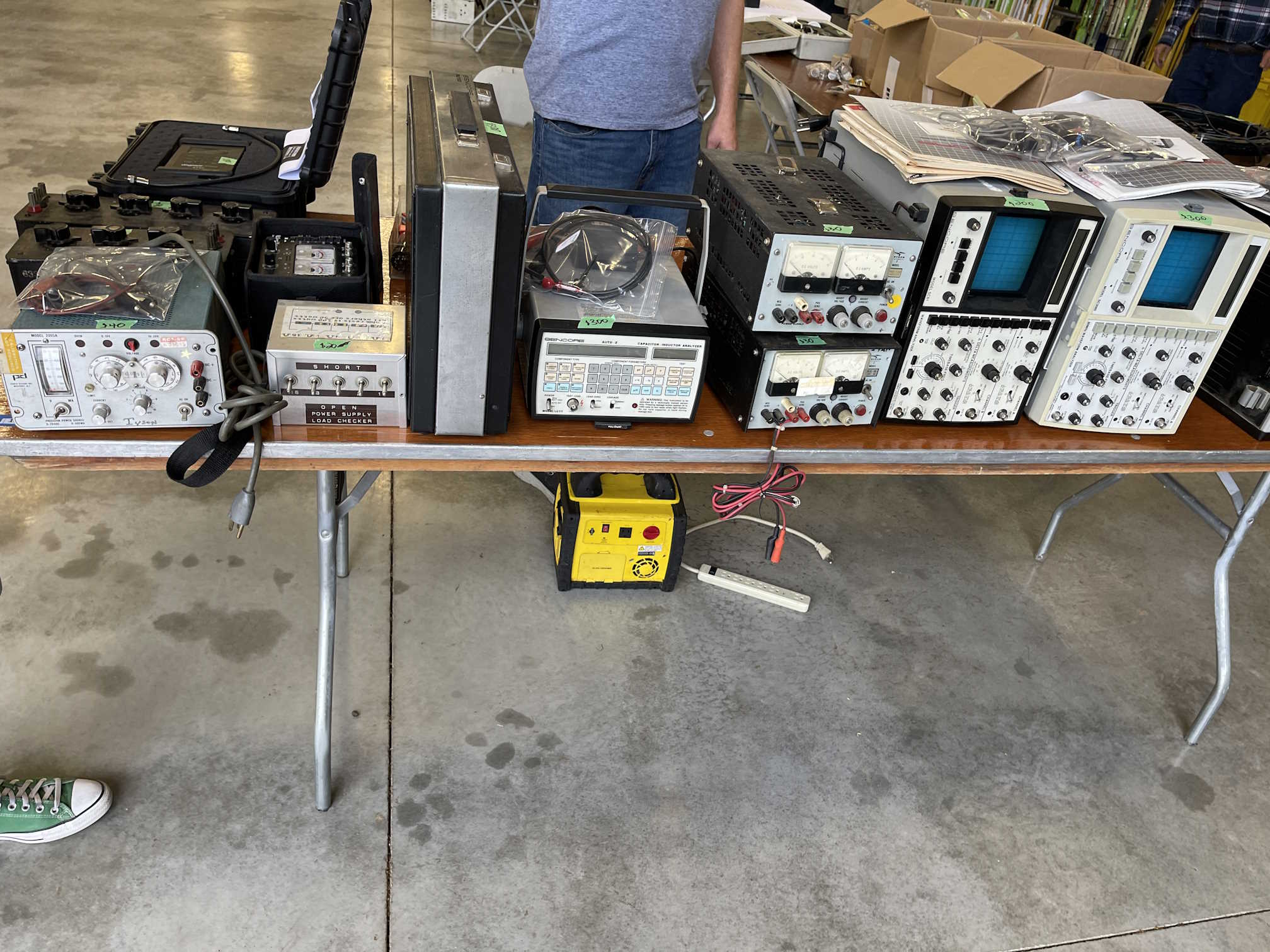
Some old, but expensive (for it's time) equipment.
One of the many radios of this type that showed up this year.
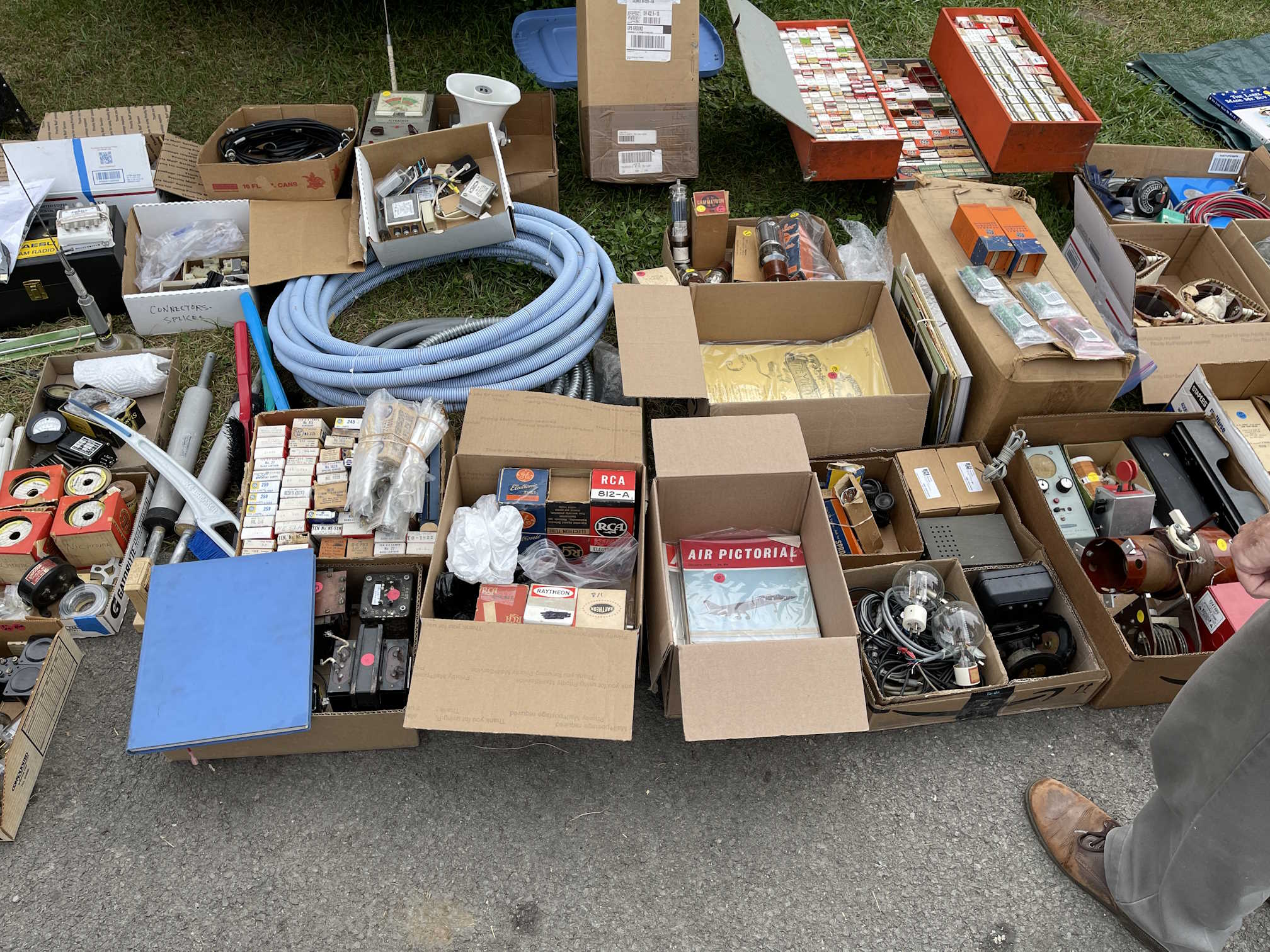
The “just lay it on the ground” goodies vendor.
More ground goodies.
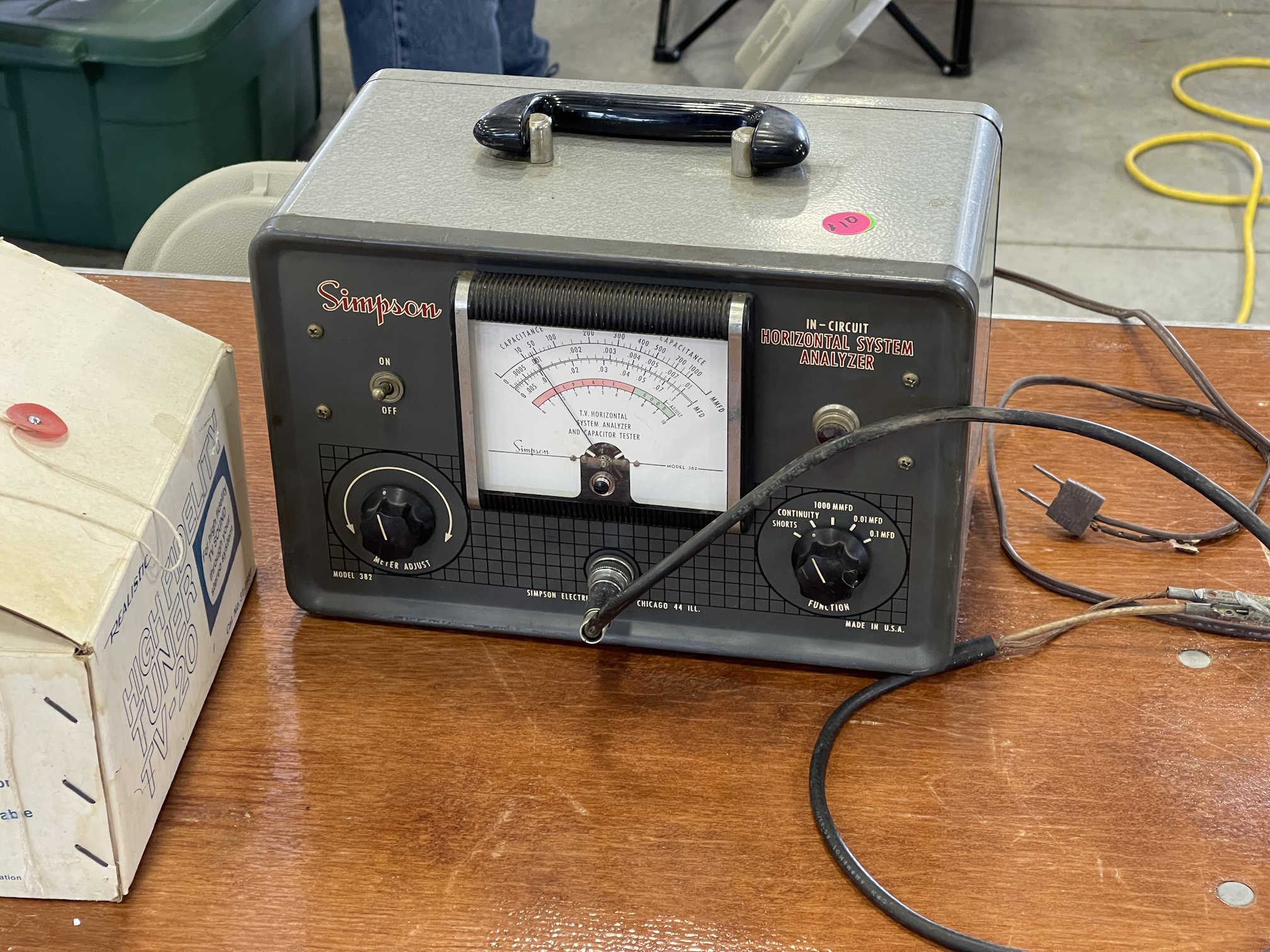
A meter that's dedicated to testing the particular items in a horizontal circuit.
A box of old Atari-style joysticks.
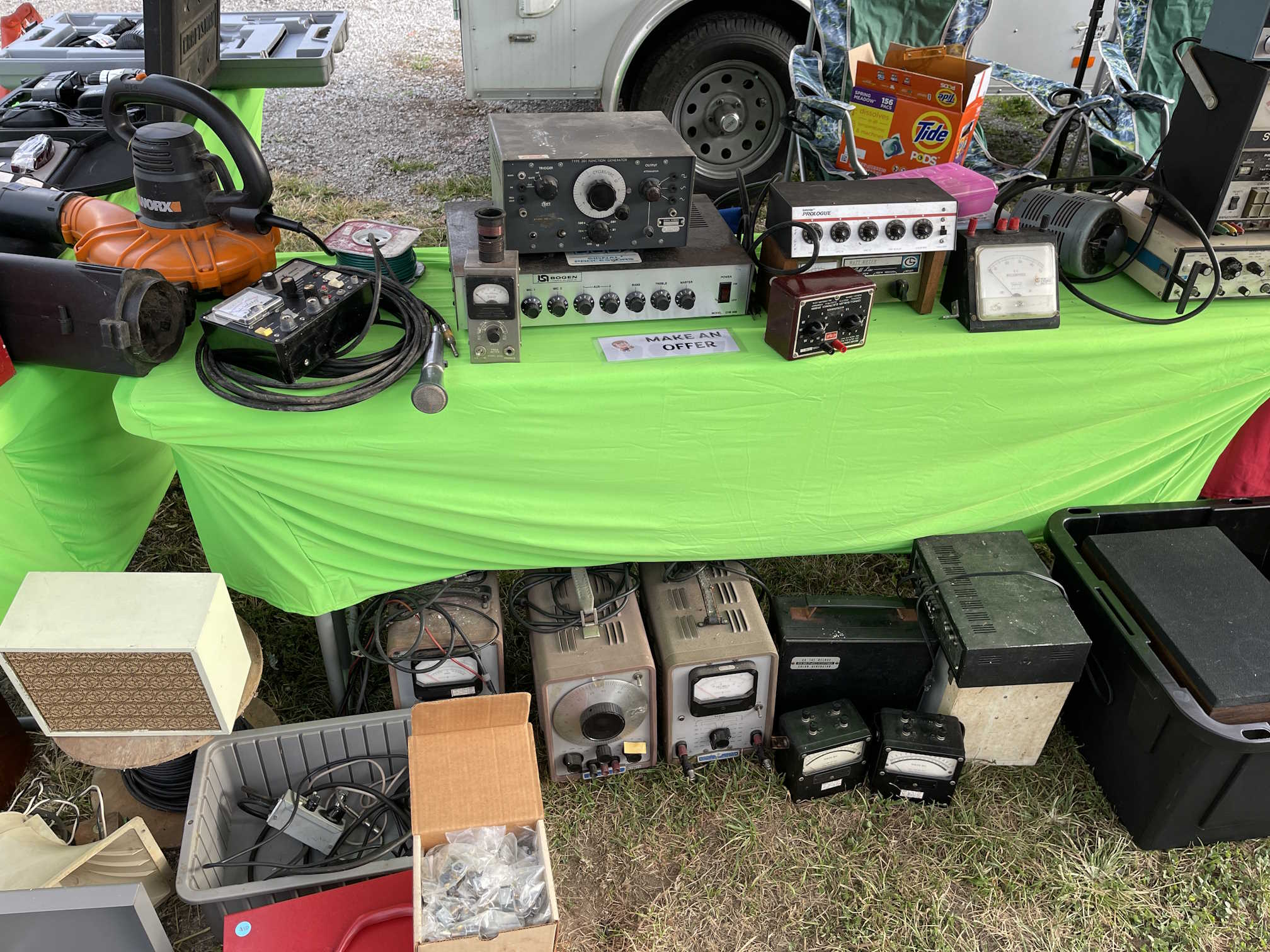
Meters. Meters everwhere!
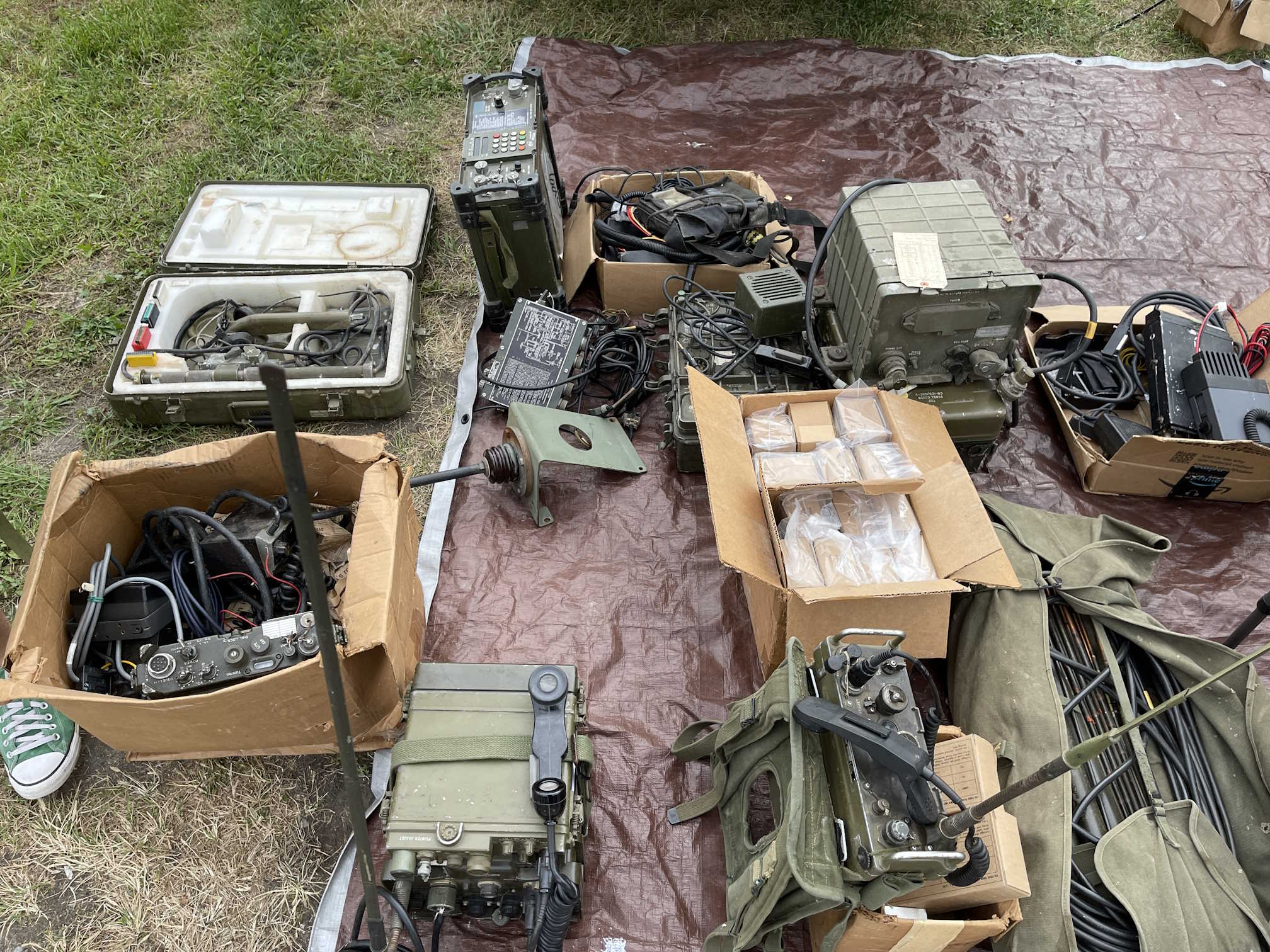
This vendor had a wide range of military radios and accessories.
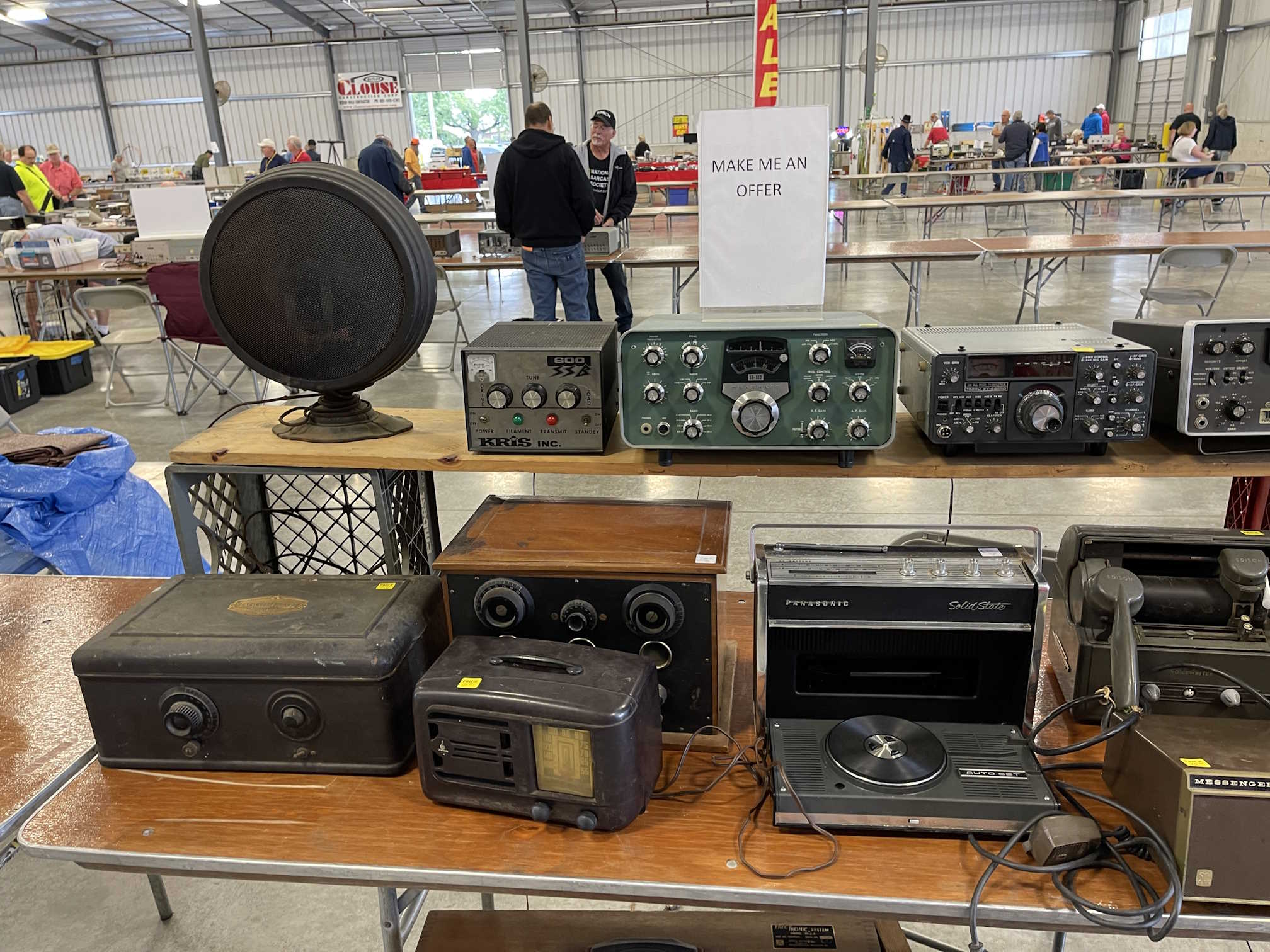
No reasonable offer is refused!
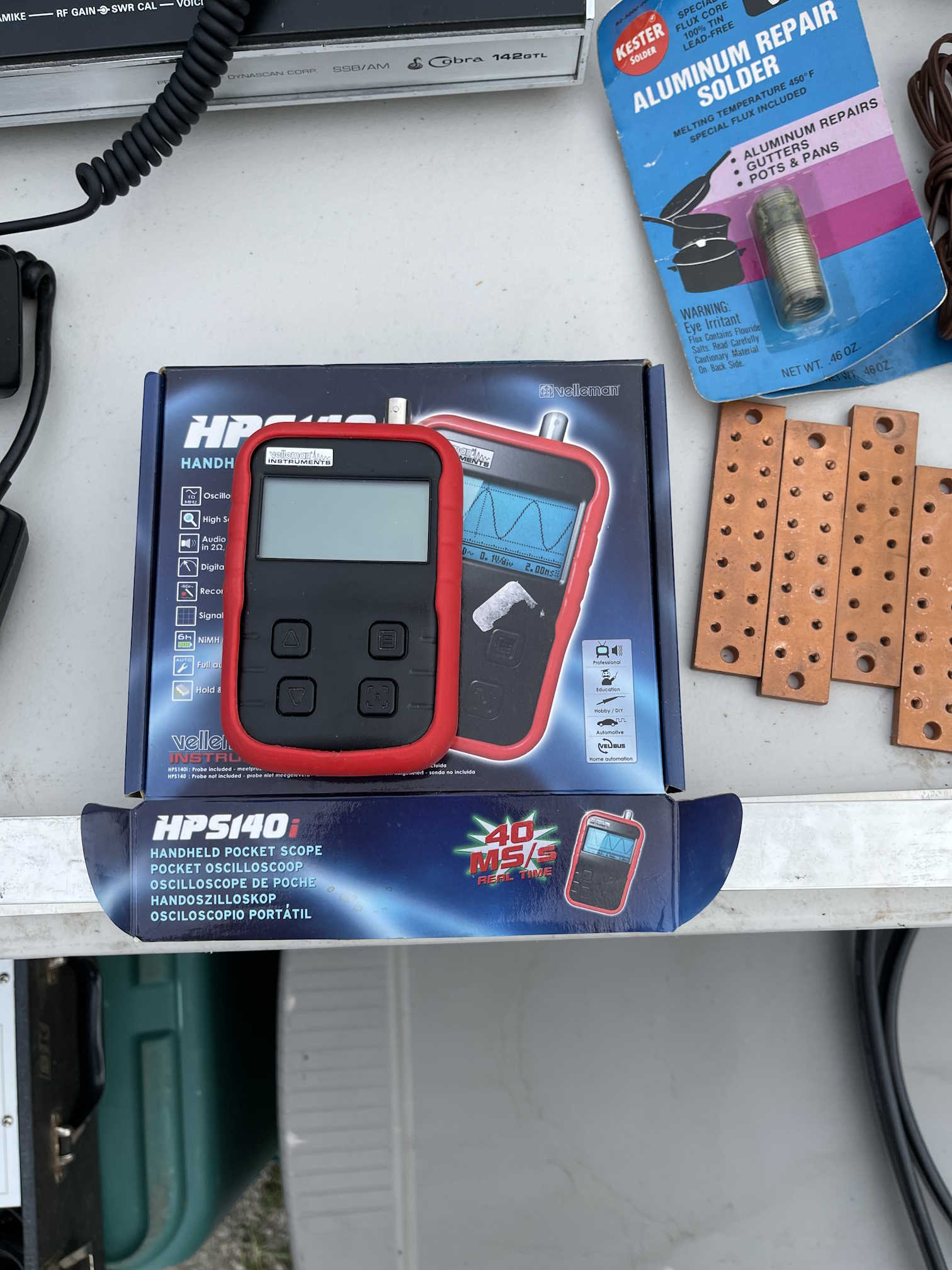
A neat old Velleman scope, but these like to blow their inputs. No power, no see, no buy.
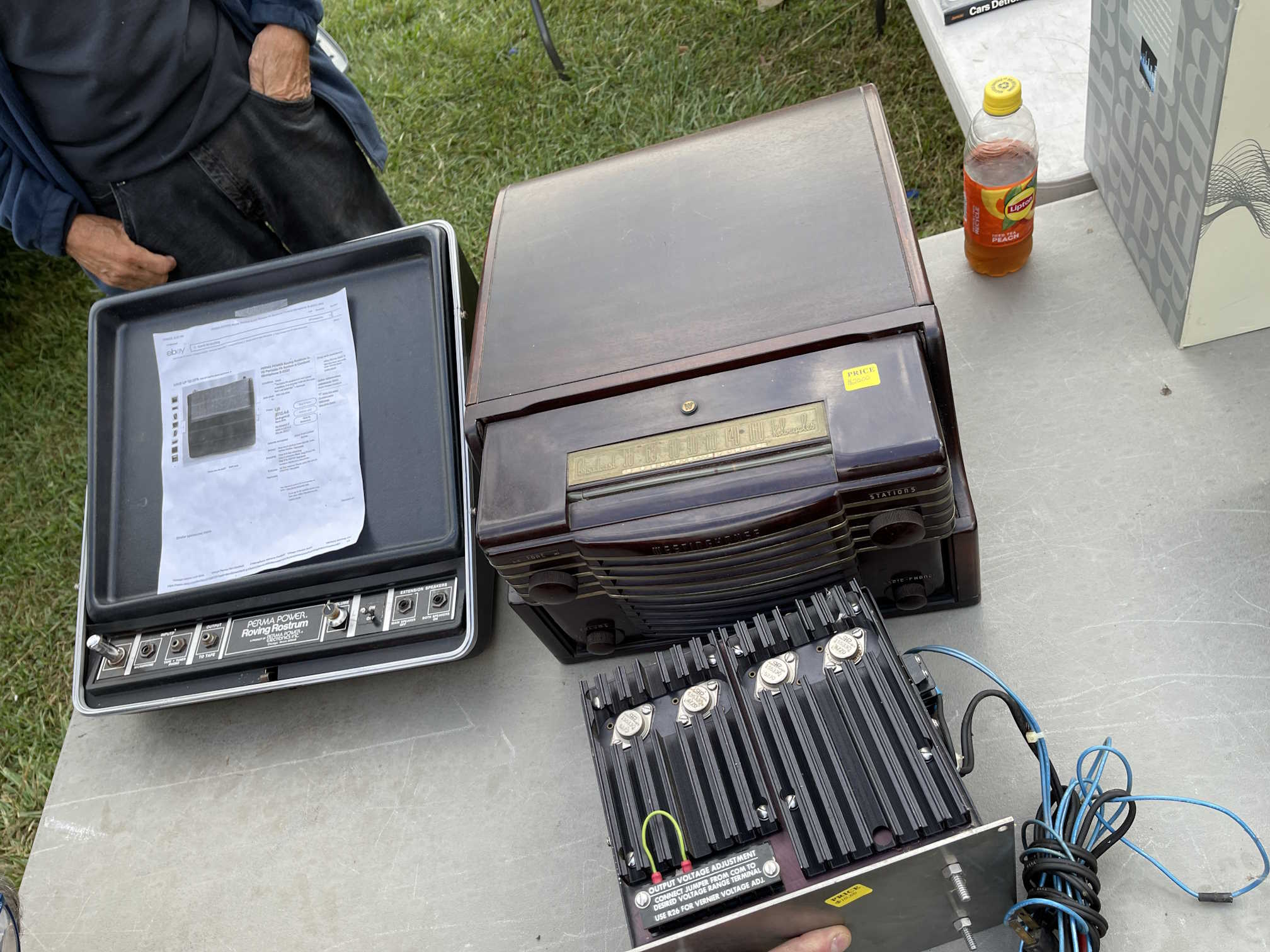
A portable podium with amplifier. I remember these from high school.
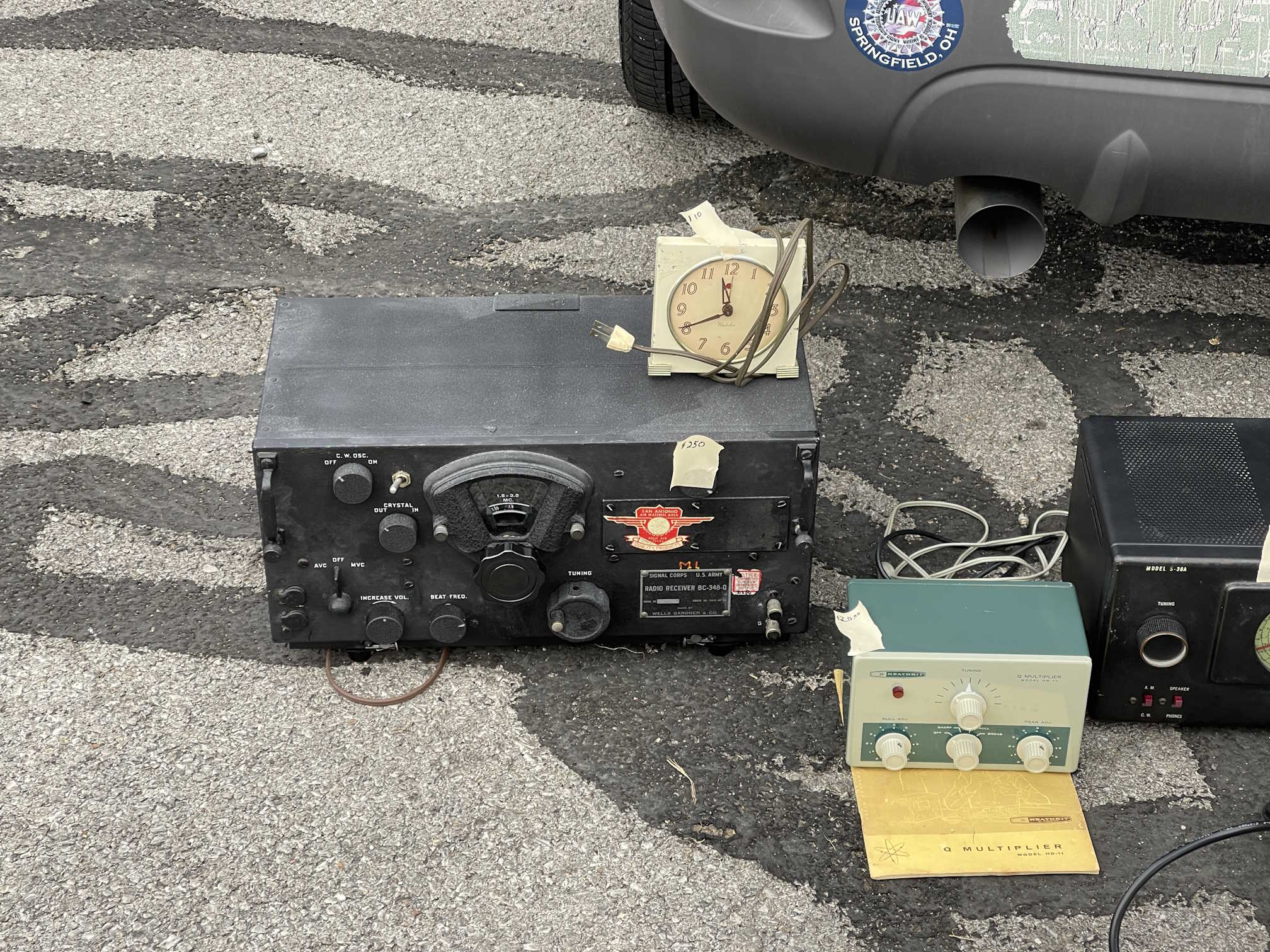
A neat old radio with a just-as-old clock on top.
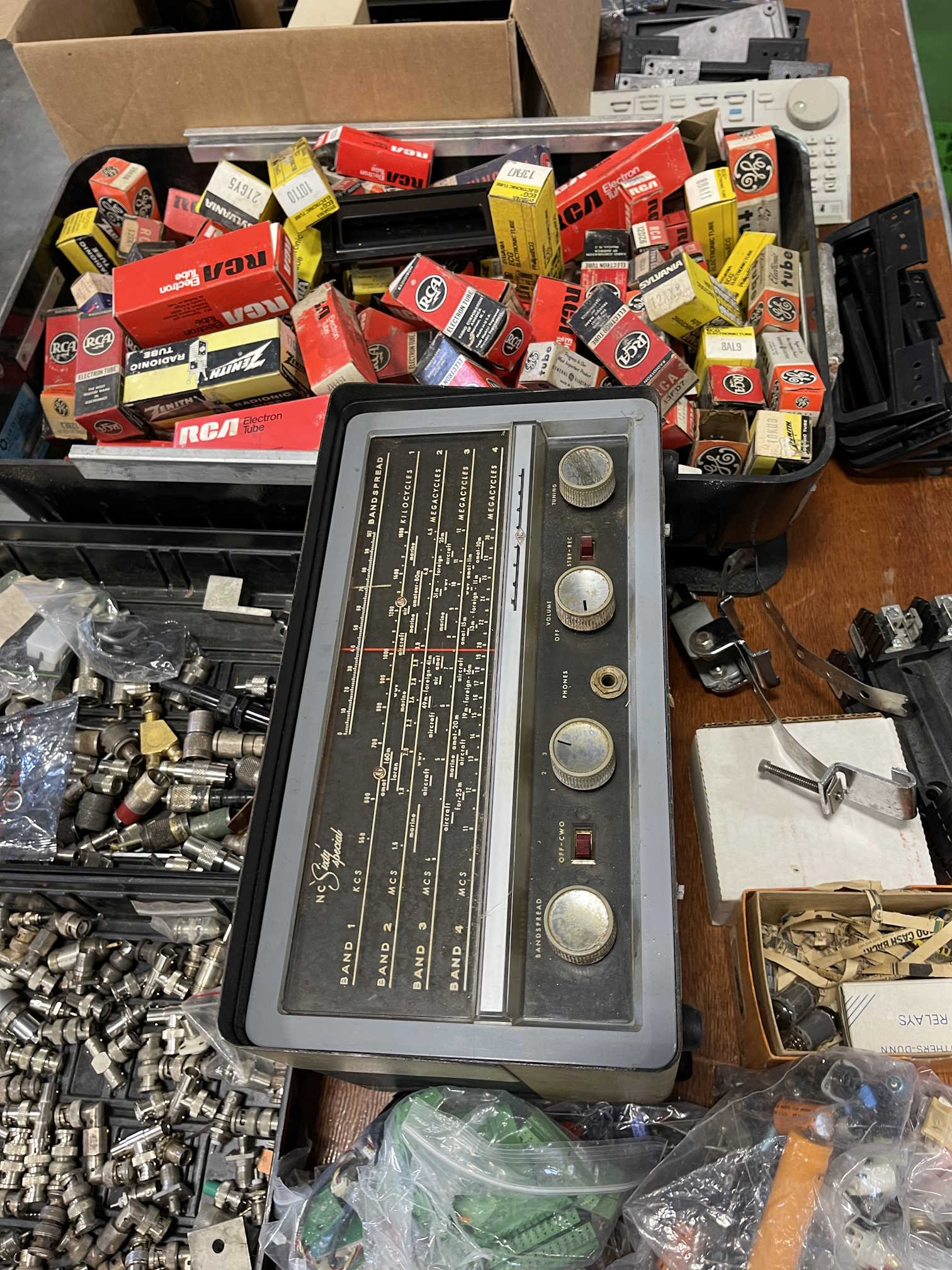
A random radio back down on a table of tubes.
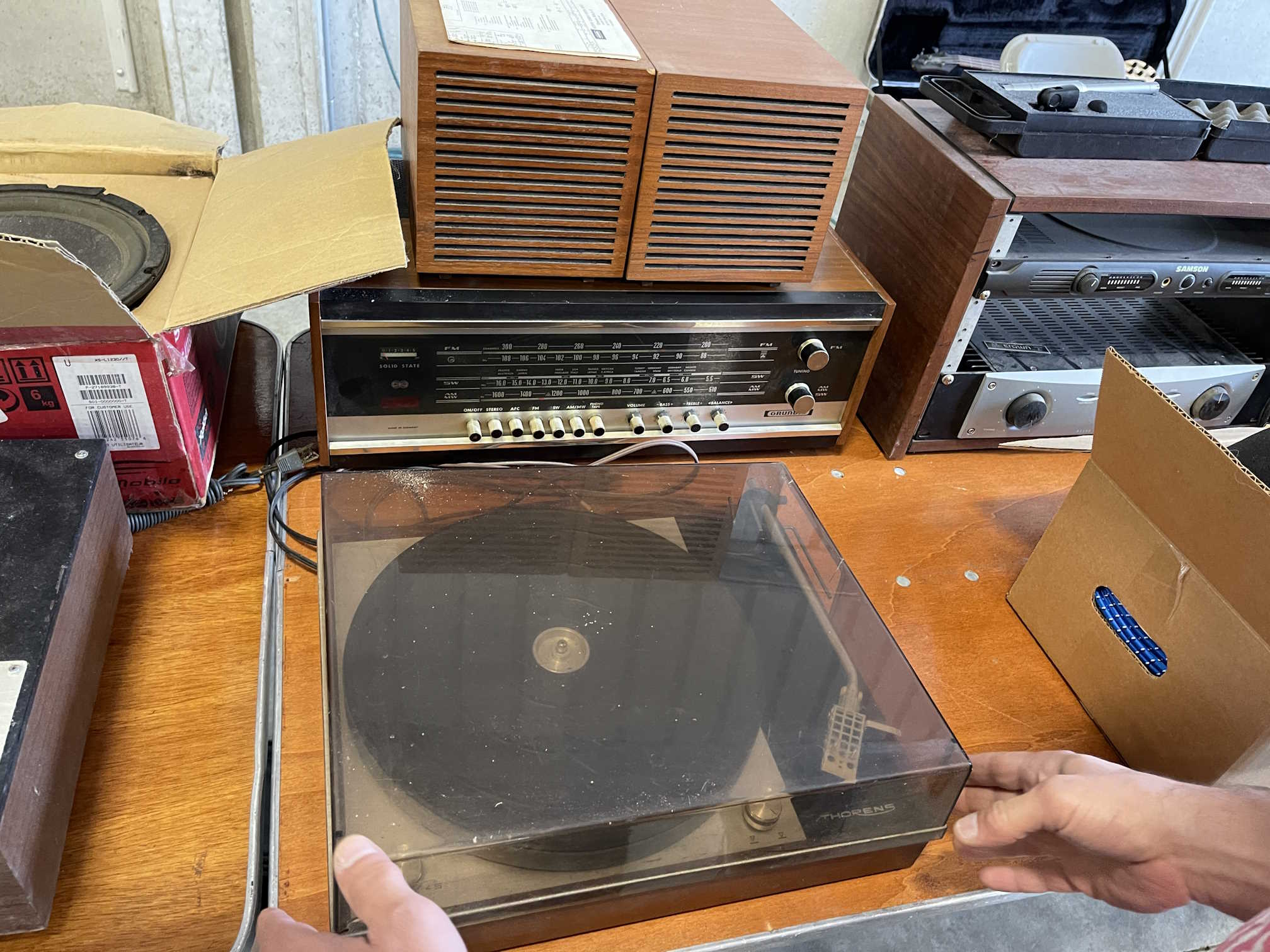
My fellow show-goer checks out a record player.
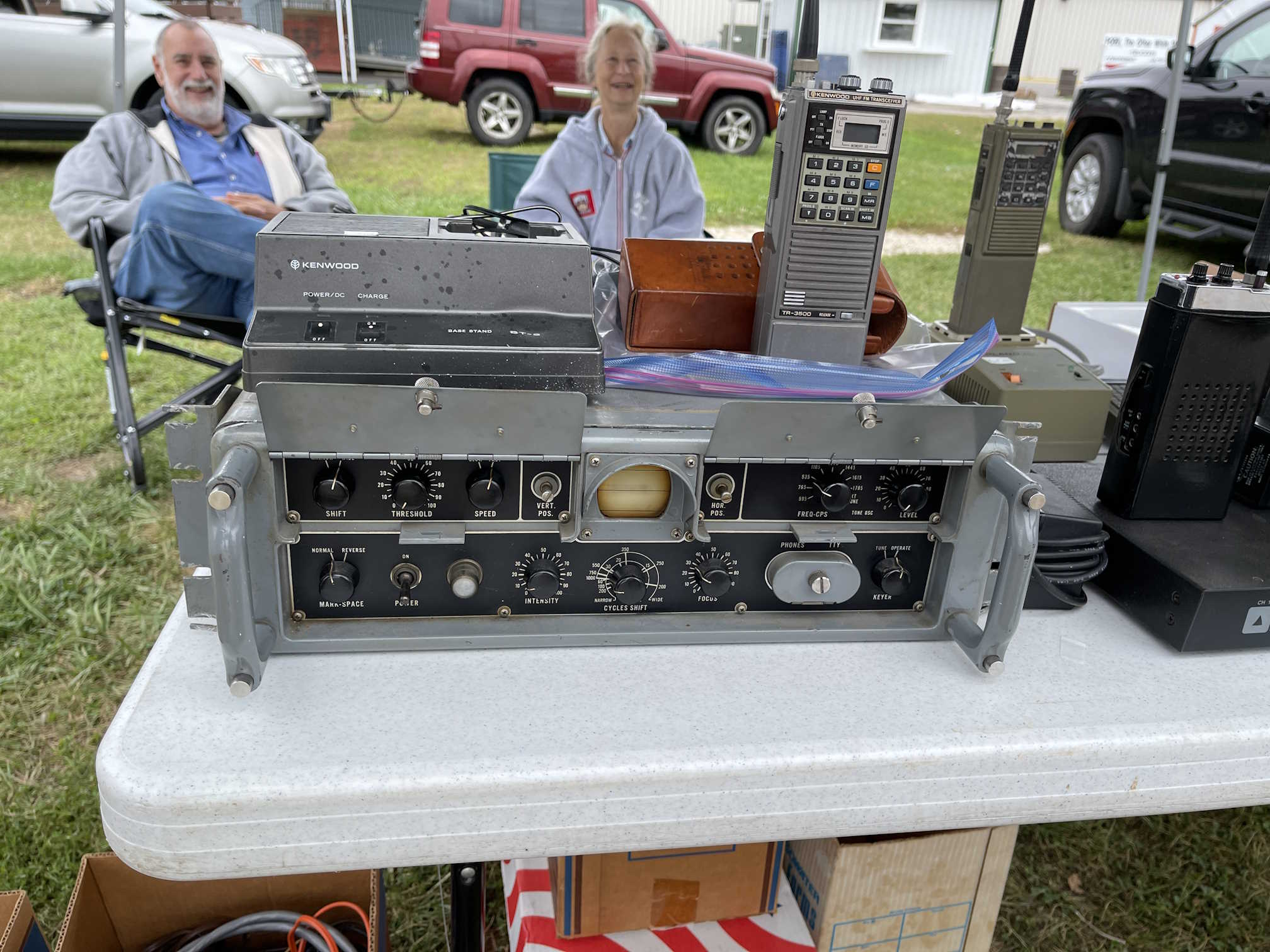
A piece of gear designed for RTTY service.
An old DuMont scope and a unique signal generator.
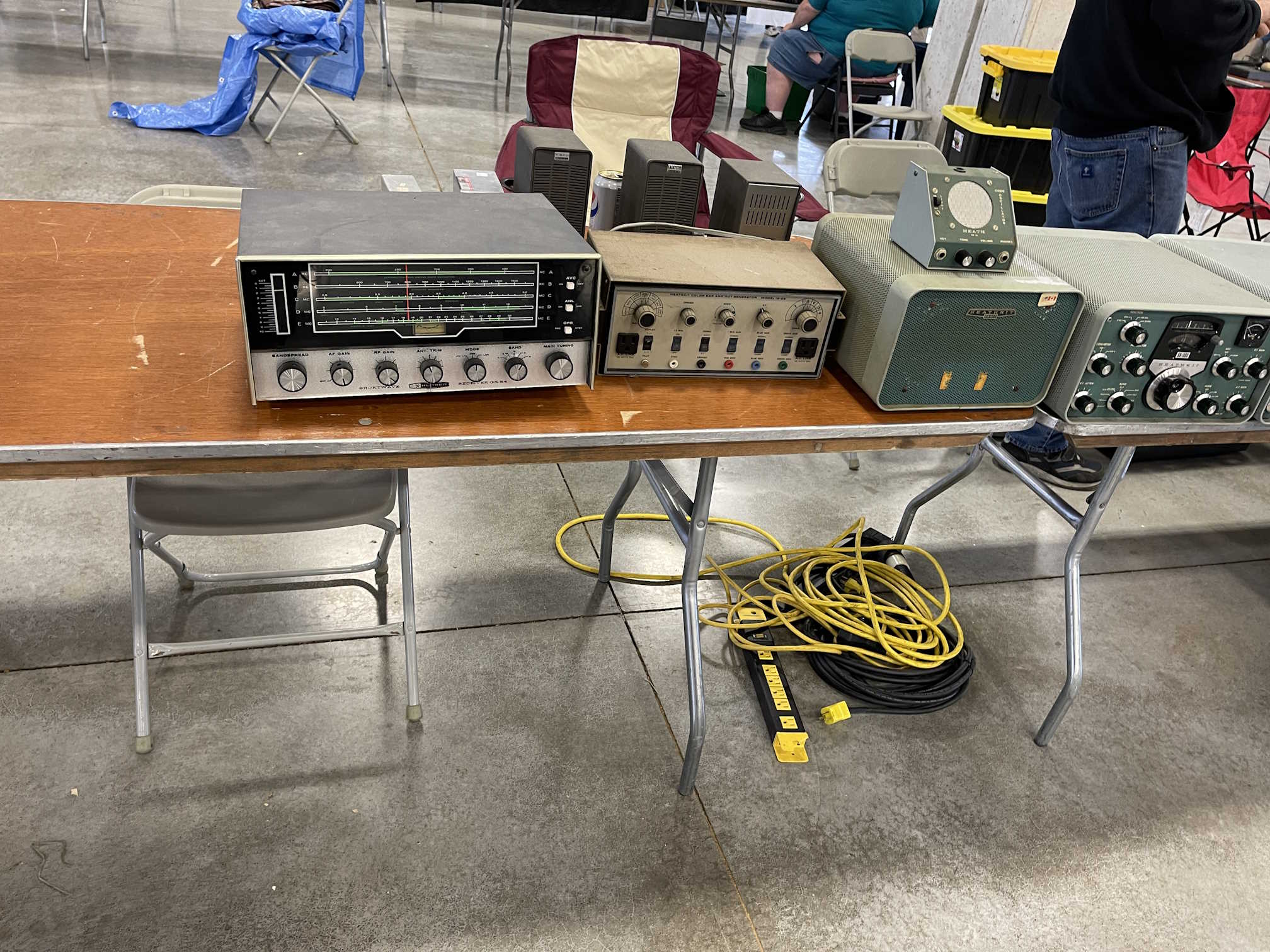
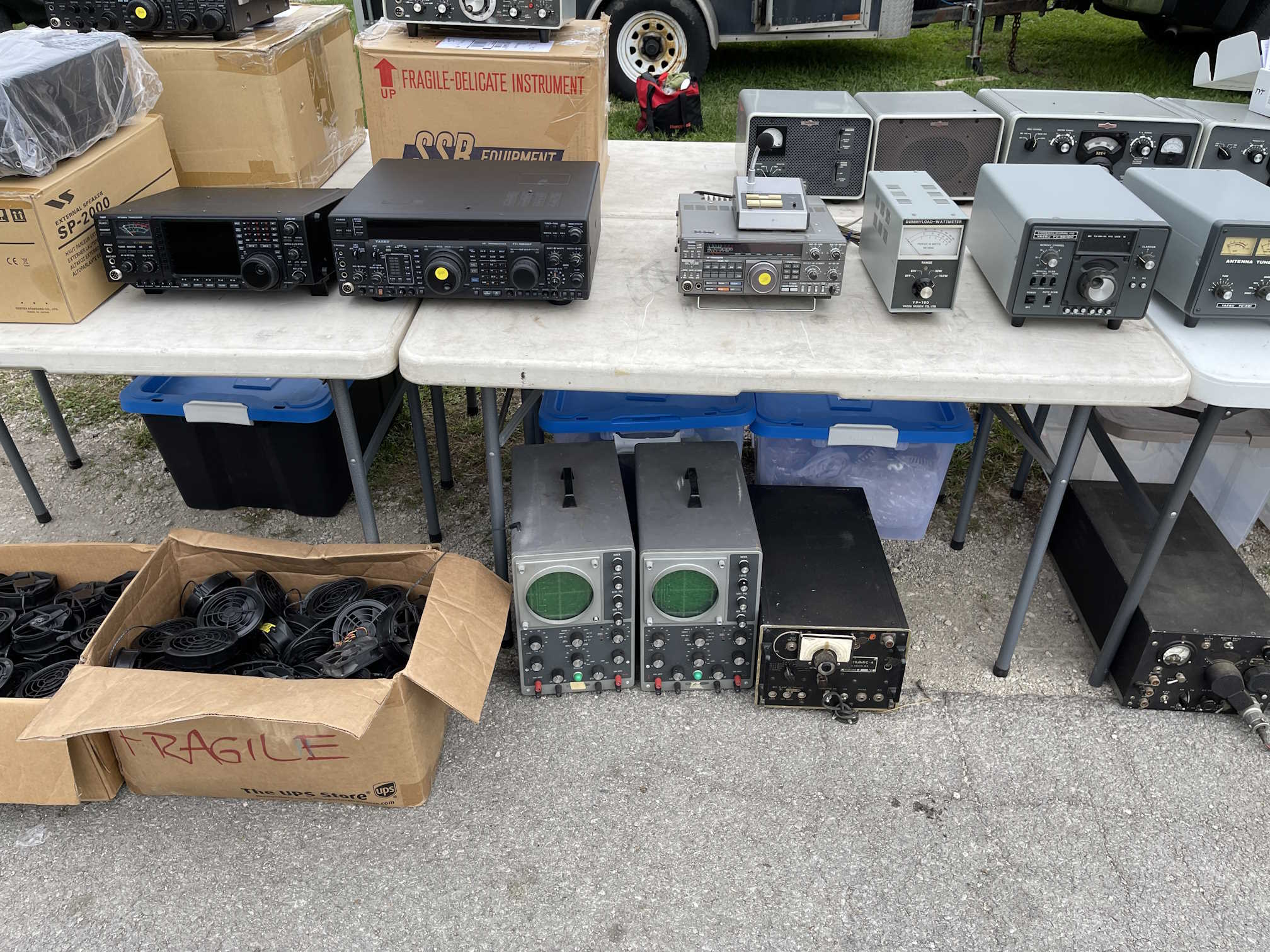
Heathkit scopes and 80s radios.
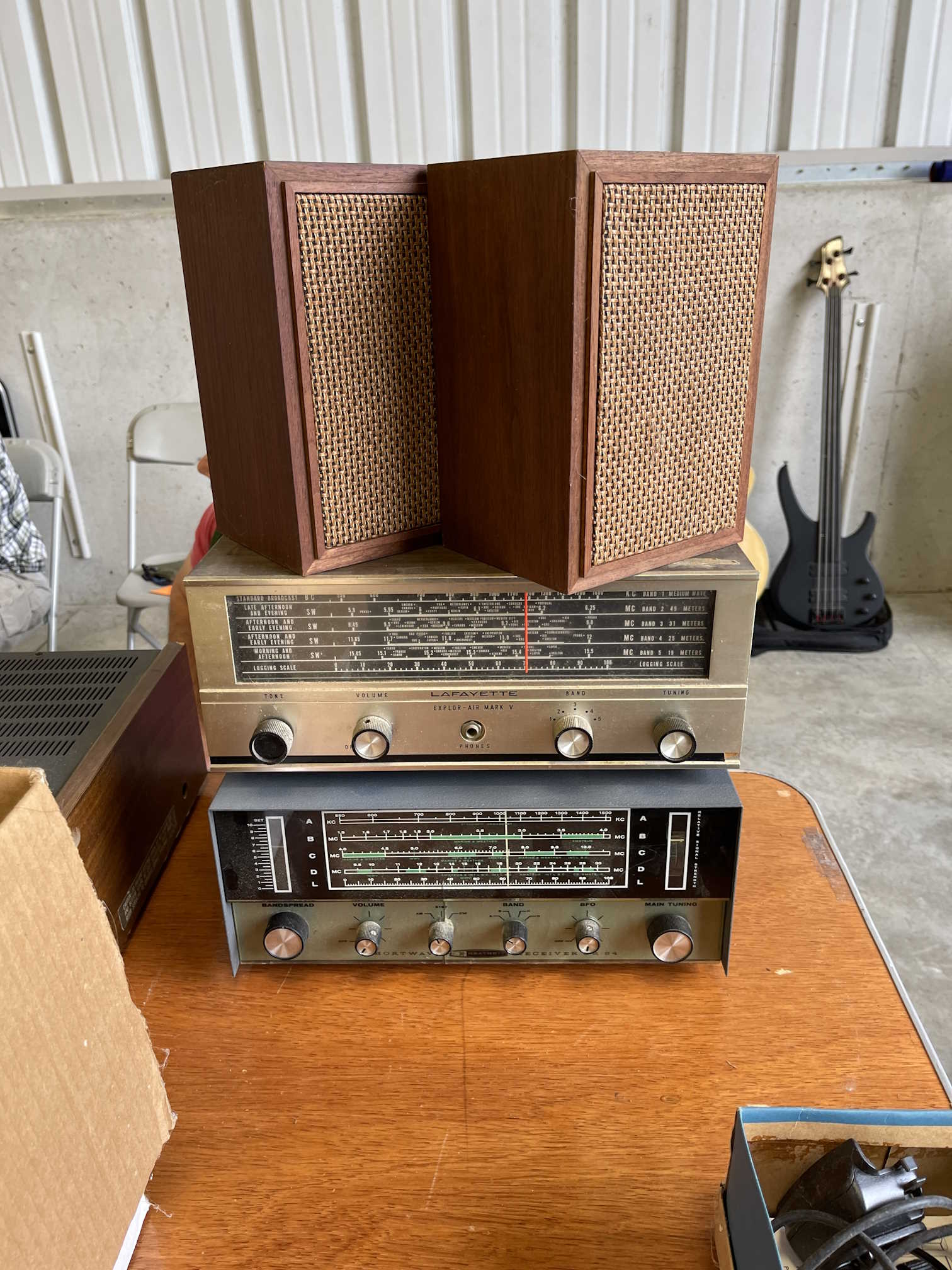
More shortwave radios.
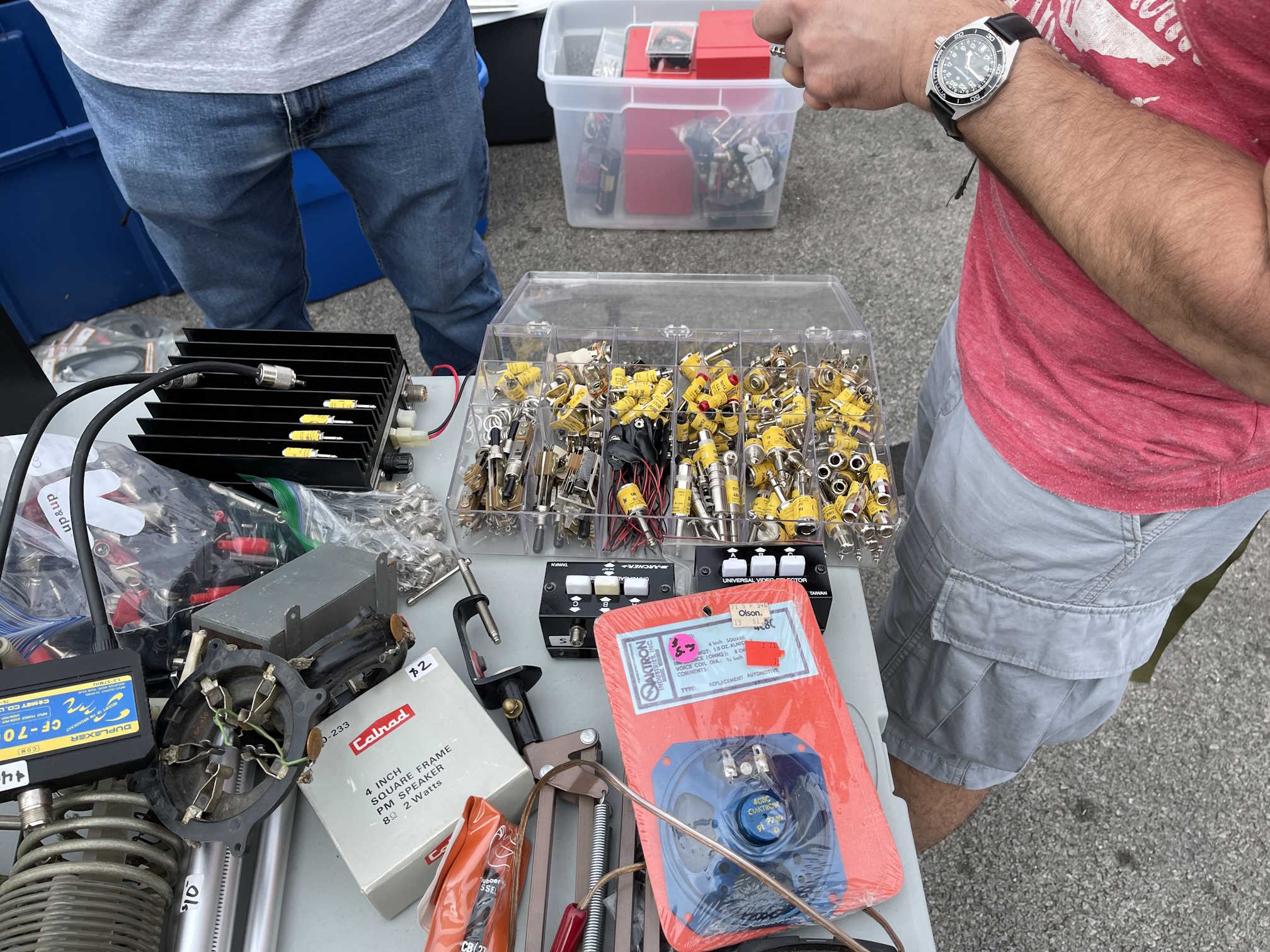
Lots of genuine switchcraft plugs.
This vendor was keeping the show grounds from blowing away.
I picked up a couple of cheap ($25ish) Supercapacitor UPS devices from AliExpress. I wasn’t sure what to expect from them, but they work surprisingly well. This is a true UPS, and stores enough power to shut your device down gracefully - not hold it up for hours.
I’m doing some testing and will post my results in a few weeks. Stay tuned!
Rain threatened but didn’t invade this year, so there was a decent number of vendors and some good stuff to see. Pictures from the show are coming soon, I’m processing them and hope to have them up next week.
I find myself bringing home less and less each year, as I’ve already accumulated as many boat anchors as I can handle, and I didn’t see the few I’d like to acquire at the show. I limited myself to some meters, some oddball parts, and a few collectible items that looked interesting. Nothing really special, just neat.
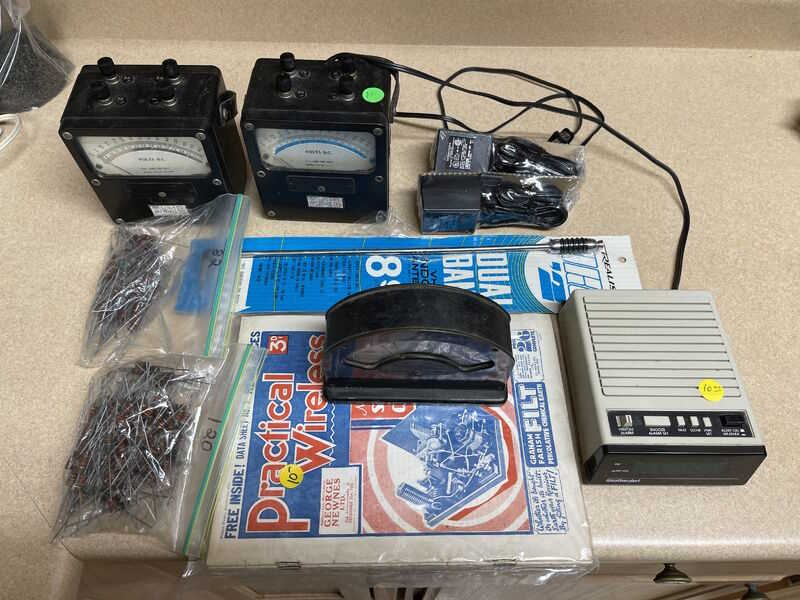
A couple of Weston meters, an antenna for a scanner, some carbon resistors, a weather radio clock, some wall warts that were 50 cents each, and a couple of old UK radio magazines. I’ll probably go back for more magazines, since that guy was local to my home area.
I usually don’t take any photos at this event, because it’s just a general flea market - but things of interest do show up there from time to time. While these items aren’t all related to electronics, I still found them interesting enough to snap a shot.
Someone found some a variety of late 1960s and early 1970s Skidoo snowmobiles and brought them for sale.
A “Mercedes Gazelle” built on a VW chassis. The Bug was a popular platform for modification and, at one point, you could make it look like just about anything you wanted.
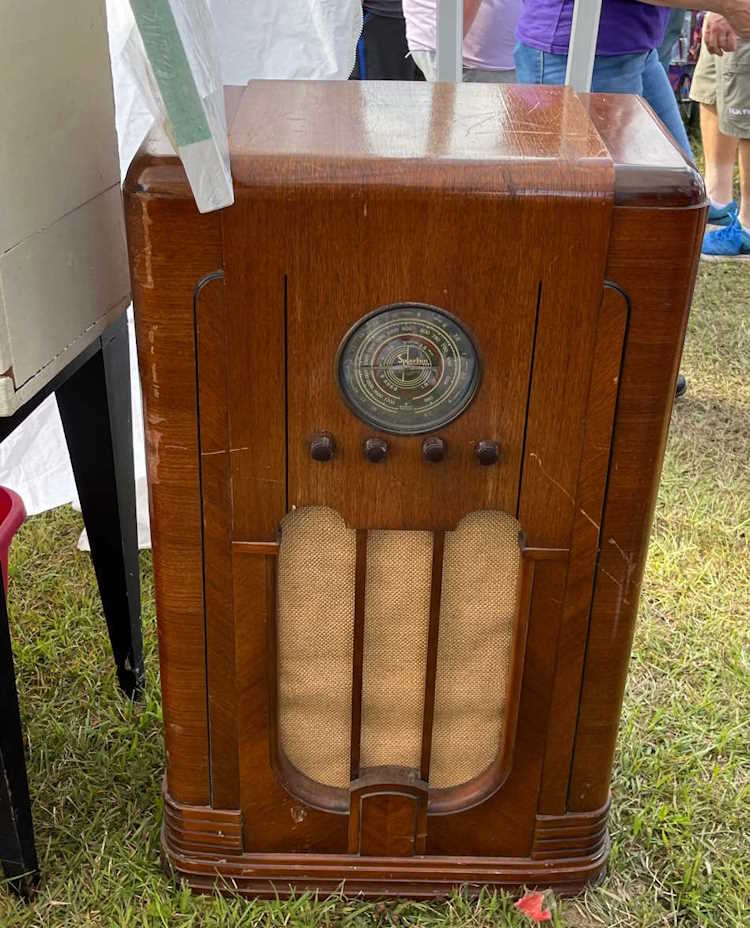
A nice Sparton 667 radio. Everything was present, and the chassis looked unmodified and clean. It had what appeared to be a number of gel electrolytics, so hopefully whomever brought this home doesn’t just plug it in.
]
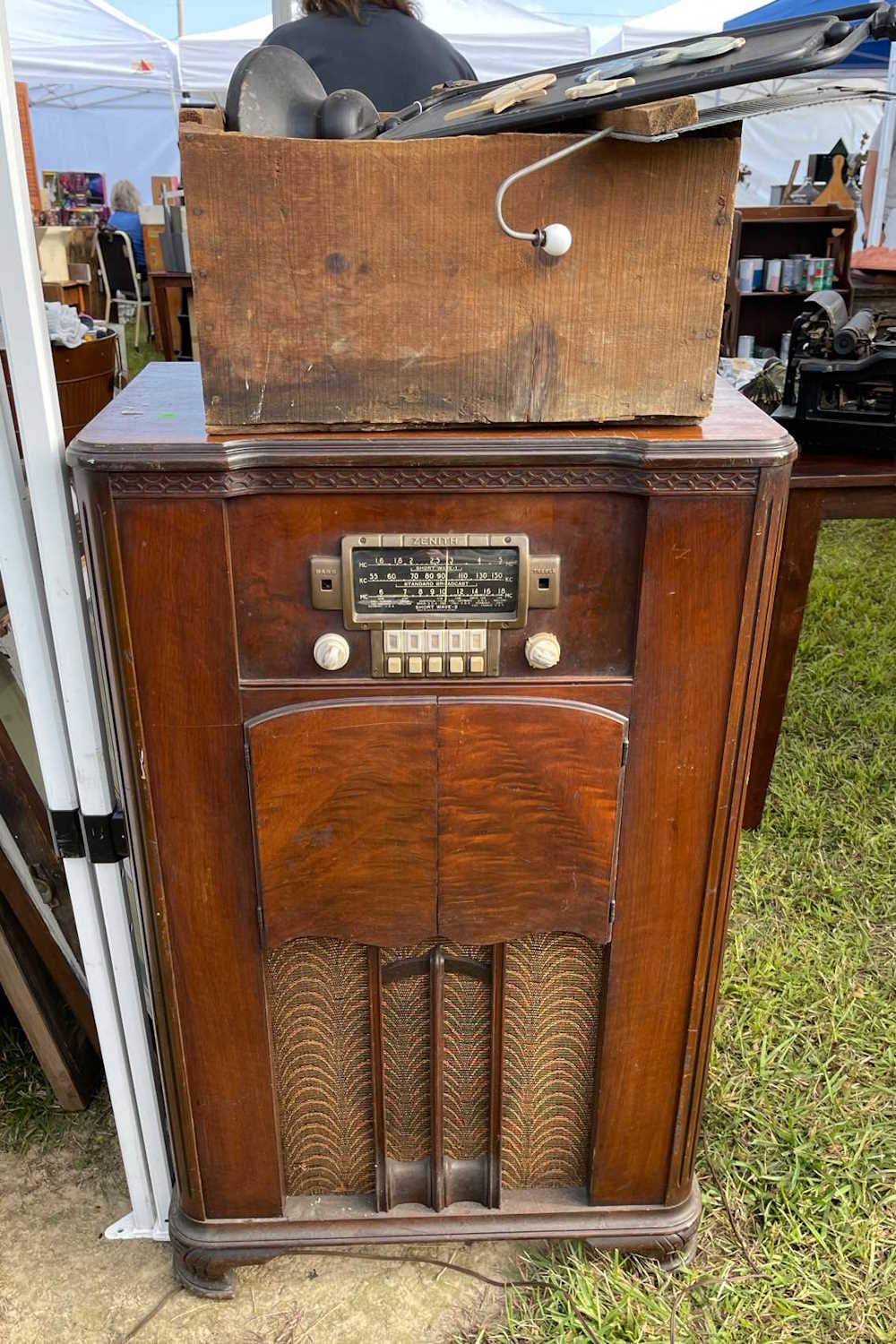
I didn’t get the model of this Zenith console, but the chassis was similarly clean and unmodified. The record player had been removed, however, but that’s not a terrible loss - chances are the stylus was long dead and unobtanium.
The rest of the trip was just your standard flea-market stuff, and I ended up going home with a small album of 78s and a few tools.