If you hit Projects recently, you may have noticed the site running slow or not responding.
I can’t be certain, but I think that had something to do with the comments. I decided to re-open them for a while with “hold for approval” selected and some basic keyword filtering to reduce the adult spam. That immediately gained me a list of spam in Cyrillic that, when translated, was more-or-less meaningless, as well as the expected adult website spam. But site performance also started to suffer with random timeouts, poor image retrieval, and just overall slow times. The host’s site tools would similarly time out.
Commenting on boards such as mine is highly weaponized. I expected nothing - and got it. Comments closed, some code was modified to remove the ability to get into the comment form or feed, and that was that.
But, site performance came back pretty much within an hour or two of doing that.
What did I find?
After the two brain cells I have left managed to connect “Site performance better” + “Right after comments closed” = 4, I pulled the logs for the last few weeks. I found what I was looking for:
14.184.185.155 - - [18/Mar/2026:06:02:01 -0400] "GET /projects/index.php/2026/01/15/the-sabtronics-2010a-dvm-part-1-checkout-and-observations/comments/ HTTP/1.1" 200 5646 "-" "Mozilla/5.0 (Macintosh; Intel Mac OS X 10_12_6) AppleWebKit/537.36 (KHTML, like Gecko) Chrome/101.0.4951.64 Safari/537.36"
Just page after page after page of bots like Claude, SEMrush, Petalbot, and countries like Egypt, Viet Nam, China, and Germany slamming the site trying to retrieve the comments feeds on both the production and (now turned off) dev site I was using to test new themes. Once I turned that feed off and removed the dev site, a few more 404s and then the storm was gone.
Analysis and thoughts on the spammers and slammers.
You’ll notice some familiar names in there. Claude, is of course, Anthropic’s AI bot, and it was a very bad actor. I’m considering blocking this one via IP and name just because they are hard on things. SEMRush is SEO, so someone is indexing my site with that. I saw Huawei’s bot, Meta’s bot, ByteDance’s bot, and others, all slamming to get those comments. Same posts, over and over and over. I haven’t even located the comment posters yet, there’s so much noise.
The minute they (comments) were gone, it stopped and performance was back. Would that have eventually slowed as these bots finally filled their need for new URL indexing, or would they have assumed that a comments feed might get comments so it needs to be checked over and over? I have no idea, but regardless of that, comments were not useful on this page and they are gone. Because of the way this blogging platform works, you’ll see “🐗❤️” instead, which just takes you to the post in the main feed, or the top of the post when viewing a single post.
As always, if you’d like to comment on something, please use either Mastodon or the Telegram feeds: Channel Feed and Chat Channel - anyone can join the feed, it generally follows here but I do post one-off shots of things I’m working with or find interesting. The chat feed is by approval, but I generally won’t disapprove unless the person is spamming.
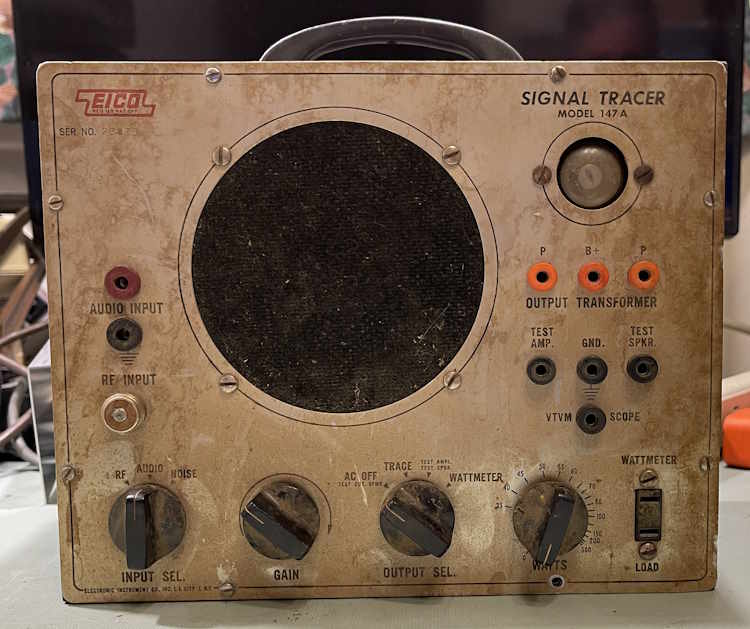
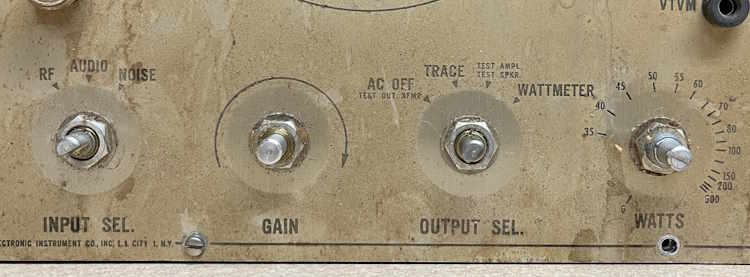
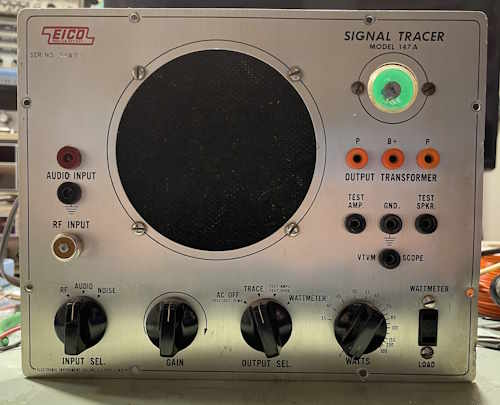
This is the second EICO 147A chassis that I purchased from the Early Television Museum - this one was considerably more dirty than the first, and looked to have had coffee spilled on it at some point. The initial analysis after acquisition is posted here if you’d like to read it.
The second chassis was very dirty on the outside. The front was covered with caked-on dirt, as was the case.
I was concerned that this was a smoker’s choice, but it looks like the dirt is just dirt. The space underneath the knobs was clean.
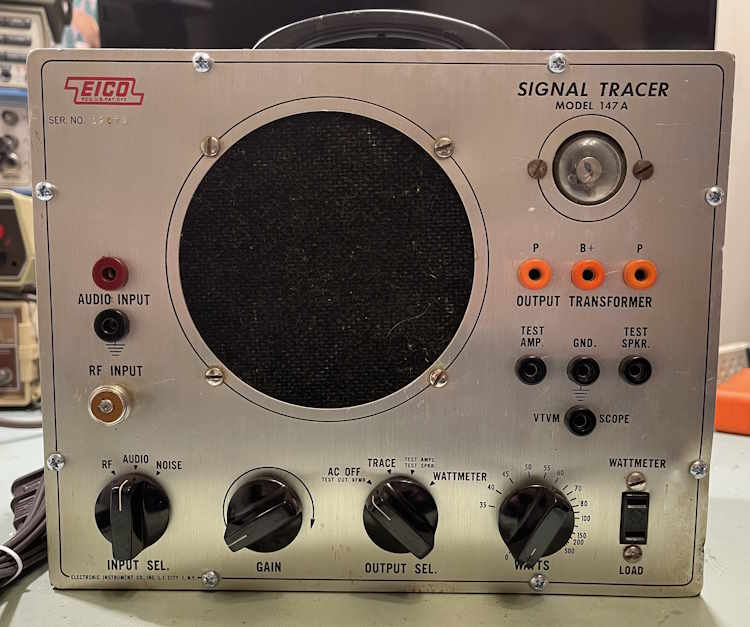
The front cleaned up well with 409, as did the case itself. I got a weird hit of old coffee while scrubbing the case itself…
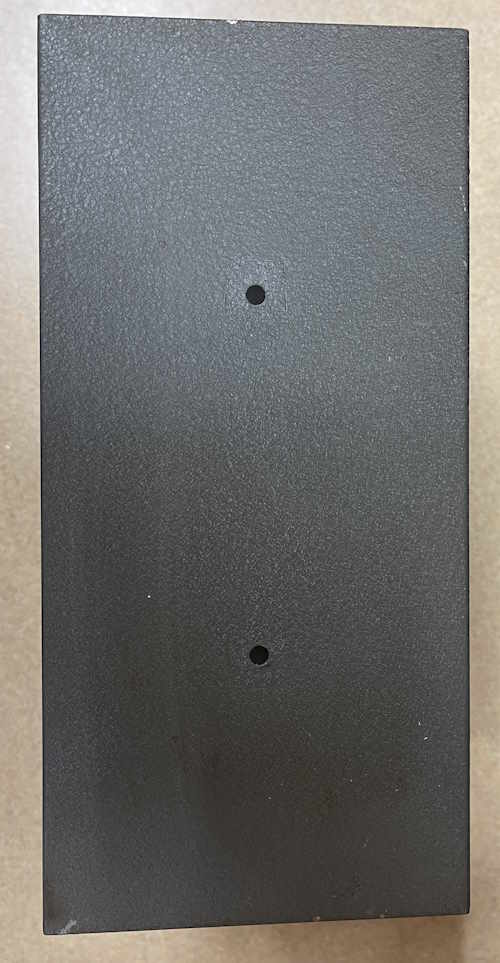
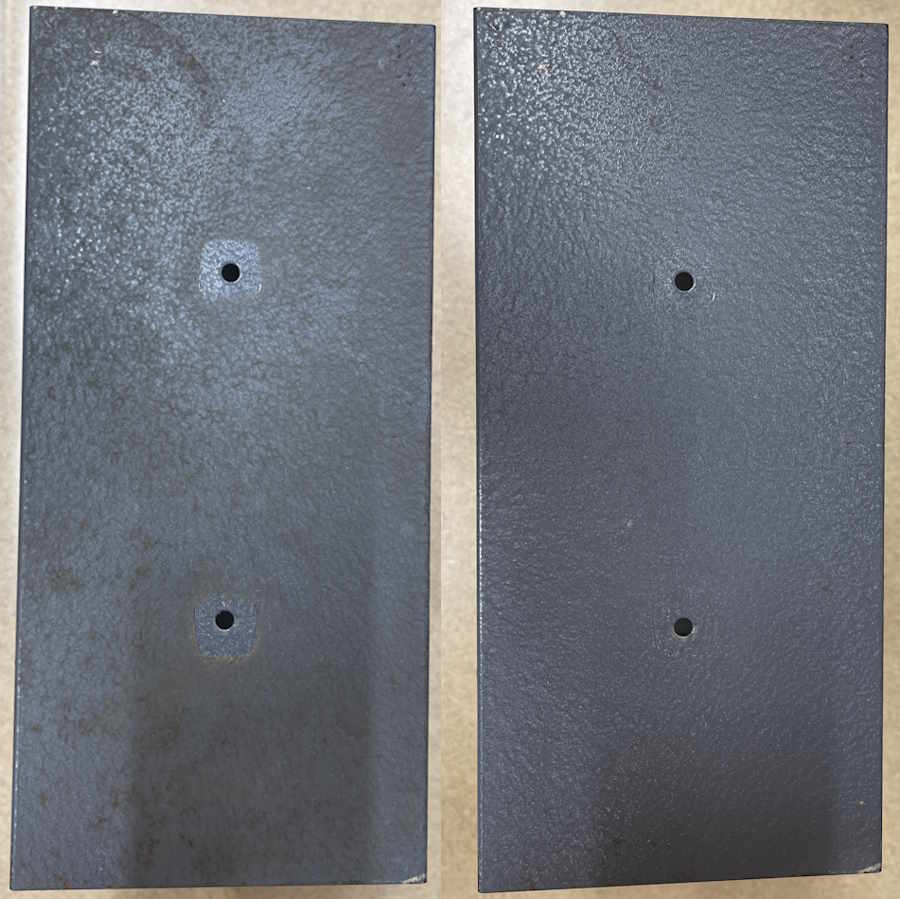
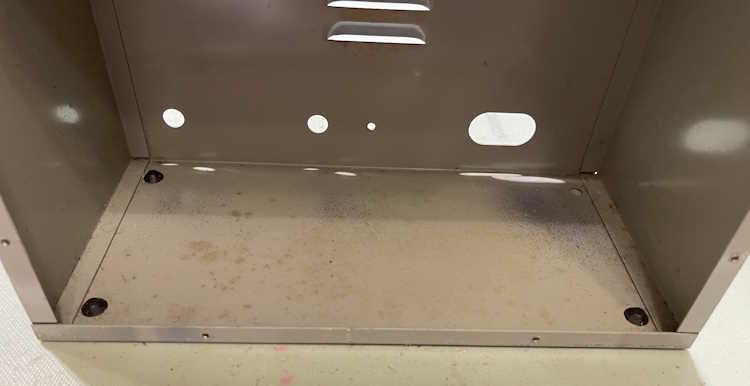
It was mostly a matter of just some time and elbow grease. This one has certainly seen some use, some of the front panel sides are chewed up, and the bottom of the case has some rust where the paint was torn off.
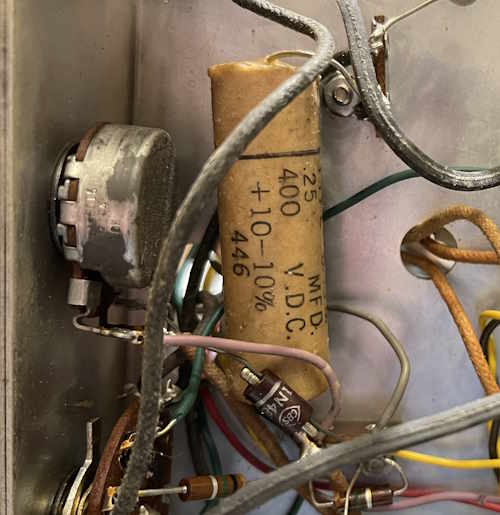
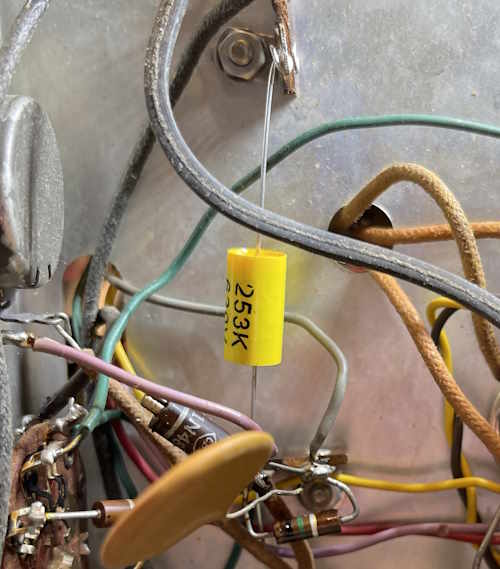
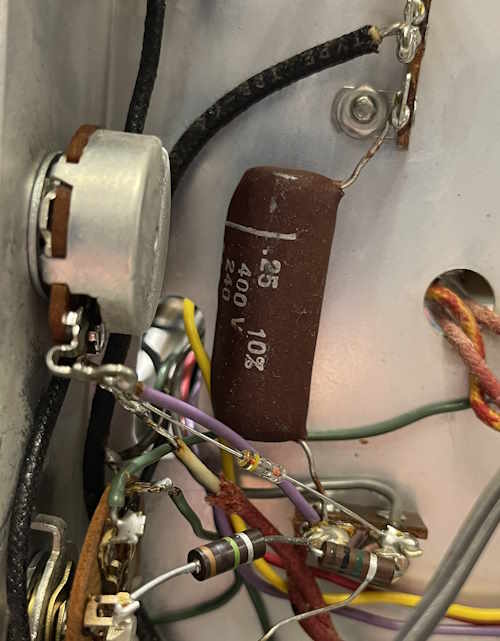
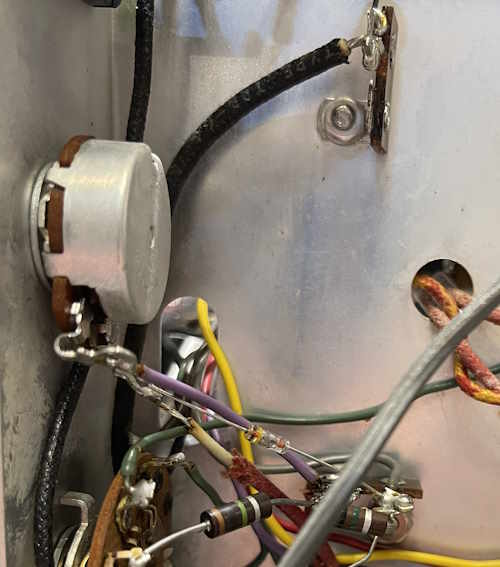
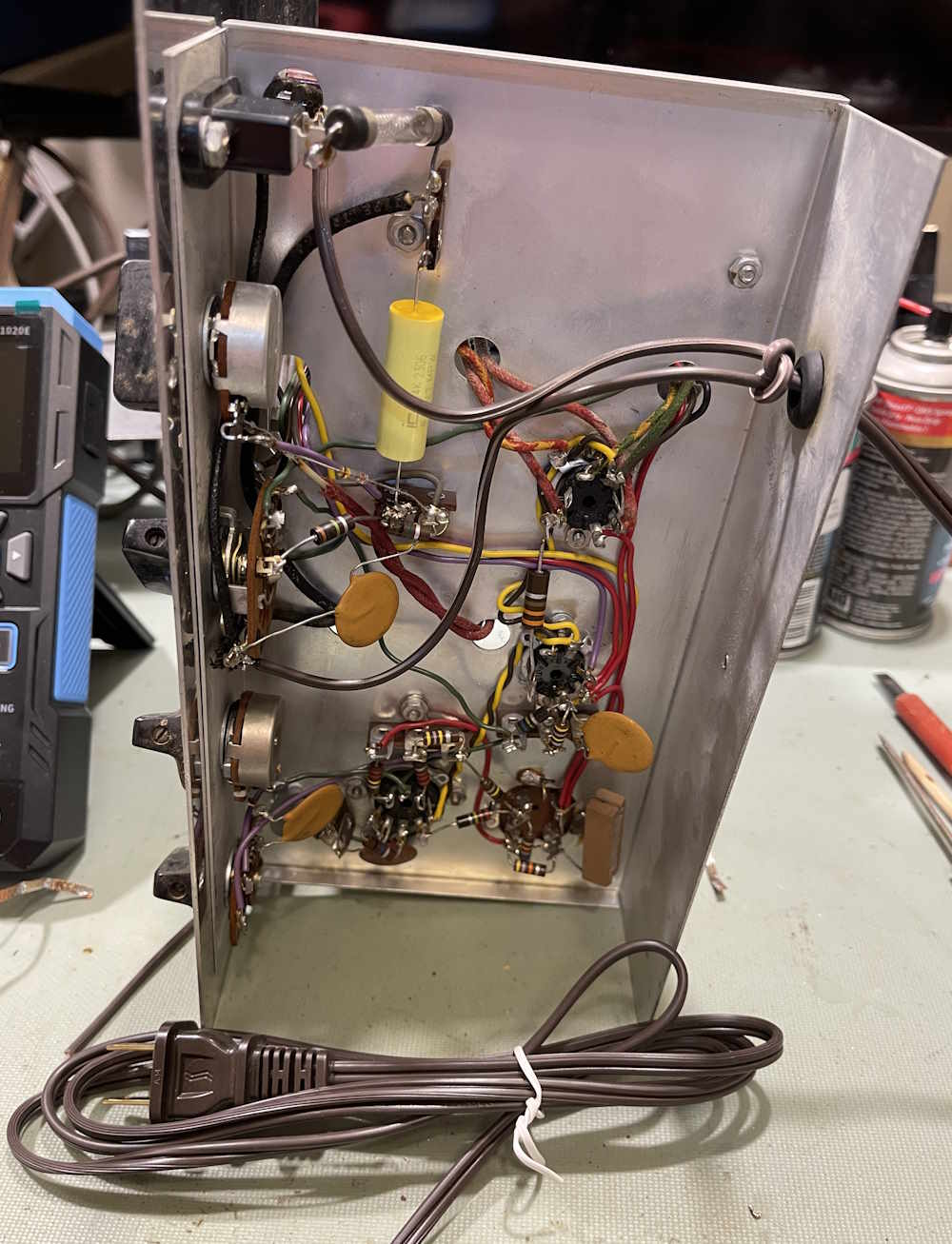
This one is much worse inside than the other, and looks to have been assembled by an inexperienced builder. But, it still needs the same part as the first chassis…
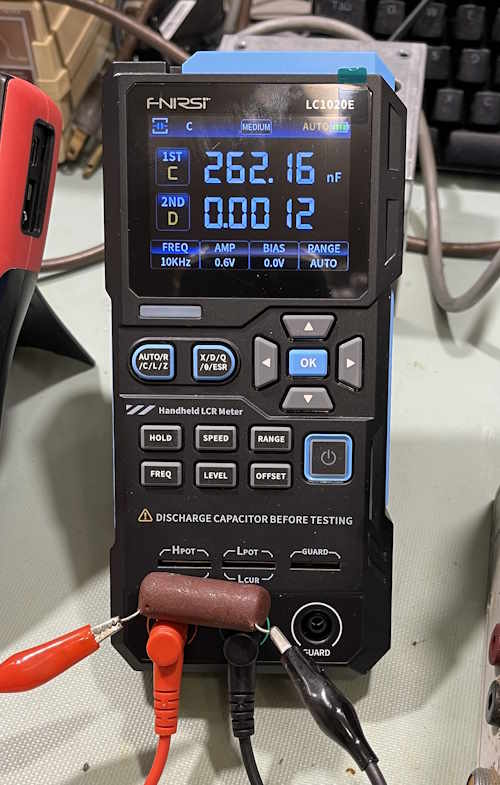
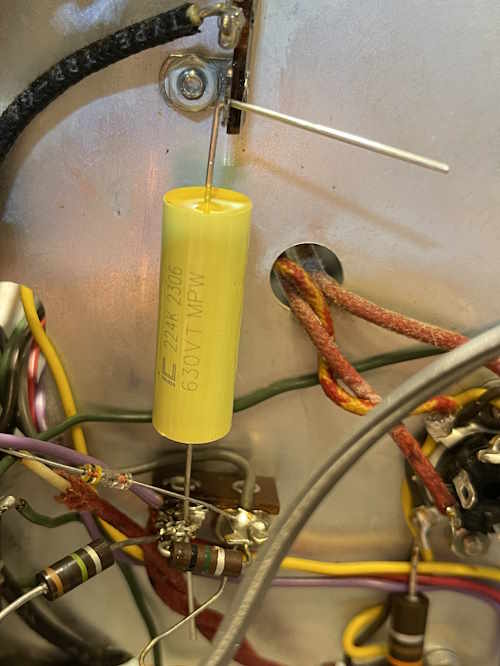
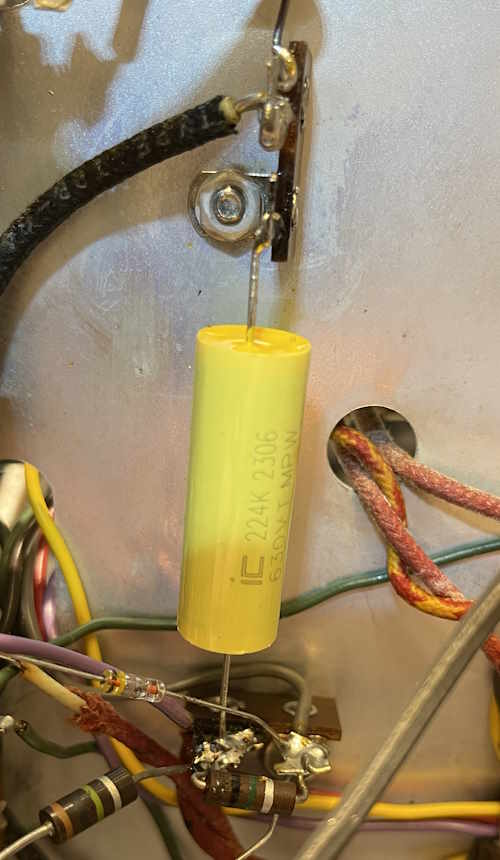
This one is most certainly wax paper. It tested fine, but it’s still getting replaced. A new film capacitor was installed in it’s place.
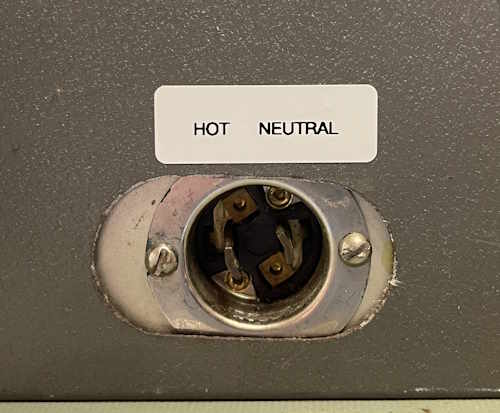
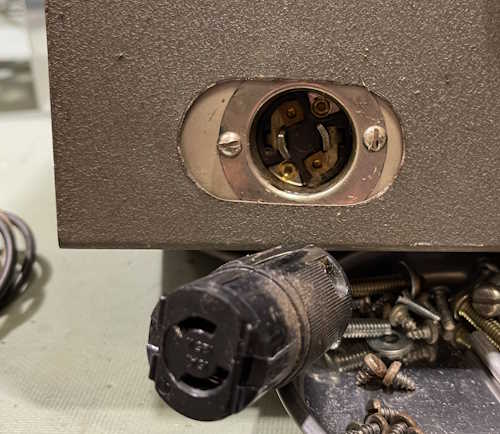
This unit has a mod on back where a previous owner put a mini twist-lock plug on it. I replaced the cord on the socket end, and it’s polarized…but the plug in the unit itself is not. You can push the socket on any direction, so a label was applied to let the operator know that the socket needs to be attached in a certain direction:
Does it work? There was really no reason it should not work because it did before I started, but yes. Everything is now operational.
This one may eventually end up for sale, as I don’t need three of these devices. Who knows? (I think it’s going into work with me as a useable display piece.)
The Superior Instruments Co. Model 76 is currently on the bench for a rebuild, and the Cuyahoga Falls Hamfest is coming up soon. Stay tuned!
Recently, I tore down an Ikea Inspelning smart plug in order to see if it was able to be modified to be always on. It was, and you can find that teardown and analysis here.
Well, for some reason, Ikea decided to abandon the tested and working ZigBee protocol plugs and go to a Matter-based mess. Why? I have no idea save that it could potentially allow them to put devices on WiFi later - or perhaps they just jumped on the latest Thing like many companies do without any soul-searching as to if this is a good idea.
Regardless, the new Grillplats (Grilling Place, or some area where you have an outdoor grill for cooking) has arrived and is for sale at stores. If this is like any other Ikea devices of this nature, they will sell out immediately.
What’s in the Grillplats box
(All of my experiences are coming from using Home Assistant. YMMV here.)
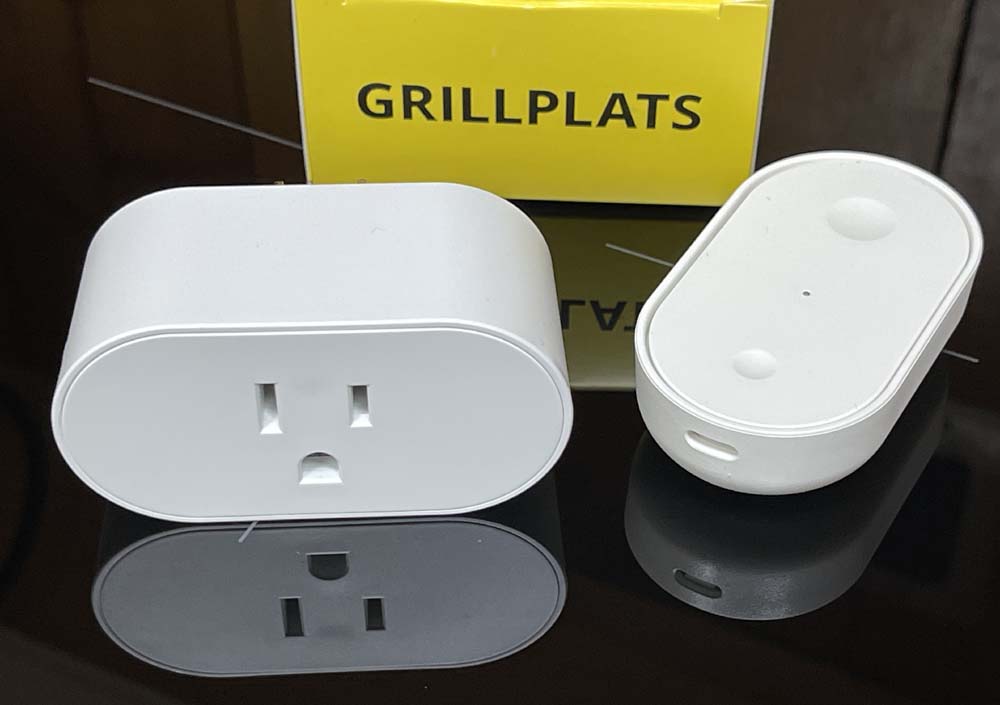
The plug comes in the standard white box with a yellow top listing the name. Inside, you get both a plug and one of the new Matter-enabled Billresa (road trip) buttons. The button features two separate buttons that can be detected as single push, double push, or long push. Sometimes. Home Assistant doesn’t seem to be able to reliably keep one of these active without pinging it at times, or doing a song and dance to make it work again. That’s not the point of this article, however.
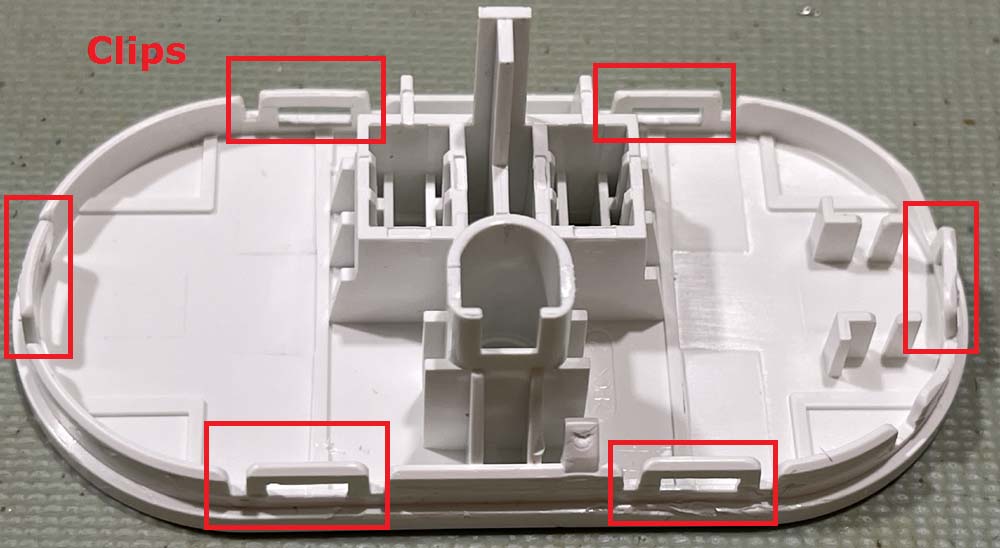
The new device is not as wide as the older Inspelning, and has a white face instead of the gray face. This one tears apart much like it’s older brother - there are six clips around the outside of the device. Two on top, two on bottom, and one on either side. You’ll need something like an iOpener to pry the unit open and pop the clips. Note that because the top panel isn’t as wide, it’s less flexible and doesn’t want to pop as well as the older one. Be gentle here, I mangled a side clip when tearing apart.
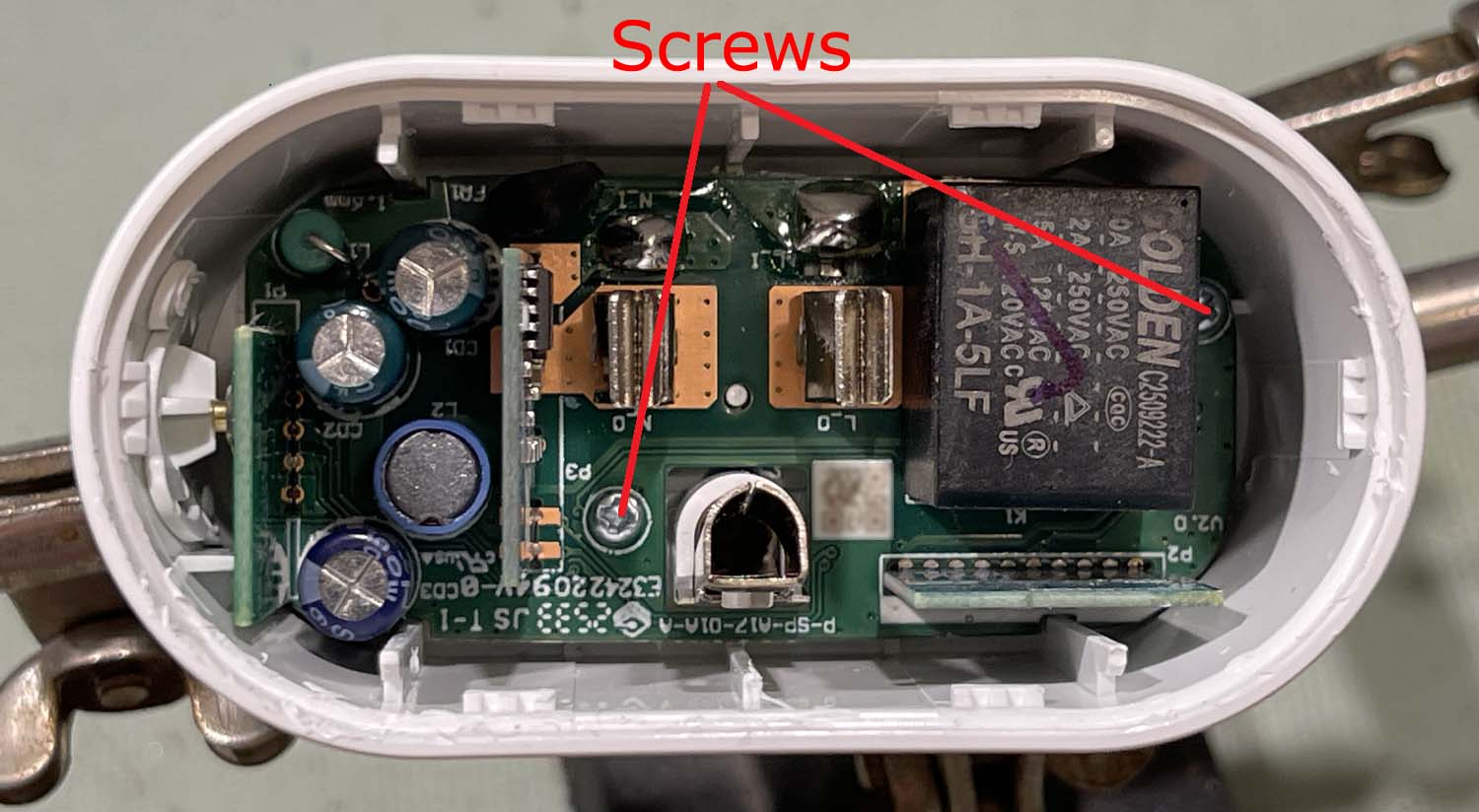
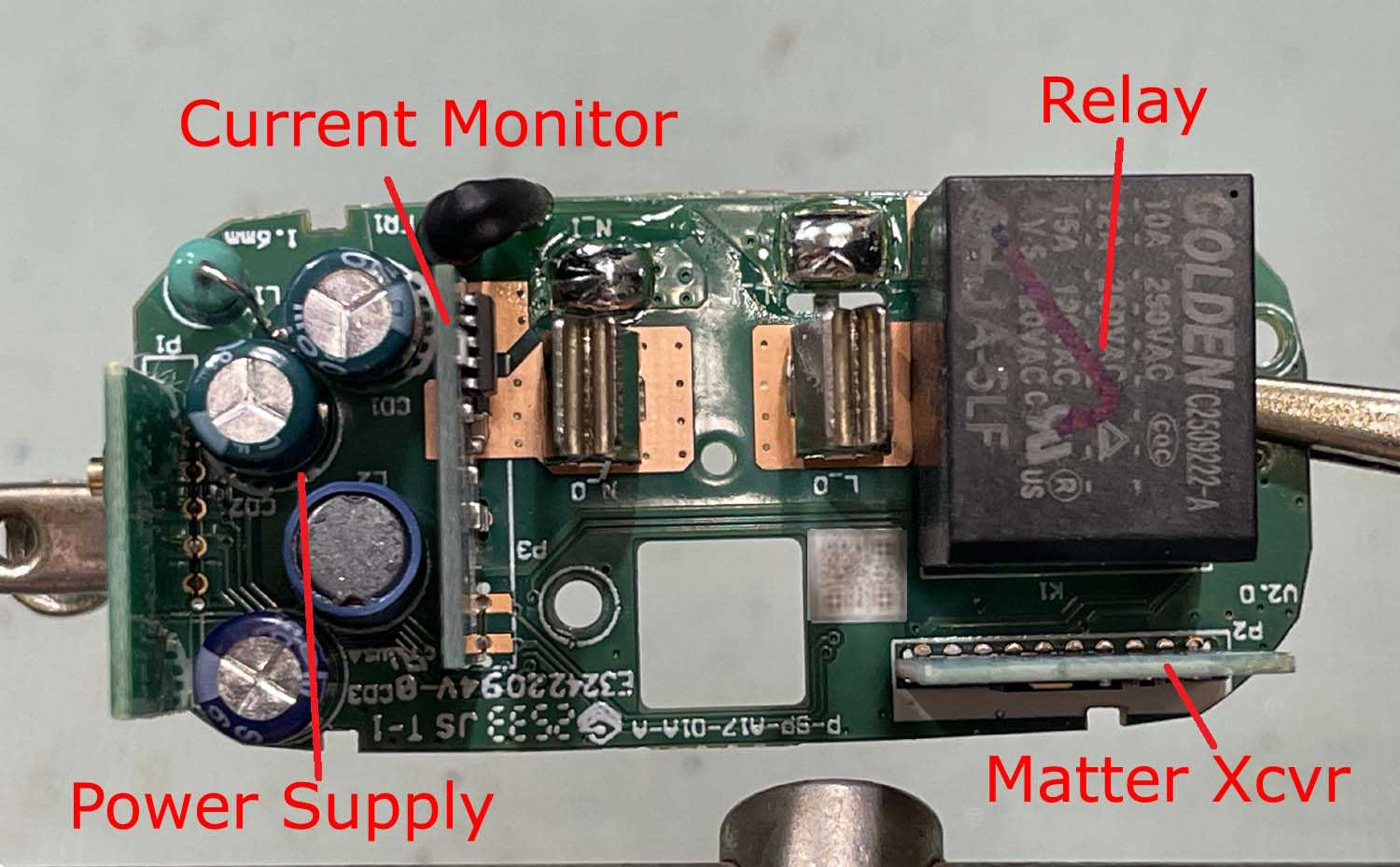
The board itself looks like a more compact and kind of janky version of the previous model. It’s very similar, save that components are packed tighter. Two screws hold the board into the case:
To remove the board, remove these two screws then gently press the assembly down on a hard surface. The board should slide up, then you and remove it by gently pulling on something. I usually use the combination of the “L” socket and the relay as a gripping point. The board assembly just lifts out at this point, and the safety ground plug will come out as it’s not attached to anything.
Most things in here seem to be similar to the previous gen. Power supply is a bit more compact, but they’ve put the dropping resistor in the corner away from the capacitors. Any heat generated, assuming your outlets have the ground on the bottom, will rise up away from the capactors. They’ll still dry out and fail, of course, seeing as they’re the cheapest you can get. Other than that, you have the power monitoring board, a new Matter transceiver, and a cheap as chips relay. I didn’t try it, but I suspect you could lift the Matter board and put it in one of the older devices.
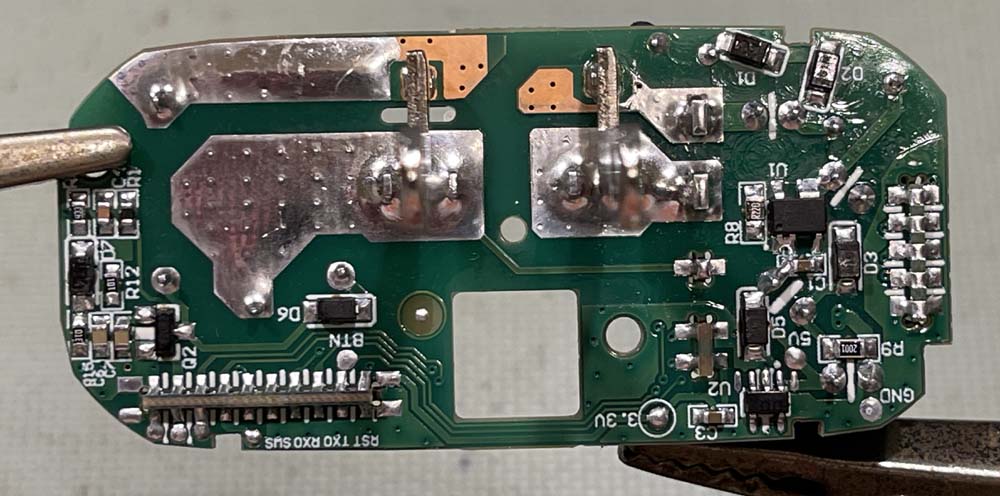
The back is similar to the older unit as well, with two big pads where the AC rides in the unit. This one can be easily modified to make an always on device as well.
As before, if you are tearing these down and working with them, you need to remember that there are potentially lethal voltages in here. This can kill you and cause property damage. This information is provided simply so you know what’s inside of the device without tearing it apart, anything else is on you. If you don’t know what you’re doing - don’t do it!
Putting it back together is, of course, the opposite of disassembly. Push the board back in, replace the screws, replace the ground plug, and pop the top back on.
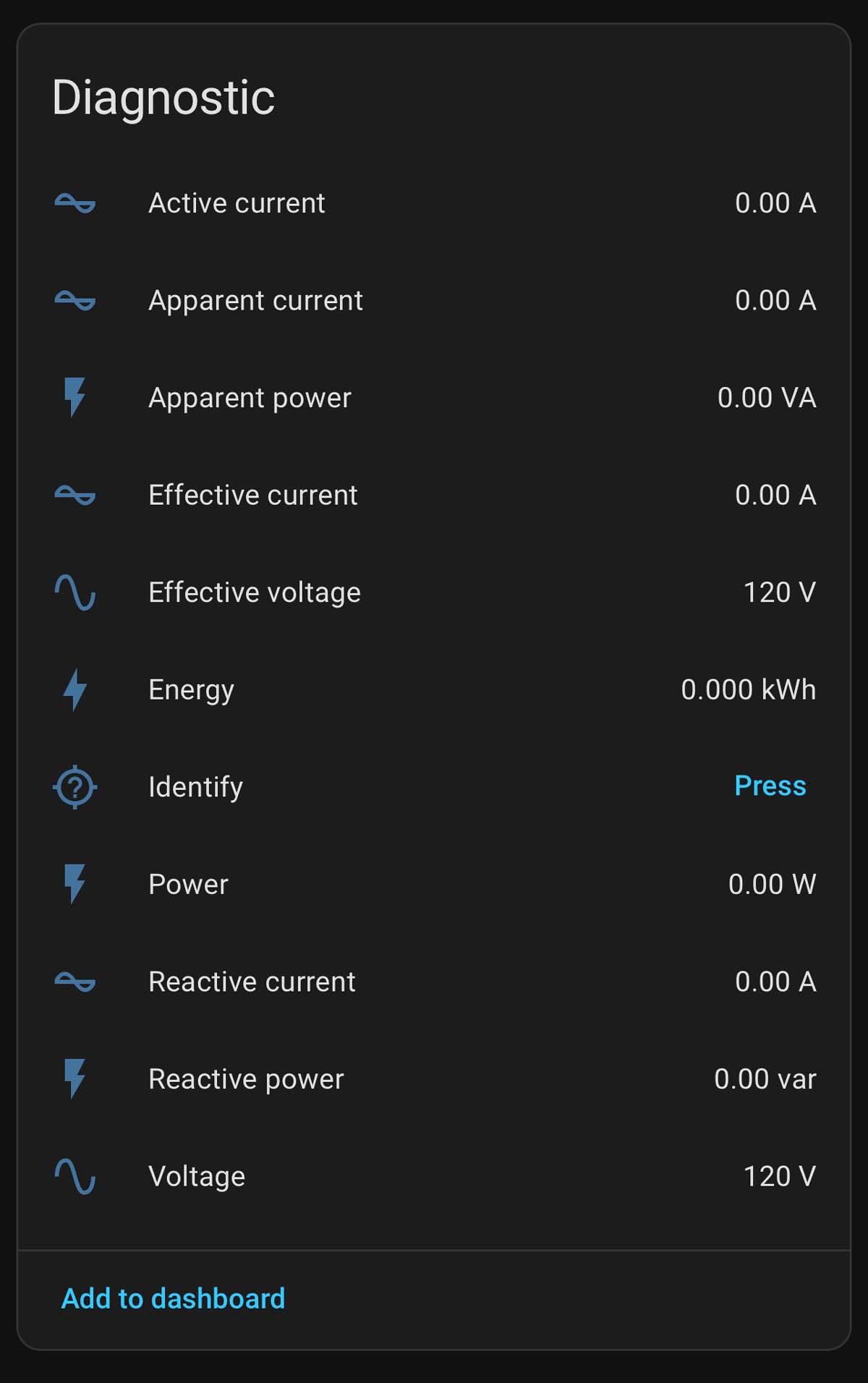
The unit itself reports a lot more than the last one:
Conclusions regarding the Ikea Grillplats plug
This seems to be a worthy counterpart to the previous unit, even if Matter seems to be a bit more janky when dealing with Home Assistant. It can be modified to provide always-on current monitoring. Will it last? Time will tell.
If you want to follow what’s going on here, there’s now a telegram channel. It will generally follow the blog, with perhaps a few more messages about events here and there, as well as pictures of things I see while out and about that could be of interest to the channel but don’t warrant a full post.
Check it out: https://t.me/wereboarprojects. You will, of course, need Telegram but you can preview the feed without joining.
There’s also a chat channel: https://t.me/wereboar_projects_chat - it’s open to all but new members must be approved. This is just to prevent spambots.
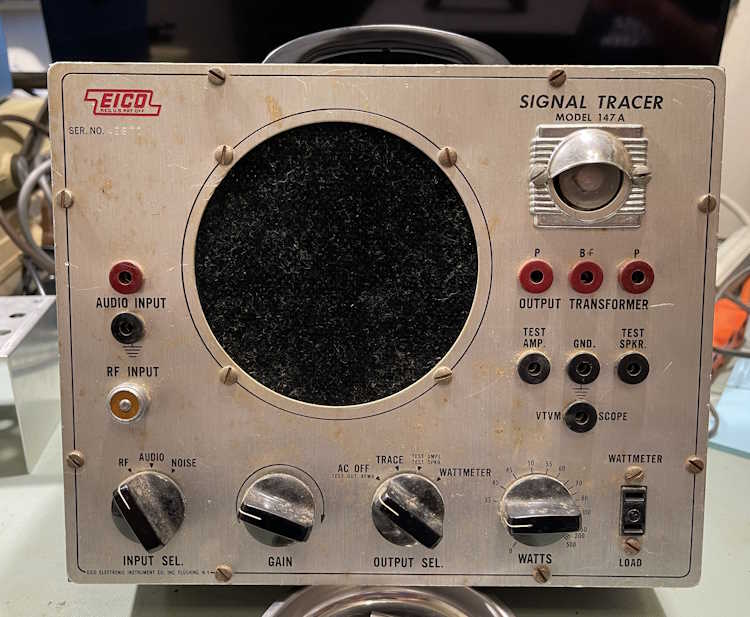
A few weeks ago, I picked up a couple of EICO 147A signal tracers from a local museum - partly with cash, and partly with trade for some other materials that may be more useful to them. I’m going to be working with the “clean” one.
I’ve already verified this works, and that it doesn’t seem to be doing anything unusual. For this project, it’s going to be a little bit of cleanup and replacing two of the three items inside that could potentially be an issue.
But first, a bit of cabinet cleaning.
These devices had been sitting in a garage for a while, and were dirty both from that and the general accumulation of grime from ages of use. I took the time to wash the cabinet down with some soap and degreaser.
The first item is this molded capacitor. It’s probably paper, but we don’t know.
And, it’s gone.
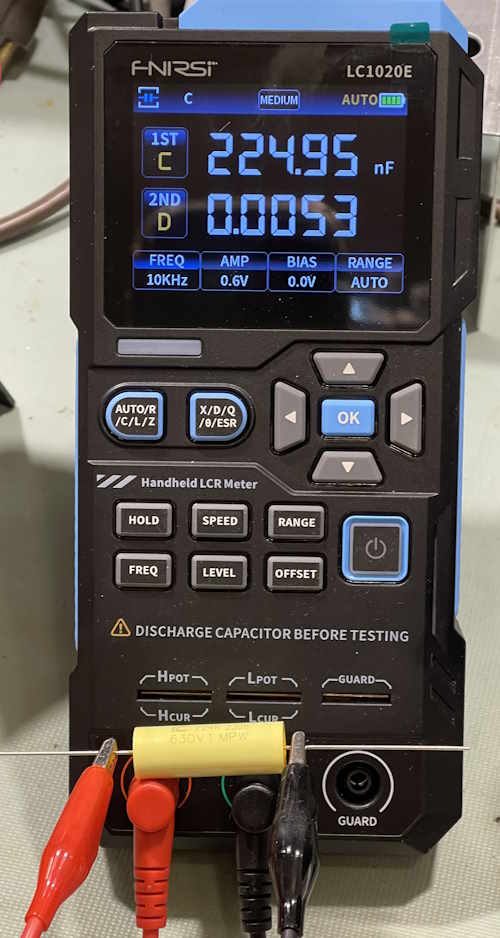
Surprisingly, it’s still good. This thing must not have seen a lot of use.
I’m going to put a new film cap in it’s place.
A note on this one: This is a part that’s in the wattmeter circuit. It’s unlikely that the wattmeter will ever be used, but it is in the circuit. The electrolytics should also be replaced, but they don’t seem to be in terrible condition for the age. That will be a later project.
The new part gets sized for replacement.
Before being soldered in.
The only thing left to do is replace the power cord with a nice new polarized unit. The neutral goes to the wattmeter socket so there’s no live AC when the power switch is off.
Some contact cleaner on the switches, and it all tests out fine. I’m going to pull the knobs and wash them, as well as give it a good panel cleaning before buttoning it up. I’ll see if I can pick up a capacitor replacement wafer at Dayton this year.
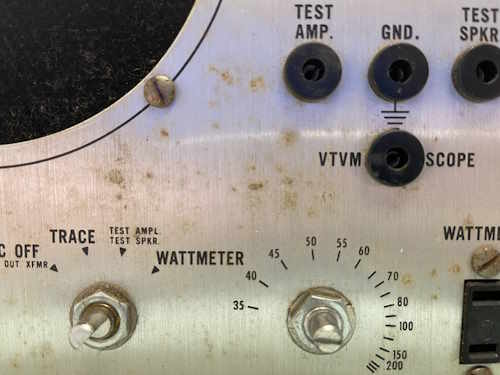
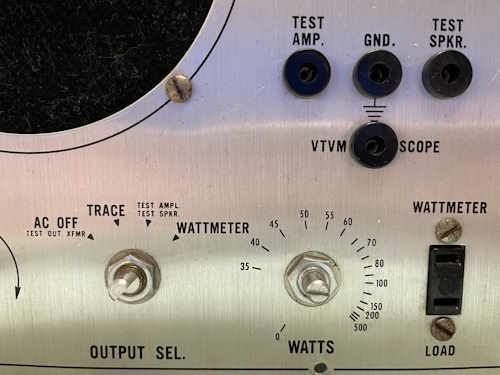
The front panel of the unit looks to just have some surface dirt, as aluminum can’t rust:
The front cleaned up nicely.
The unit was working beforehand, so a quick check and it’s still operational. I’m not really sure what I’m going to do with it, this one may end up at work as a benchtop music amp because why not?
The only issue here is the white paint used as an indicator on the knobs comes out with washing, or even a good wipe with a cloth. I need to find some way of re-doing that, I’m sure that a method is out there. I just need to look.
I’ll be examining (and cleaning) the other chassis soon, stay tuned!
It’s been a while since I’ve done an eBay junk post, so it’s high time. The amount of AI slop has toned itself down a little bit, the wild descriptions of a few years ago have settled into a generic “A valuable and quality device” for most things. No, your hobbyist signal generator from 1963 isn’t widely used in industry.
There are other things on eBay that are quite amusing, however. One of those are these listings for a Delco Vibrator. No, that’s not a toy you have to go to those shops downtown in back alleys for, it’s an electro-mechanical part that was used in automotive radios when tubes were still king. It’s a relay that turns itself off, so it just sits there and vibrates at whatever speed it can, turning power on and off. It’s a mechanical pulse generator, and the pulses it generated were fed to a step-up transformer in order to make B+ for the tubes. There are modern solid-state equivalents if you want to rebuild an old car radio, but sometimes you want to open a can and stuff it so it looks like the OEM part.
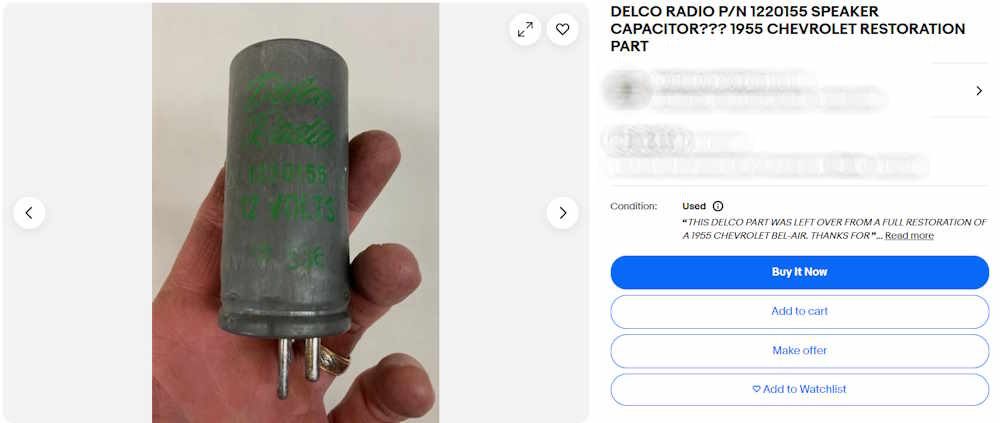
So why post these? They’re amusingly bad - and in some cases probably an outright lie. They’re all Delco 1220155 Vibrators, and a few minutes online would tell you that. Names and prices have been removed to protect the guilty!
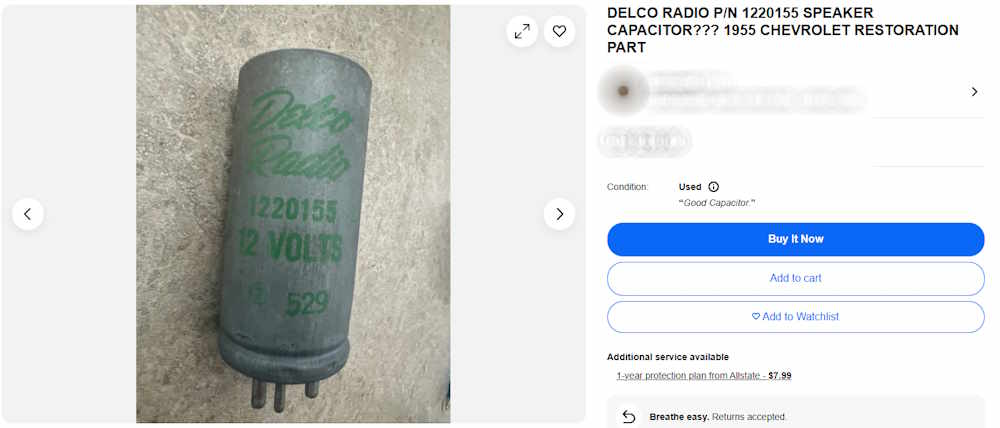
Part #1
This one purports to be a “Delco Radio Speaker Capacitor???” Not sure what a Capacitor??? is, but here’s one if you need it.
According to the seller, it’s a double-DIN radio as well. It’s from a working radio to boot.
Part #2
This one is also a capacitor, and the seller has tested it and found that it works. I’m confused as to how this happened, but apparently - it did. Is the seller just writing things there to fill space? Even Mister Owl doesn’t know the answer to that question. I mean…how does it work?
But you get some dust from their warehouse!
Part #3
This is probably the best one. It is from a listing that purports to be an auto parts reseller, and that the unit was left-over from a recent automotive restore. It, like the first one, is a “Speaker Capacitor???” Here’s an idea - if you’re selling auto parts and restoring cars, wouldn’t it be in your best interests to actually, oh, I don’t know, know what you’re selling?
While I could see where an inexperienced seller would make a mistake - these do look like capacitor cans - all you need to do it spend a bit of time online to find out exactly what this is.
If you’ve been around for any length of time, you’ve probably heard the term X10 thrown around. This is doubly true of anyone who has had an interest in home automation, as X10 is the granddaddy of all consumer controllers. If you haven’t been around since the 70s, you may know X10 from those creepy “Spy on half-naked women next door” camera ads from the early days of the Internet.
X10 was nvented by a Scottish company (Pico) in 1975 and marketed by BSR (the cheap turntable company!) it was eventually picked up by multiple vendors. Leviton made modules for BSR, and later simply became white label devices or X10 Powerhouse branded units. GE offered Home Minder. Radio Shack’s brand was Plug ‘n Power. Stanley Tools sold Lightmaker. IBM used Home Director. RCA offered Home Control devices. Magnavox, Sears - countless others with names from the past offered them. There were other, smaller names that had all kind of doodads and interfaces that spoke X10, and GE even had a set-top programming box that was just downright futuristic. There’s a wealth of devices out there, and it’s still in use - albeit at a much lower rate than it was in the past due to the uptake of cheap wireless devices.
But, the stuff is still there and it’s still just as useful as it was way back when, especially now that noisy CF lamps have basically vanished.
X10: How does it work?
X10 is a home automation system that uses digital pulses that ride on the AC line to address modules. It uses a “house” code, a 16 bit number, followed by some “key” codes. The House and Key are heard by the entire system, but only the module with the appropriate settings will respond, unless it’s a ALL code. The good. bad, and ugly of this system is that you can have any number of modules with the same address because they don’t talk back, but the bad is they don’t talk back so you don’t know if they responded to the command. The ugly is since the signal is on the AC line, it can be interrupted by noise, or lost due to distance from the controller to the listener.
Why use it when zigbee, zwave, and matter wireless devices exist?
There’s a massive base of X10 products out there, and some work without the need for heavy lifting. That is, you can have standalone clocks and controllers that don’t boot and don’t require an OS to continue working. There are modules, remotes, controllers of all types, even landline phone interfaces available should you have such items available.
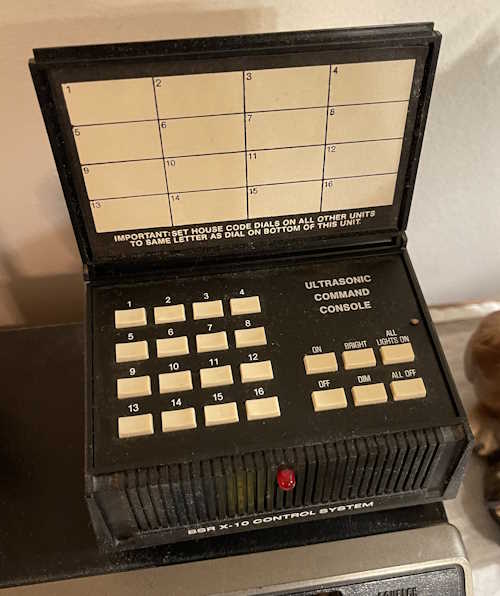
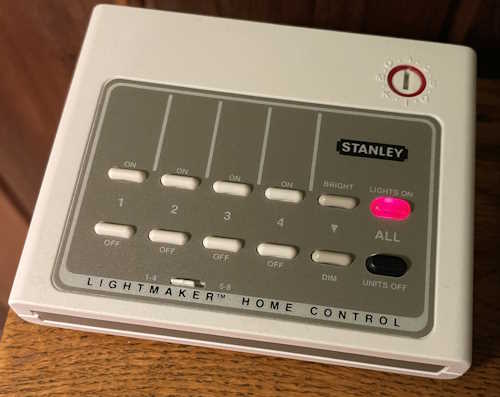
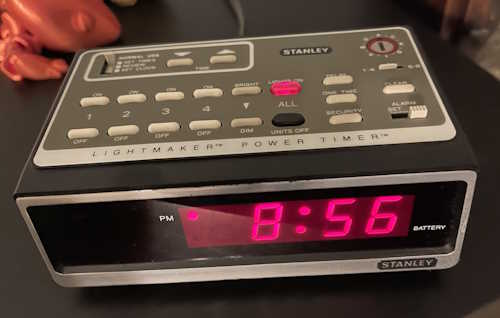
For example, my X10 system contains the following things:
A BSR Ultrasonic Remote Control base unit (remote not shown)
A Stanley Lightmaker desktop controller
A Stanley Lightmaker Clock Controller
The clock controller is the failsafe for the system. If power fails and the system shuts down when I’m not there, then power resumes, the battery backed up clock will still perform basic functionality - no network connections needed. It handles what I consider to be important lighting to make the house look lived in - main rooms, outside doors, and other things of interest. However, I’d still like to talk to these devices with Home Assistant. I’ve found that there are three ways to do that, but…there are caveats to each method.
So, how to actually talk to X10 with Home Assistant?
The first is the official way. This uses an intermediary called “HEYU” with a module called a CM11A. This is a hardware serial interface between the controller and the power line. It has the capability to both convey X10 signals, as well as store simple programs. HEYU is an old program that translates commands to X10 format for the CM11A.
HEYU is pronounced exactly how it looks: Hey You! - the author states it was so named because he was always yelling “Hey, you! Turn off the light!”
So, why not use this?
Simply put, if you’re running HAOS, you can’t. There’s no mortal-friendly way to build HEYU and put it inside the container that holds Home Assistant. The official documentation that Nabu Casu offers for this is, as per their SOP, quite sparse on the matter and doesn’t offer any insight at all.
While I realize that X10 is quite old and not many people are using it, offering an official integration in this halfway manner is kind of the way Home Assistant works.
All is not lost. There are two ways that you can talk to X10 devices without the official integration.
Method 1: HEYU with BlueLava on a remote machine
So there’s another term. BlueLava…what is that? It’s an old CGI script that provides a user interface for HEYU. The interesting thing about this script is it passes a URL that does the work, so by pasting a URL into your browser, you can cause BlueLava to trigger an X10 command.
I already have a BlueLava/HEYU system, and Home Assistant can CURL a URL, so this is the method I’ll be investigating in the next part of this series.
Method 2: Lots of weird hardware
The second way I can see doing this is to use one of the many remote pendants X10 has, coupled with some sort of zigbee/matter/etc. addressable switch, like the ones offered by Shelly (among others.) This requires a lot of soldering and disassembly and isn’t really a friendly way of doing it. I’ll probably not look at this one unless I get a wild hair and simply want to make it work for … reasons.
What next?
In the next part of this series, I’m going to investigate calling specific URLs to the machine that hosts my current controller. Stay tuned!
This past weekend, I took some materials over to the Early Television Museum in Hilliard, Ohio. This consisted of some of the things you’ve seen here, including the big TRF radio that had a bad output transformer, as well as some other equipment that hopefully they can get a few bucks out of. If you’re in this area and have an interest in older technology - or simply would like to see some of the marvels of previous ages - this is an excellent stop and I highly suggest it.
However…when I was there last year for their fall swap, there was an EICO 147a tracer sitting amongst the other items. I assumed that it was part of the auction material and didn’t pay any attention to it - but it was still sitting there when I was on site this past Saturday. There was also a second unit, quite dirty. I made an offer on both, we agreed, and I took them home.
Why? I don’t know. I’m a silly little wereboar, I guess.
So, what did I get?
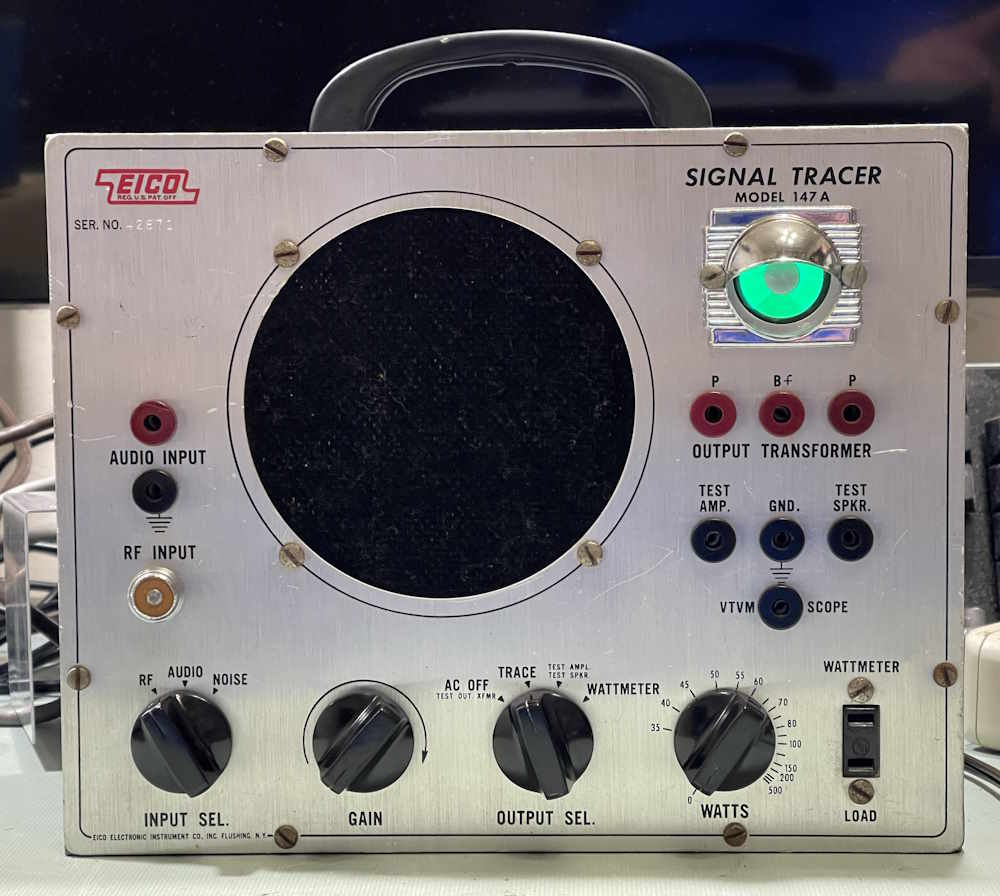
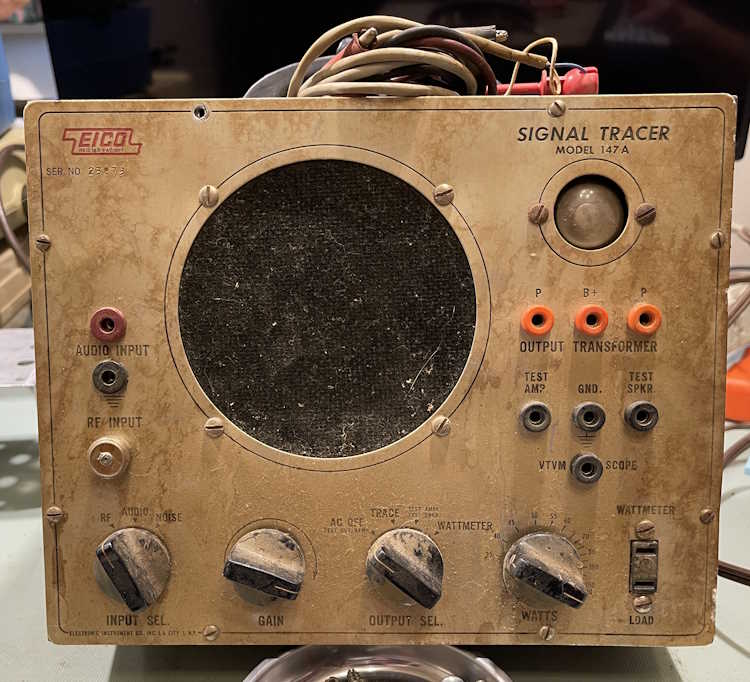
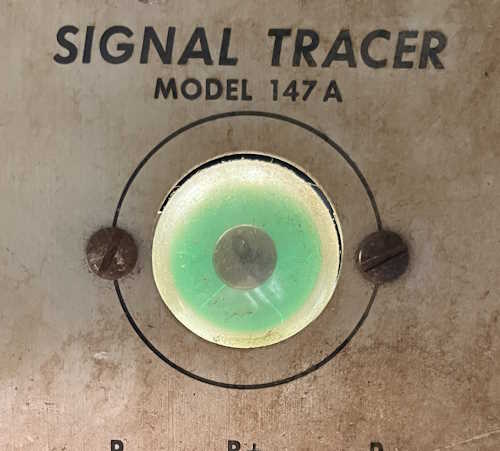
Here’s the clean unit. What caught my eye was the addition of the eye-tube cover someone put on there in years past.
It’s got a little dirt and grime, but overall is in great shape for a garage find. The inside of the cabinet is in equally decent condition. A little surface discoloration, but nothing I’m concerned about.
The outside of the cabinet has the normal scuffs and dirt. A quick wash with some 409 will take care of that.
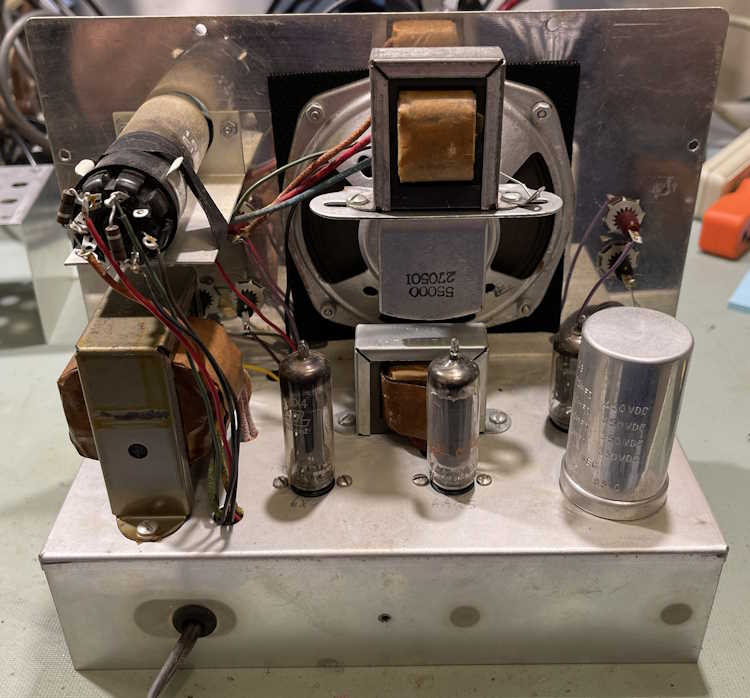
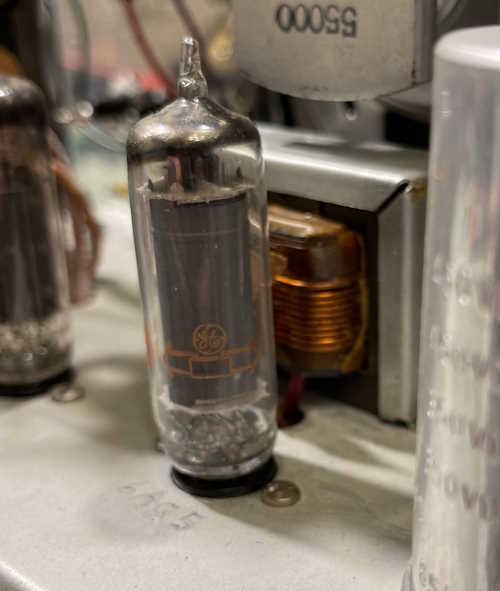
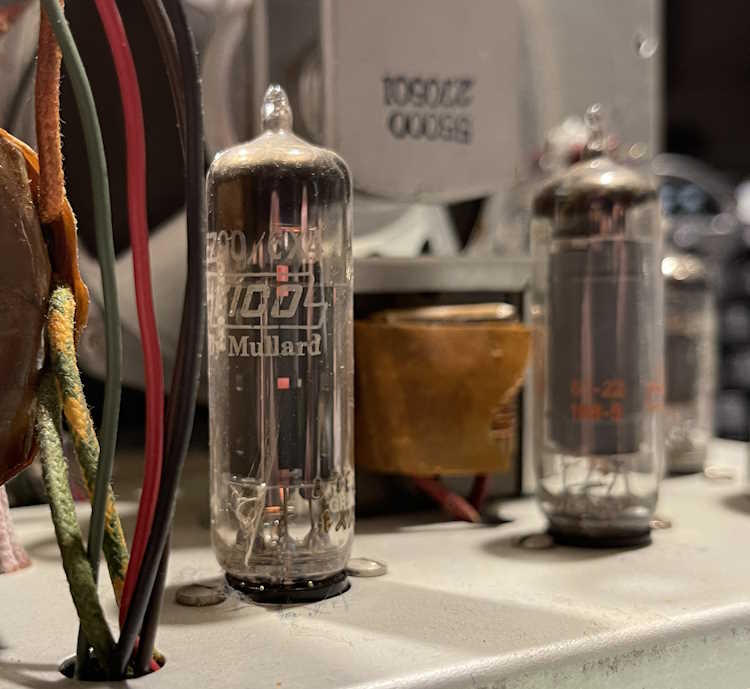
The inside of the unit is equally clean. Tube lineup is two original EICO branded tubes, along with a GE tube in the 6AQ5 position. As this is the power output, it was probably the first to go. Also of note here is the choke wrapping - it’s peeling away, but that’s not a big deal as that’s just the outer wrapper.
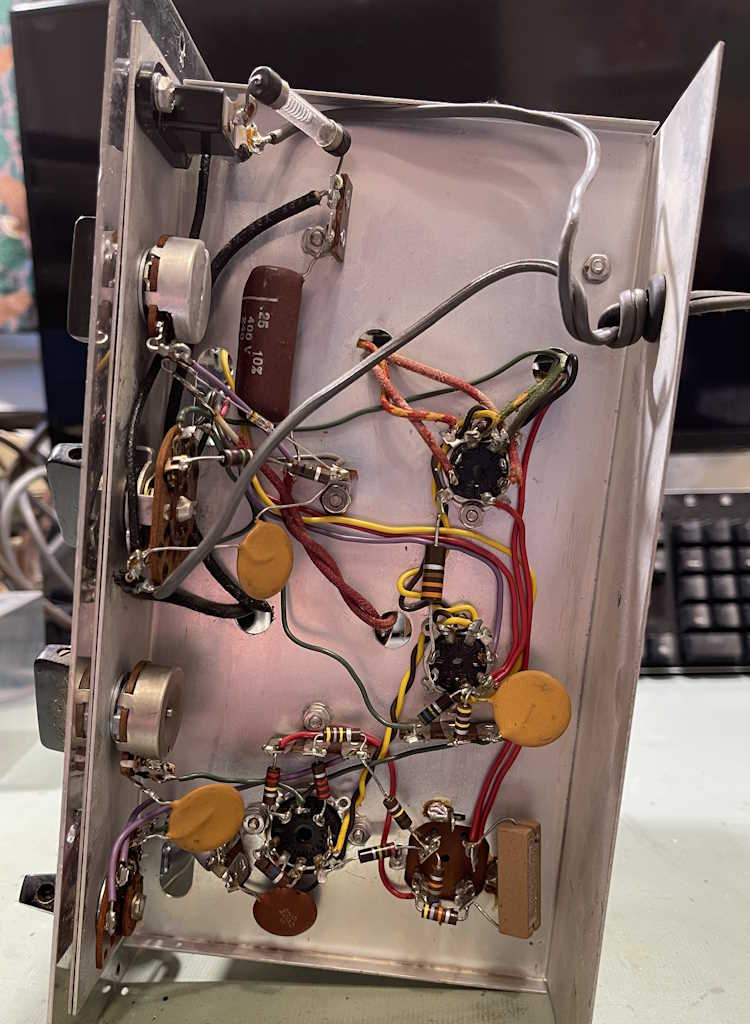
This one may have been a factory build, or a good kit builder. The bottom layout is fairly clean and everything is well soldered.
Everything here is all disc capacitors save the big molded near the top, and of course the electrolytic. So, does it work?
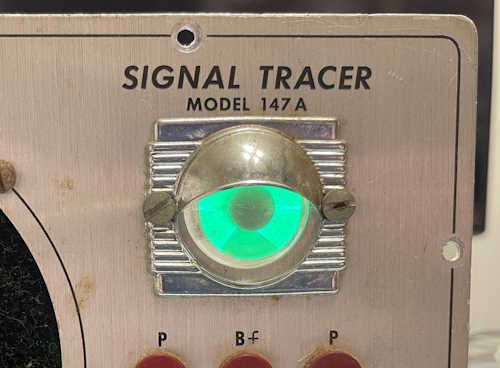
Sure does. The eye is even in pretty good shape. It’s fairly bright and has a defined shadow.
I let this one run for a while, it seems to be in great shape for the age. The filter didn’t get warm, it’s got ample gain, and everything seems to be in order. The resistors are probably somewhat out of tolerance, so I’ll measure them at some point and see what else would need replaced to bring this up to service use.
On to the second unit. This one is dirty, and looks like it might be a smoker’s choice. That brown glaze on the front gives it away, although there’s not a lot of any kind of smell on it.
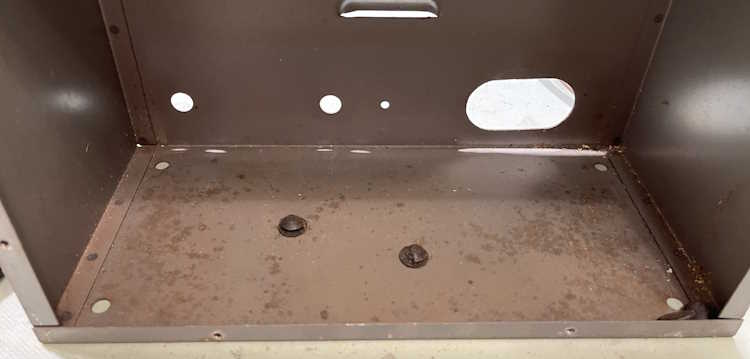
The cabinet on this one is a bit rougher inside and out. Some of the rubber feet are laying inside.
The back has a modification - a previous owner installed a mini Hubbel twist-lock plug and socket. The cord is a polarized SPT-3 unit, so the last time this was touched was probably sometime in the late 70s or early 80s. They did a decent job of the mod, so no real tears shed here. I hate to see chassis and cabinet drilled out like this, but it’s from a past owner so there’s nothing I can do with it.
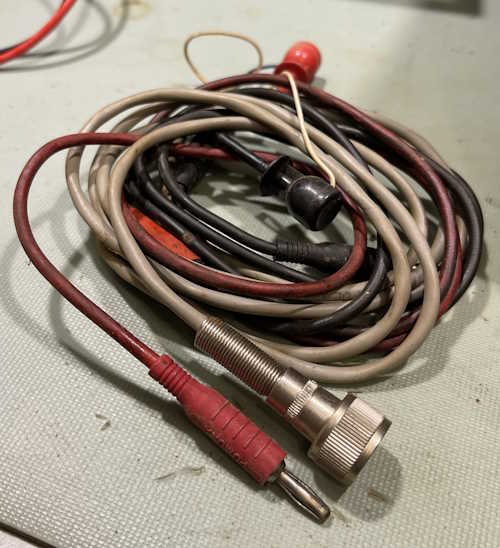
This unit had a mess of cables stuck in the handle, including a cable with that ever-popular RF connector attached to it.
They’re all in just this side of ready to crumble condition. They’re connectors for reuse, not useful cables right now.
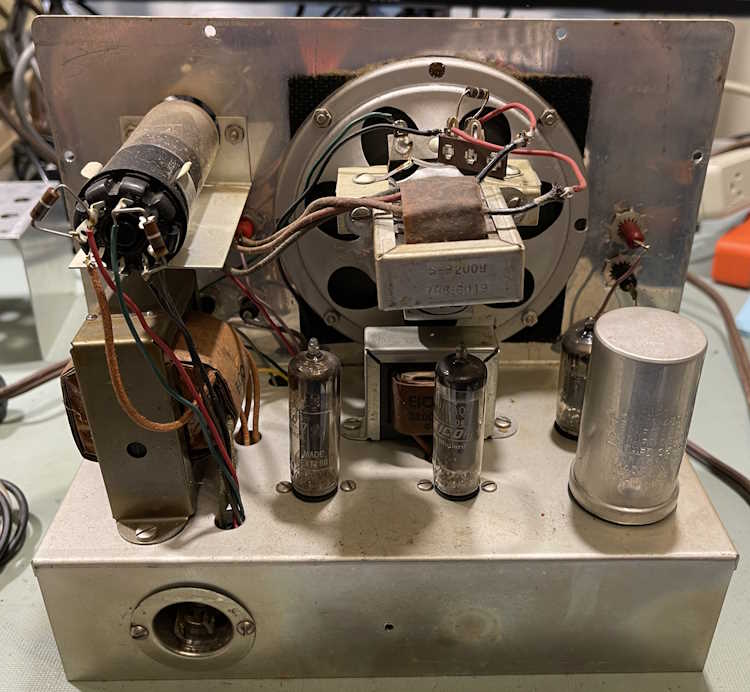
Top of the chassis is cleaner than the outside would lead you to believe. The getter on the 6AQ5 is black, this thing has some hours on it.
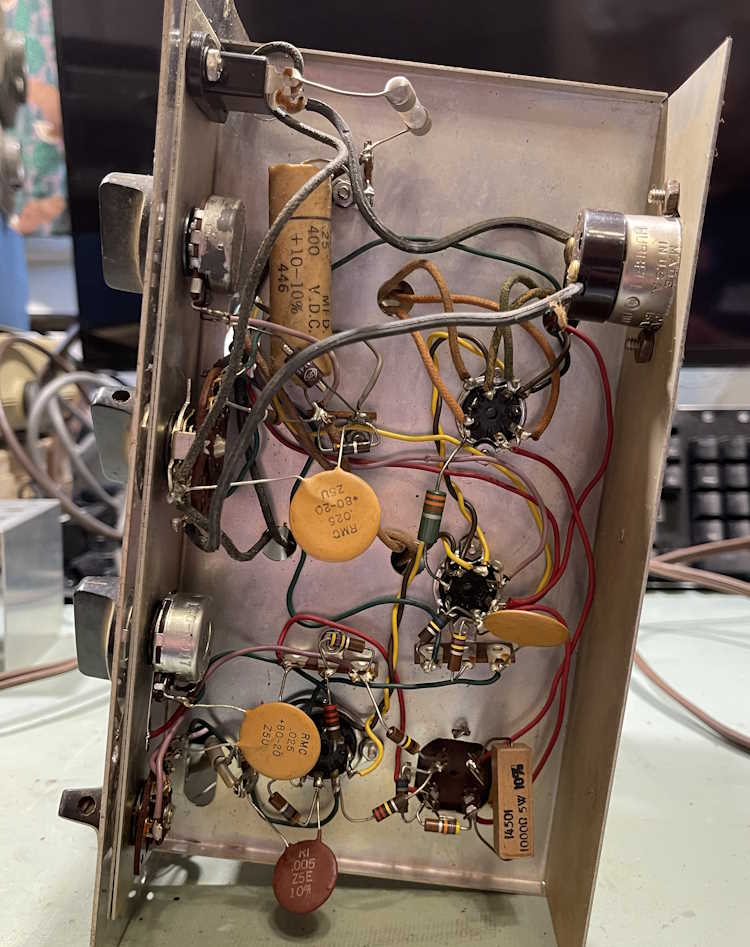
But the bottom definitely shows this one was a kit. The layout is very loose, wires everywhere. It doesn’t look anywhere near as good as the other unit.
So, does this one work?
Yep, it does. It’s hot and has good gain, like the other unit. The eye on this one, however, is very weak and doesn’t have a well defined anything. I could just barely see the shadow, but the camera almost smears it out of existence. This one definitely saw some use, and was probably just left on all the time. While it works, it’s probably going to go on the shelf as a spare or a later rebuild. I do have some new eyes, so who knows where this one will end up.
In all, I think this was a great purchase (even if I didn’t need it!) and it helps the museum with a bit of funds and, as the curator on duty Saturday said: “less things I have to move!”
Stay tuned, the cleaner unit is going to get some touch-up in the next few months.
Early boar ticket prices end March 1st, after that the price goes from $26 to $30. This ticket gets you in for all three days - May 15th, 16th and 17th. Ordering now also gives the post office plenty of time to deliver to you.
If you’d like to comment on a post, please do so - click the link at the bottom of each post that has the word comment in it.
You’ll need a name, and will have to answer a simple question to submit your comment. After that, I’ve set it up so that they are hidden until I can review them - while this won’t stop the spammers, you won’t see it until I make sure it’s not spam. I’ll try and look at any posted comments a couple times a week.
Let me know what you think about the work I’m doing, if you like it (or don’t like it, I’ll take constructive criticism,) or even if you’d like to see more of something I’ve posted. Keep it clean, things that are obviously spam, bait, and profanity won’t be visible.
They’re closed again. Strange Russian spam that I couldn’t figure out what they were posting for, and posts that mention sites that only talk about fans…there’s nothing of use here. Please use mastodon to comment, or join the telegram channels.
There was also the oddity of poor performance shortly after I re-opened the comments, all of which vanished the moment I closed them and removed the links from pages. I have to wonder if someone was slamming the site trying to post comments only to be rejected due to the simple keyword filtering I installed. I’ll know more when I do forensics on the logs.