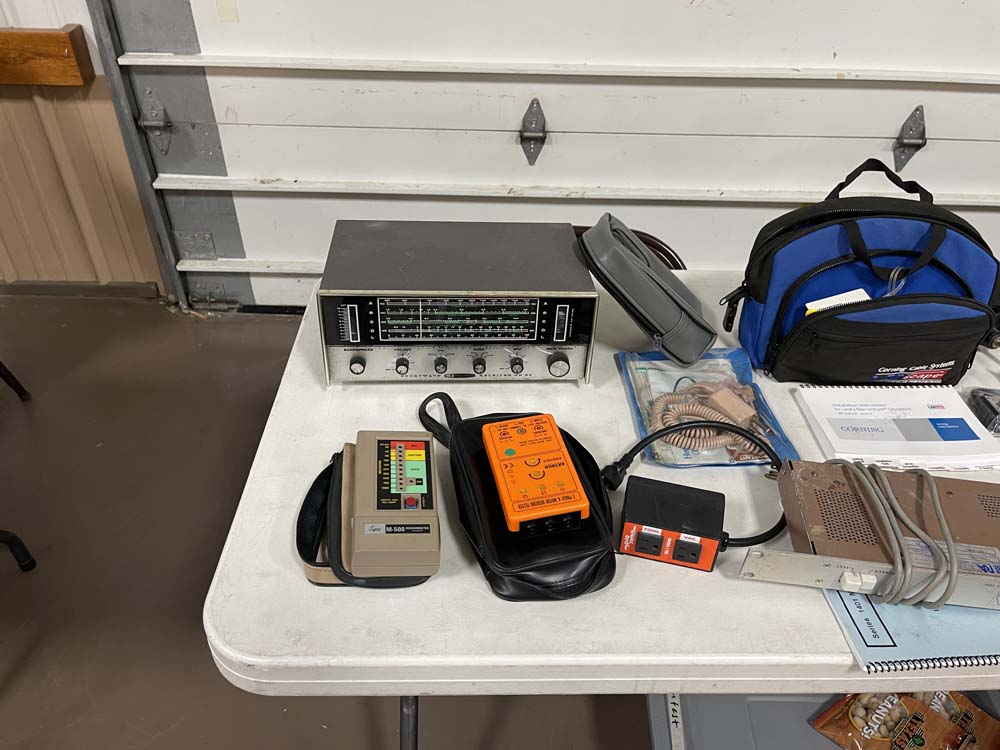
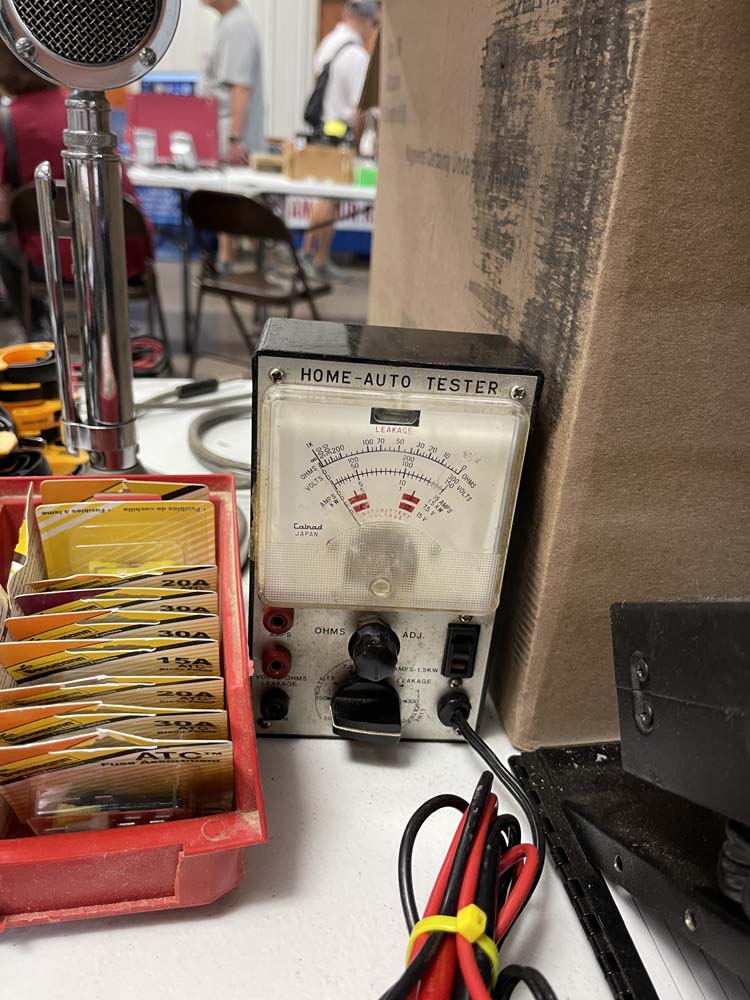
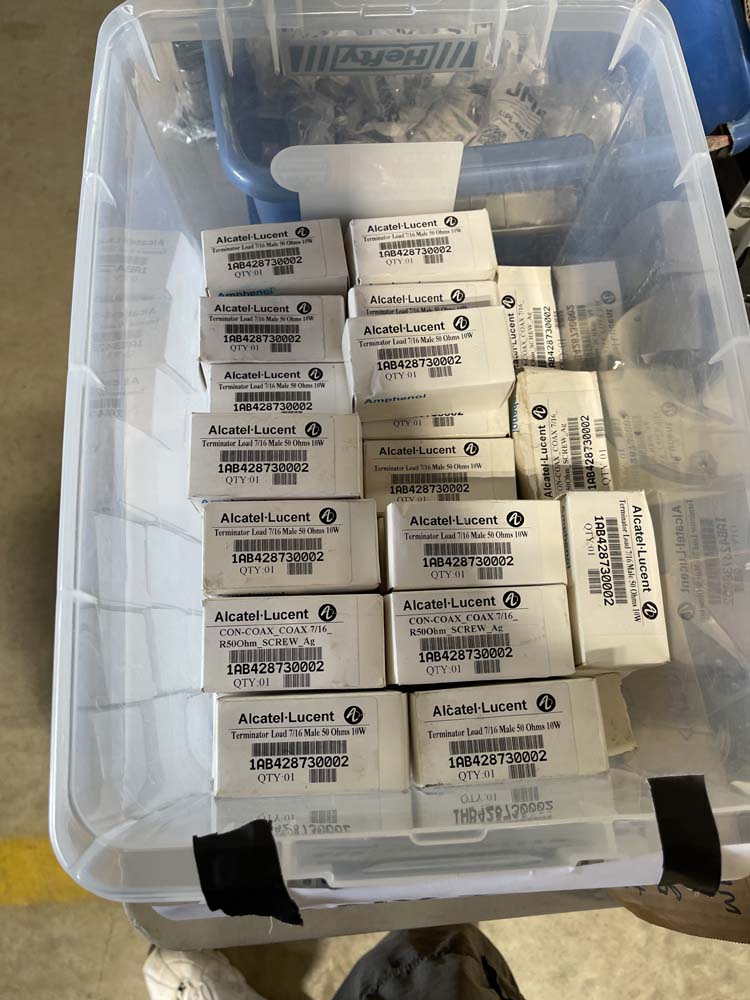
I went to the Findlay hamfest this past weekend instead of the Clearfield hamfest - I wanted to go to the latter, but something got in the way and I went local instead.
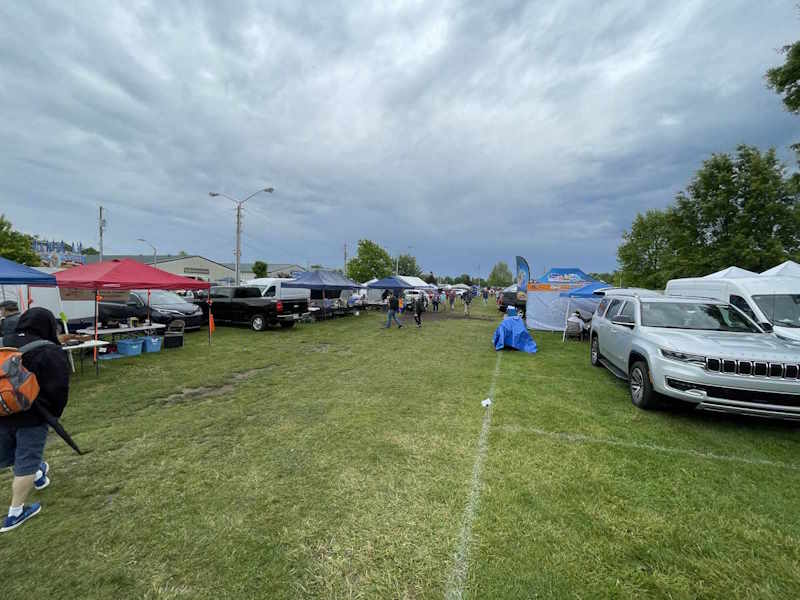
Unfortunately, Findlay has shrank substantially over the years. Last year was probably 1/3 of the year before, and this year maybe 1/2 of last year. I’m sad to see that happen, and it makes me wonder if it’s because the club is aging out, because there are more shows, or simply the changing fortunes of time. Probably a some of each, but it was quite small this year with a lot of open space. We used to shut the show down at 1PM, but headed out at about 9:30 for this one.
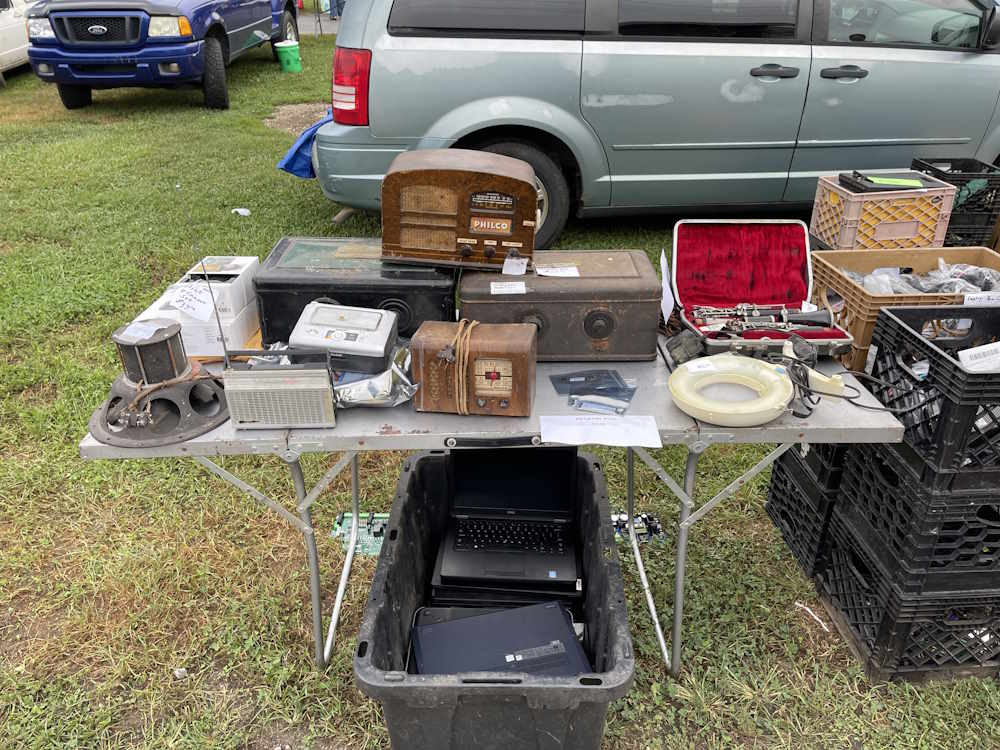
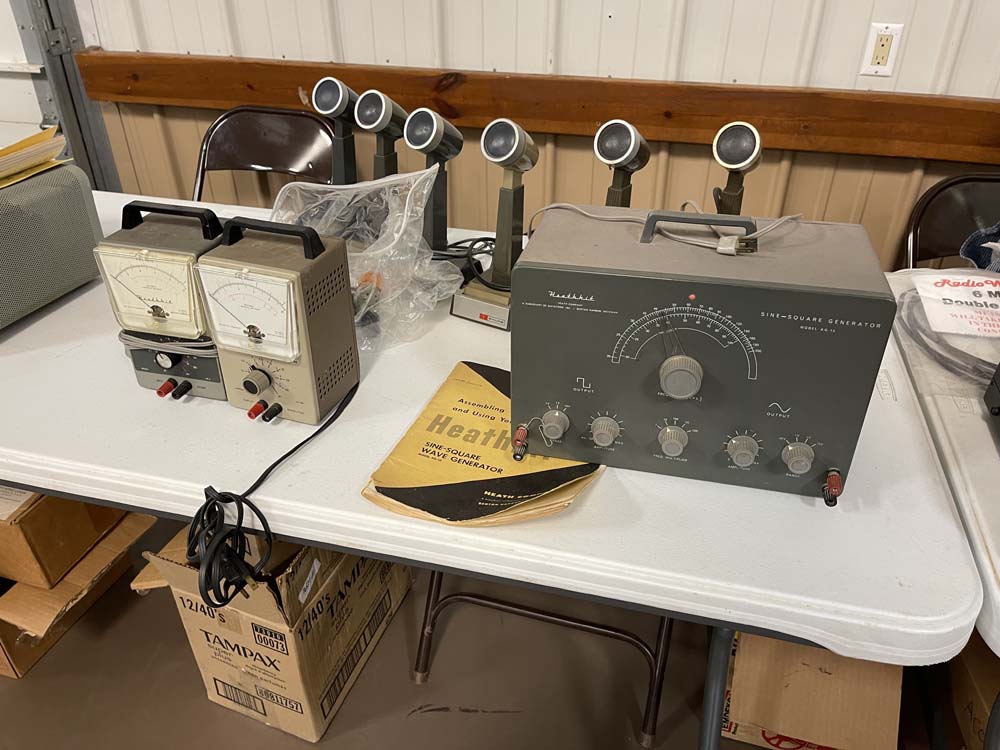
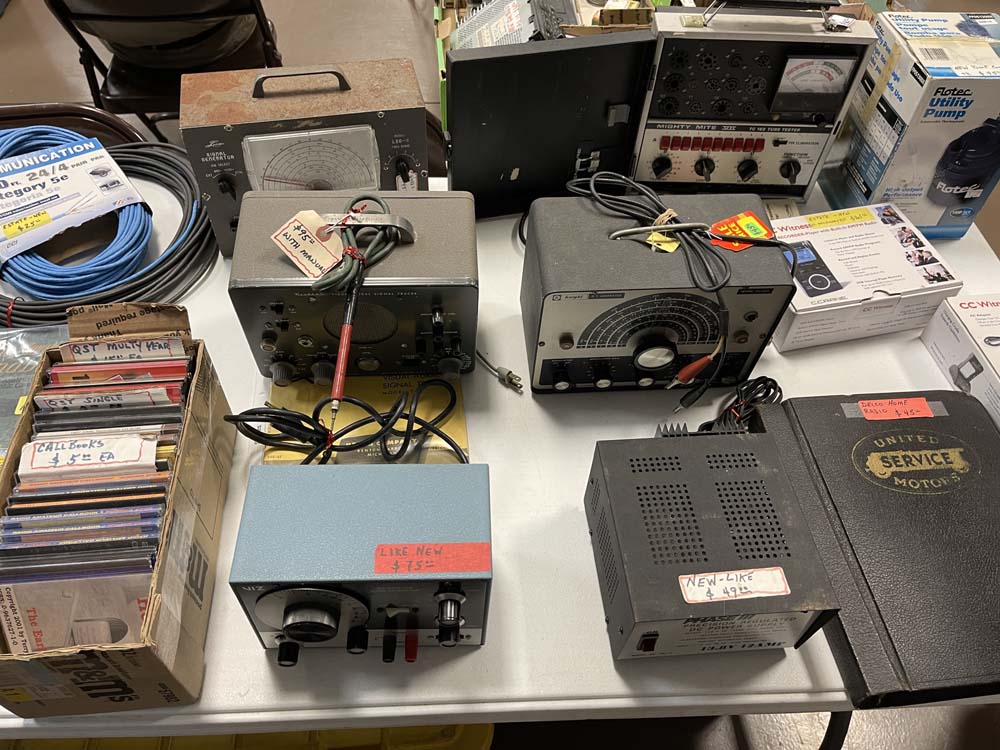
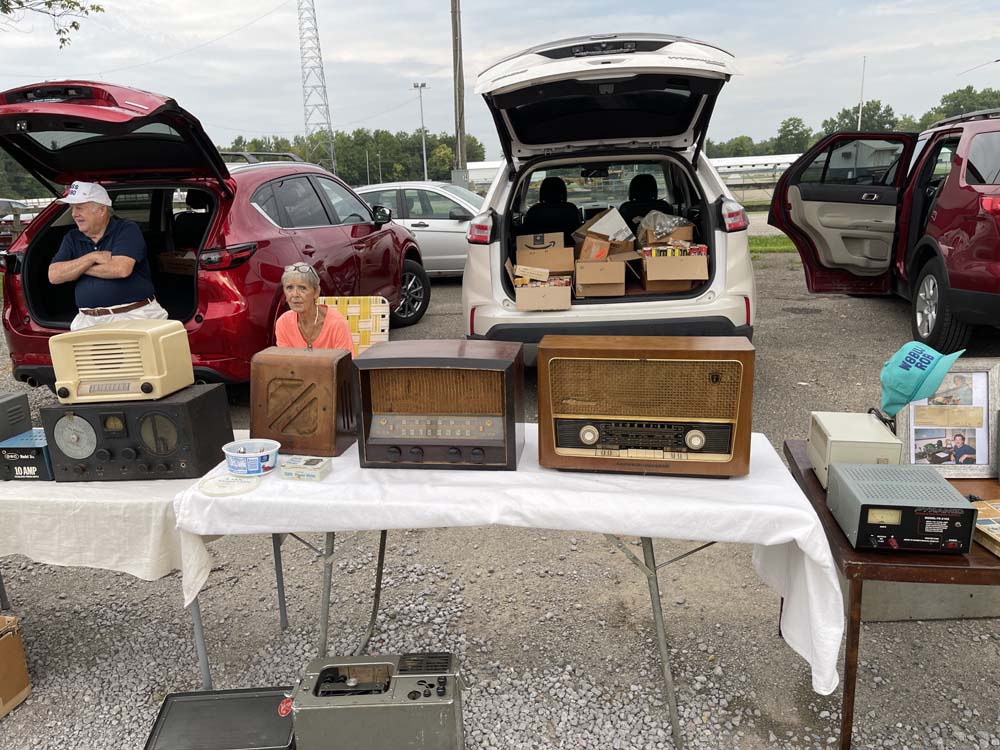
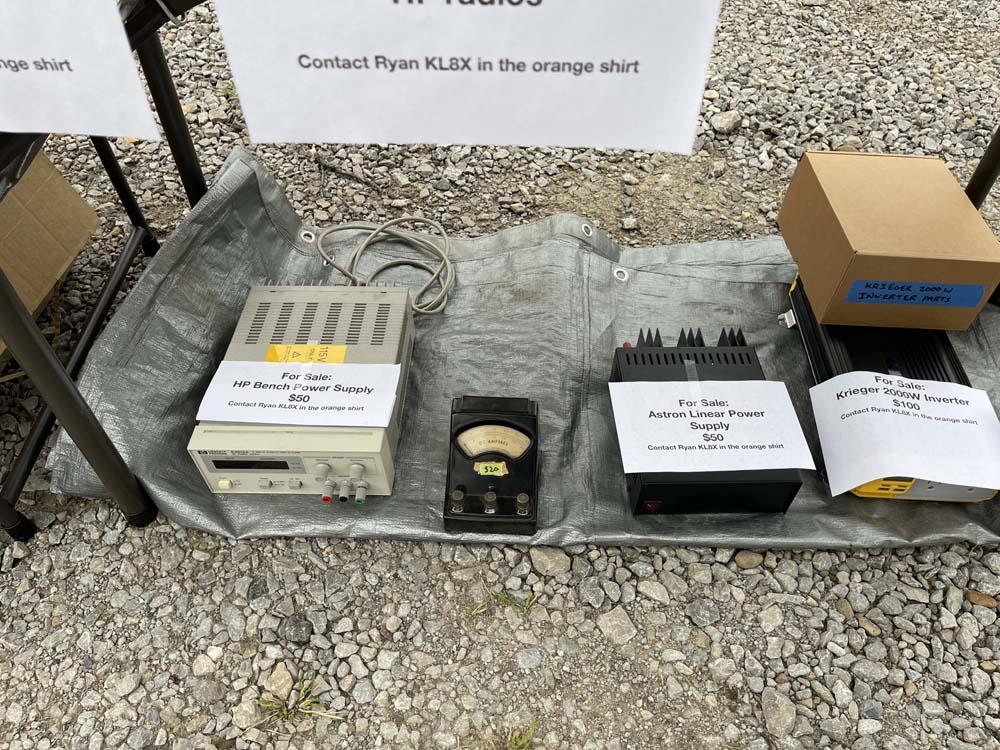
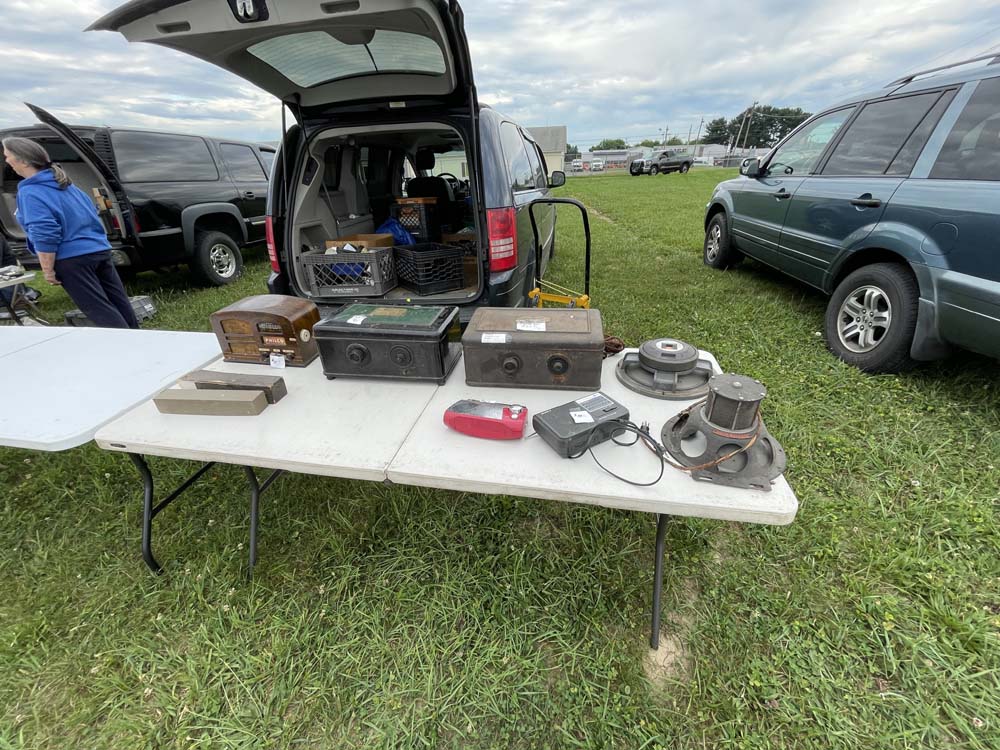
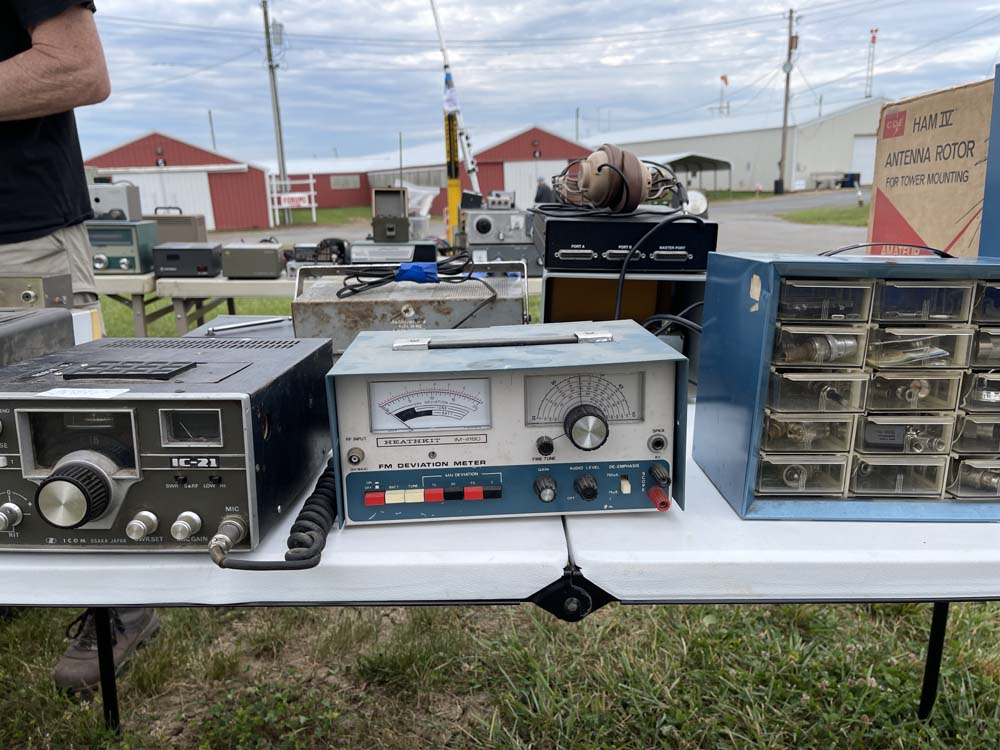
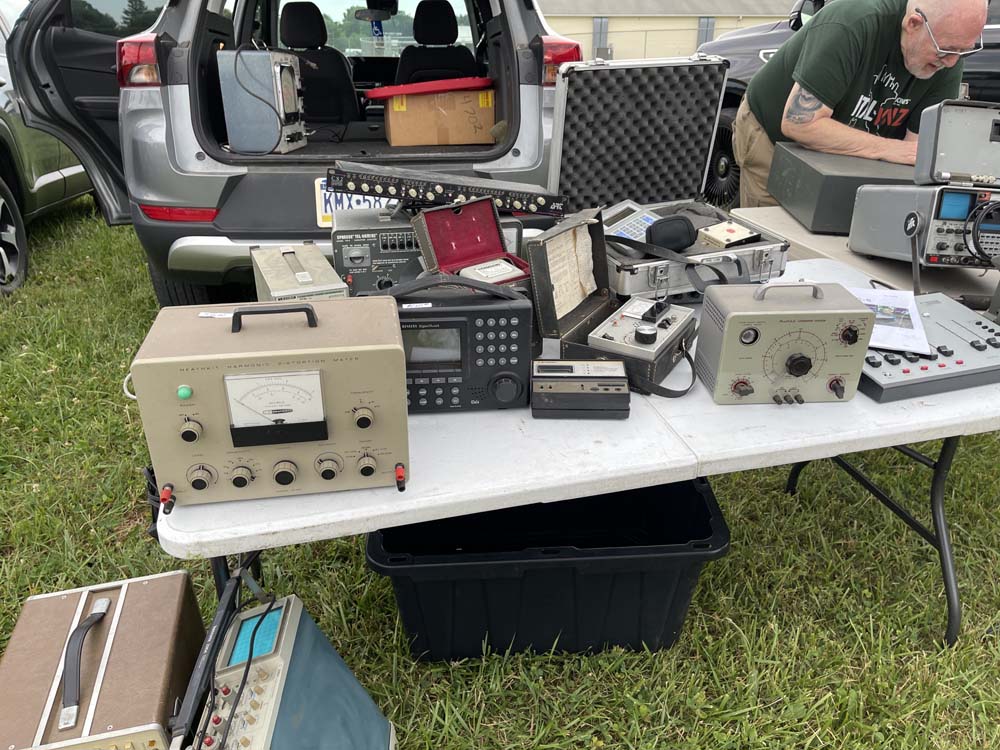
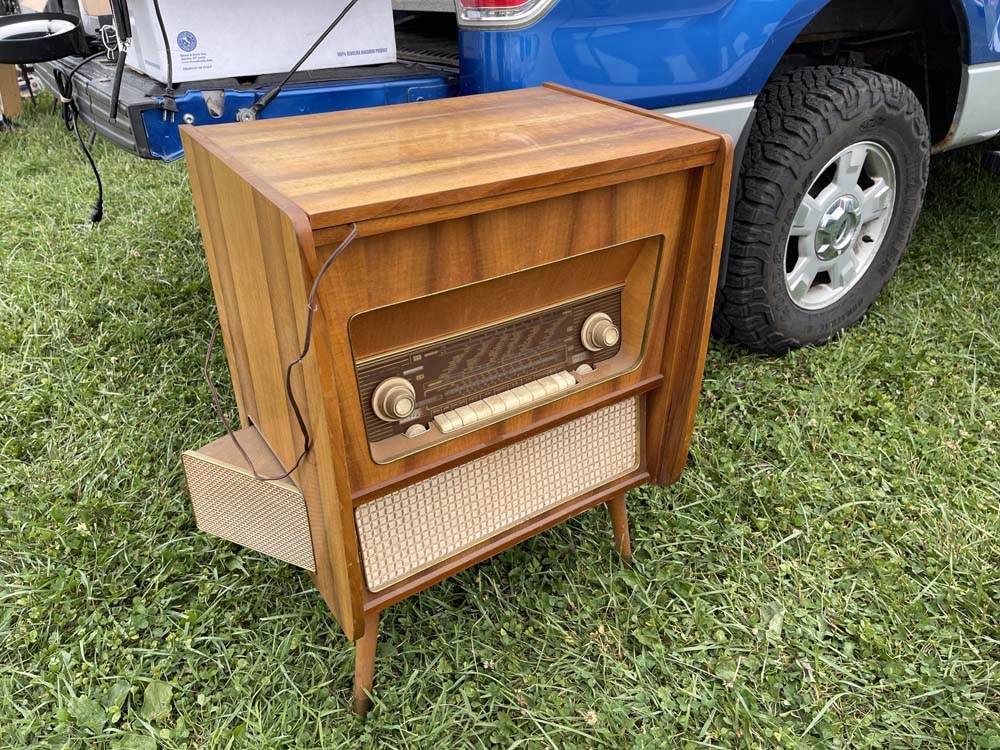
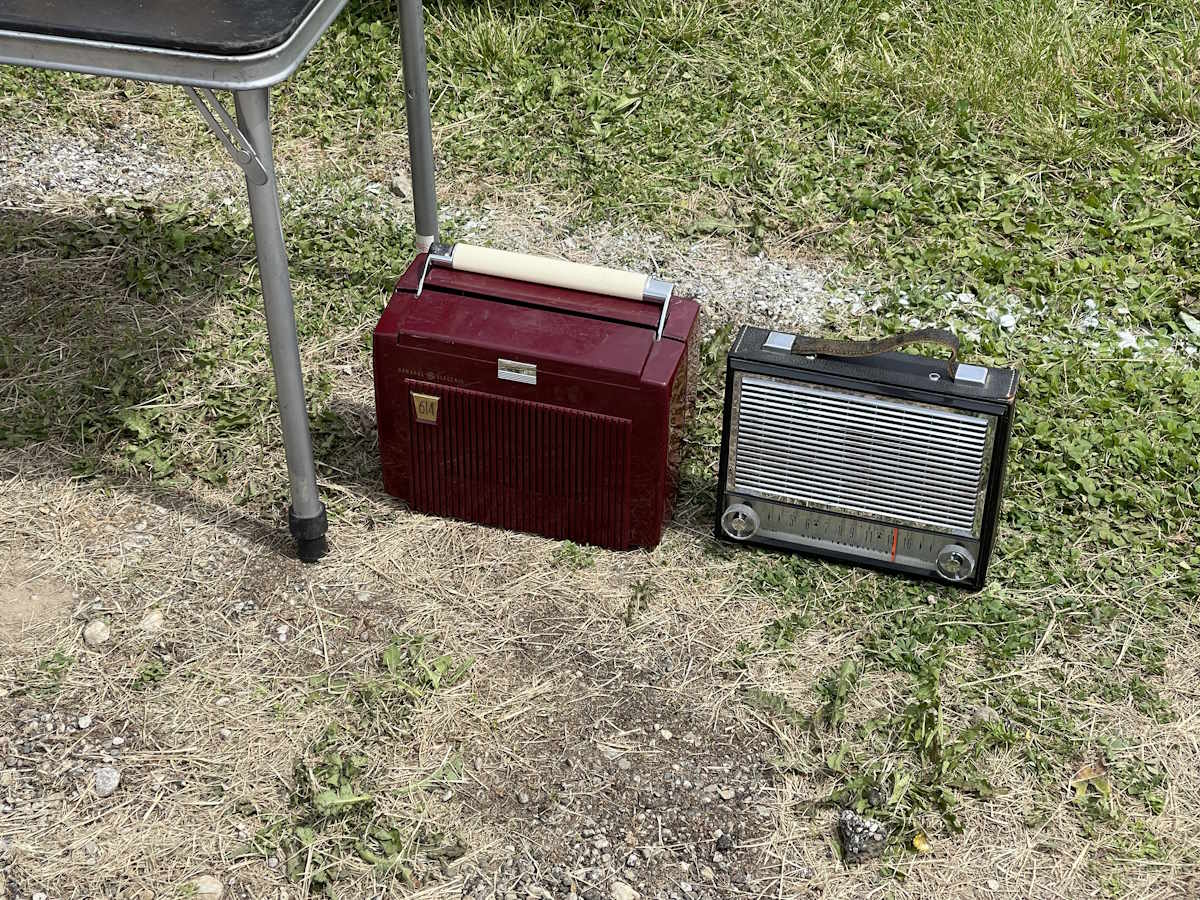
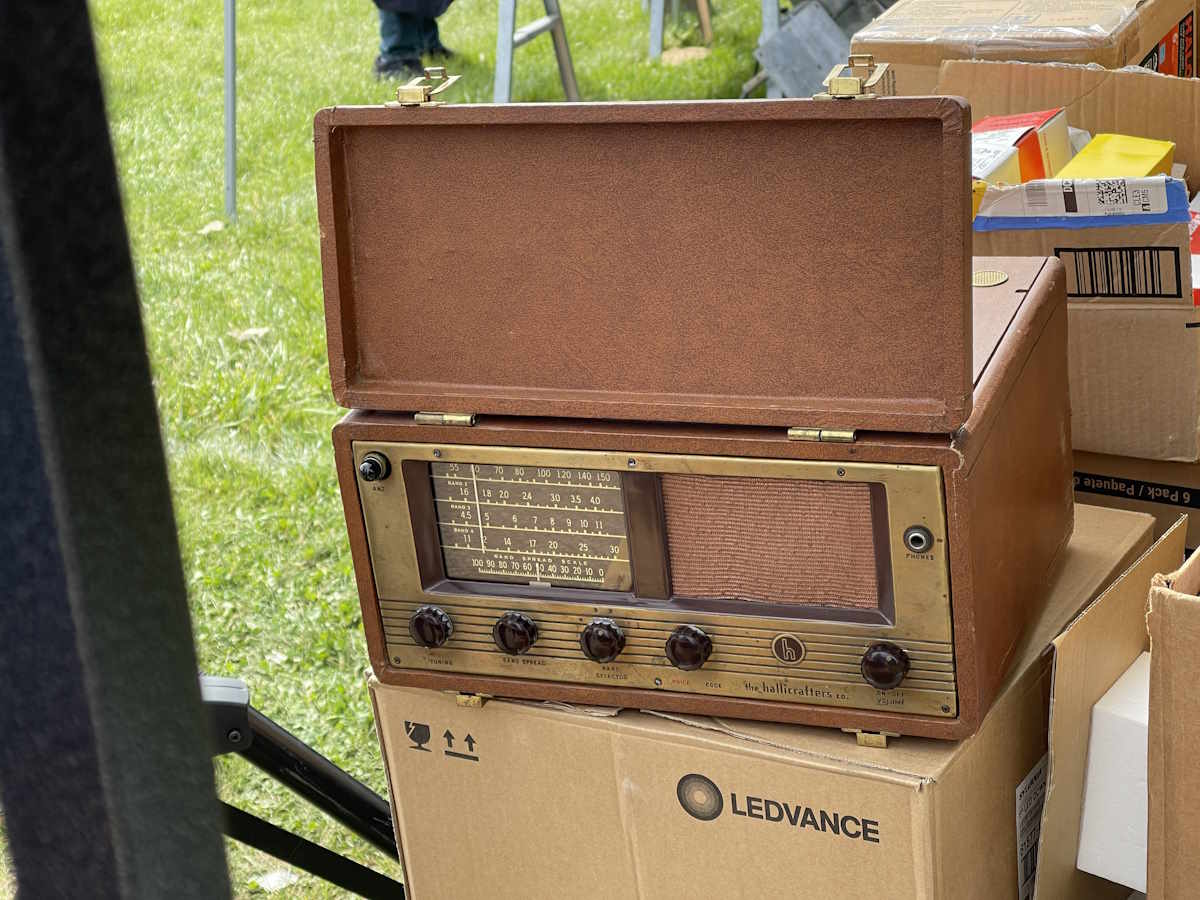
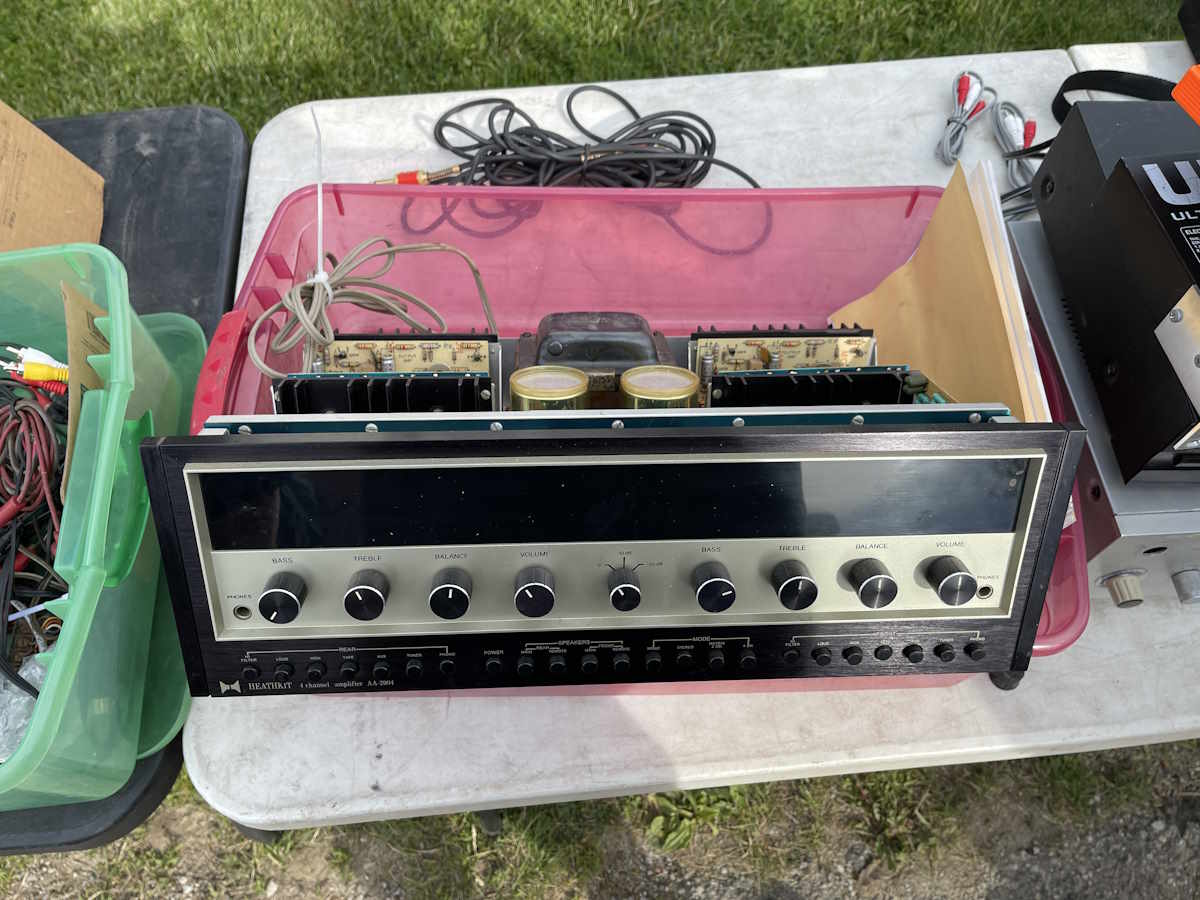
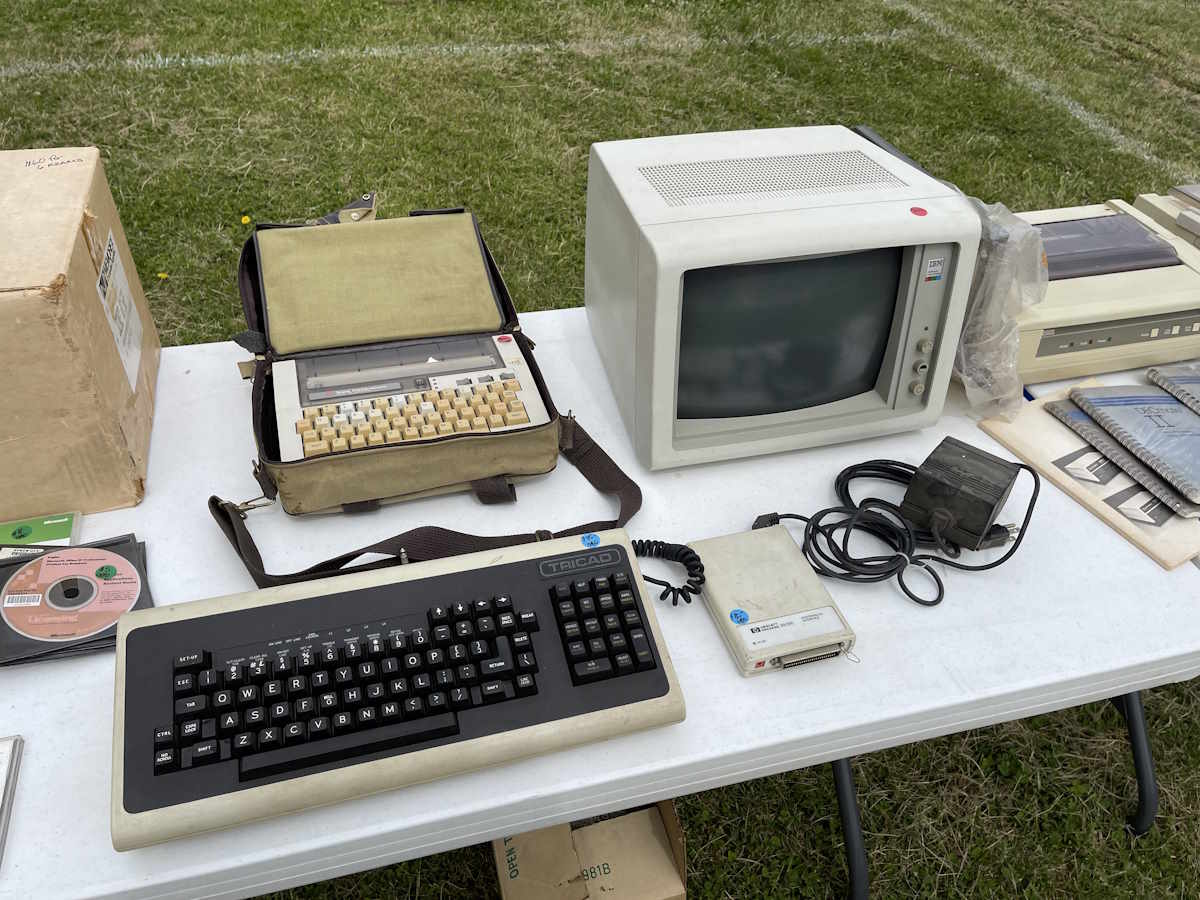
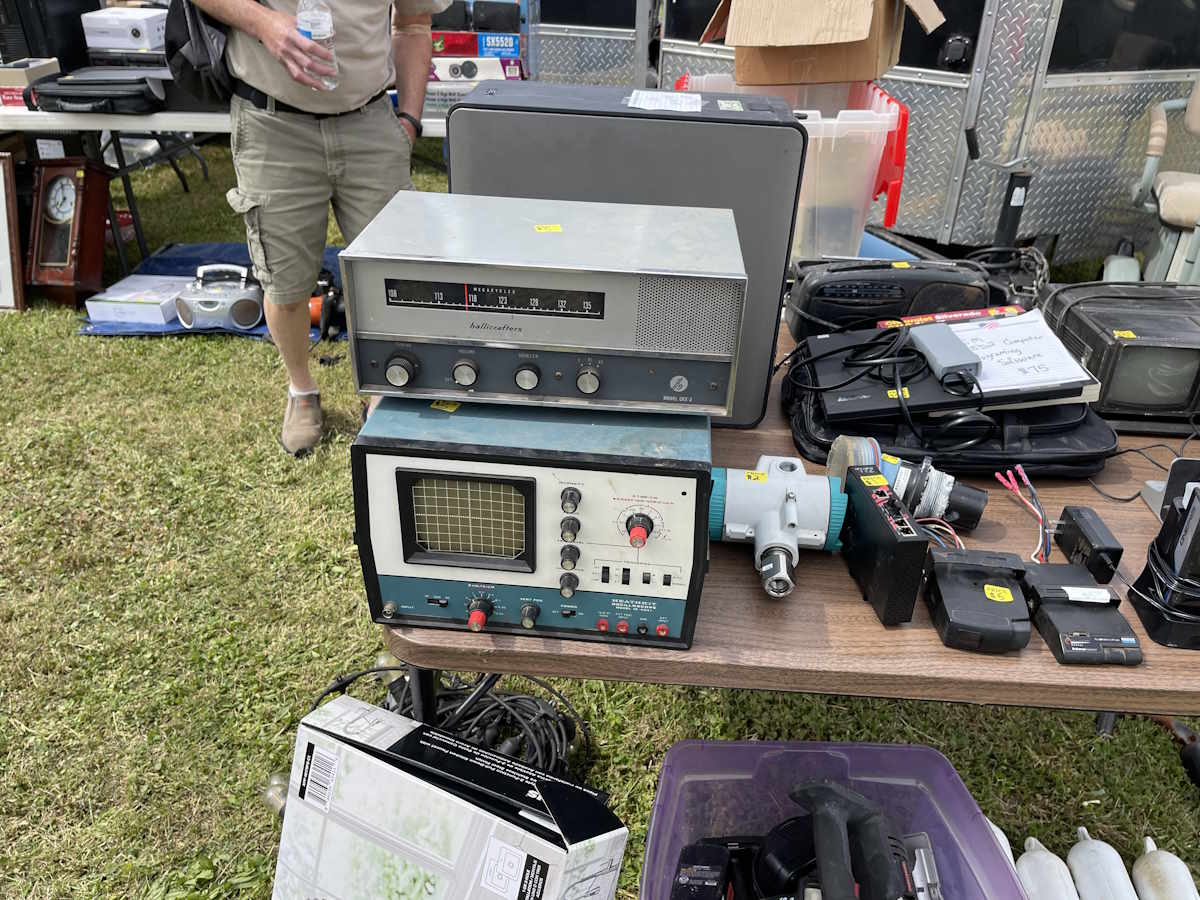
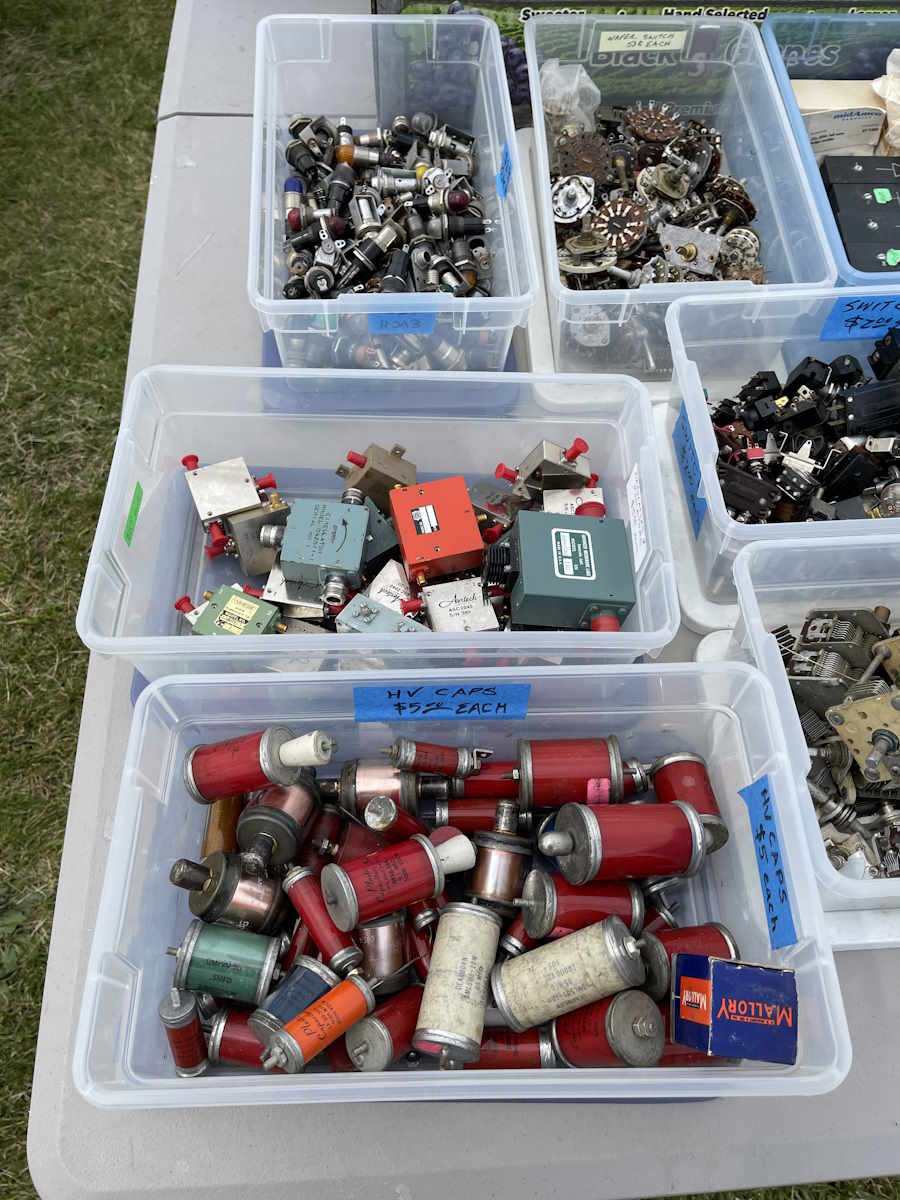
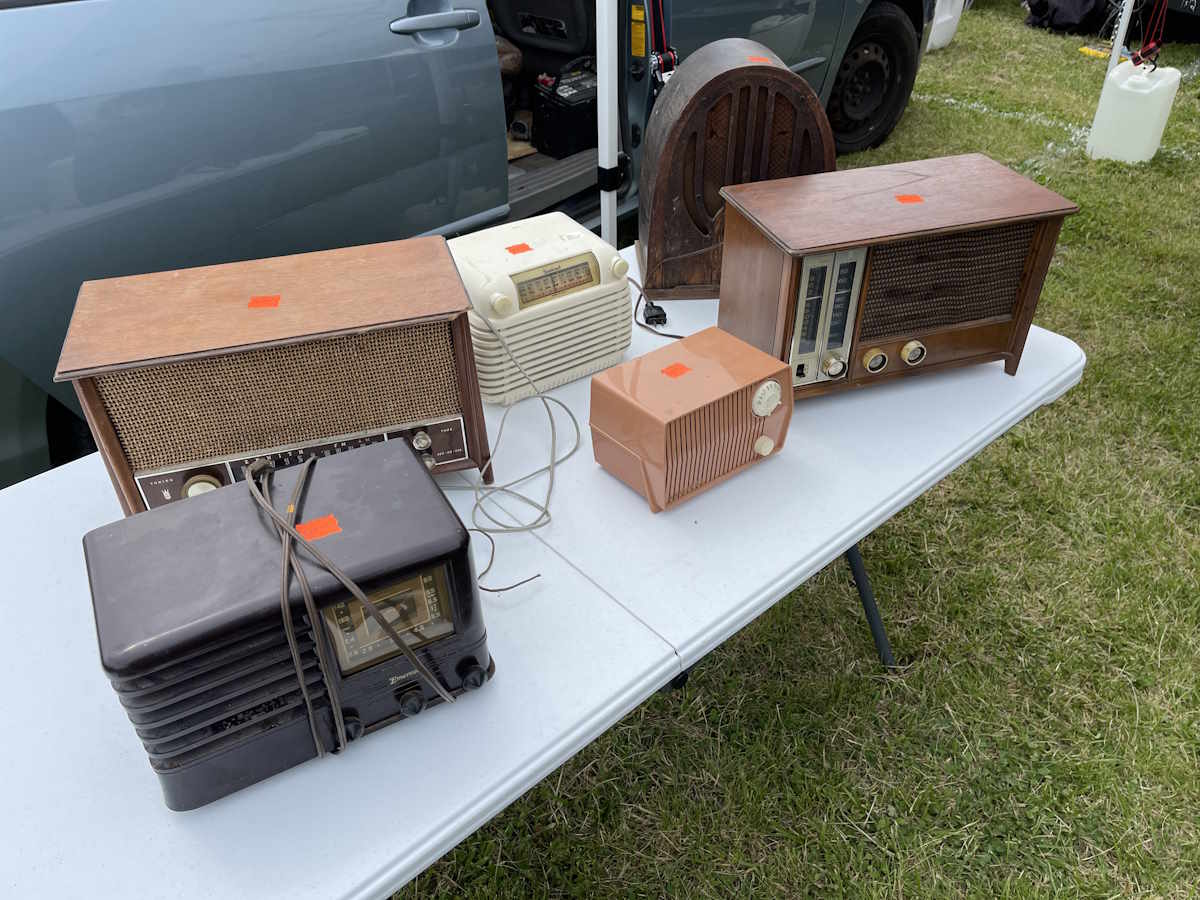
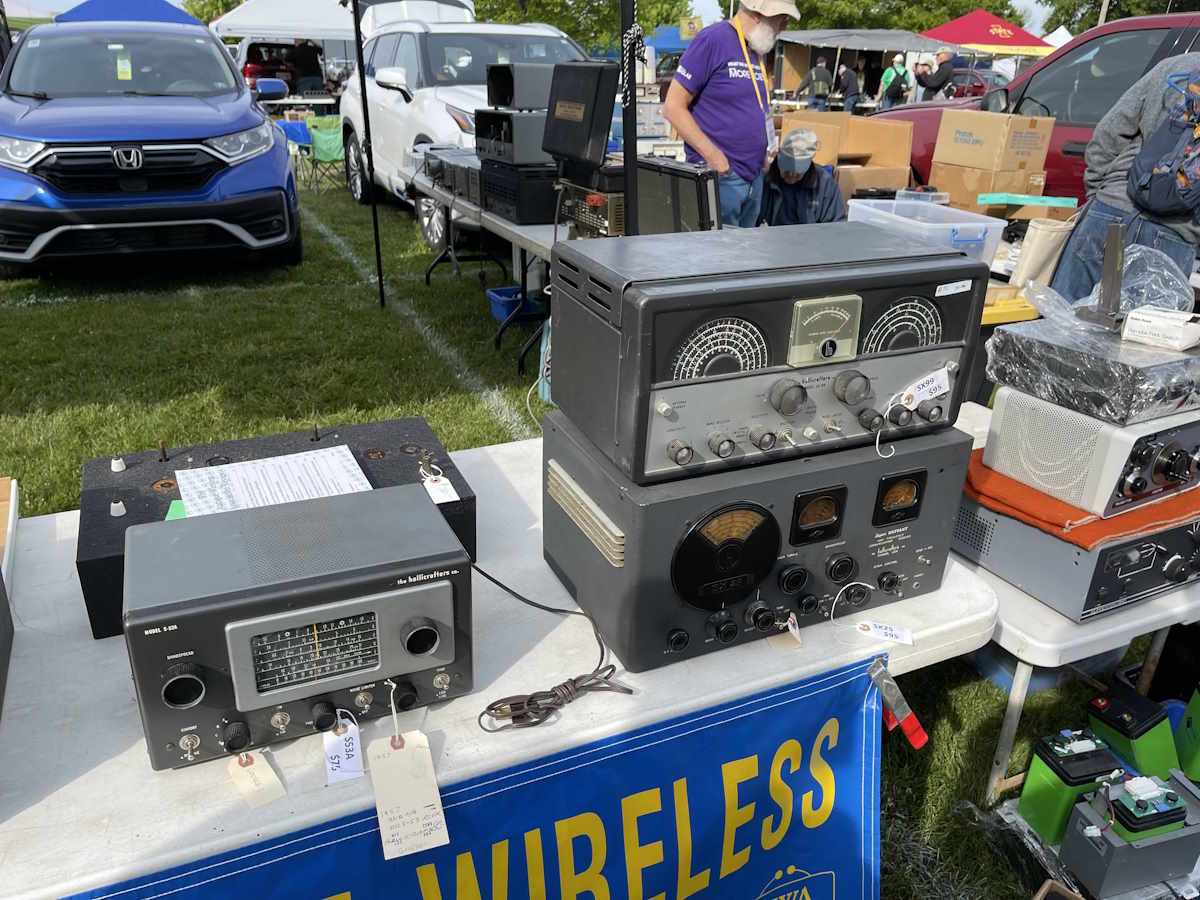
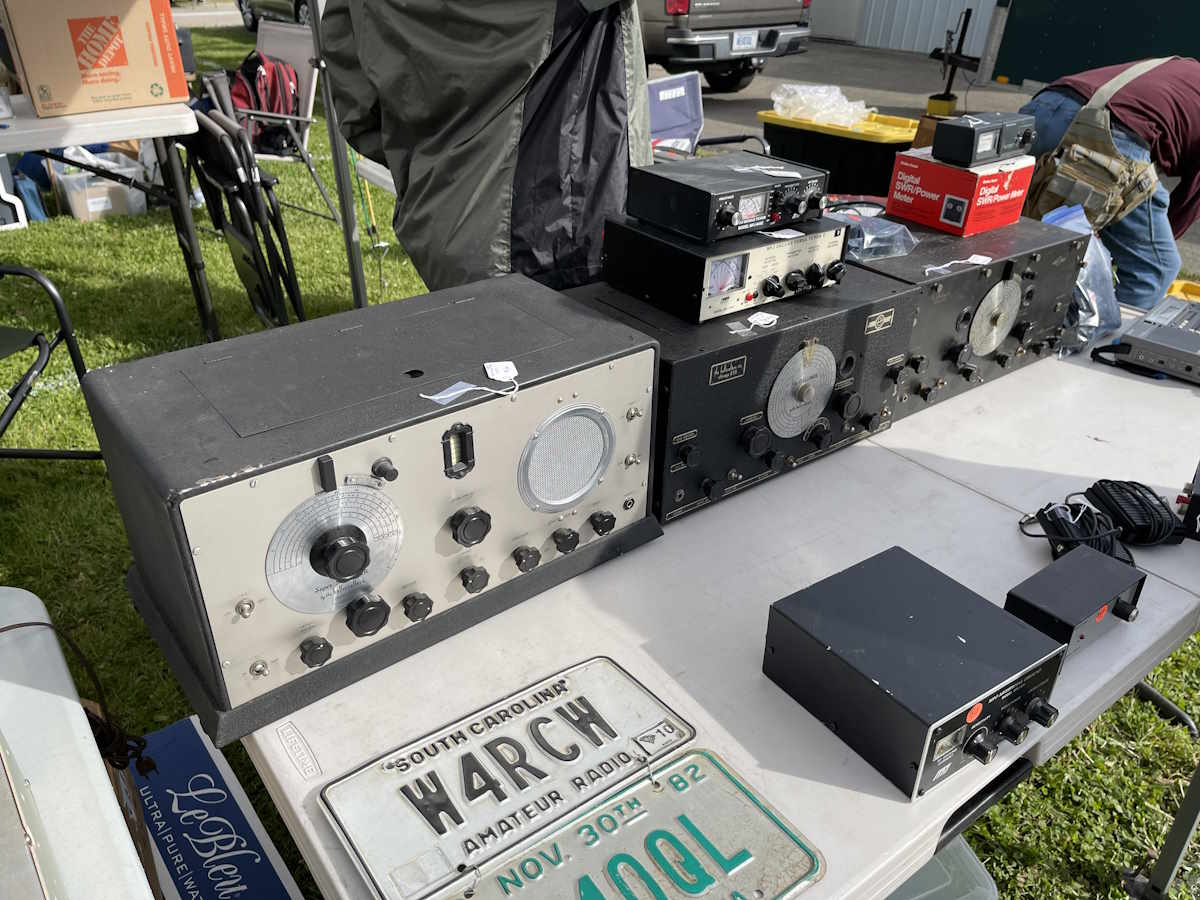
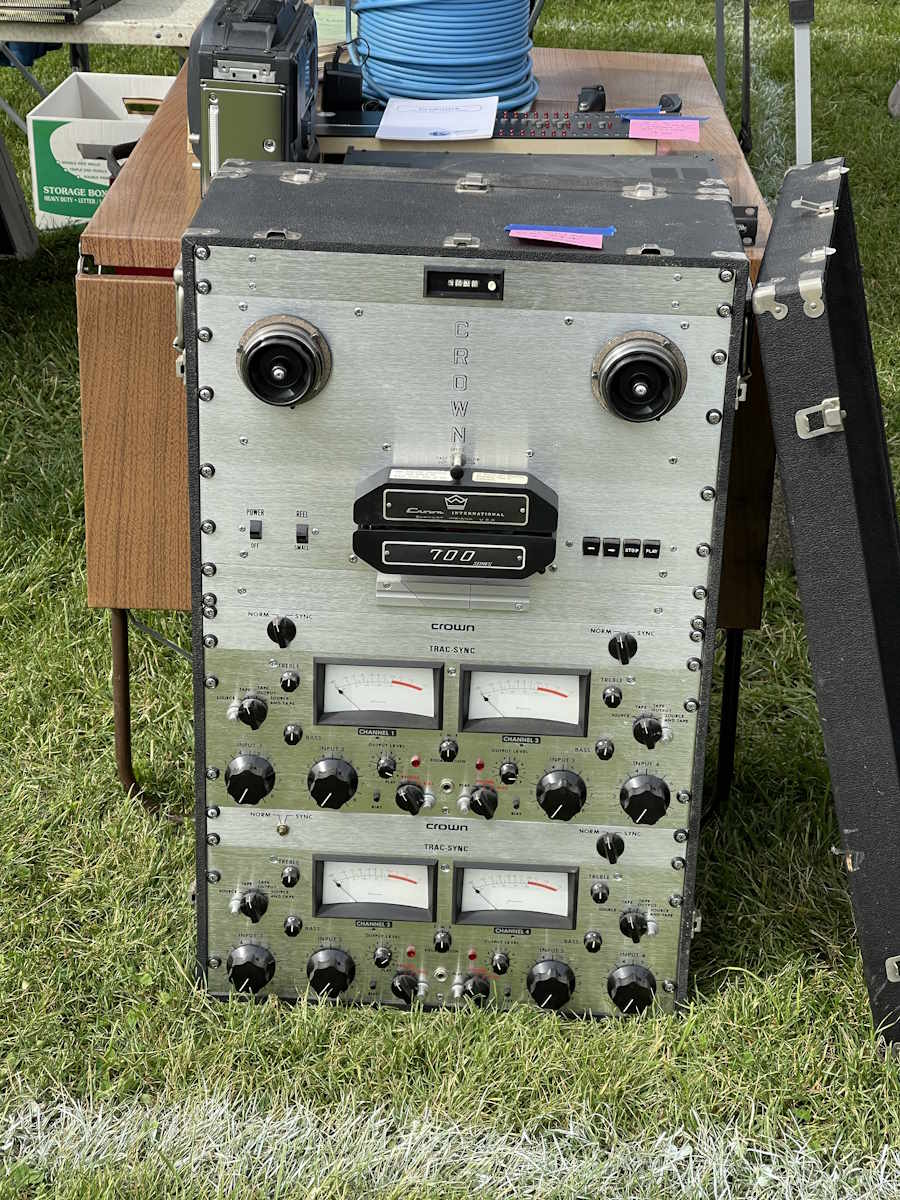
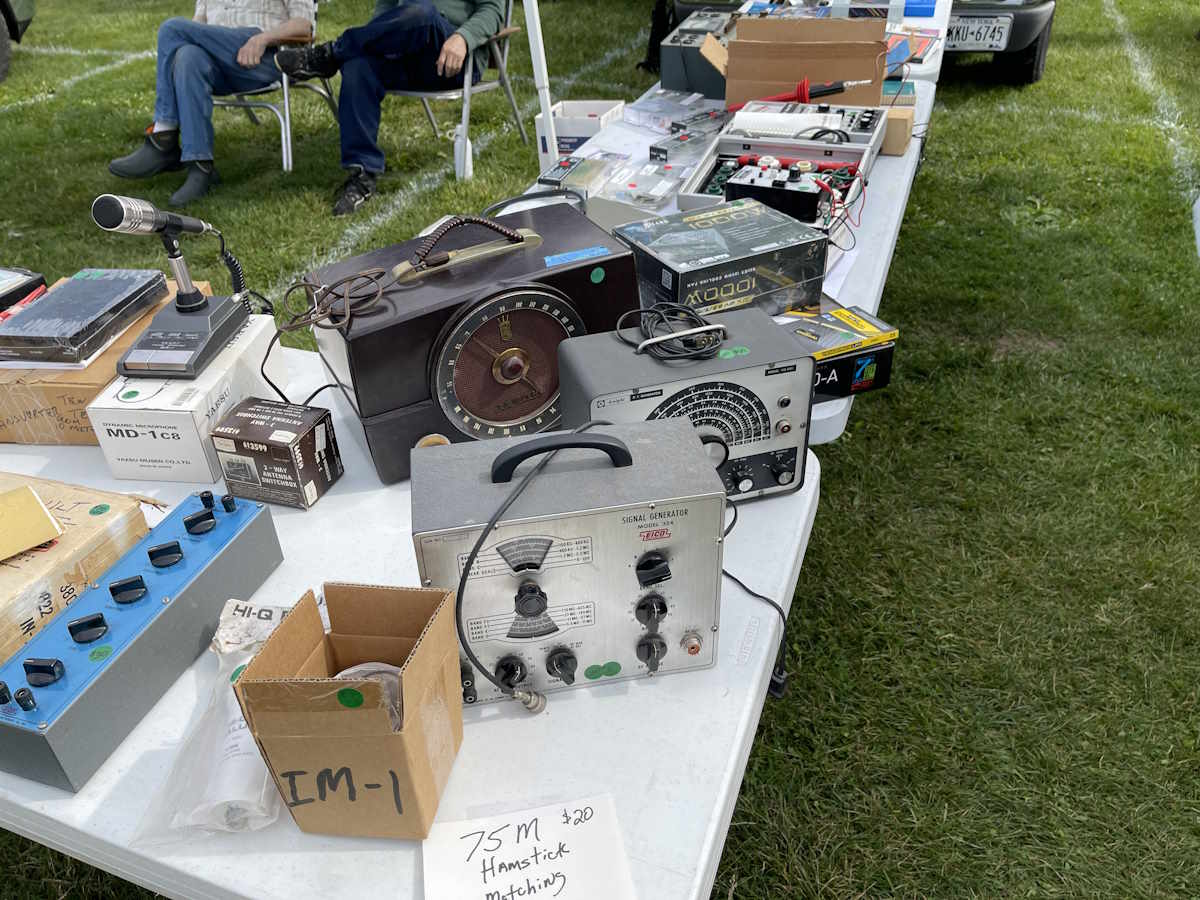
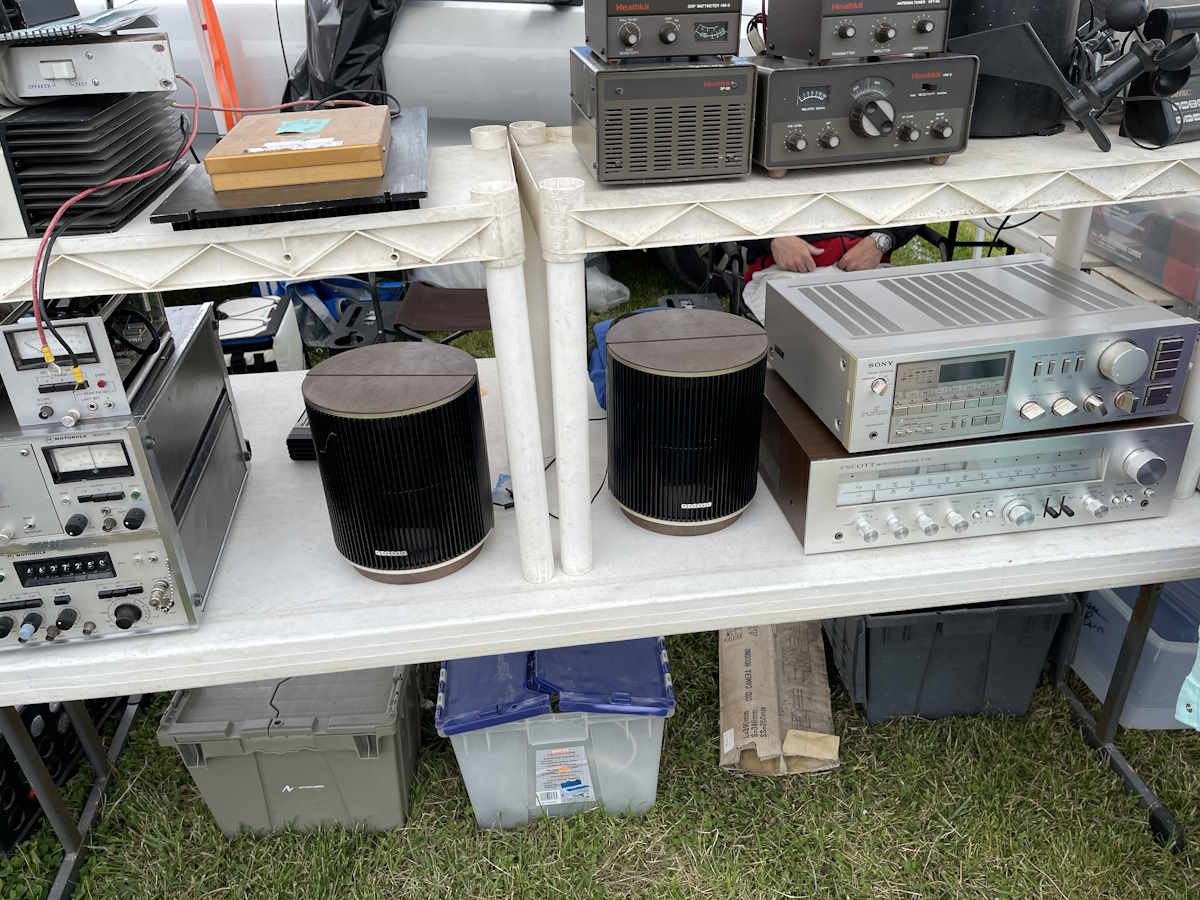
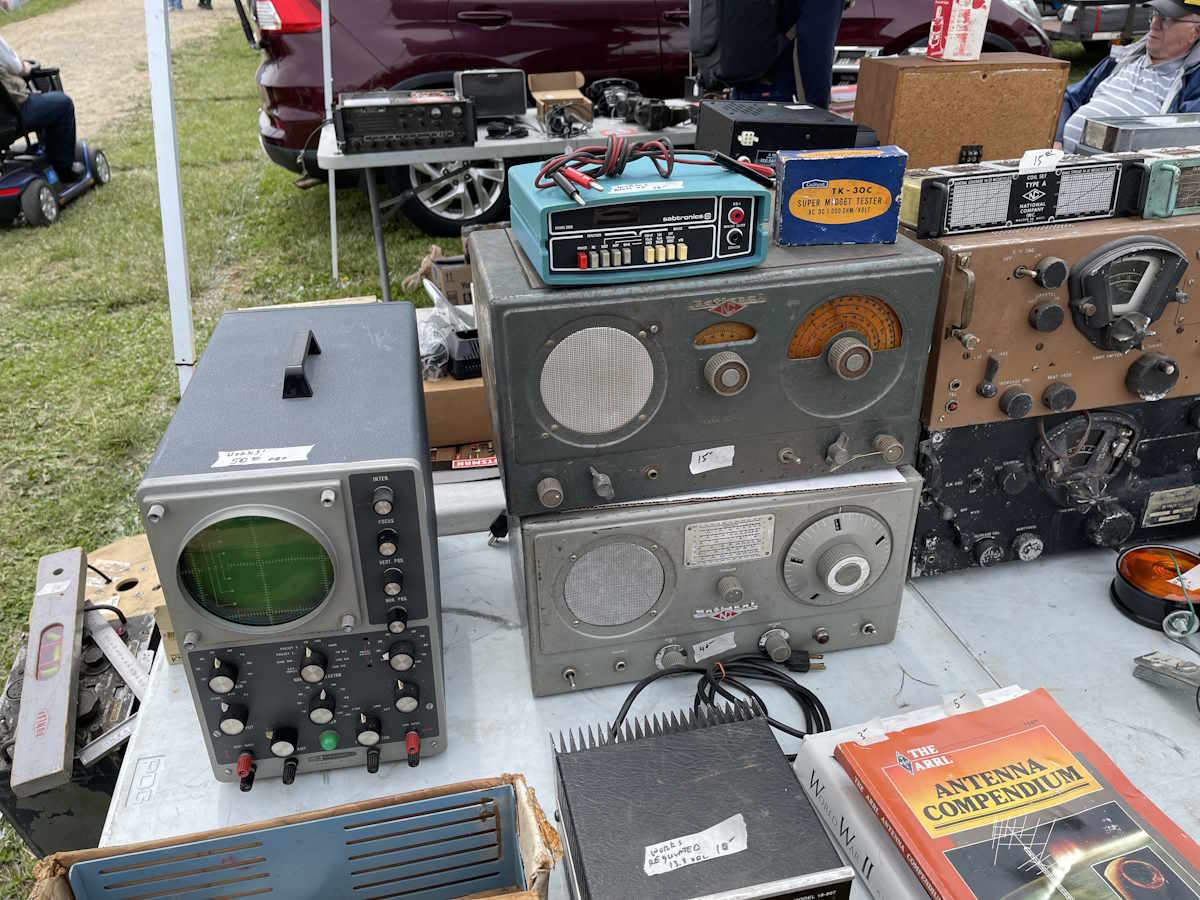
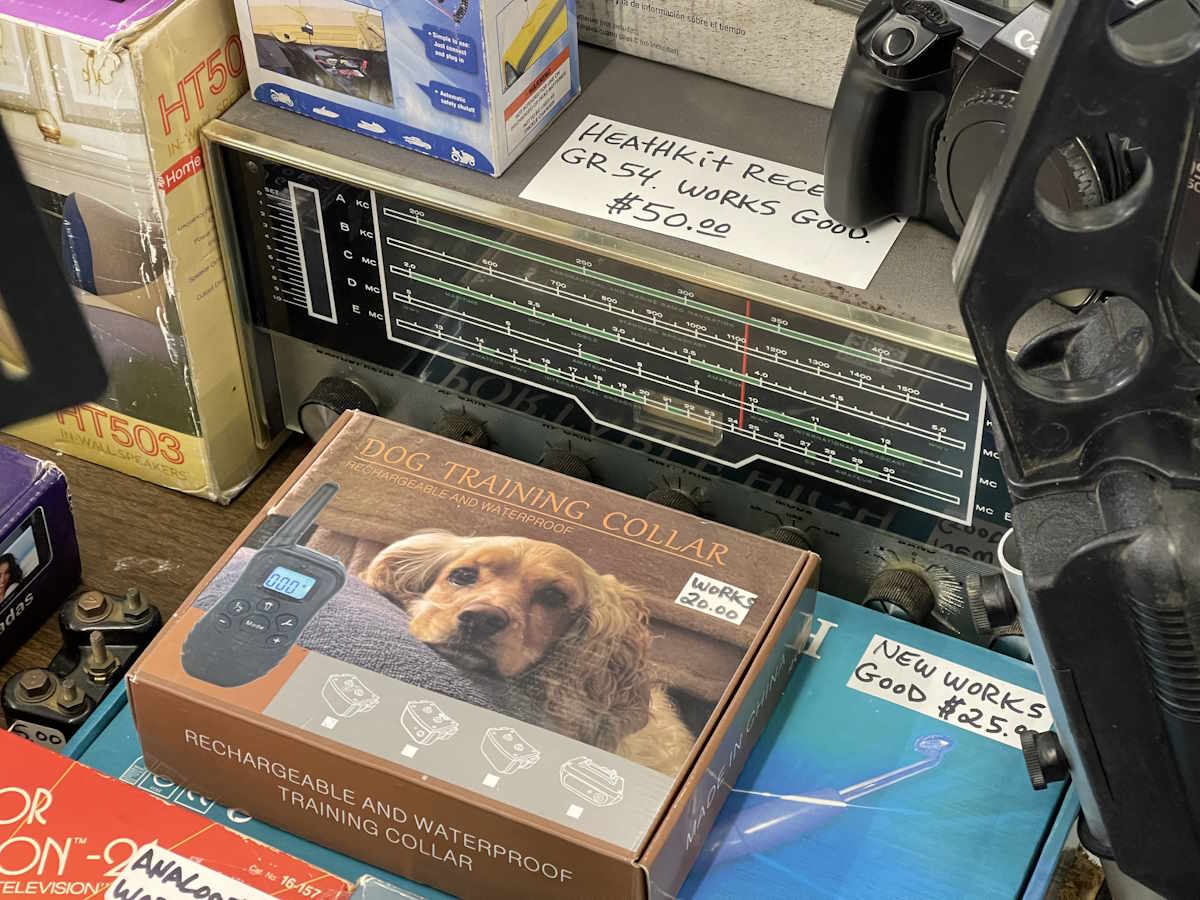
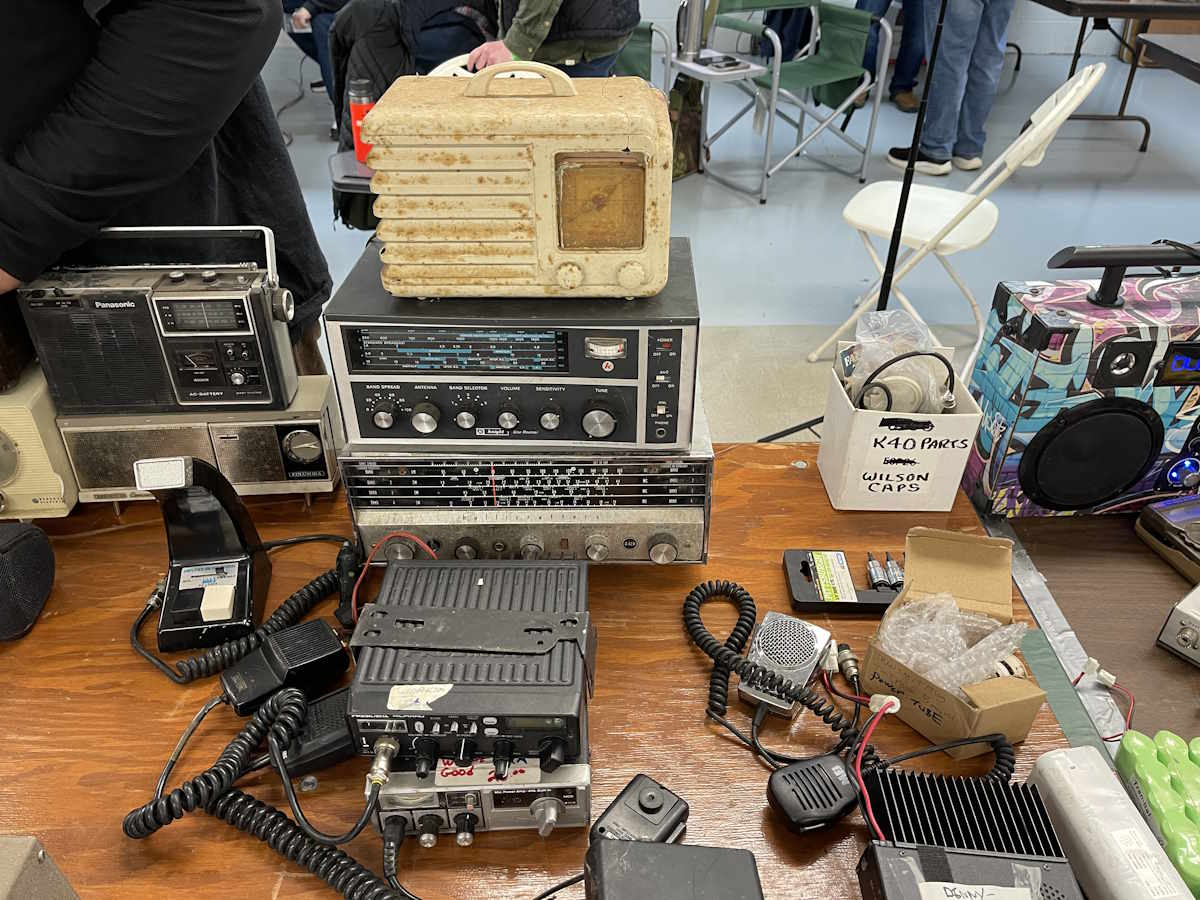
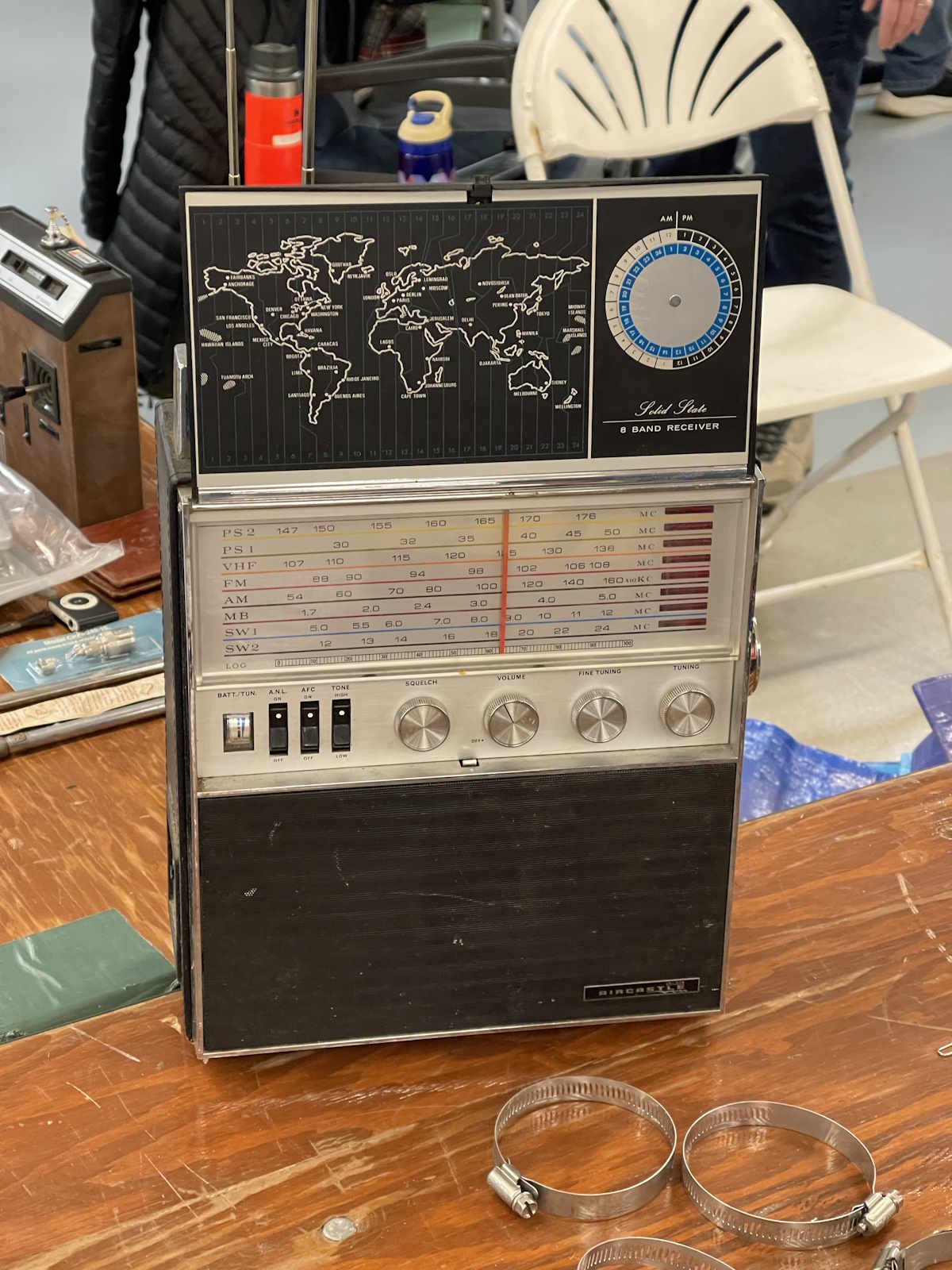
There was a bit to look at, but I had to struggle to find interesting things to photograph. Here’s a few things for you, some of these I know have showed up in the past.
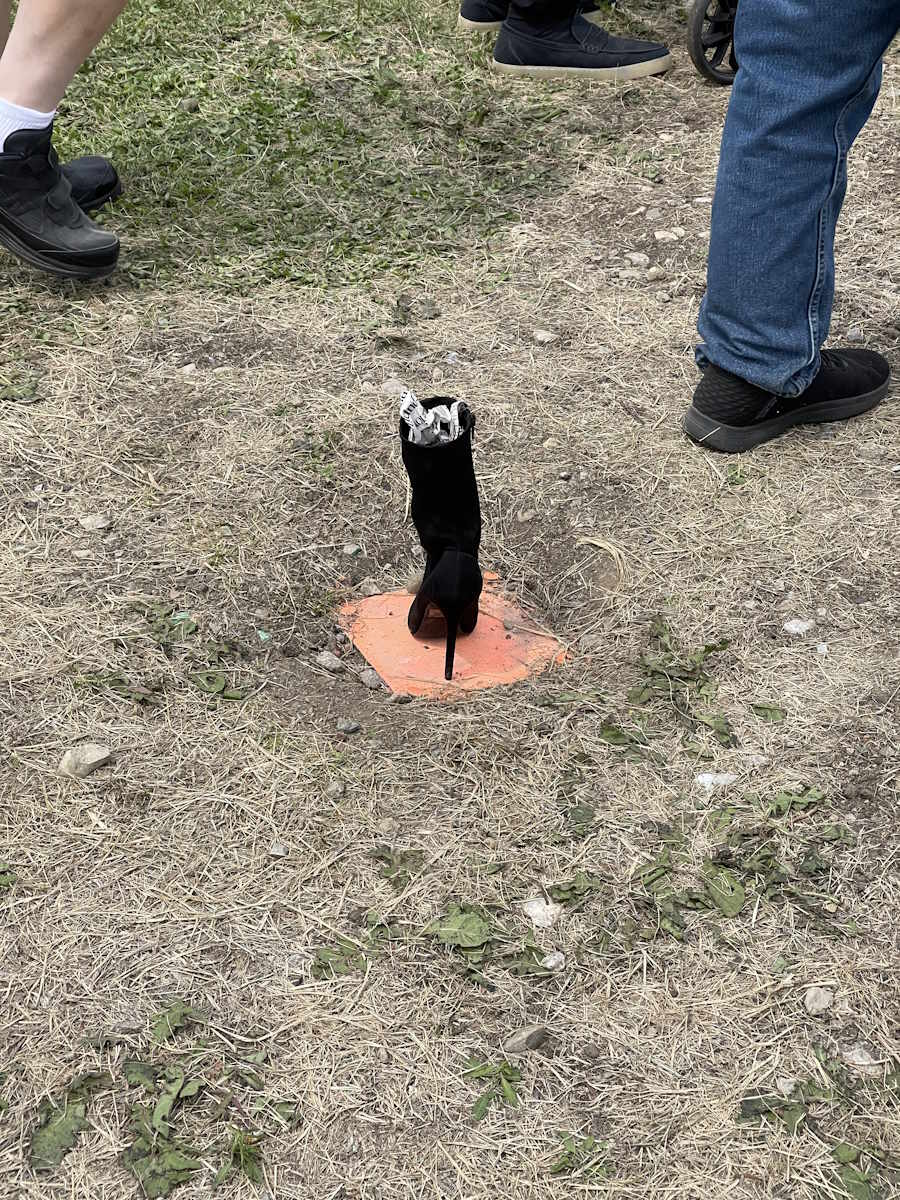
Keeping the ground from blowing away.
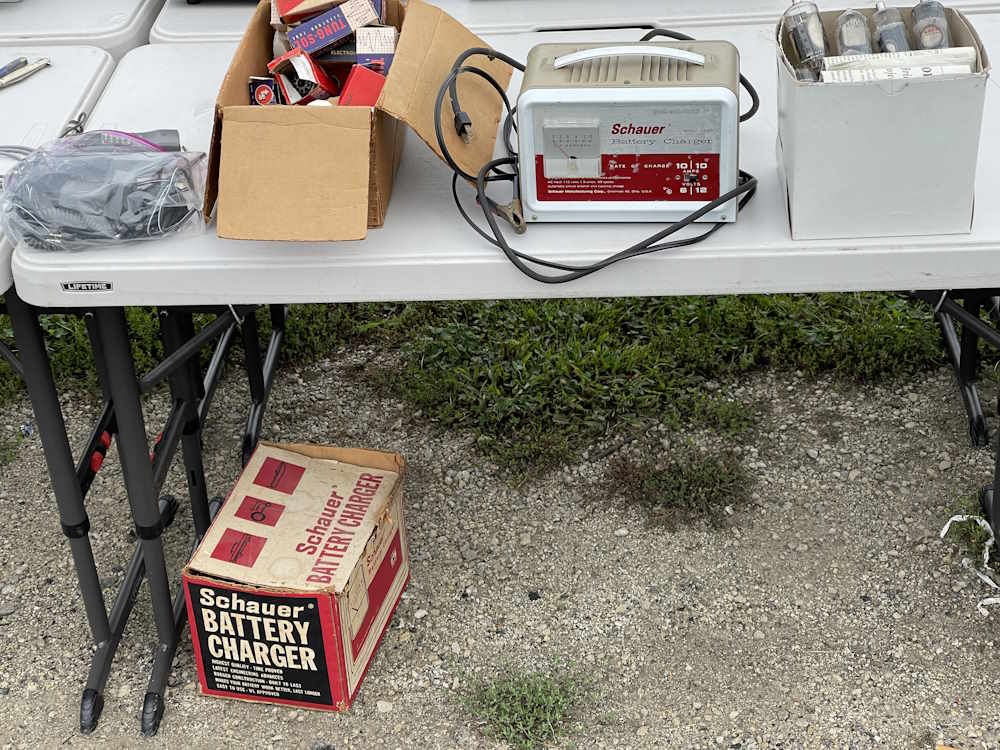
A nice old Schauer battery charger.
These are getting rarer
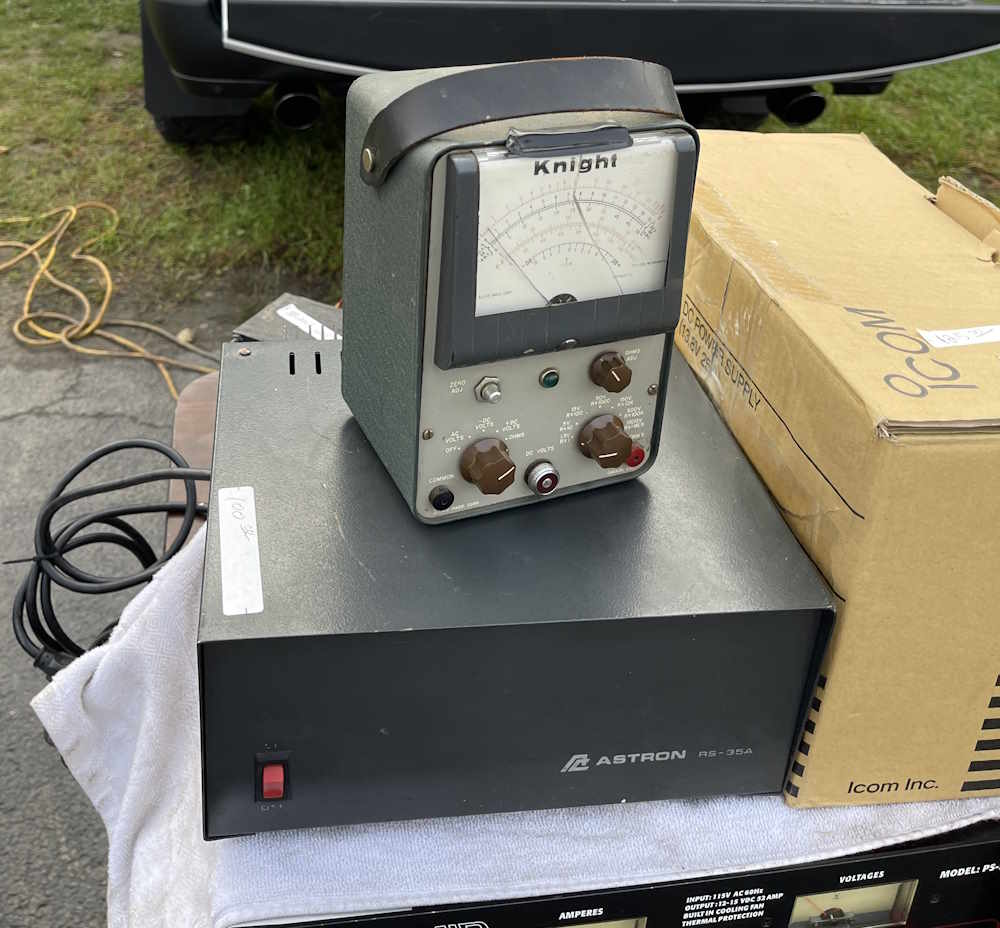
An interesting VTVM.
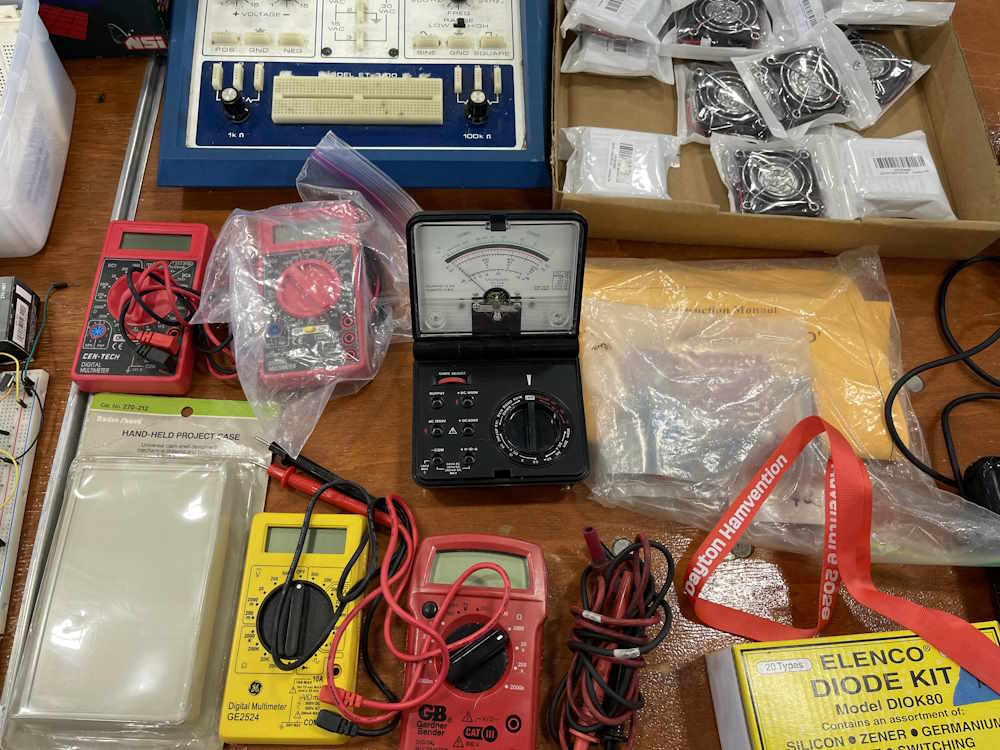
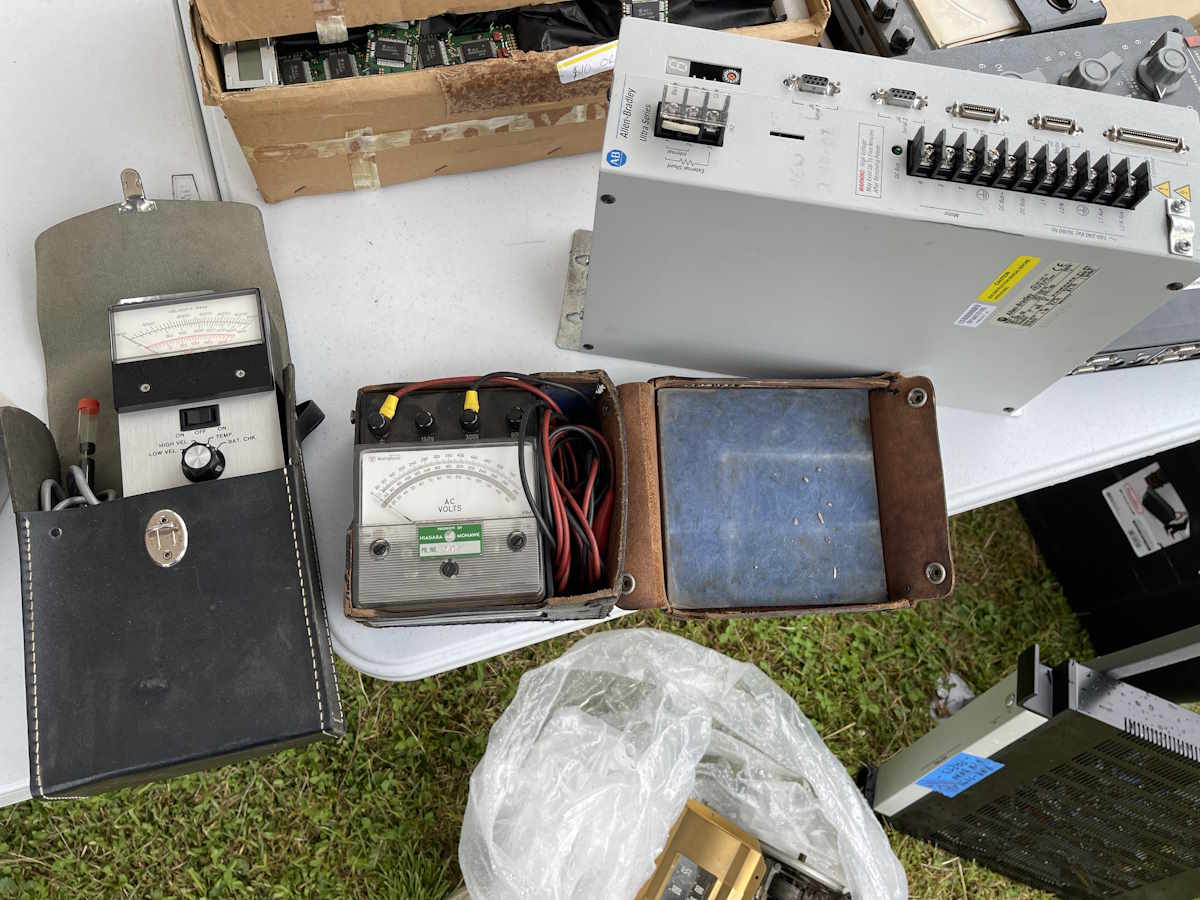
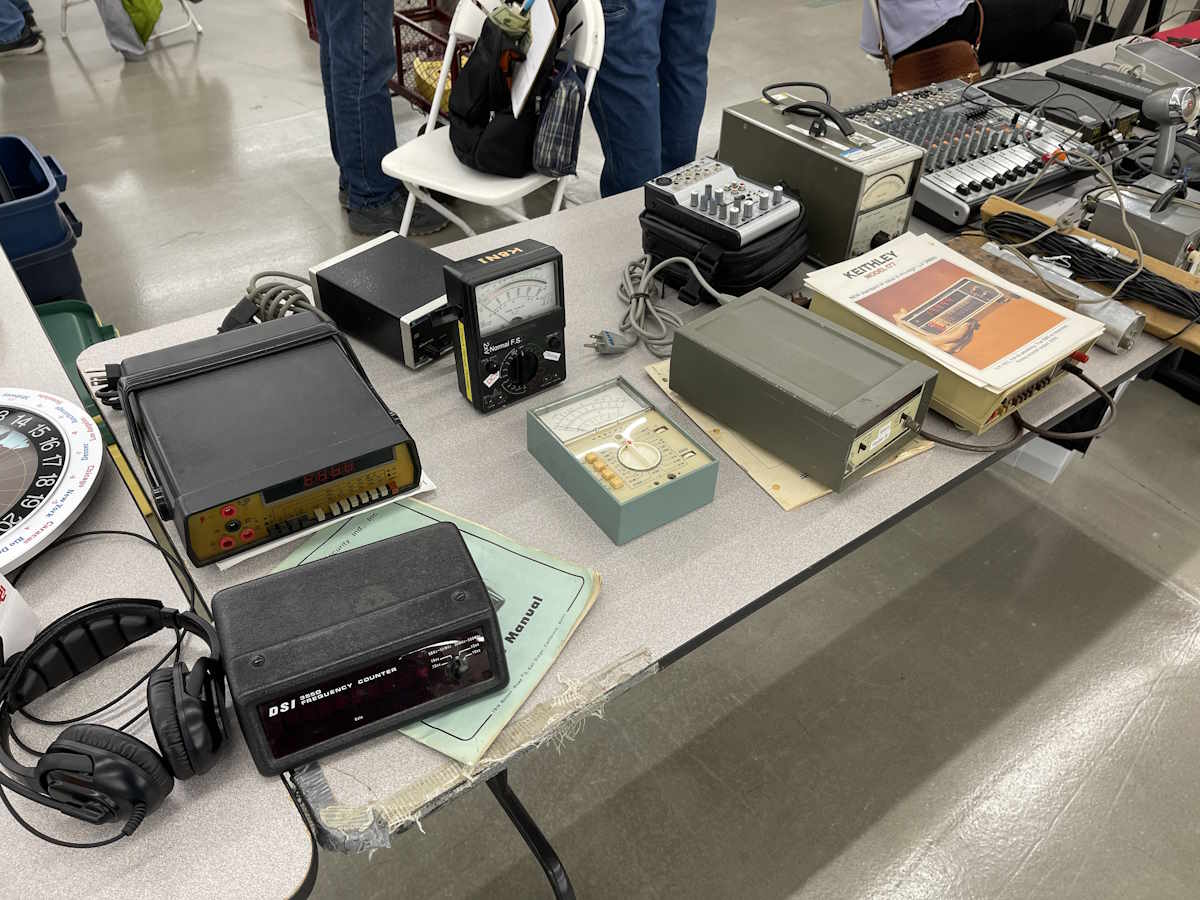
Meters. All kinds.
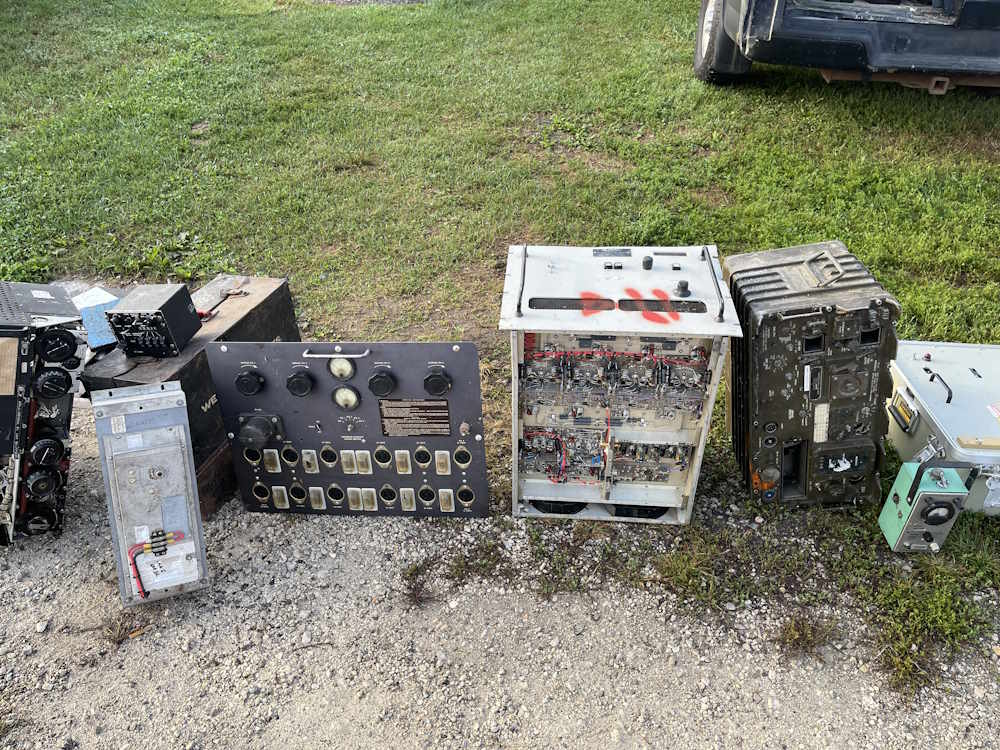
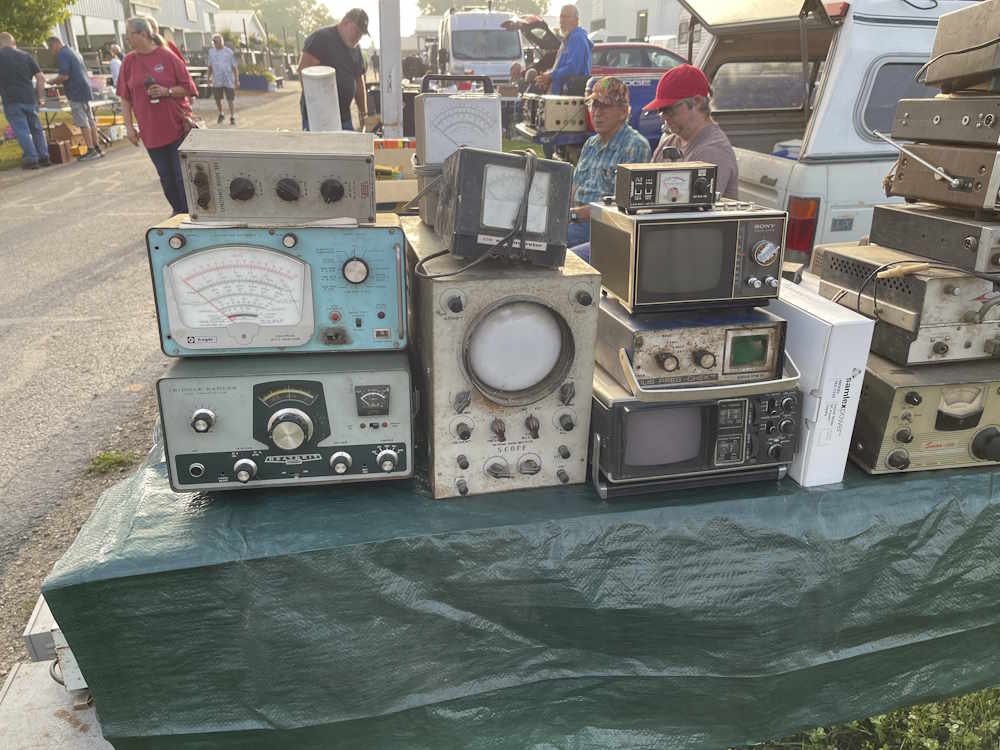
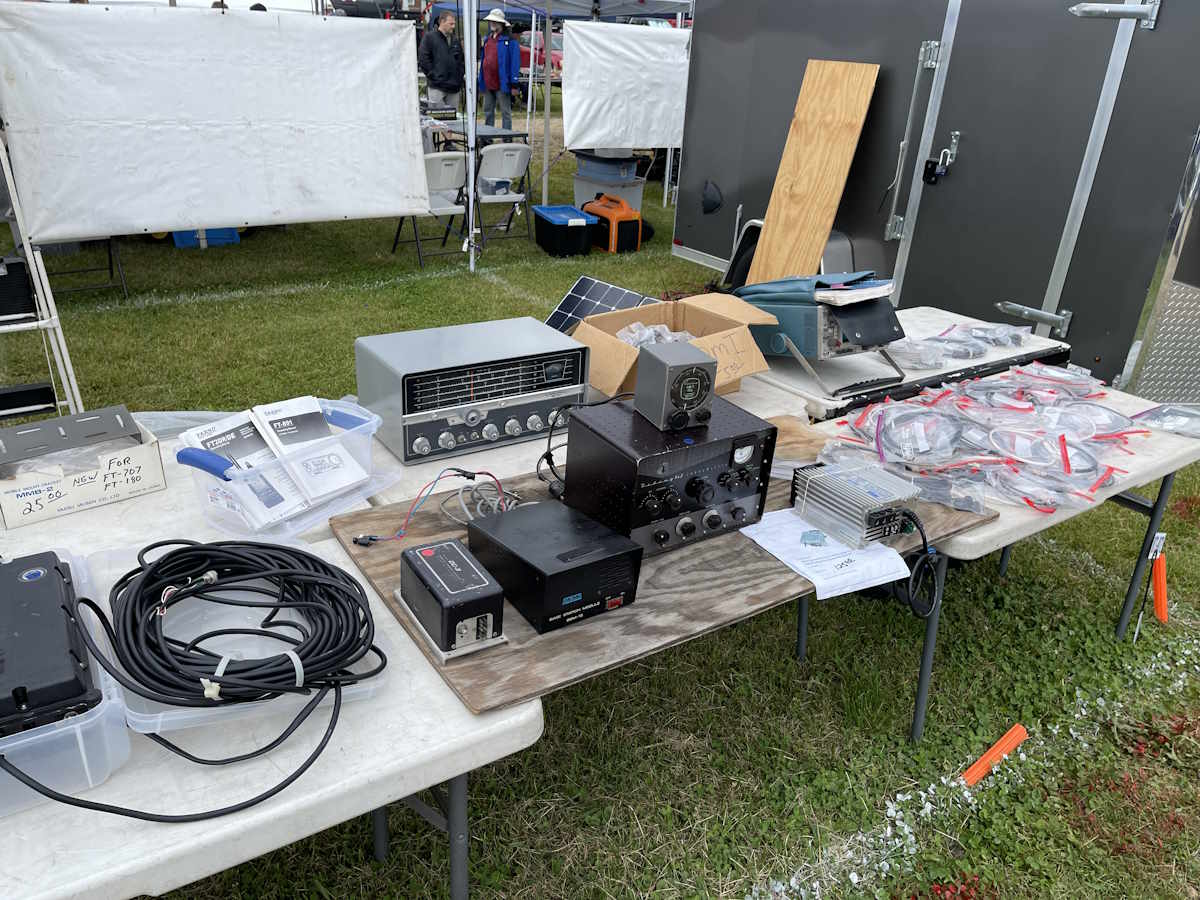
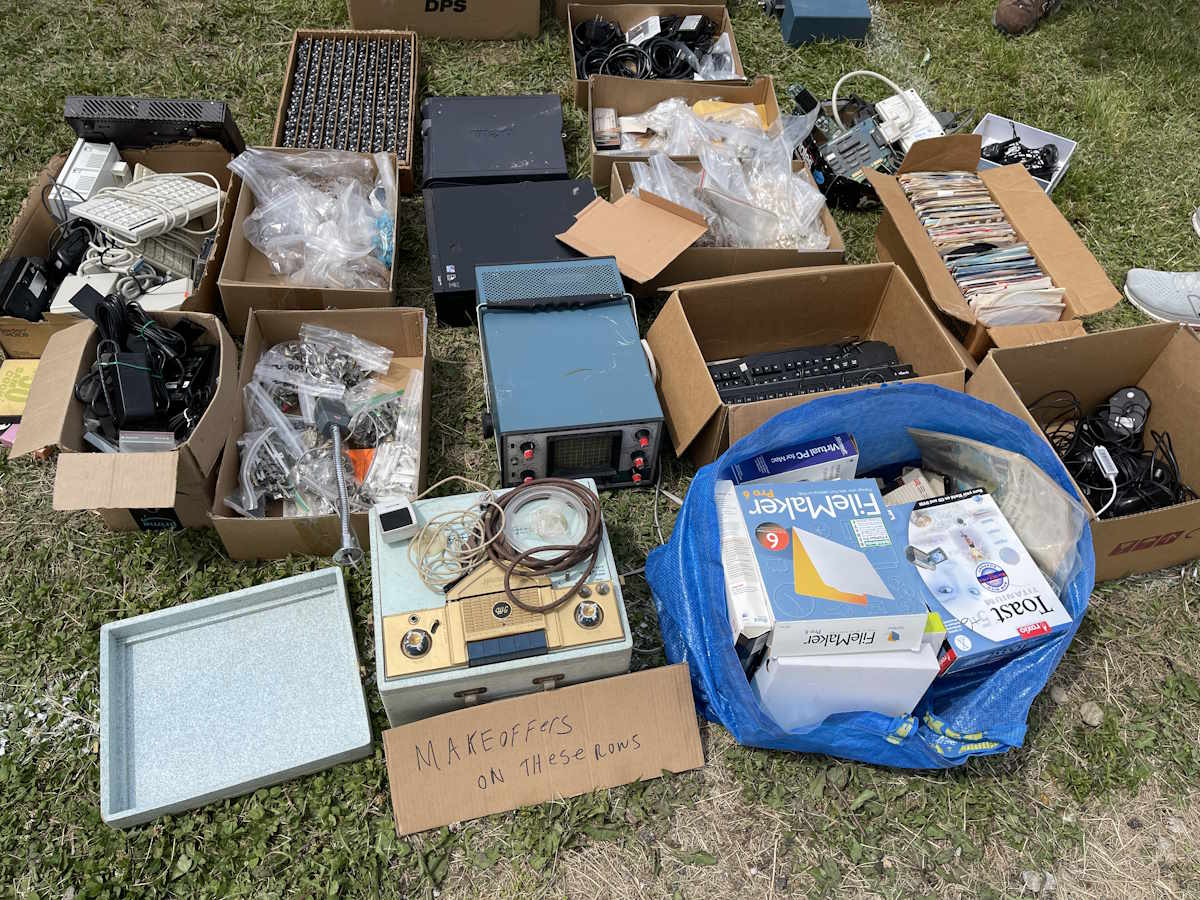
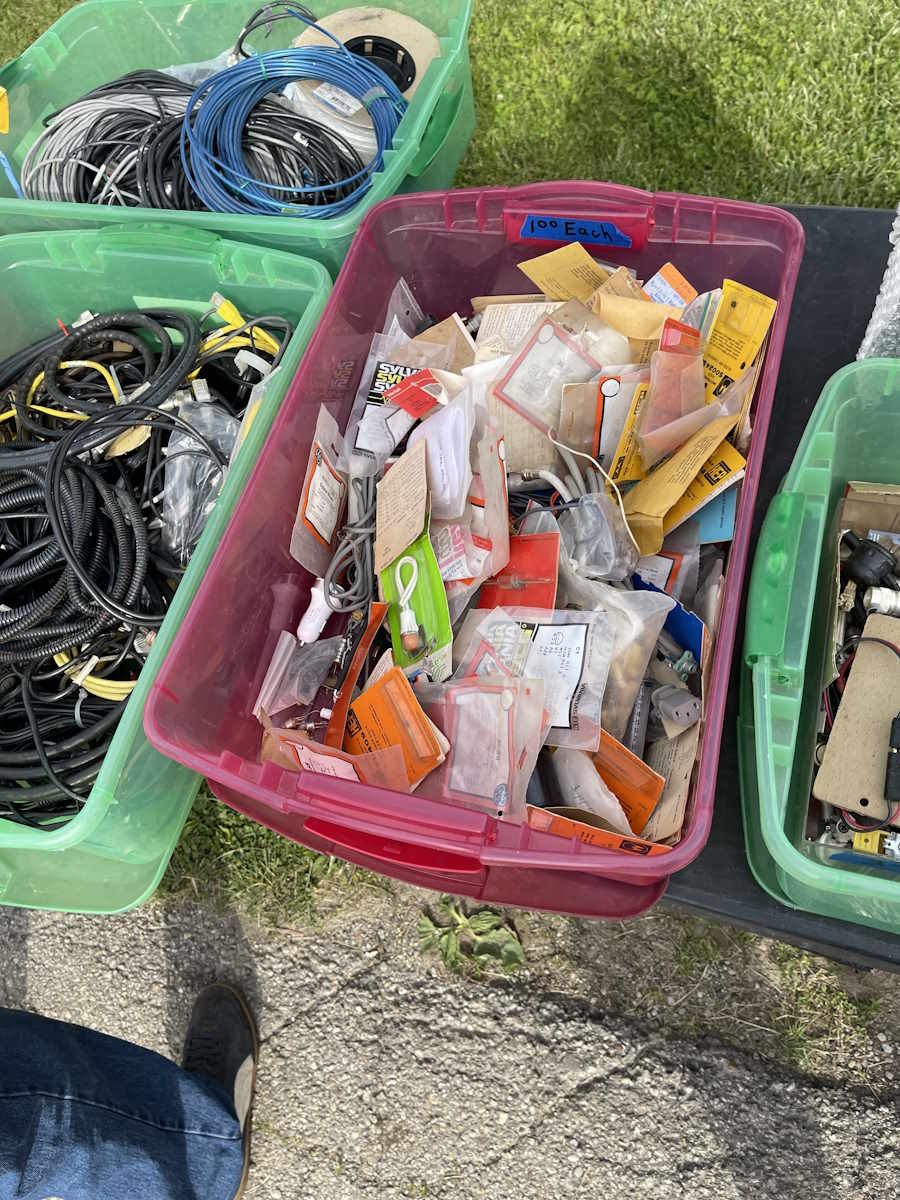
Piles of junk. Hamfest gold.
I see these here quite often.
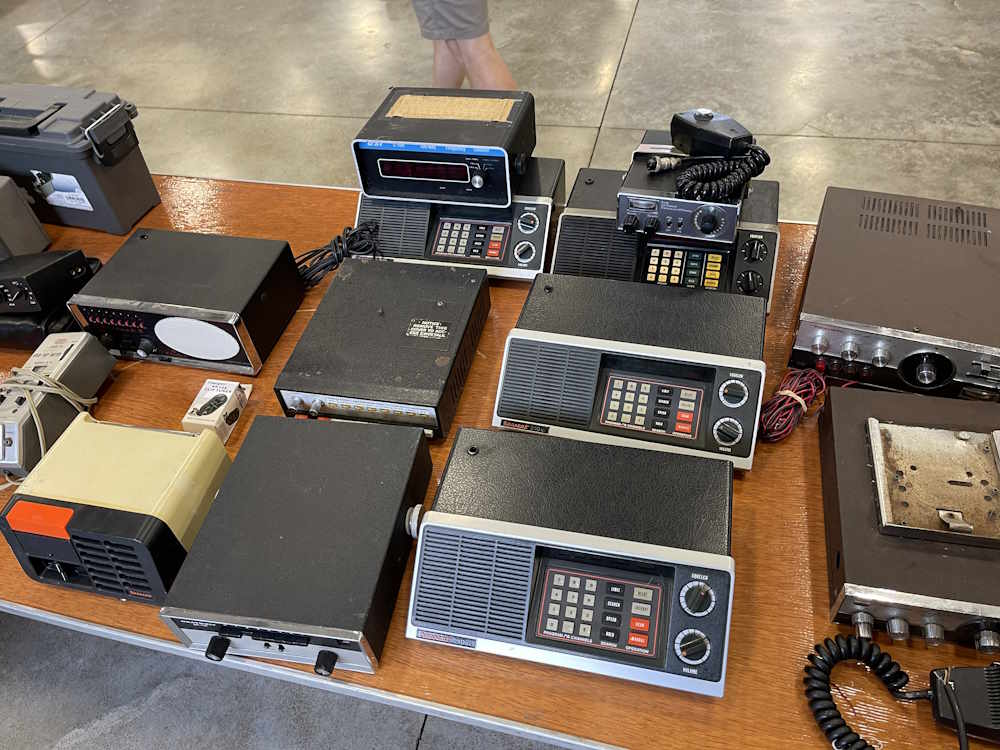
All the bearcats you need.
Next show is Cleveland, which has been pretty good so far, after that the Early Television Museum’s swap meet and I’ll probably close the year out with MARC @ MAPS and the antique show at the fairgrounds. Stay tuned!
The 2026 Cincinnati Hamfest happened this weekend, and size-wise it was about as big as last year’s event. I spent just under 2 hours wandering the grounds a couple of times, and picked up a few things.
While it did rain, it held off for quite a while. Prices were generally pretty good, but there was one guy that was selling stuff that made me question what was going on - including someone’s printed-from-the-internet manual copies for $10. I guess you were paying for the “Estate Sale” sticker. not sure what that had to do with it, but it’s free on BAMA. I seem to remember this booth from last year, and it was the same…my companion and I both looked at the stuff and said what? There was also the usual assortment of “I bought it at this price!” prices on things, but you can get it for less new.
There was one of those little tester boxes I wanted to take with me, but the guy said you have to take this big box of consumer cables with you. I didn’t want to carry 30 pounds of F-connector and RCA cables away just to toss them in the trash - and in the trash they would have went.
There wasn’t much else I wanted to take home other than a HP334A, but I have no use for that. So it stayed.
A couple of anchors. I took the rowboat anchors.
These weren't well priced.
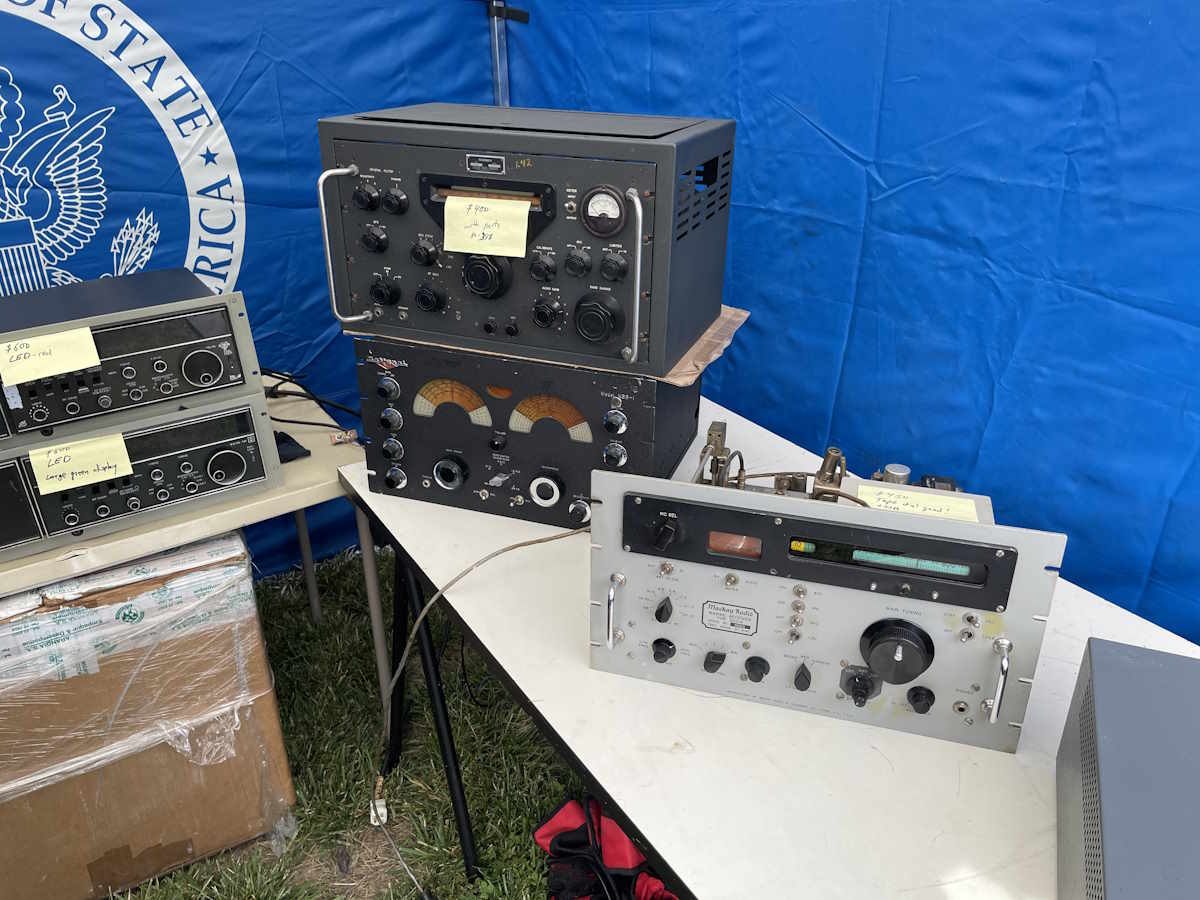
Some big old rack mount units.
A lovely Majestic console.
I took the little Welch ammeter.
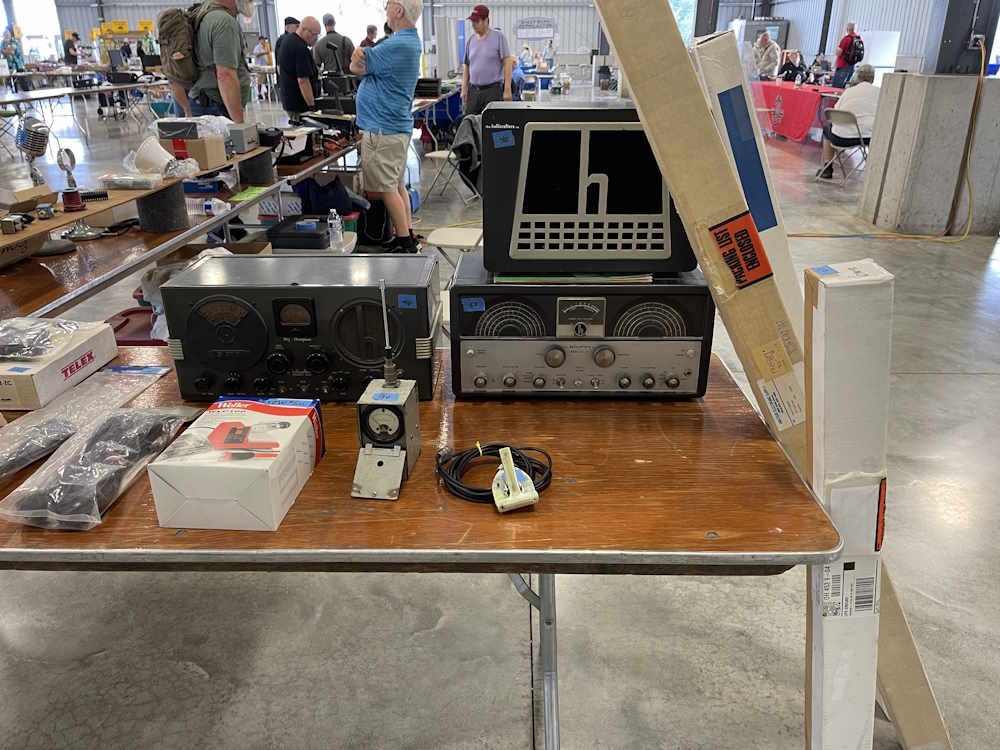
Still plenty of these around.
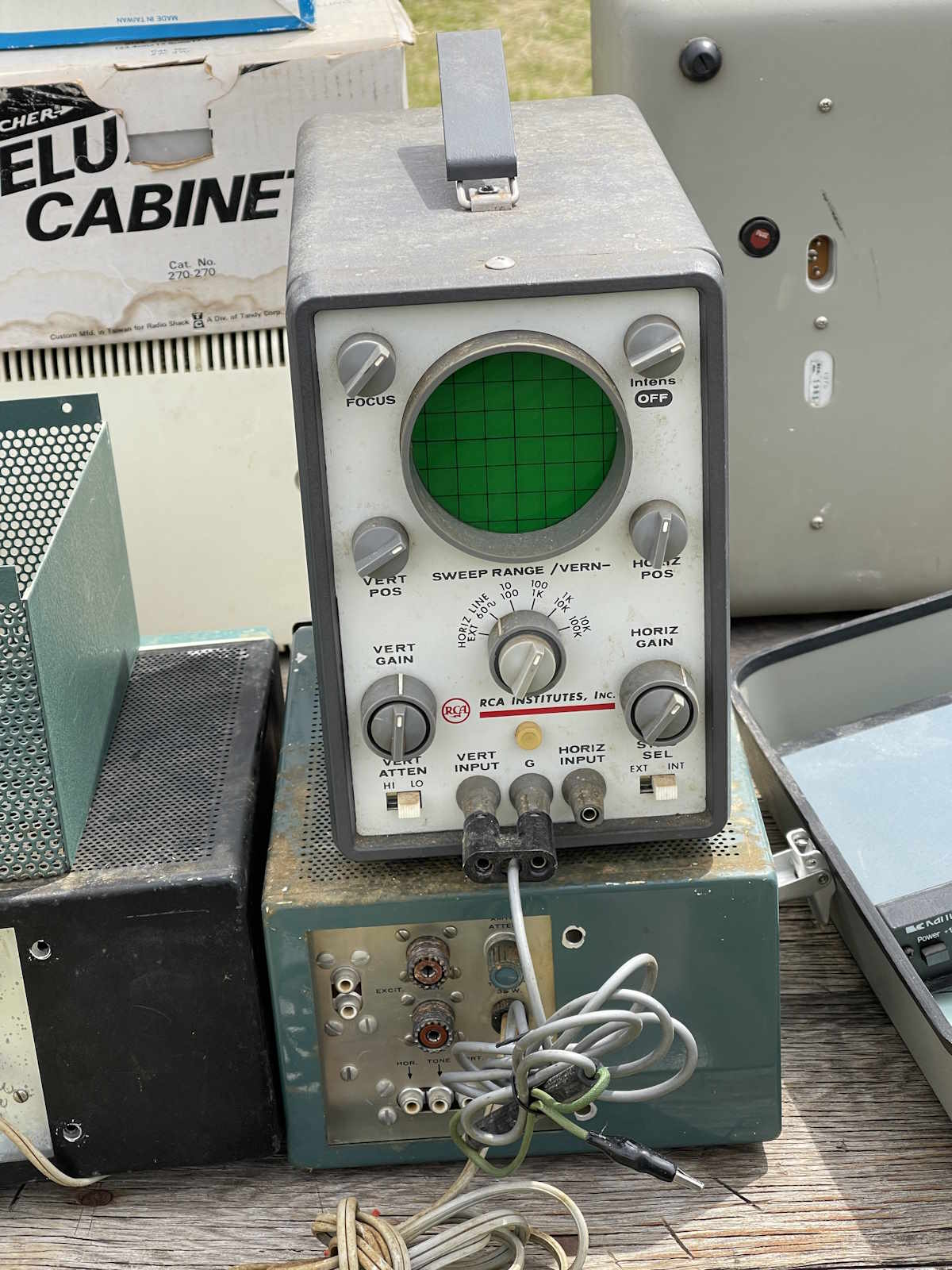
Some Tek chassis units.
I wanted to take this but not the giant box of cable with it.
In all, a pretty good show. I went with a friend, we went to a local place for lunch that we both like, and ended the trip with a stop at Jungle Jims.
I recently did an unboxing for a Radioddity GS-10B Pro. The included battery charger didn’t work, and a friend offered to help me open it up to see if we could figure out what was going on.
I recently picked up a big lot of test equipment. There was a unique R-C bridge and this EICO 150, both of which I wanted, as well as a couple of old Leader RF generators and a couple of meters. Other than the first two items, most of the stuff was in really poor condition (foreshadowing!) and was of little interest - or was broken beyond repair.
The EICO 150 was the biggest piece I was interested in, as I have one already and wanted to obtain another for comparison and other purposes.
However…as I found out all of this equipment had been modified to extremes over the years. Here’s the front panel:
The trim ring on this, while intact in the original pictures, was completely shattered when it arrived. I tried to claim insurance on it, but the seller just said they couldn’t do it as it was all packed in the box. Well…yes, but there was very little packing material for the equipment itself. This stuff was shipped by airline, and got tossed around. All of this stuff was knocked about and this piece in particular was quite smashed.
Fortunately, a friend was able to model a trim ring, and we’re waiting on some gray filament to make a test print. Stay tuned on that one, I’ll post the files as soon as I have them and we’re happy with the quality.
The back was in ok shape, one of the cord mounts was bent. This looks to be a chassis problem and can be knocked back into shape. The cordset, however, is a mess and will need to be replaced.
Inside, it’s even worse. I could see there were some changes made just by peeking in the hole left by the ring. But to what extent, I have no idea.
That’s certainly not the OEM amp board. It’s also not the OEM power supply. Everything has been modified. The underside has a bridge rectifier power supply with a few parts just floating in the air. Did they come off their terrible joints, or were they placed like that? I have no idea.
That’s the amplifier board. It’s using an AN214, an old-school power amp from Panasonic. This one has the Matsushita triangle on it, and of course Panasonic was one of their imprints. It commonly showed up in low-power consumer electronics, and is usually rated around 4W. This board probably came out of such a device, but who knows. It’s obviously pretty old.
That’s not supposed to be there. It’s an across-the-line capacitor and looks to have come from an old radio or television of the 1960s. Soldering is poor to terrible on all of these connections.
Pretty much all of the switches have been cleaned of their connections.
The meter drive is similarly messy.
Even the power transformer has been changed out. If the label on the top is correct, it says 15V 1A, which is much less than the higher voltage unit originally present.
So…the million dollar question. Does this thing actually work?
Yes. It does, and is actually very quiet - i.e. no noise. This amp board is quite well made.
I want to make this thing work properly, so it’s going on the bench at some point. There’s a lot of cleanup, and I may lay out a board for it, just to see what I can do.
We weren’t sure what the day was going to bring, it looked decent but was promising rain later.
While the rain did hold off, it started raining shortly after we left. Later that afternoon, it became dangerous, including a tornado touchdown somewhat north of the area. This was followed by torrential rains, and then a lovely cool evening.
There was some good stuff at the show this year, with more of the kinds of things I go for than I saw at Dayton this year. I picked up more at this show, things I can actually use (and one project) so it was a pretty decent show. In all, I think the threat of rain kept some away, but there was a good turnout nontheless.
here’s what i saw at the show:
An ignoble end to the Bell System.
Some Atwater-Kent goodies.
Right off the boat from Hong Kong.
One of Heathkit's FM Deviation Meters. It was rough inside.
A rather unusual piece of Heathkit equipment.
A wonderful example of a “Majestic” style console.
I can't remember what house brand this was.
I took this one home.
I also took this one home.
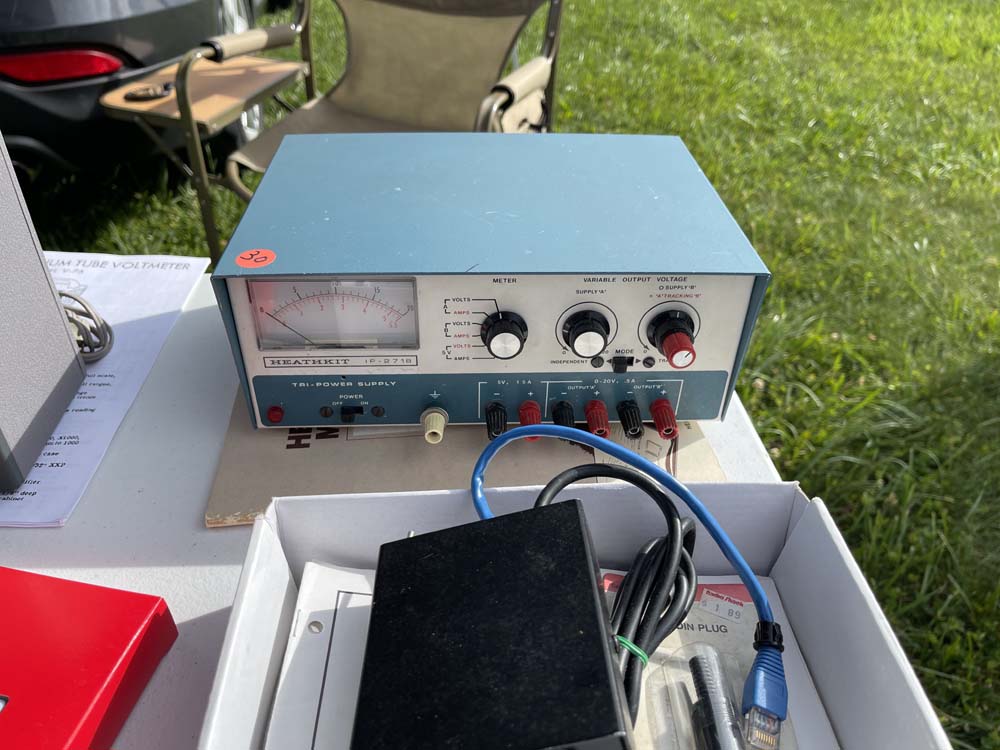
A nice Heathkit bench supply w/manual.
I took some banana plugs (not shown) home.
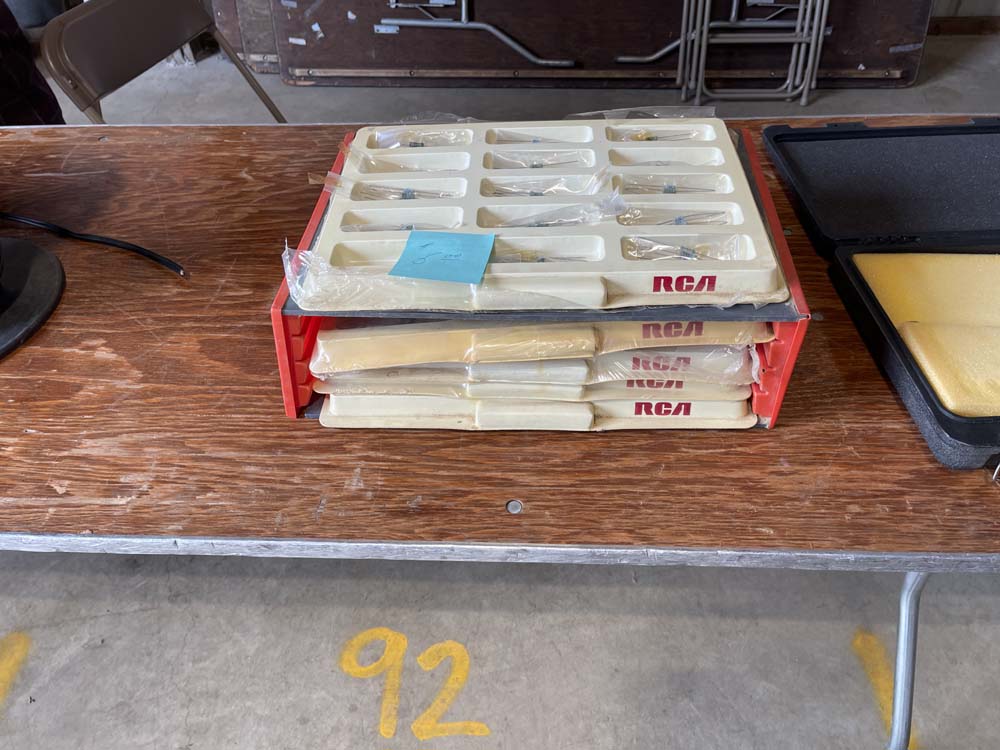
Some cool old RCA component trays.
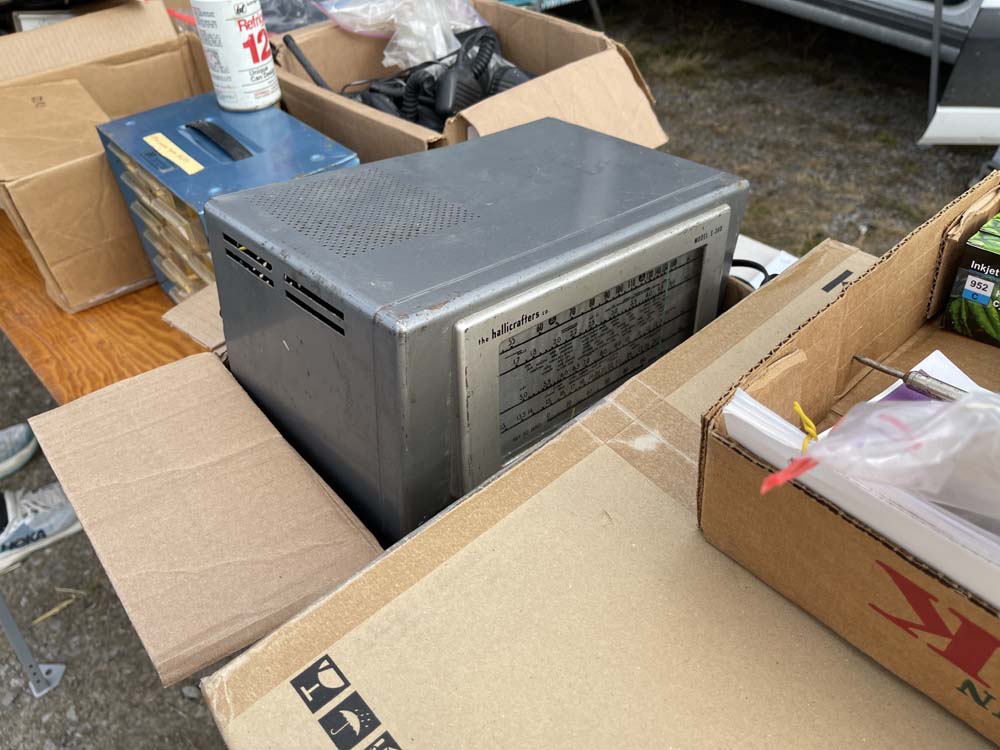
A slide rule S-38.
One of the few boombox devices I saw.
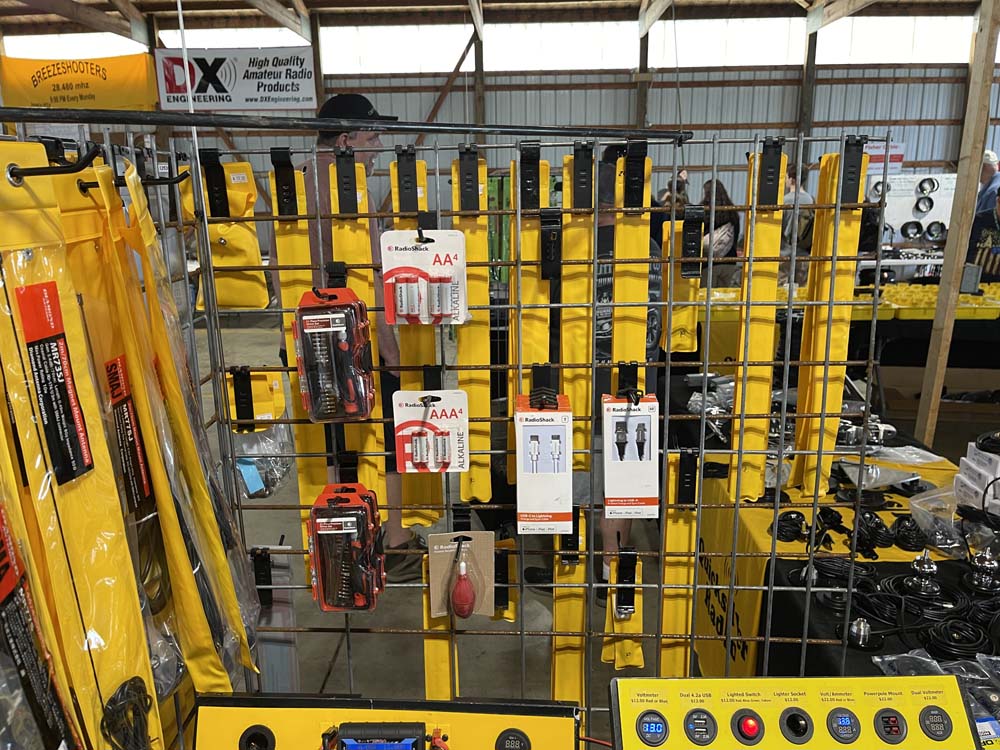
More rat shack stuff.
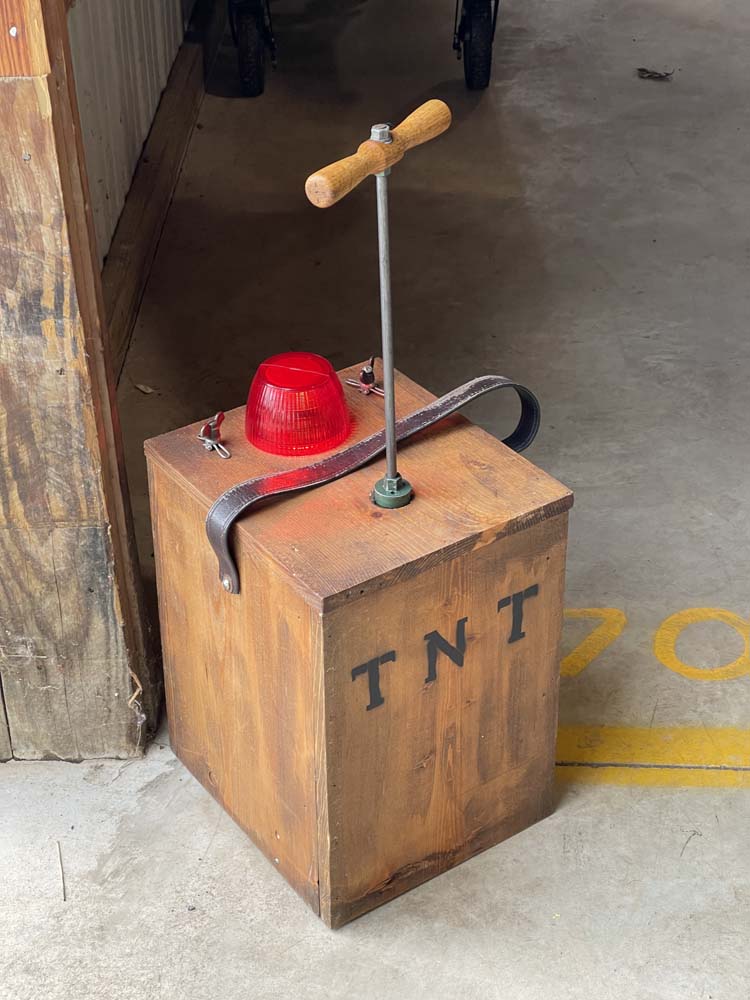
Boom? Boom.
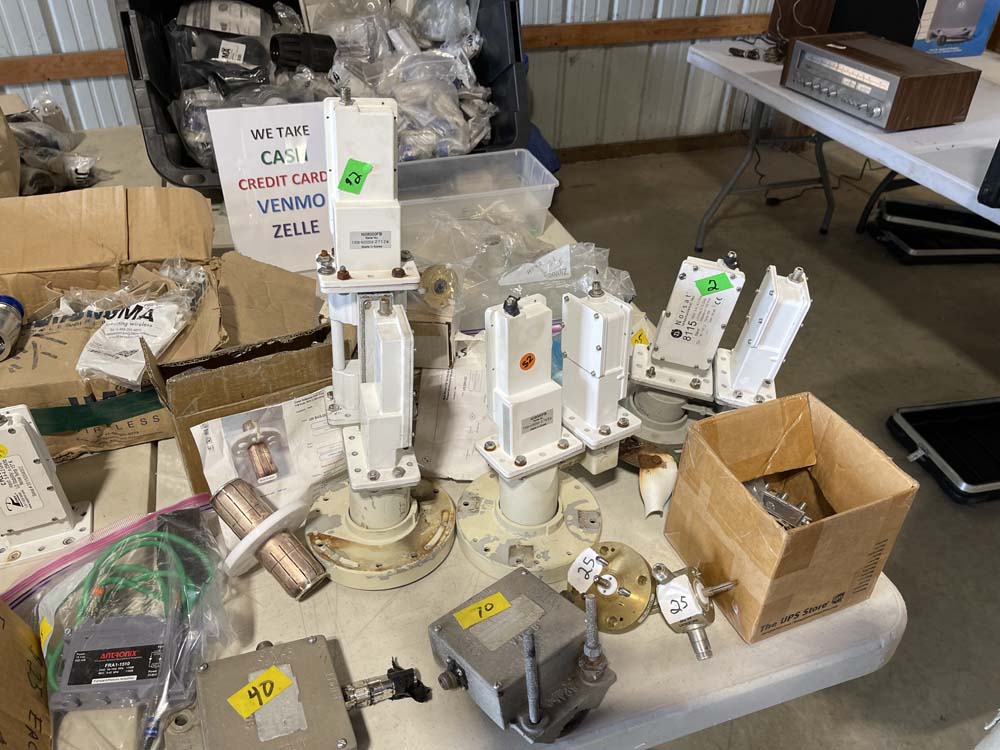
Some waveguide bits n bobs.
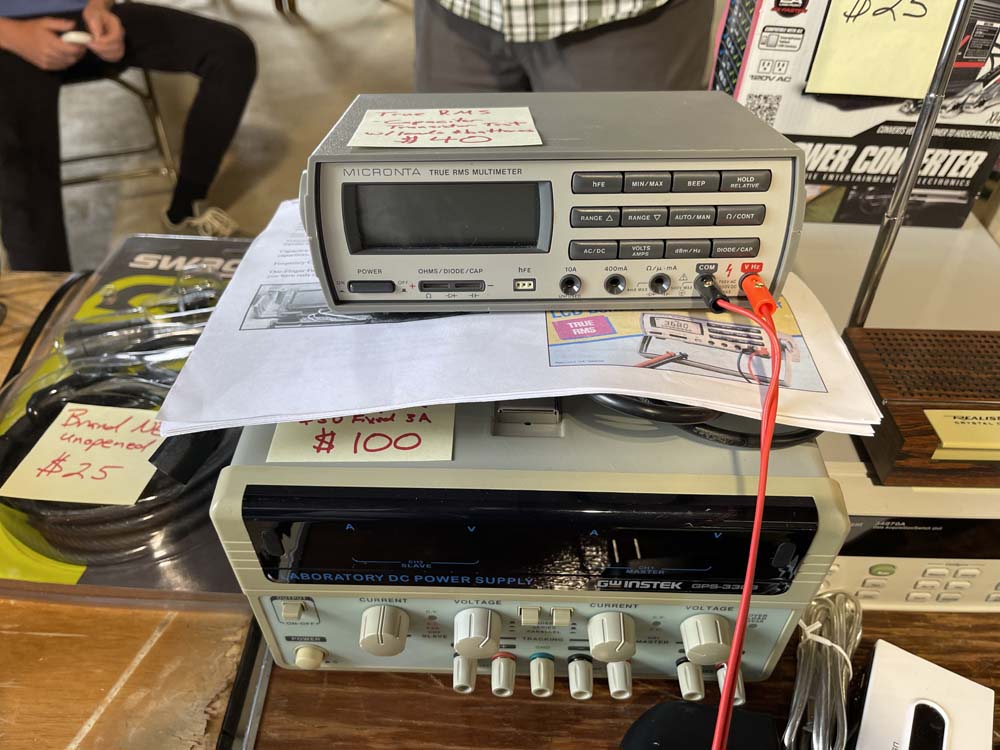
The Heathkit Distortion Analyzer came home with me, I have a better chance of getting this one operational than the EICO unit i had earlier (Later me says it works, and seems to work quite well!) Stay tuned, that one will show up on the bench at some point. I also brought home the Heathkit supply, as well as both of those Radio Shack benchtop meters. There were a few parts in there as well, in all it was a good show for me.
Next show is Columbus, Ohio at the Shriners Temple on August 1st. See you there!
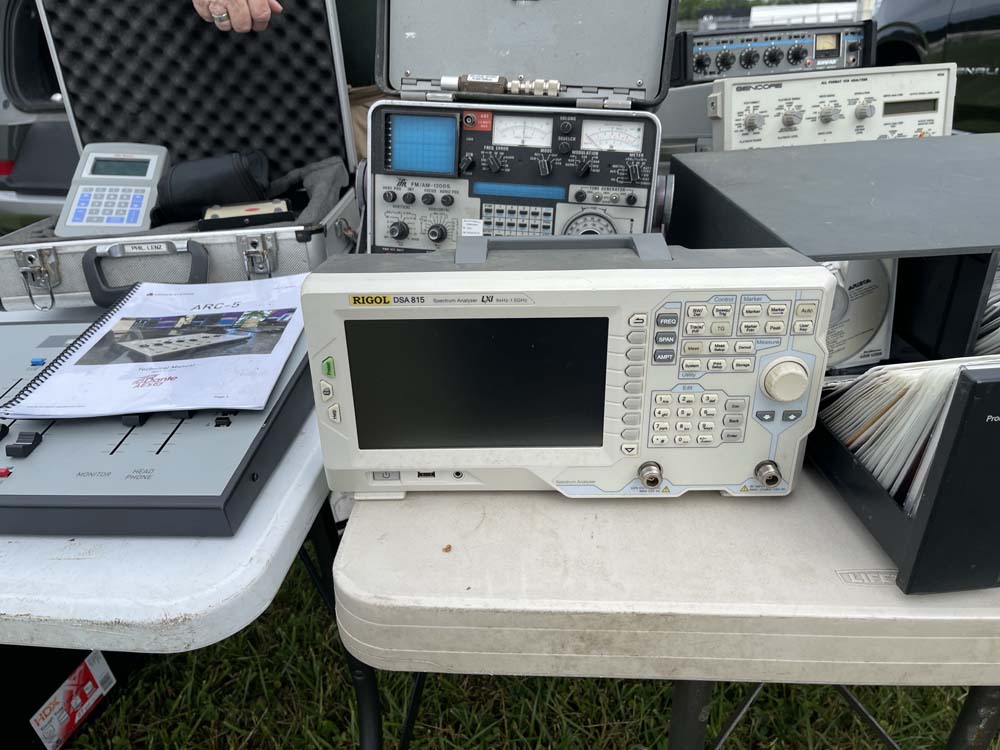
We mostly toured the buildings, but I went away disappointed as there were no test equipment vendors present - in fact, the only real TE vendor there was Bird, but they aren’t selling to me. The guy I was with was interested, however, as he needs a commercially available handheld SpecAn that isn’t a Chinese company.
I did pick up a few things here and there, but not much. Mostly rain discount stuff.
Here’s what I saw at the show:
A meter with the Niagra Power sticker on it.
Did I photograph this already?
I took it home. Gotta have a voltmeter at a show.
One Dollar Rain Discount. It has a burning smell.
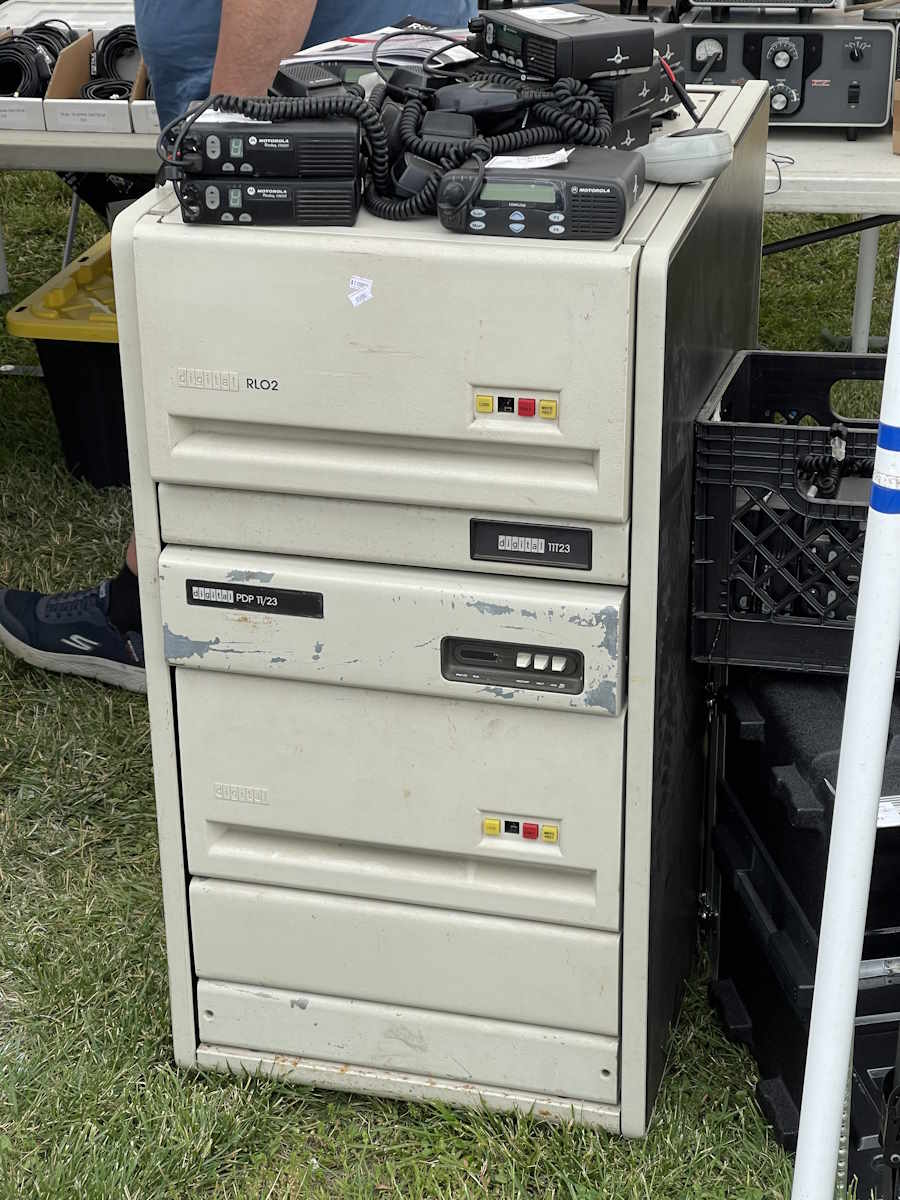
UNIX, anyone?
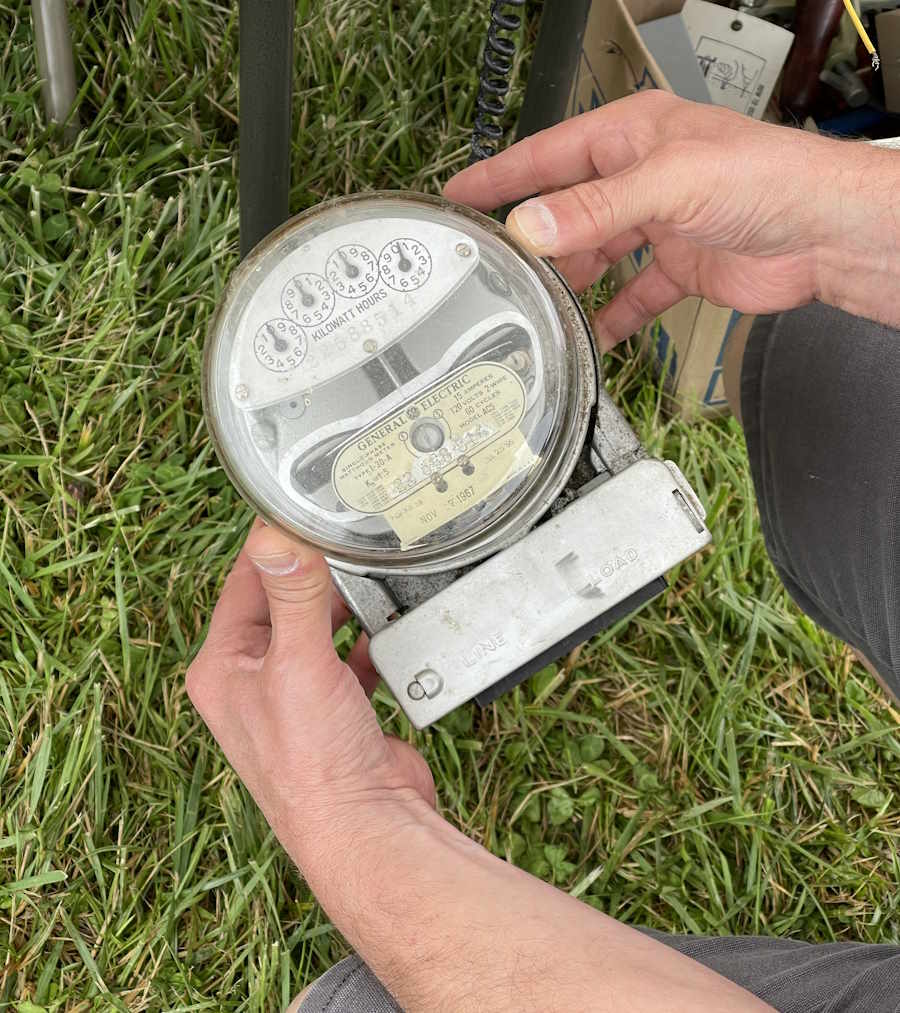
110VAC single phase. Unusual.
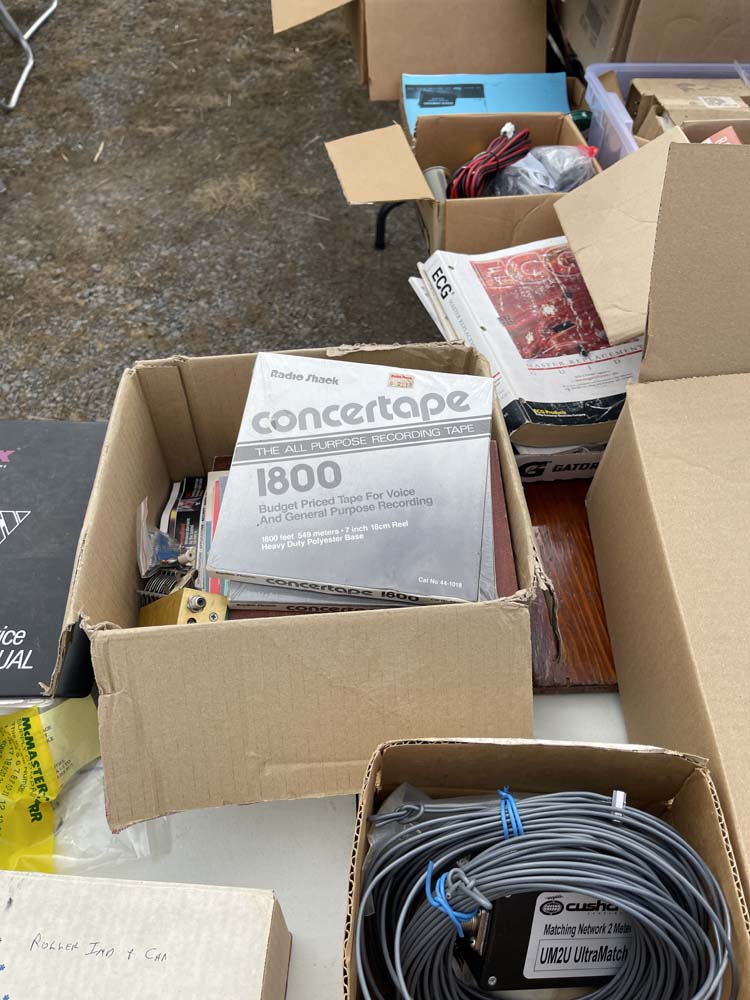
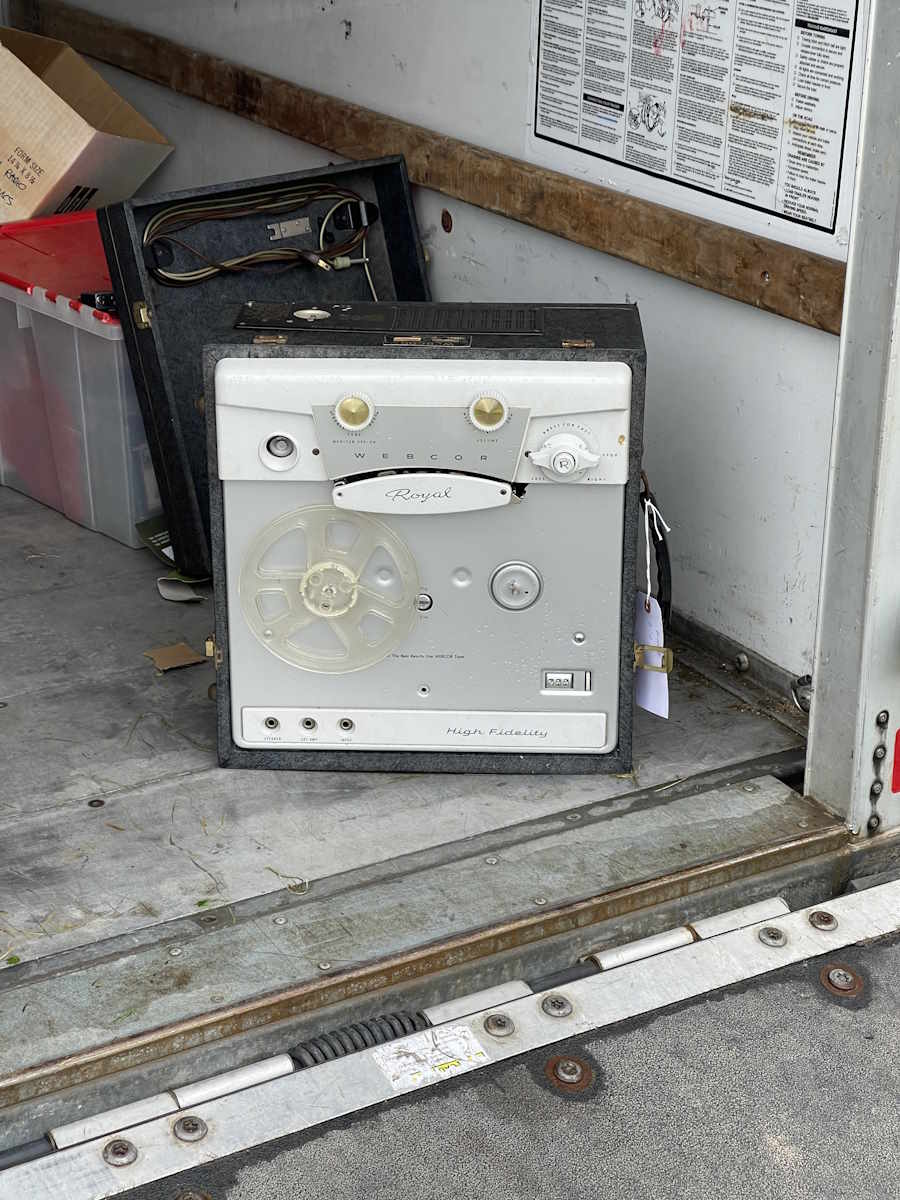
Lots of reel-to-reel players.
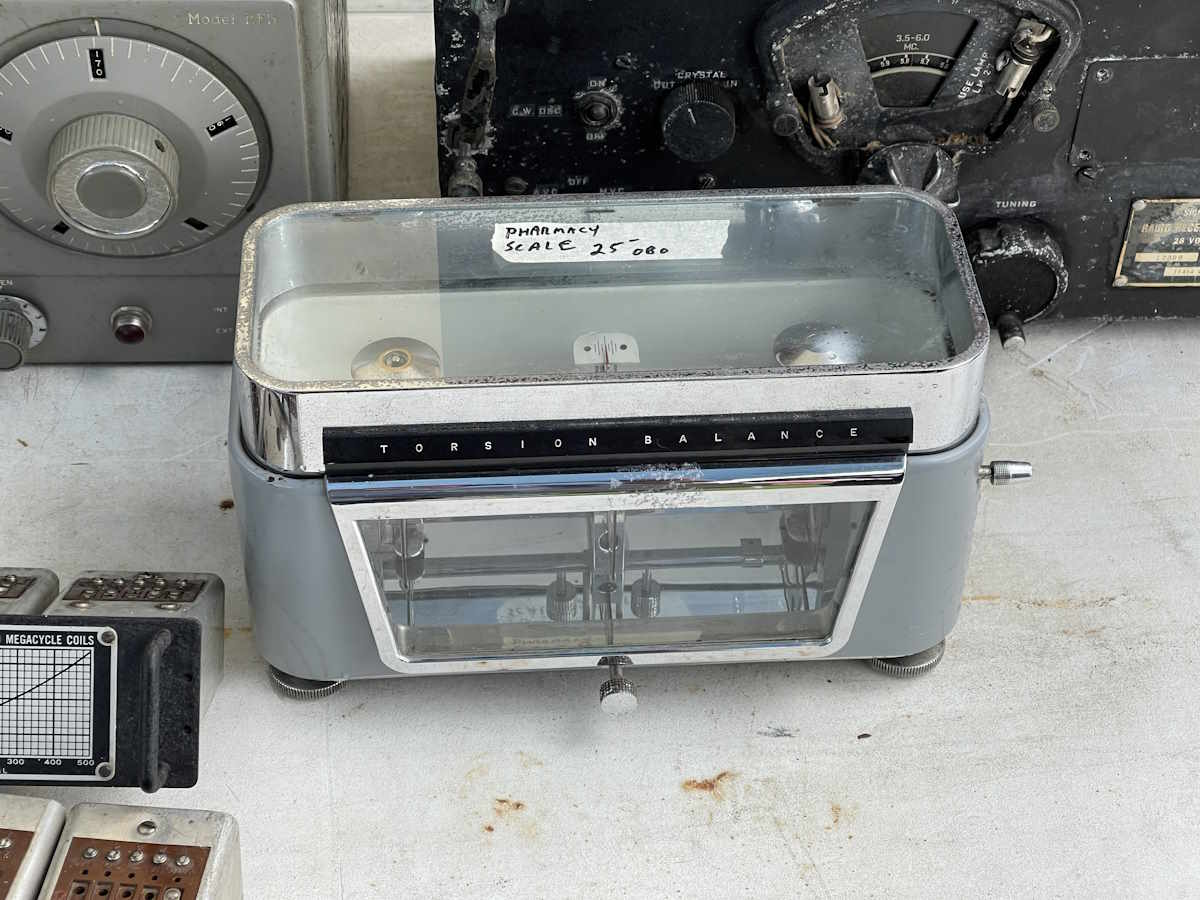
A very precise balance beam scale.
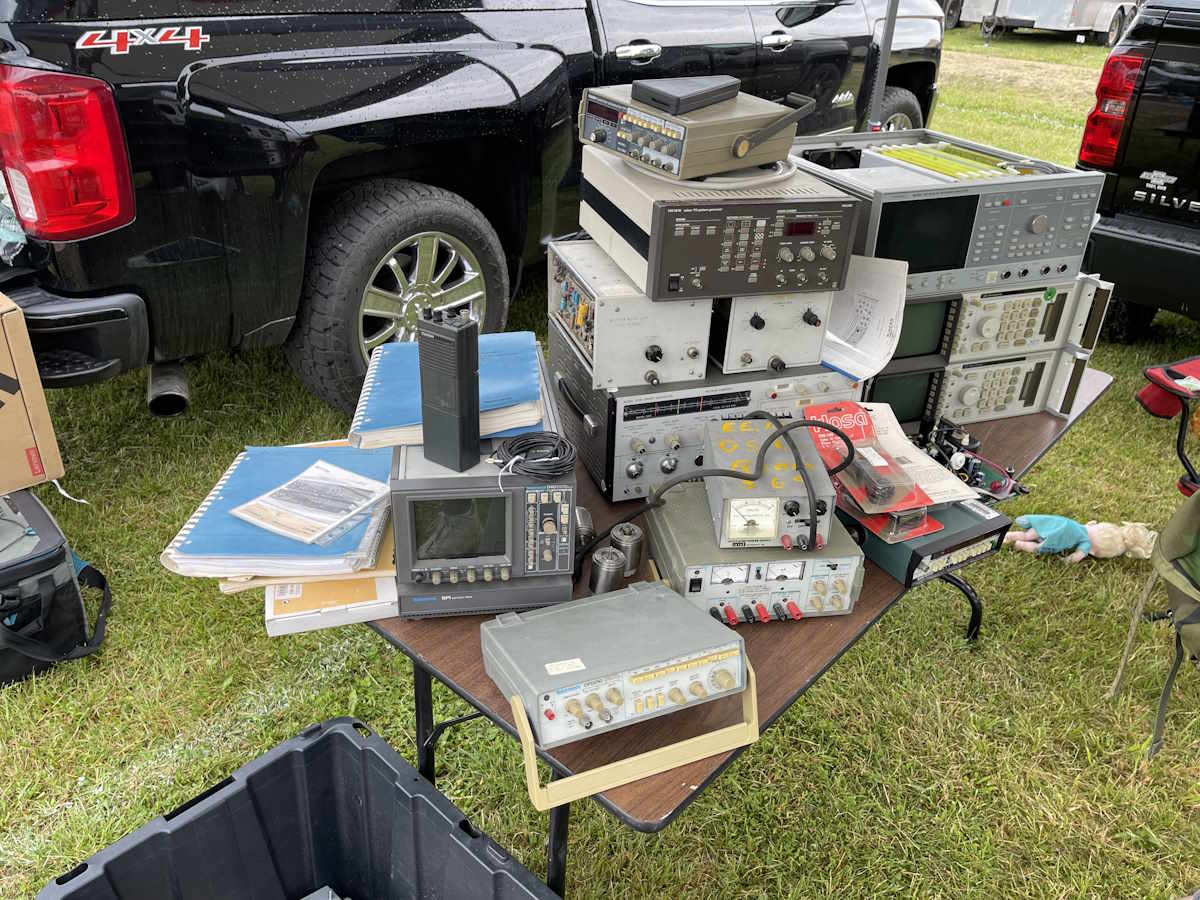
Stacks of stuff, why we are here.
We left probably close to 1PM, as many of the flea market vendors had started to pack up. I skipped Sunday as there wasn’t anything I wanted to see, I was aching, and I wanted to play with some of the things I bought.
Next show is Breezeshooters in Butler, PA. See you there!
Friday turned out to be a just slightly damp day at the show, we had a little rain but it cleared off quick. We toured the flea market, and saved the buildings for Saturday due to the forecast of heavy rains. The steak tips and mashed potatoes vendor wasn’t here this year, so bourbon chicken and a banana milkshake subbed in it’s place.
This year, the mobile AM CB stuff was almost all gone save a few units here and there. Hobby-level test equipment, i.e. the EICO/Knight/Heath/etc. was almost not present, save for a bunch of those crappy RF generators that no one really wants - the bridges and tracers and things are pretty much no longer for sale. At least, not at Dayton. Of course, the piles of plastic radios and old televisions are long gone, and even the big boat anchor radios are vanishing. I think I saw maybe 1 Hallicrafters S-38 unit for sale…
Things are changing, but there was still a lot to see:
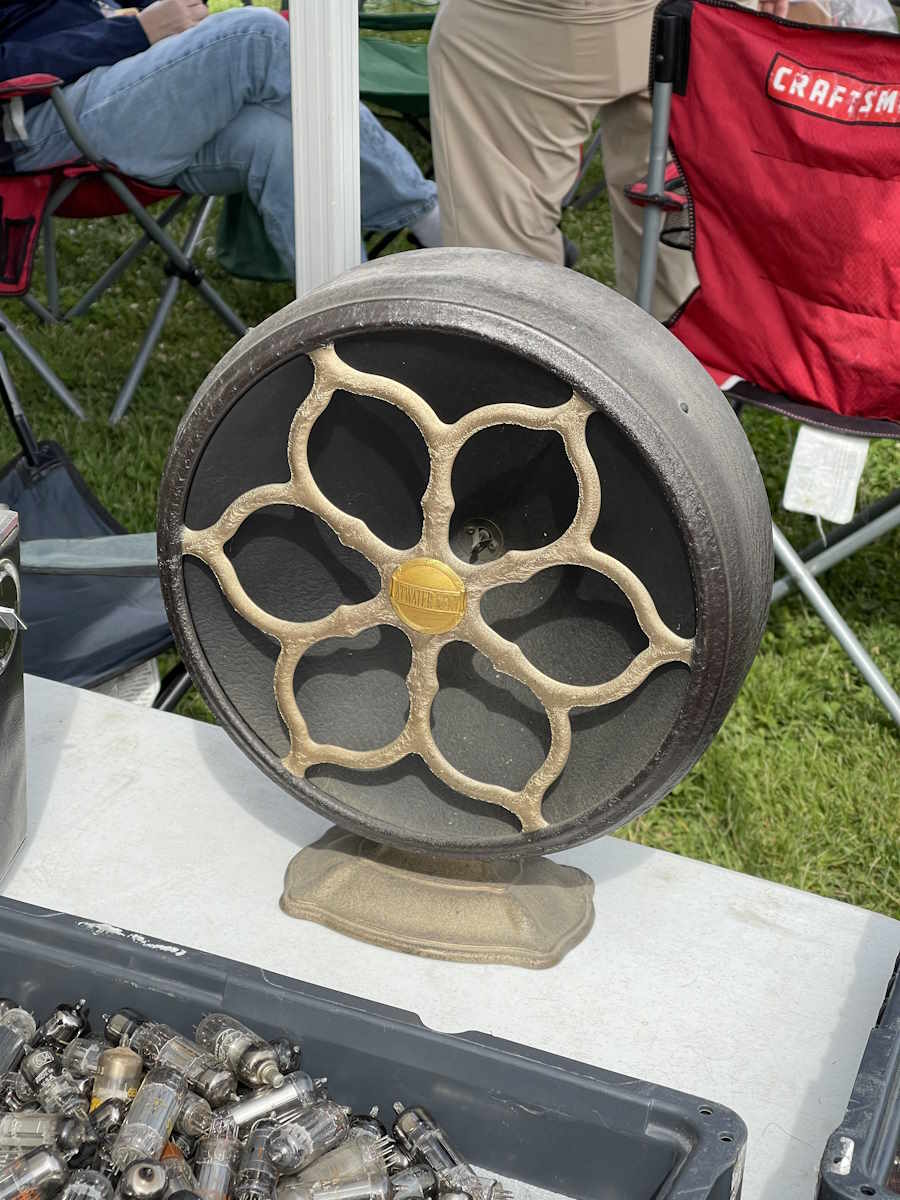
A nice A-K speaker.
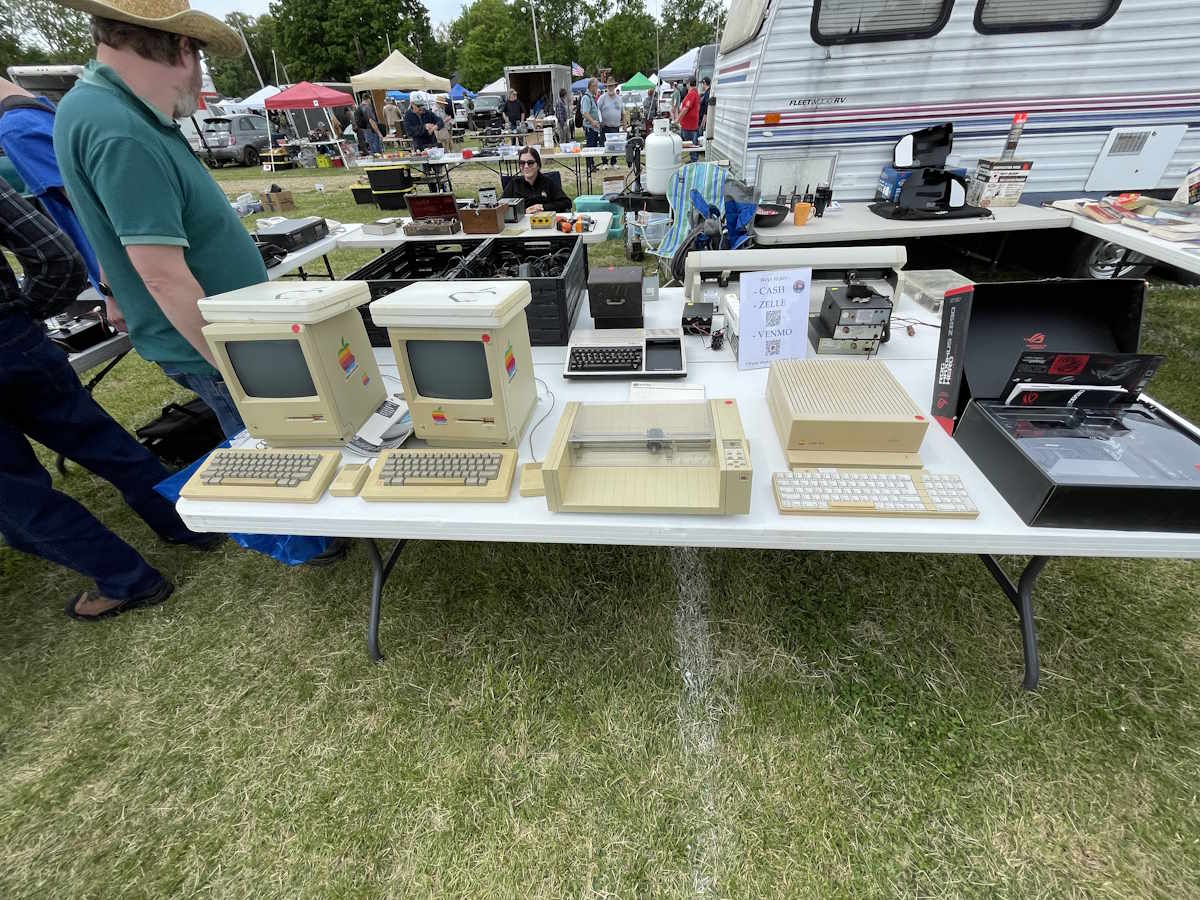
A basket of Apples.
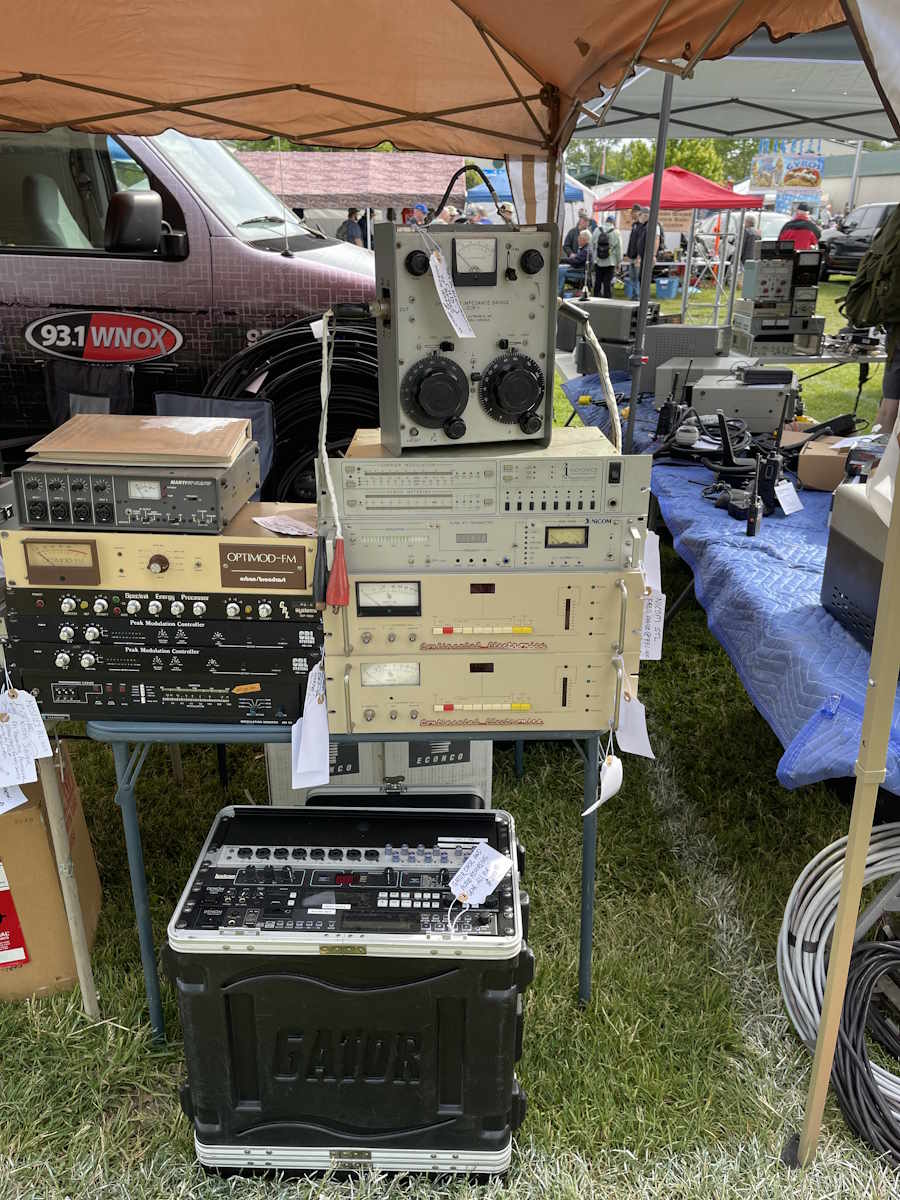
Just some audio stuffs.
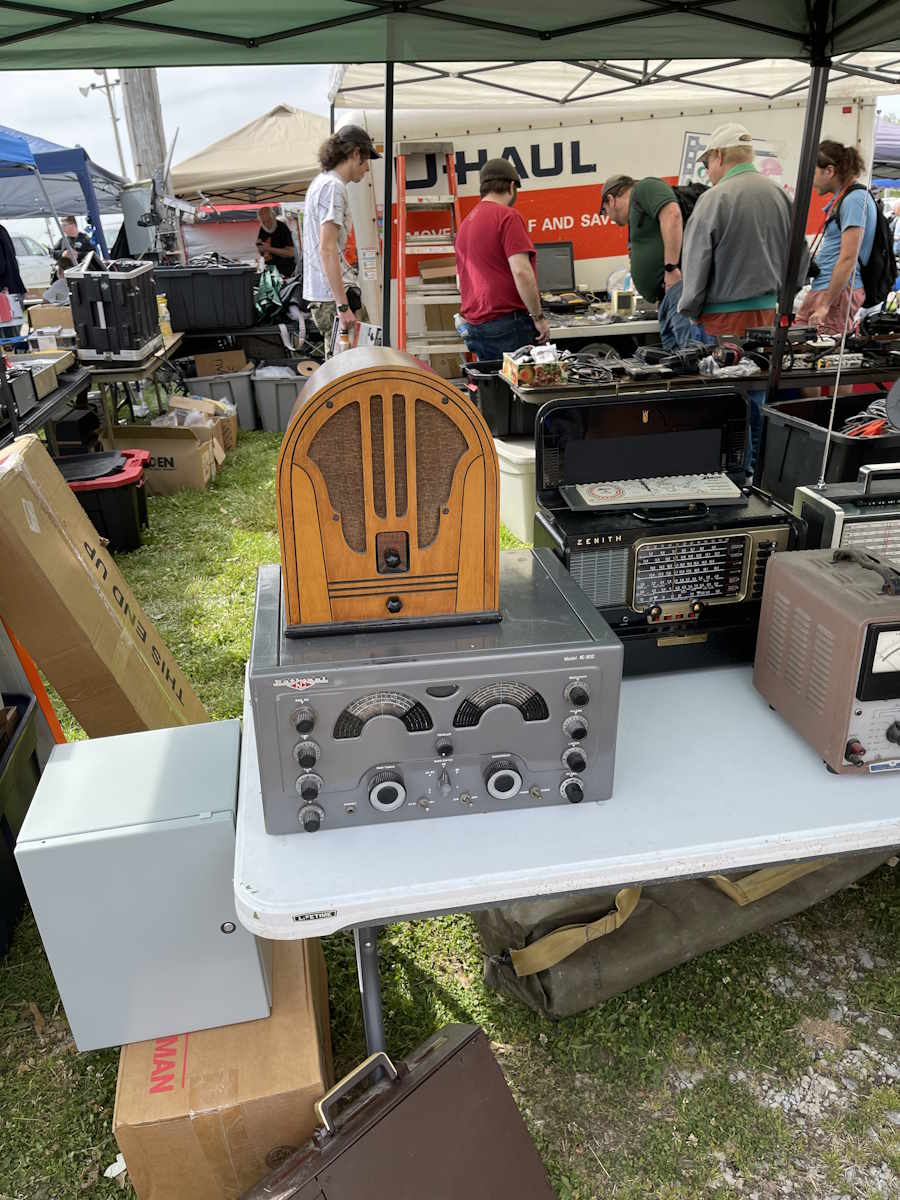
A nicely restored cathedral radio.
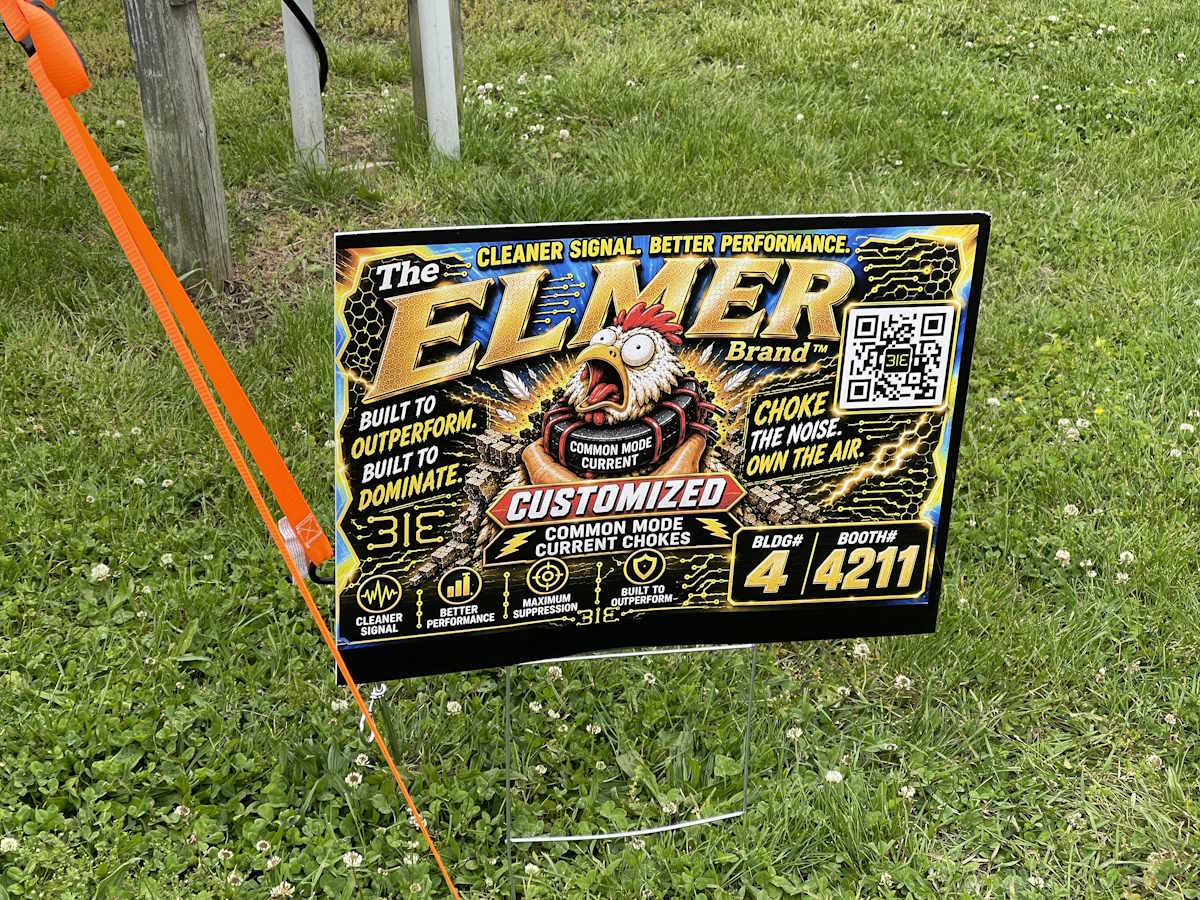
Choke the Chicken…not here please.
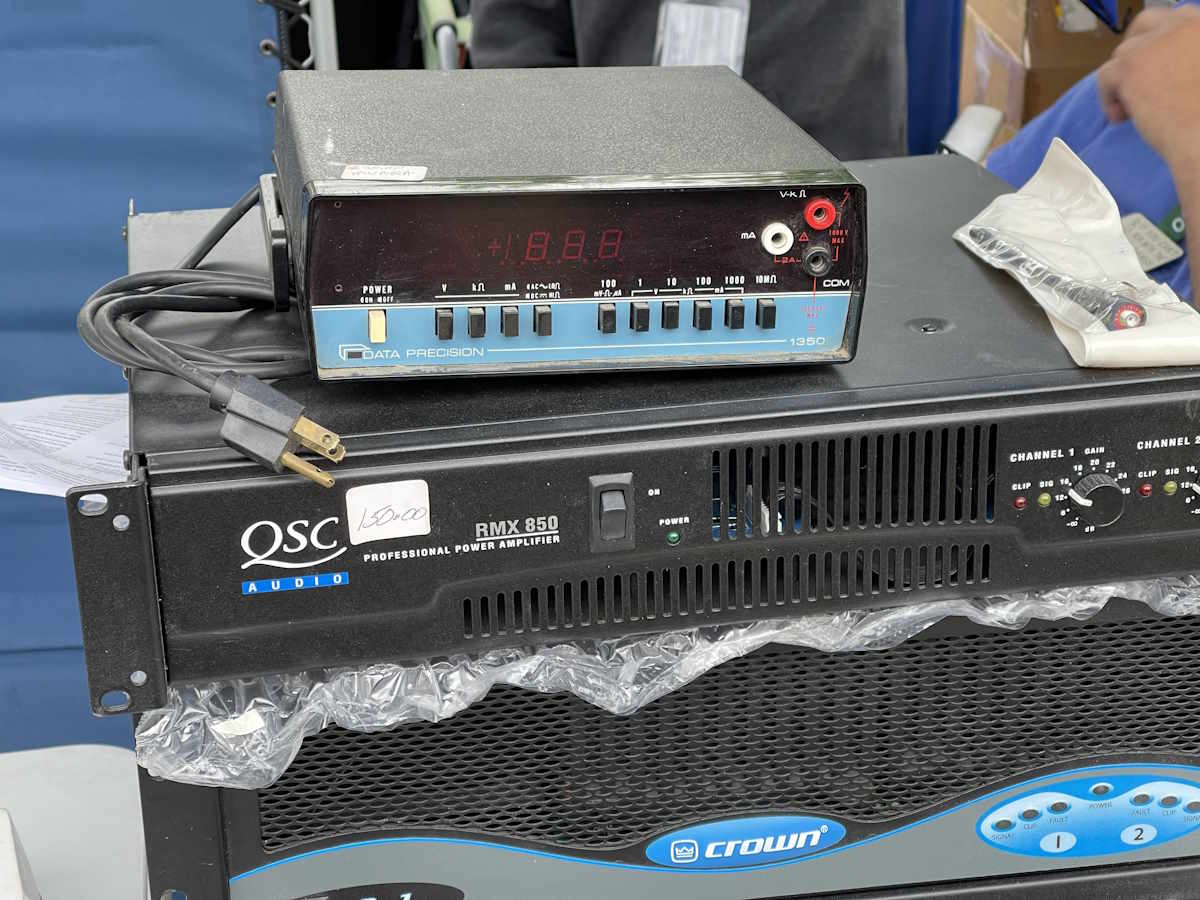
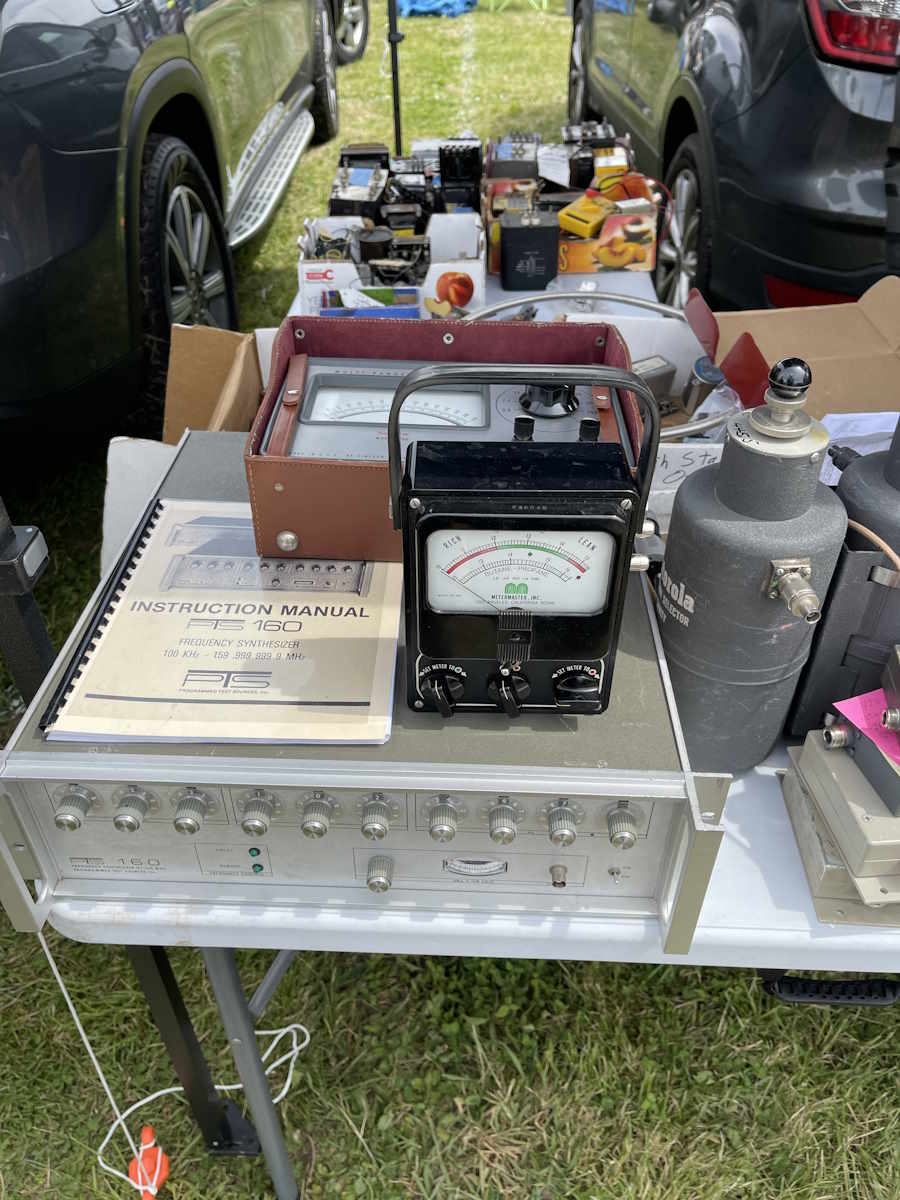
An old Data Precision meter.
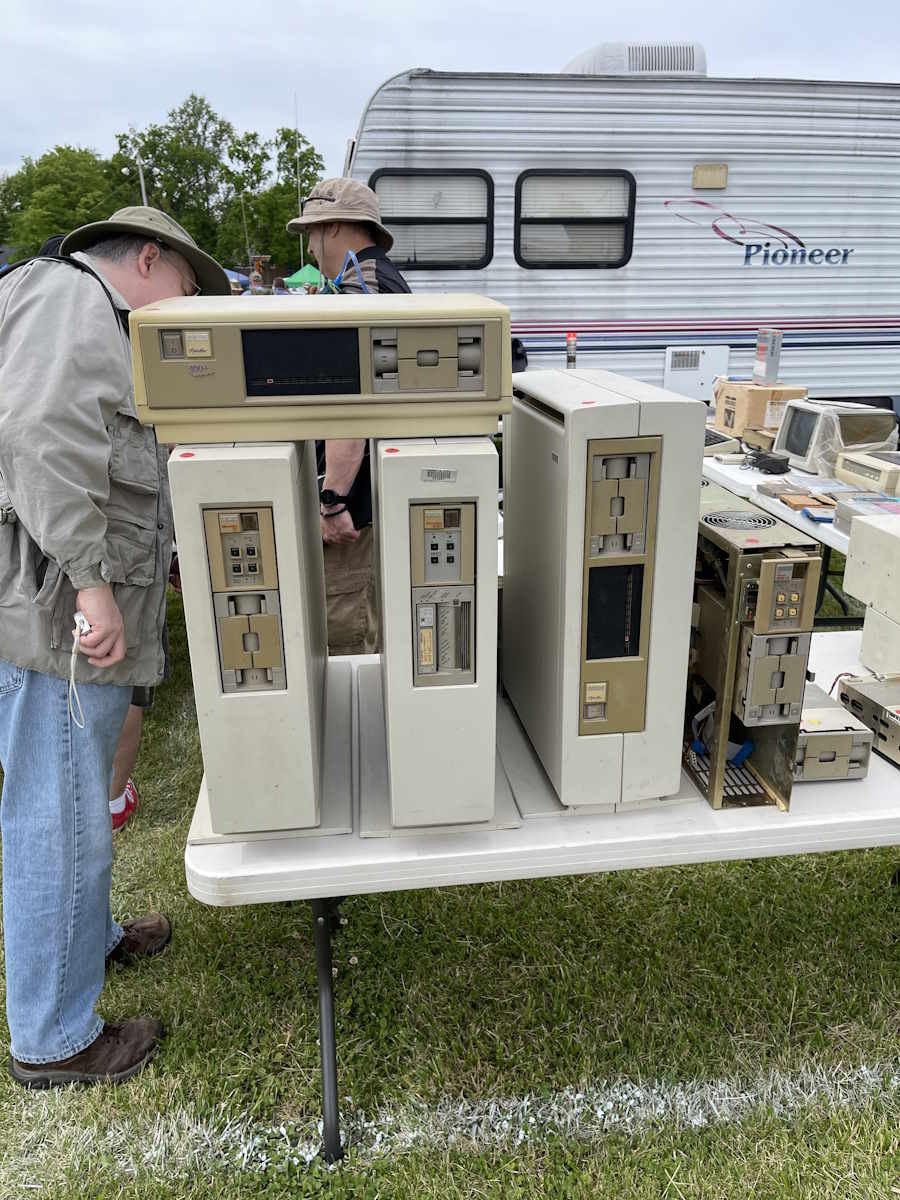
Many DEC Rainbow computers.
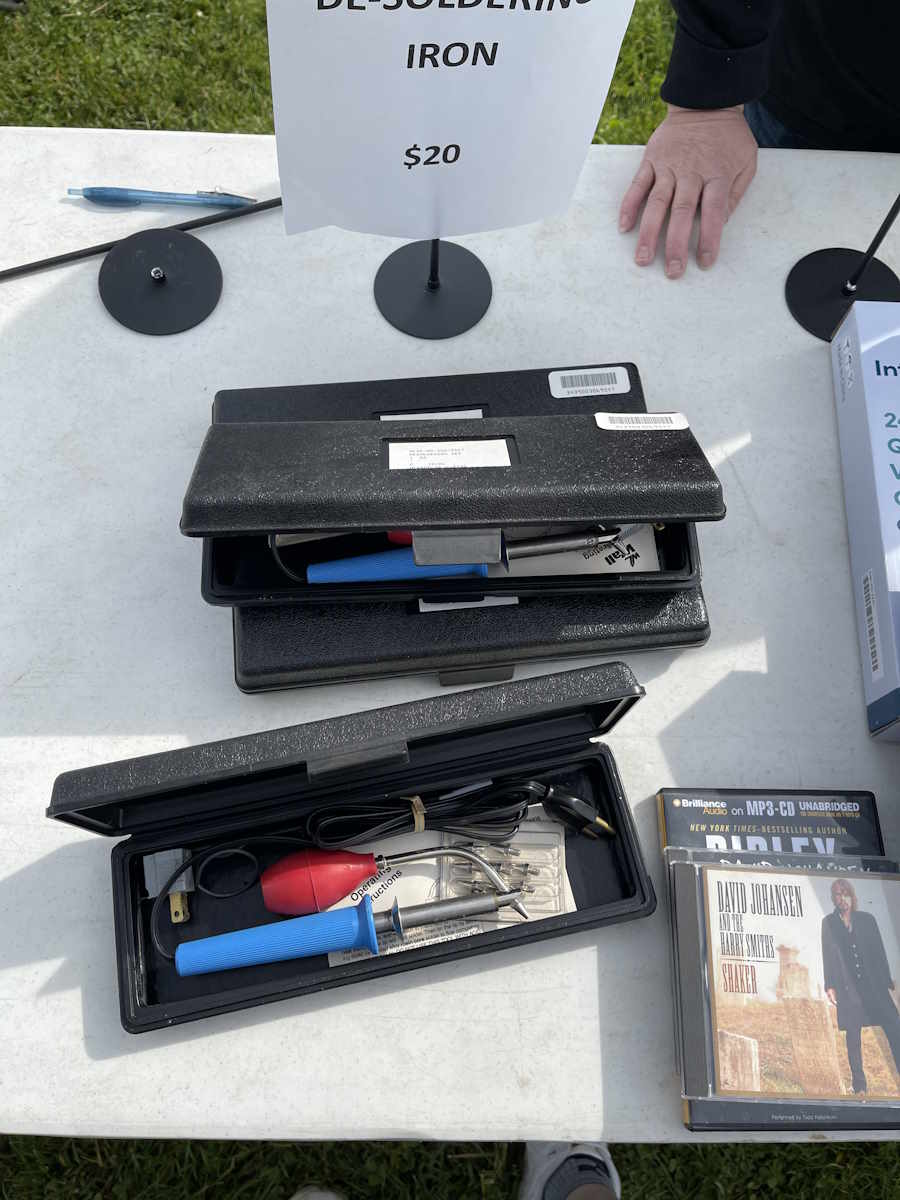
New, old-stock desoldering irons.
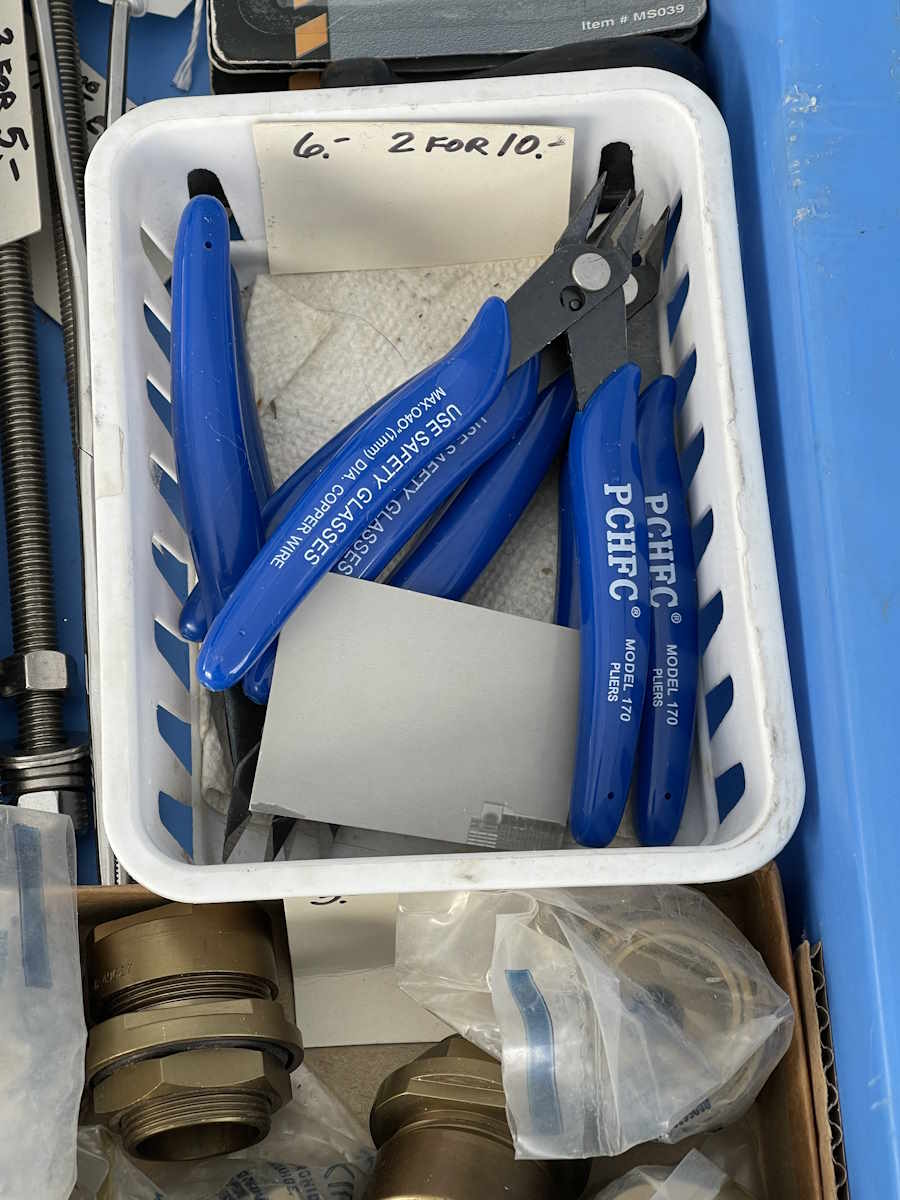
My favorite brand of tools?
Designed for butane flow measurements.
Some tunes for the ants.
No idea what this model was.
Someone's pride and joy, dumped in a bin.
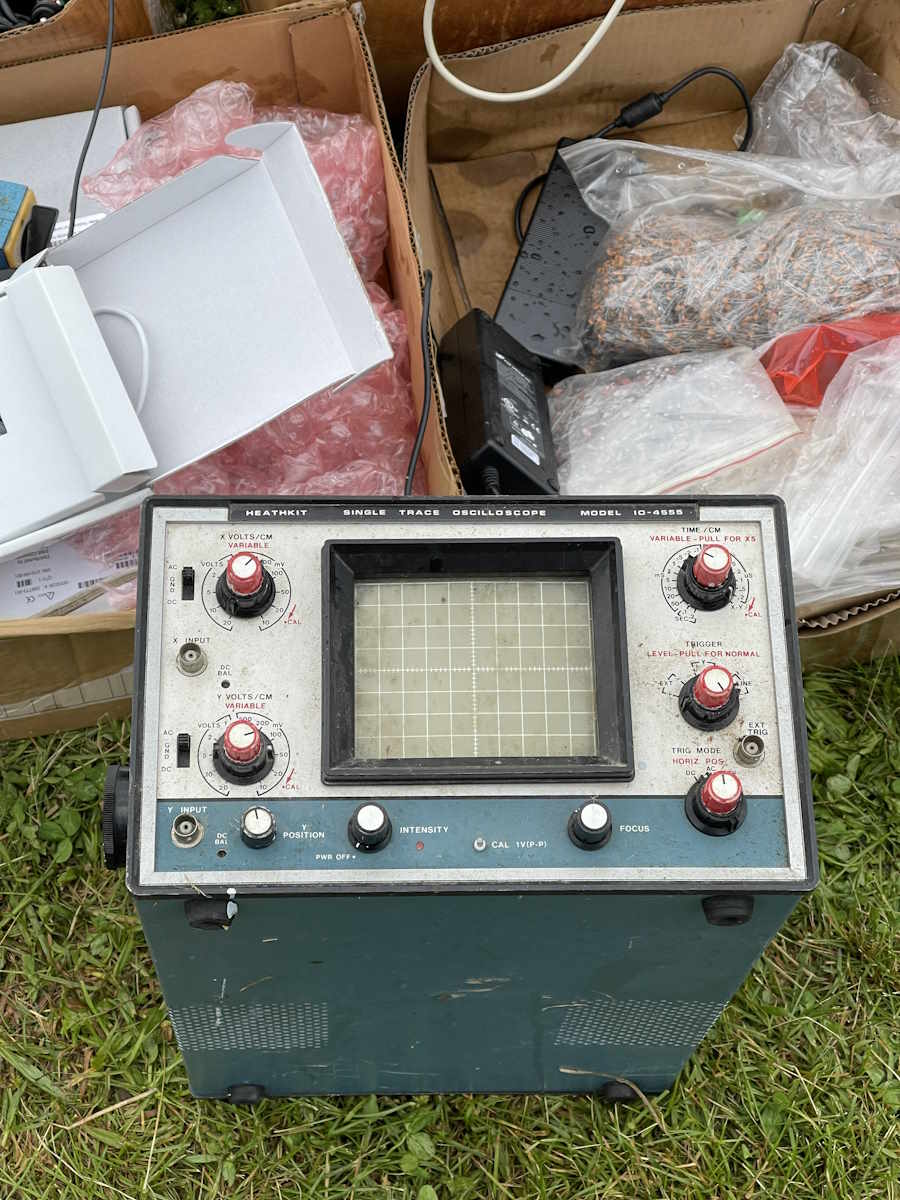
I eventually took the scope for $1.
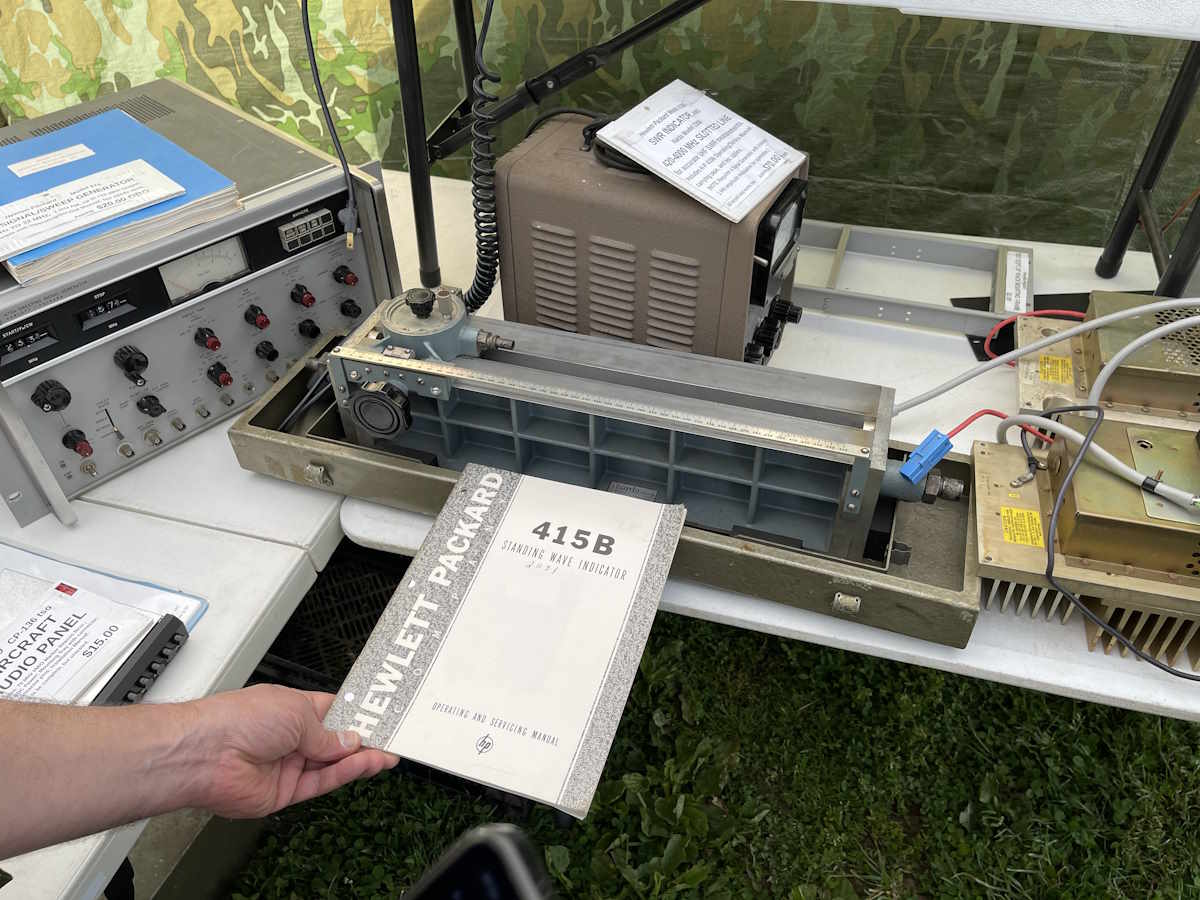
The old way of measuring standing waves.
Just some random HP things.
Ok, if you insist.
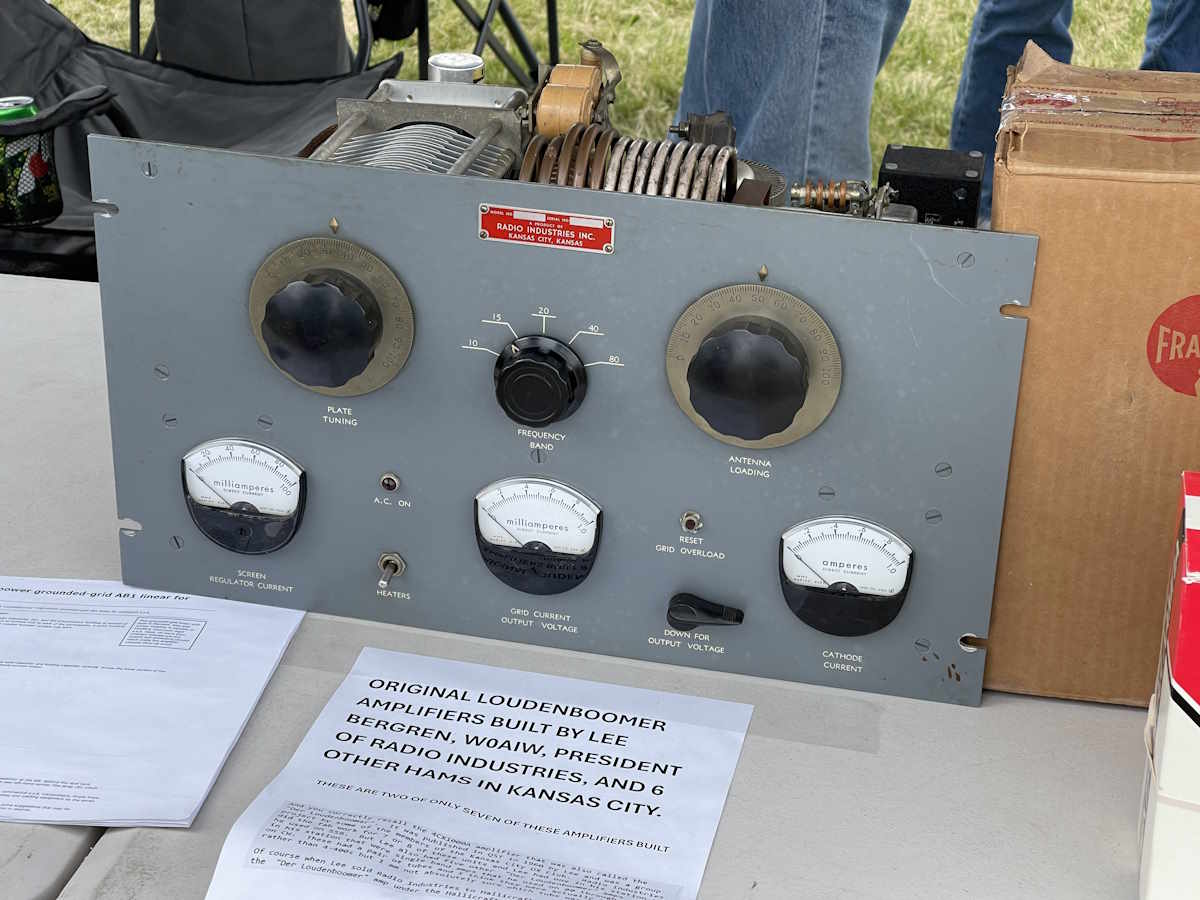
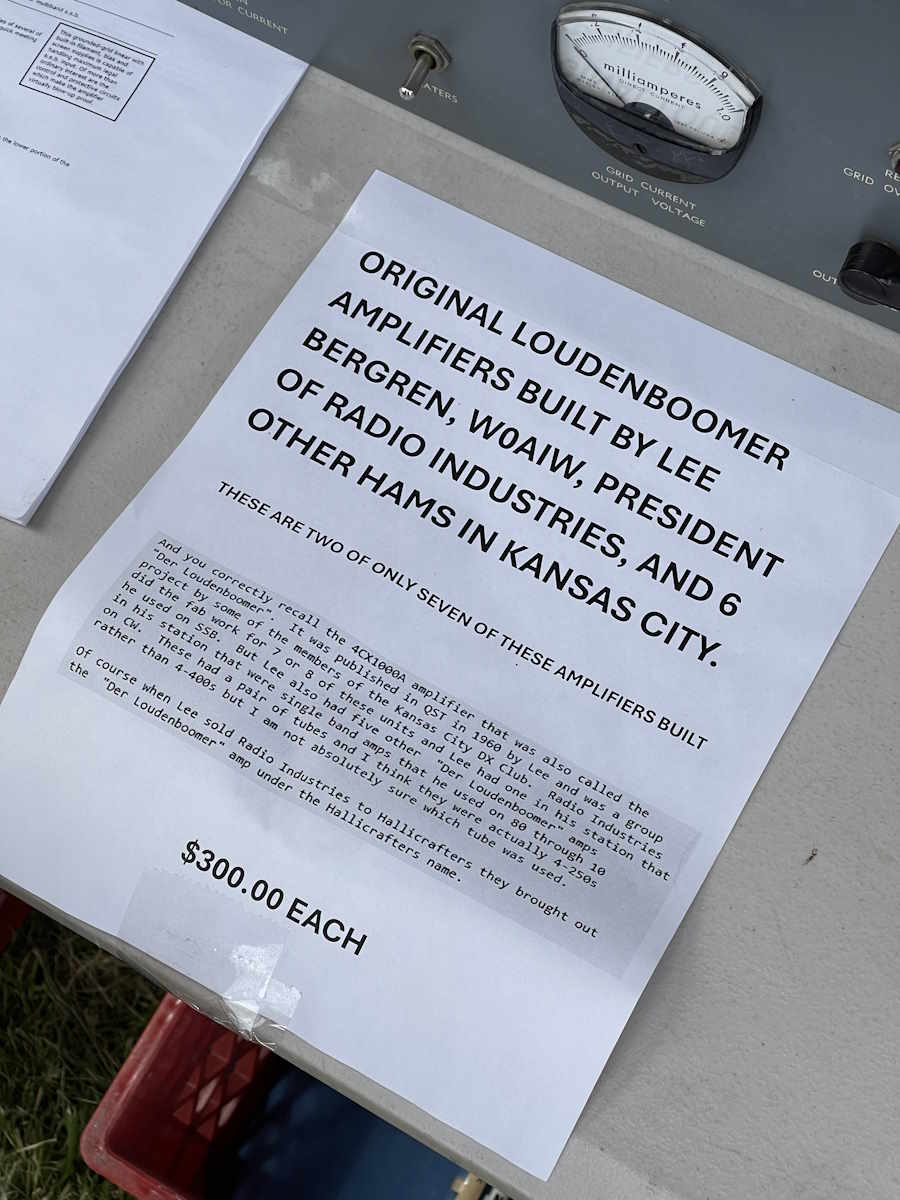
Loudenboomer!
Some info on the Loudenboomer.
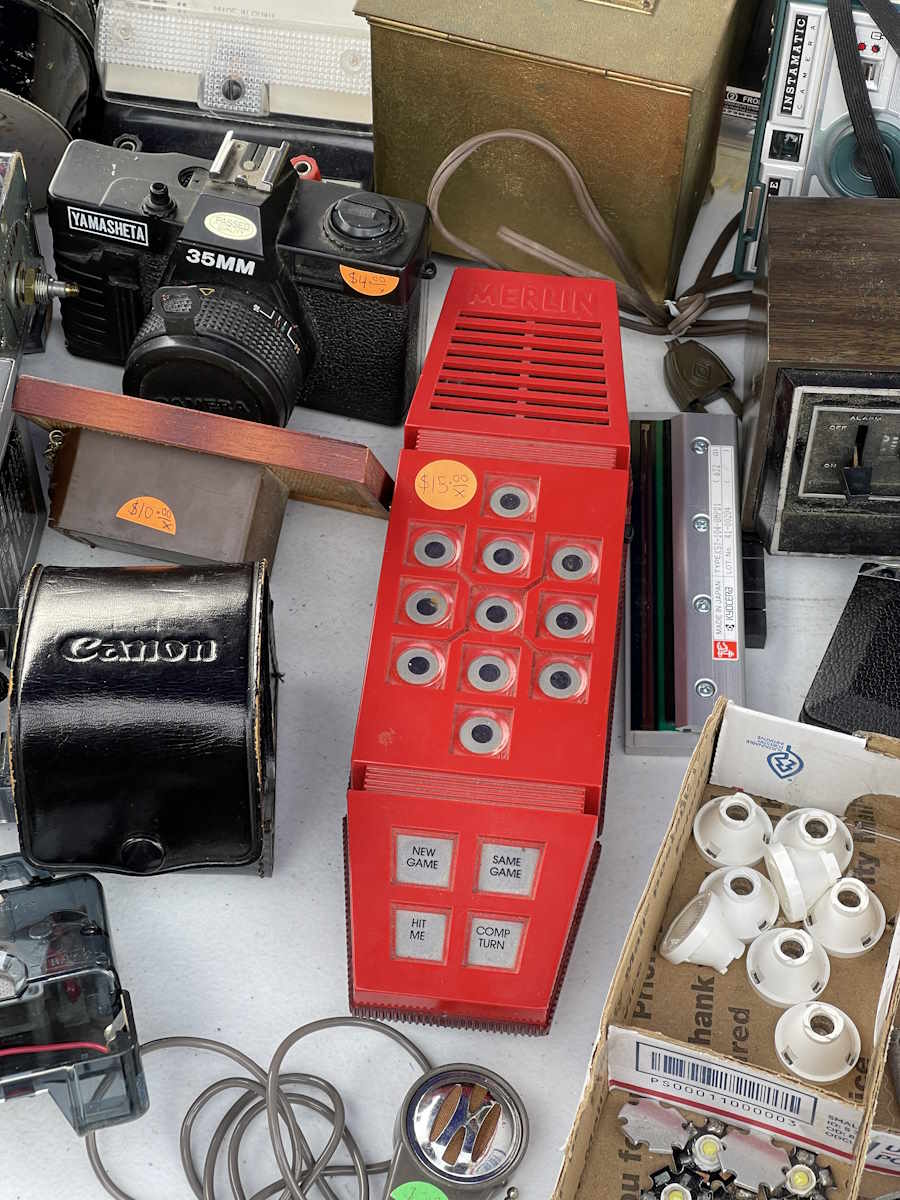
Would you like to play a game?
It's not tourist season without a thumb.
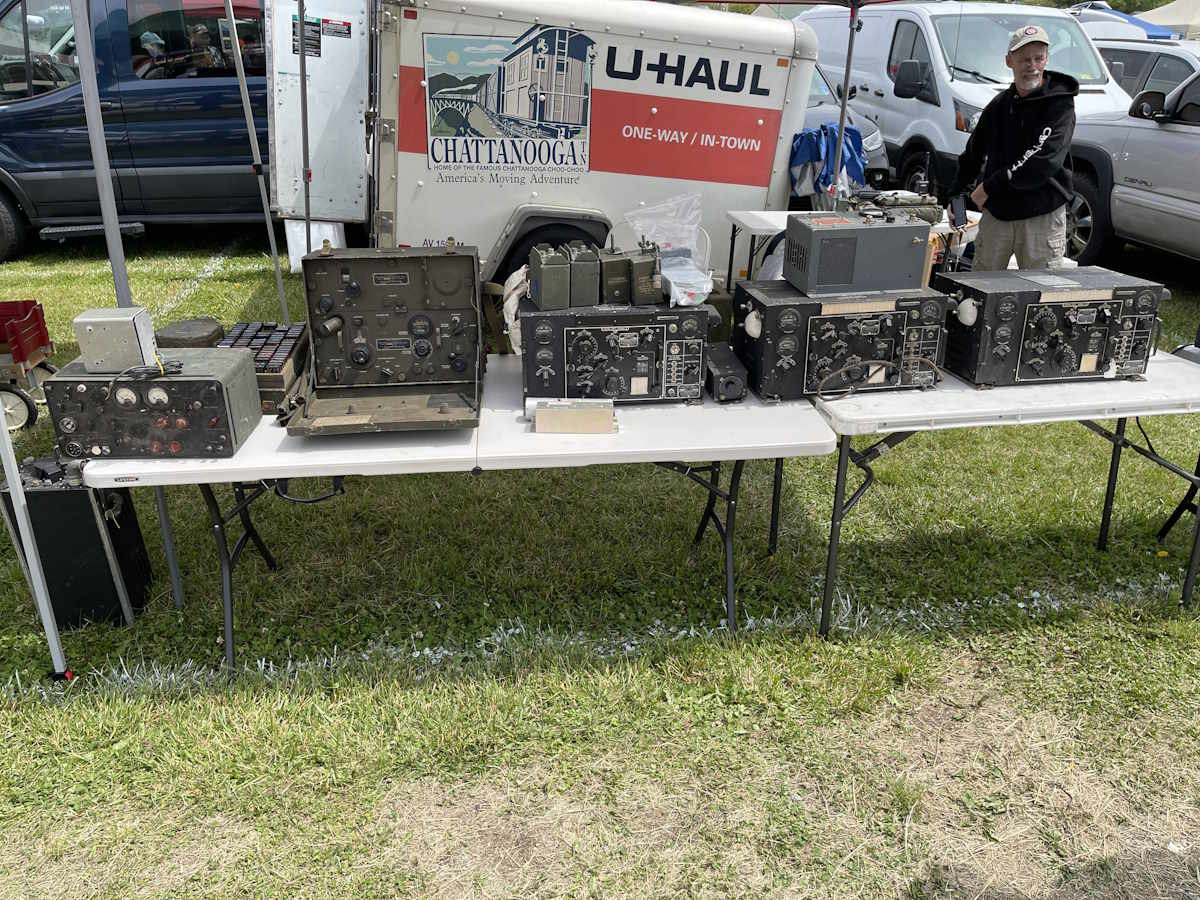
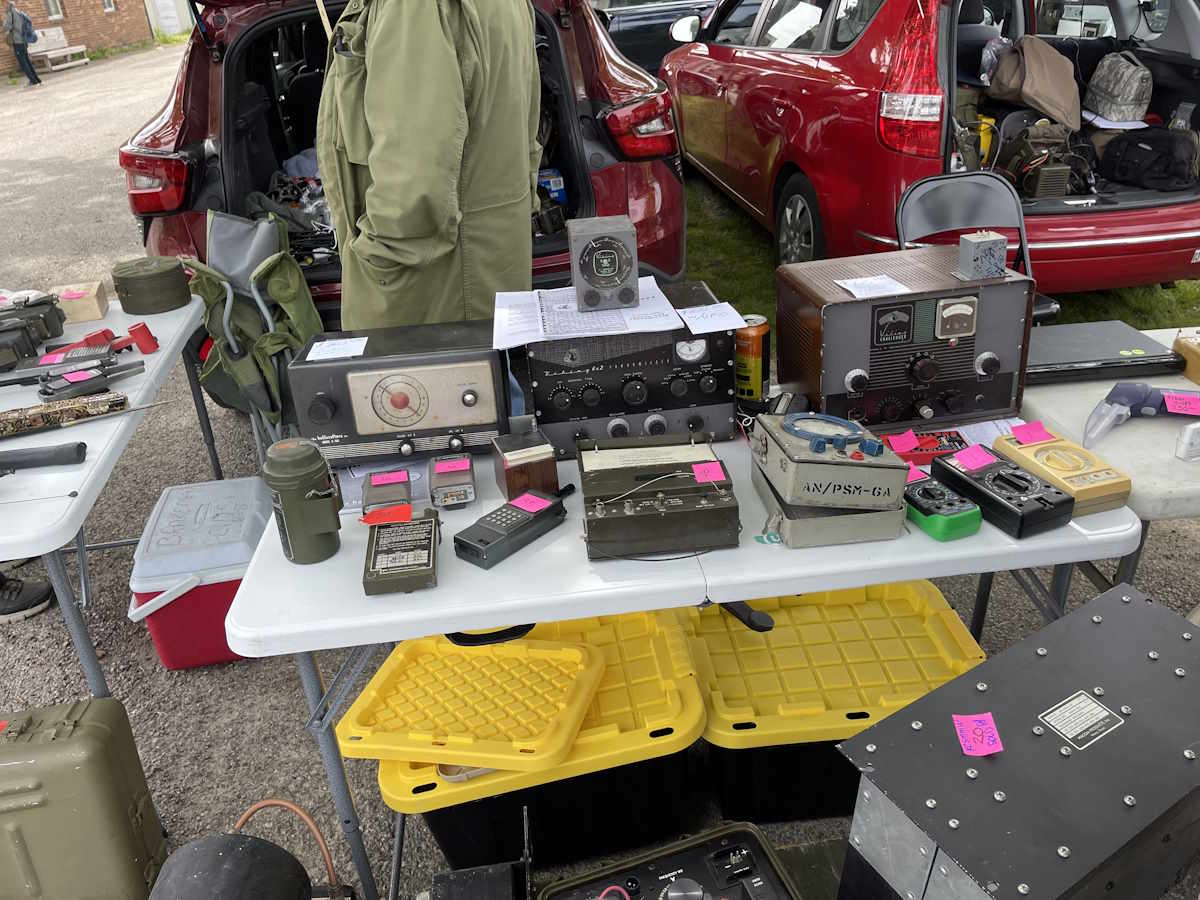
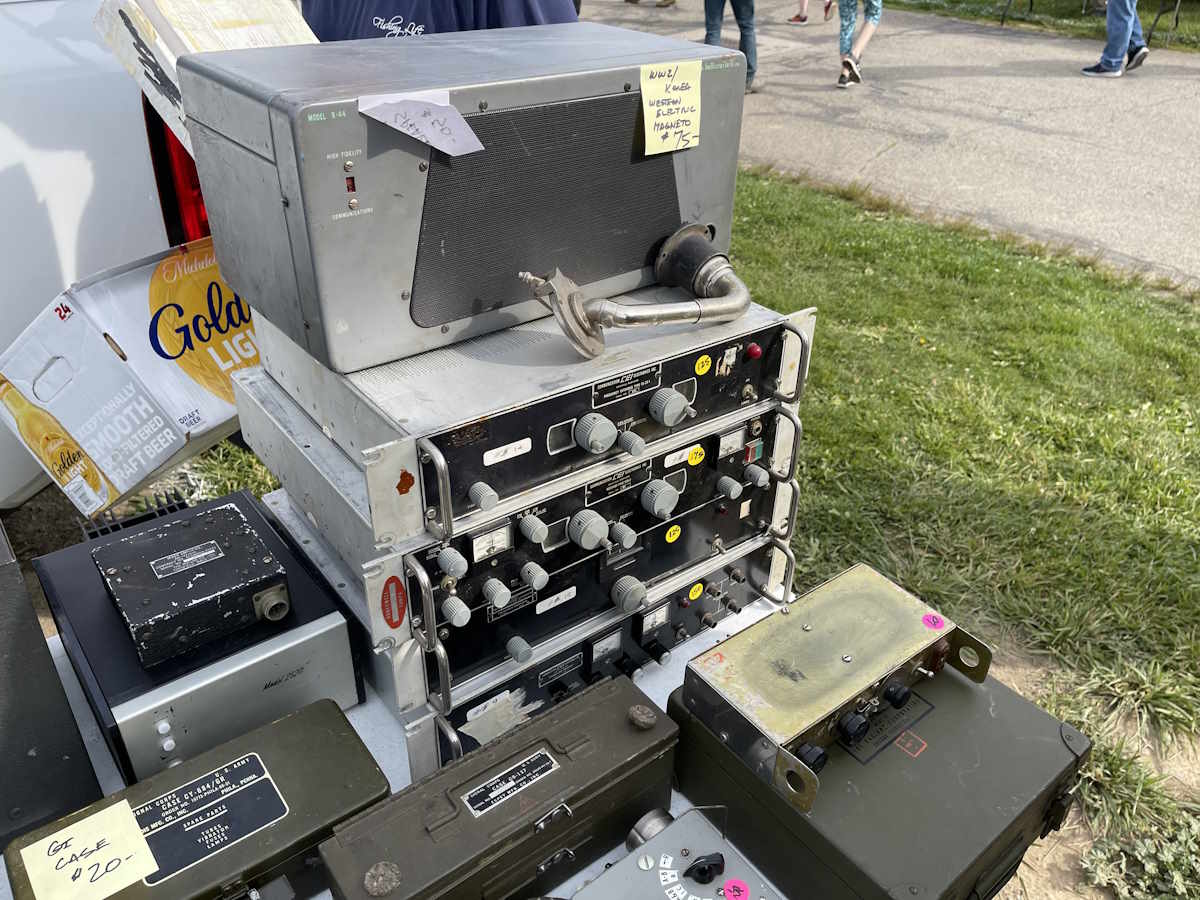
Some military equipment.
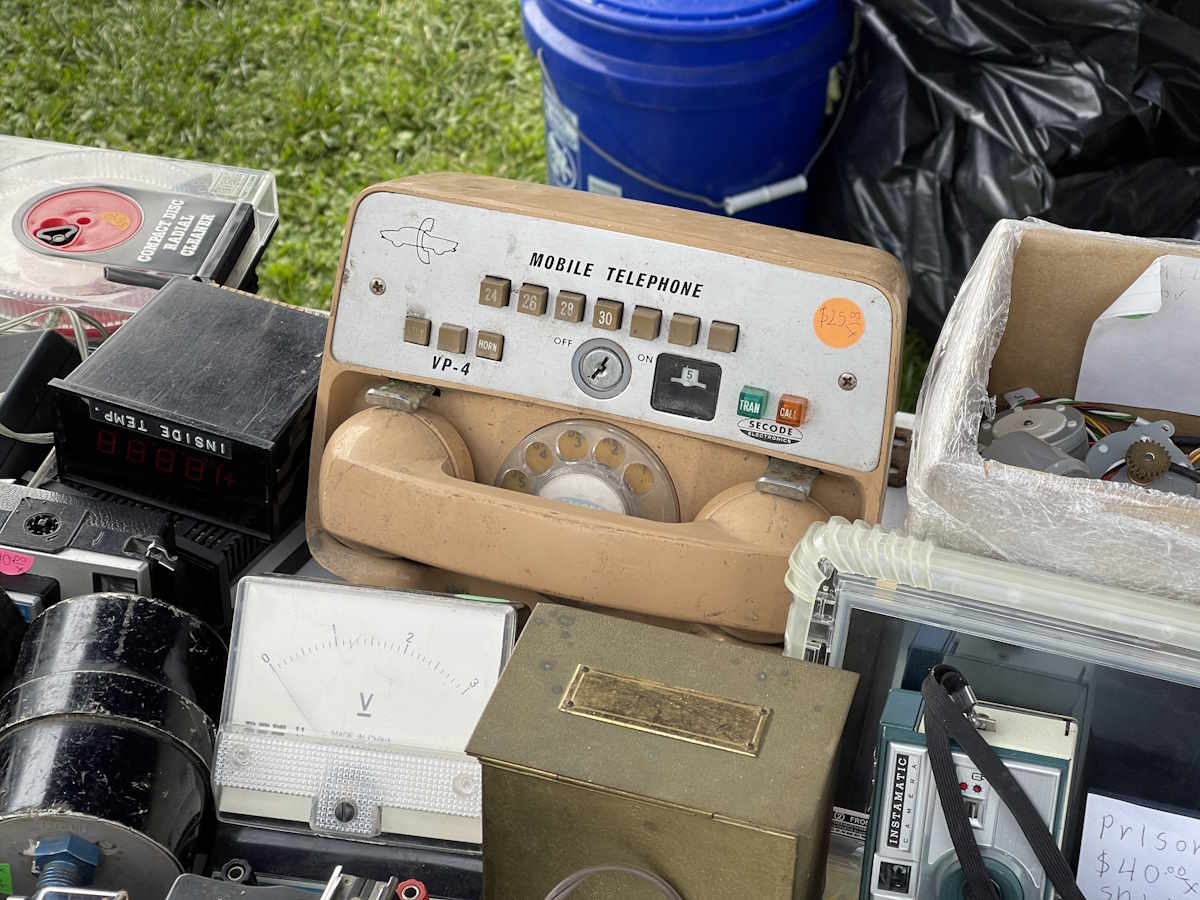
Telephone B.C. (Before Cellular)
How many of these were made?
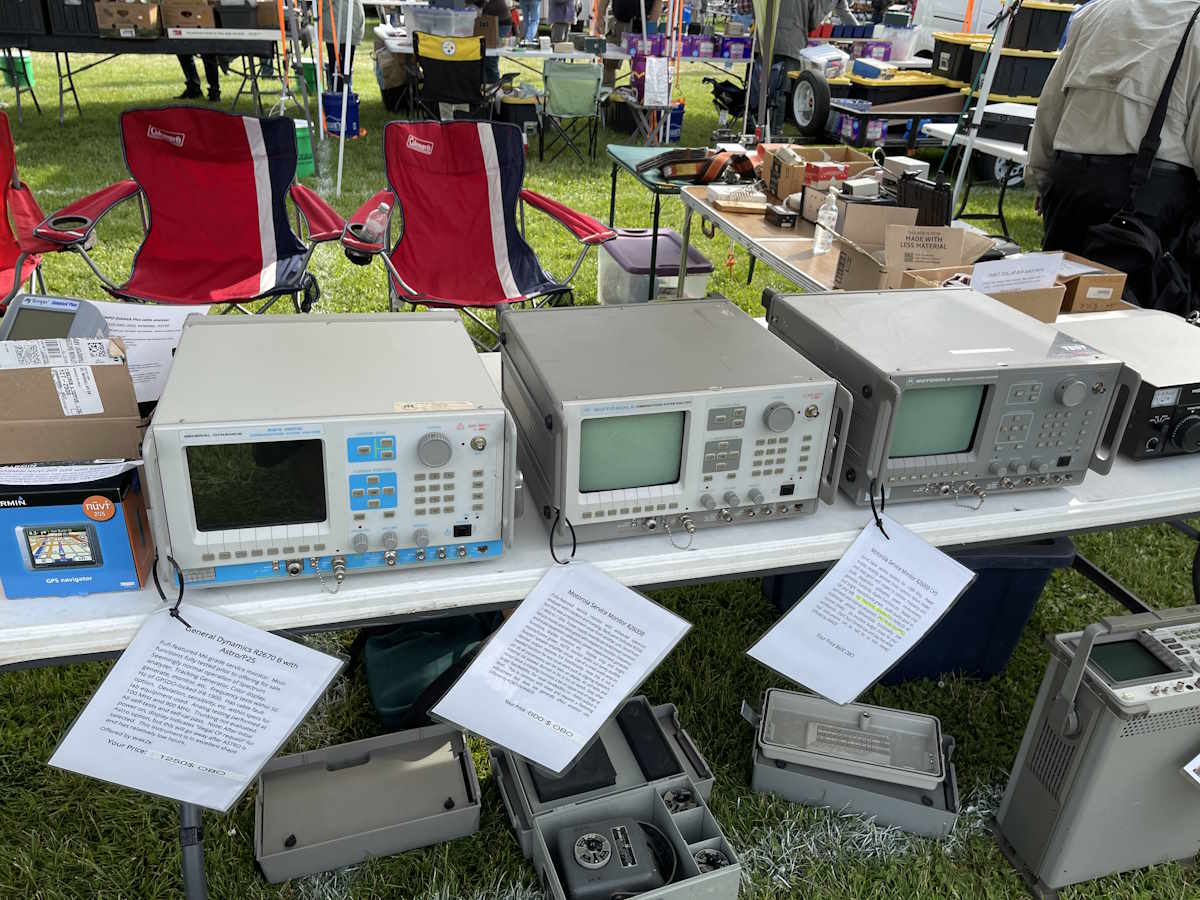
Moto comm analyzers.
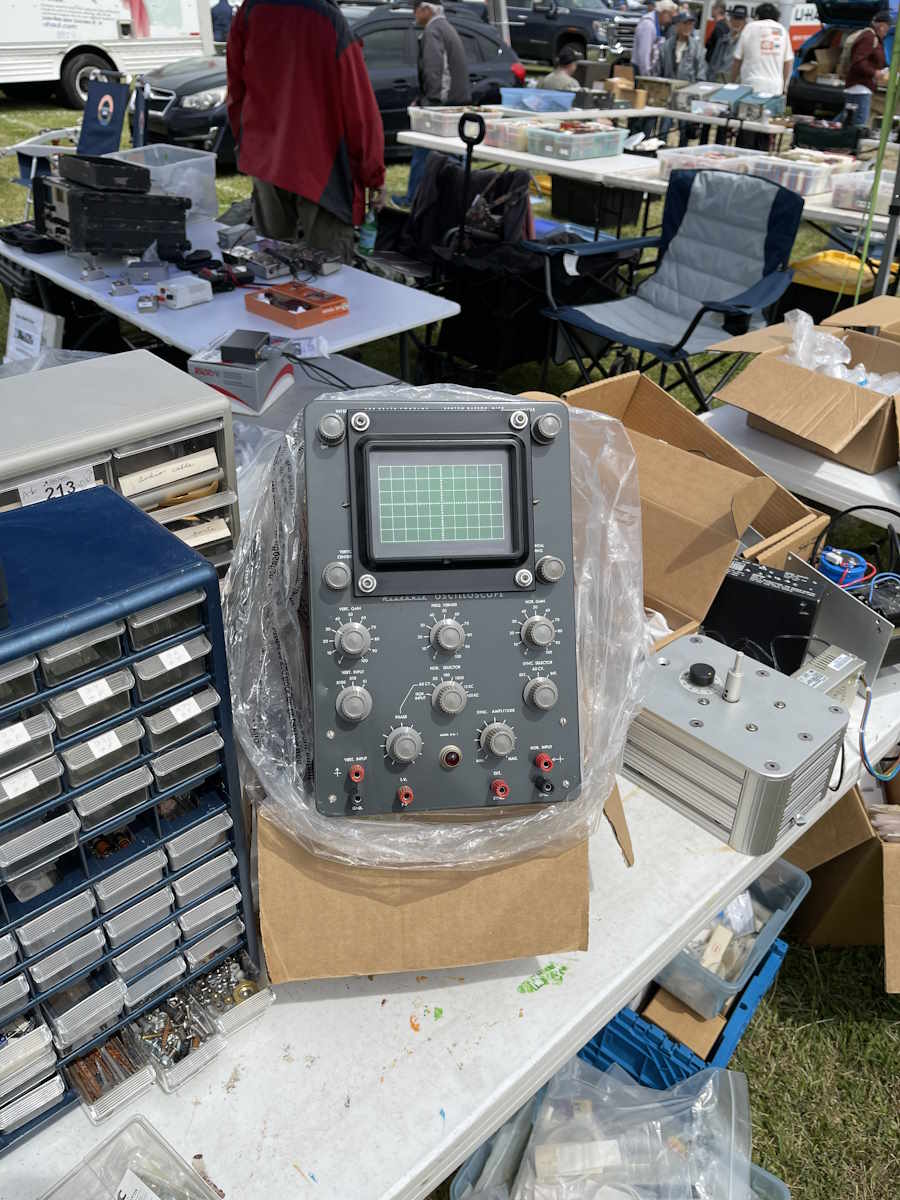
A really nice condition scope.
Some old computing horsepower.
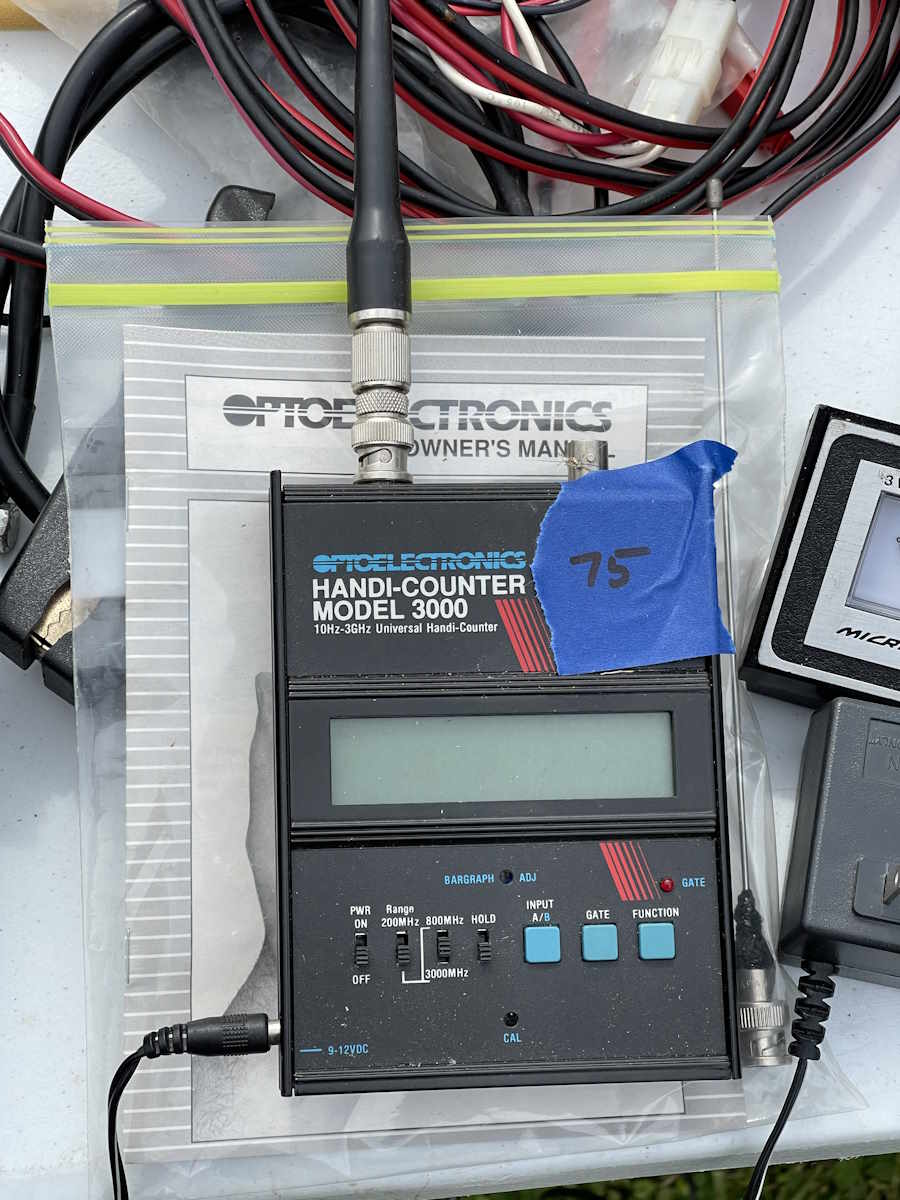
A really old opto counter.
This scope was in bad shape elsewhere.
Parts. I took a few transistors.
High voltage?
Used to be piles of this stuff.
These are vanishing as well.
Some more radios.
And some more radios.
A scope that was part of a school course.
Even if it was good, this showed bad.
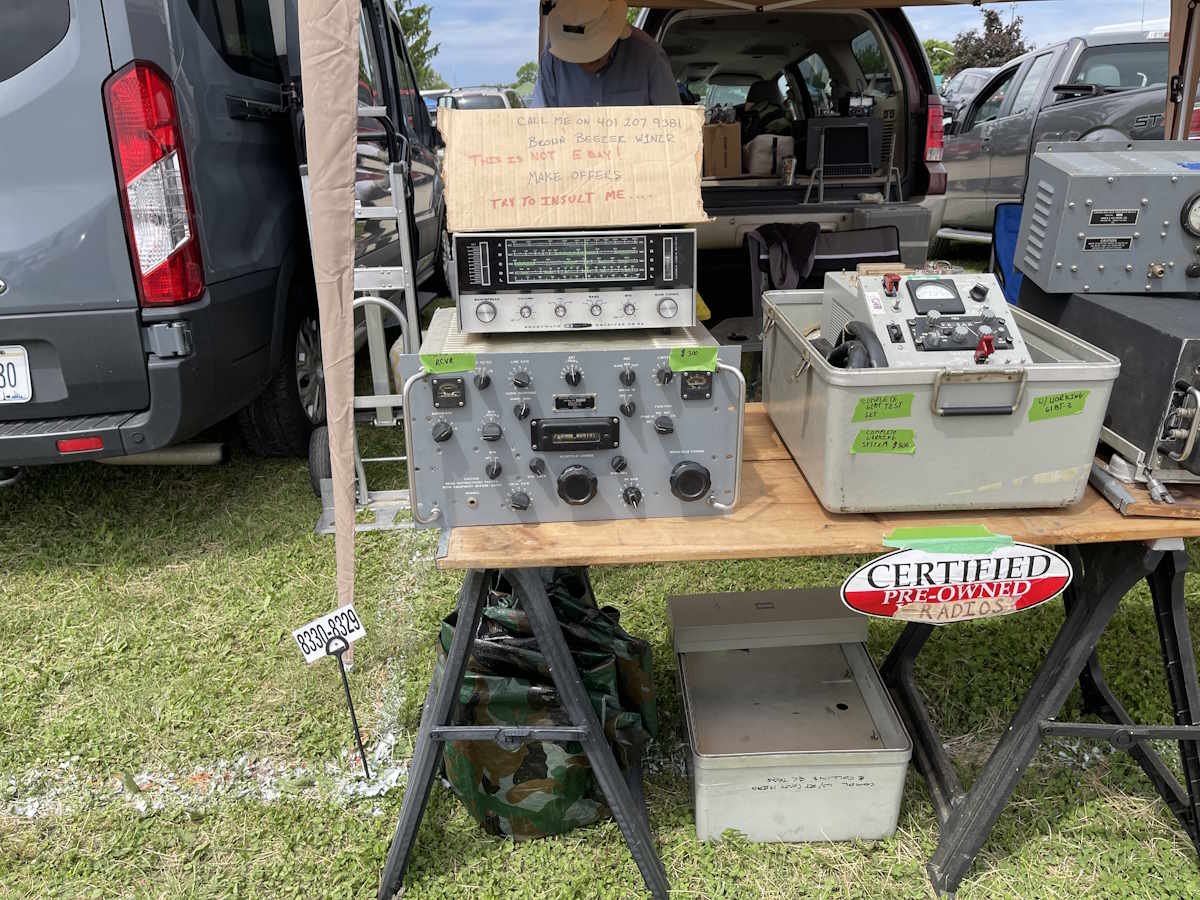
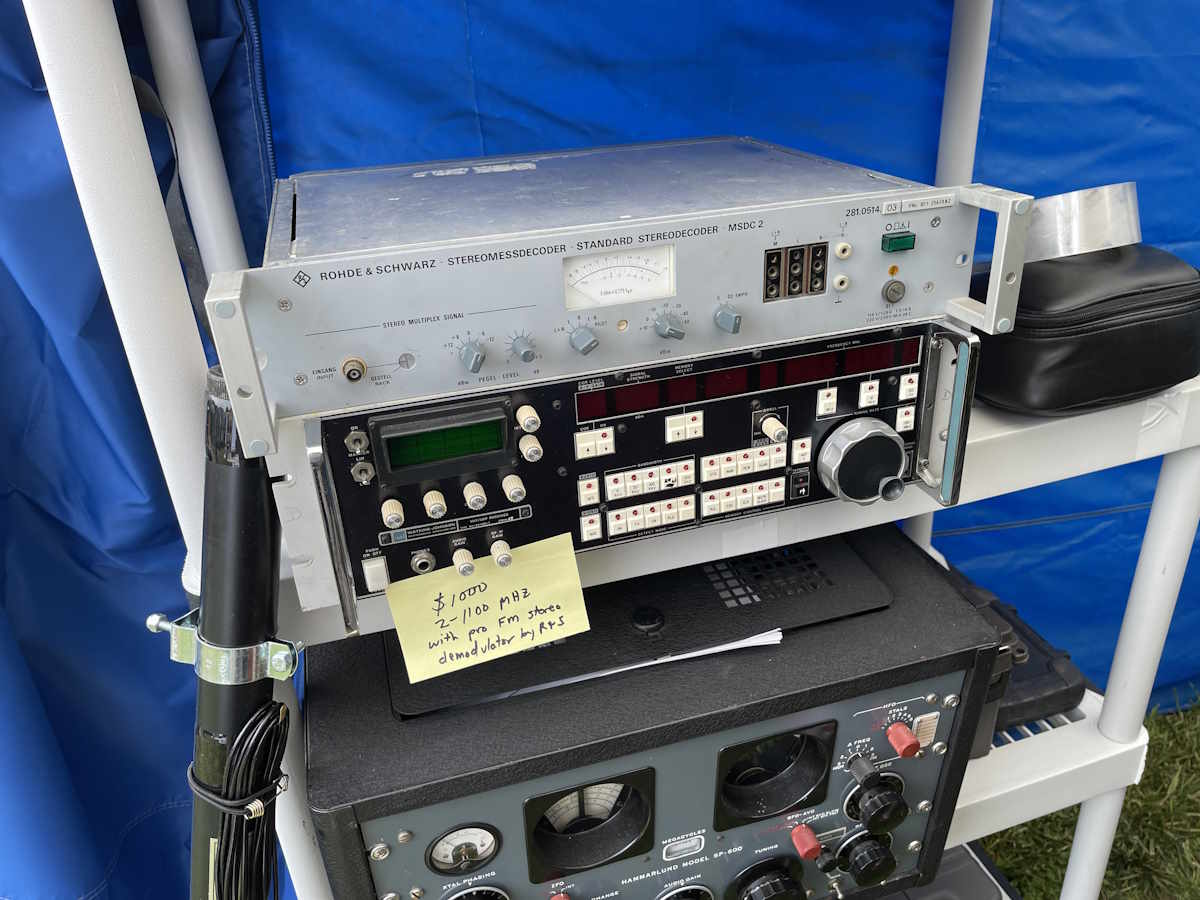
Some sort of receiver.
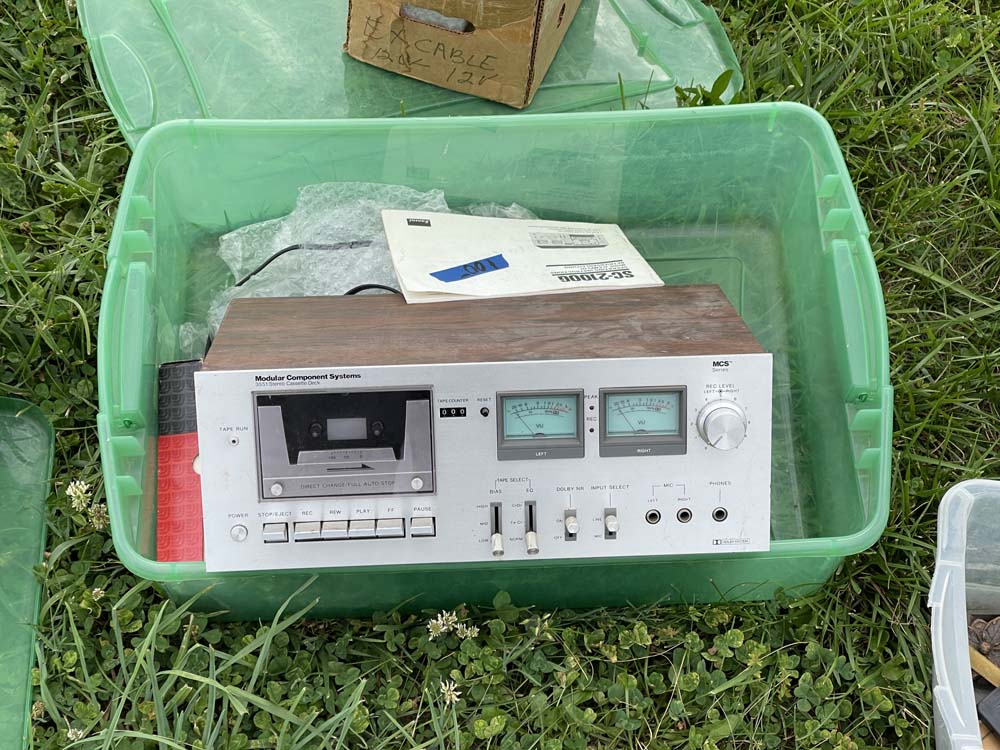
A tape deck. Friend wanted it, you carry it!
Lots of these, no one wants.
Some of those funky round speakers.
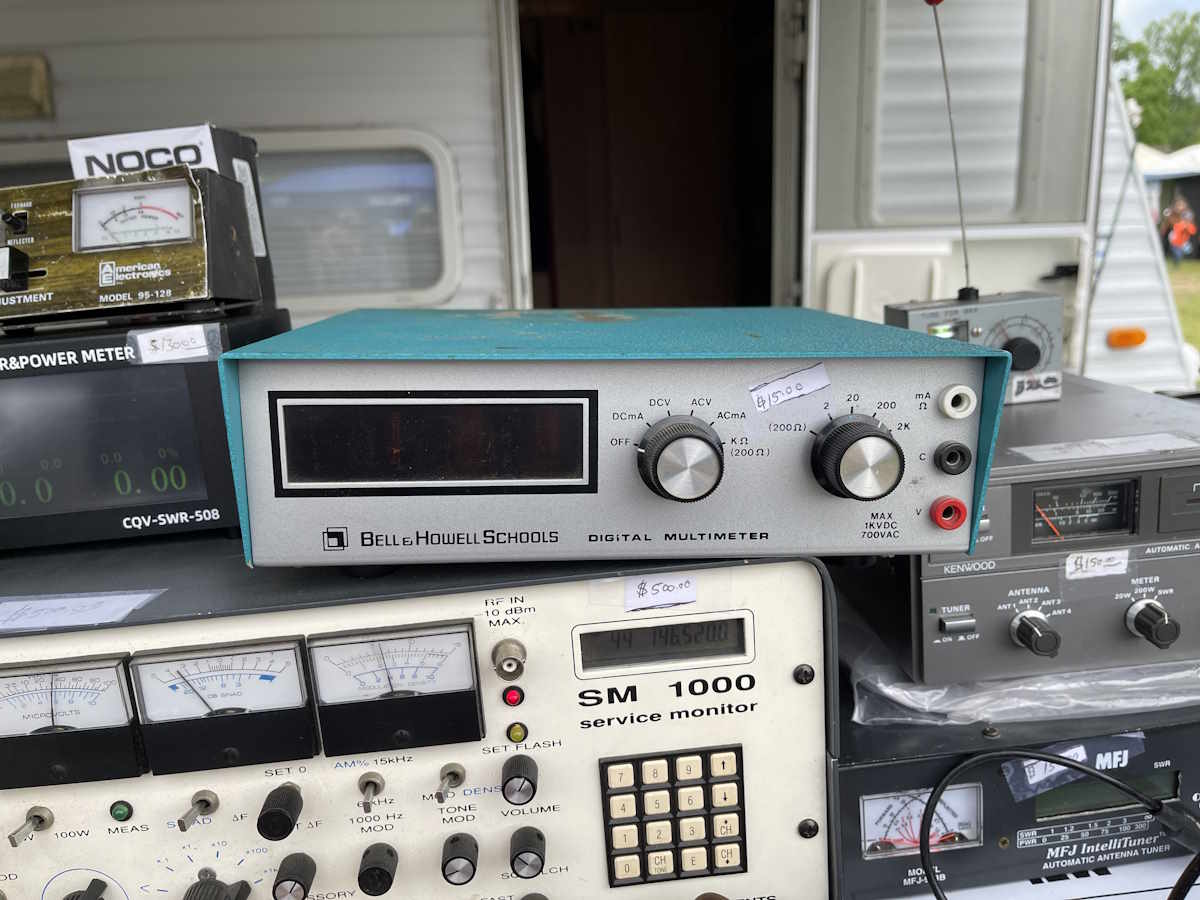
I took the Sabtronics unit for a sawbuck.
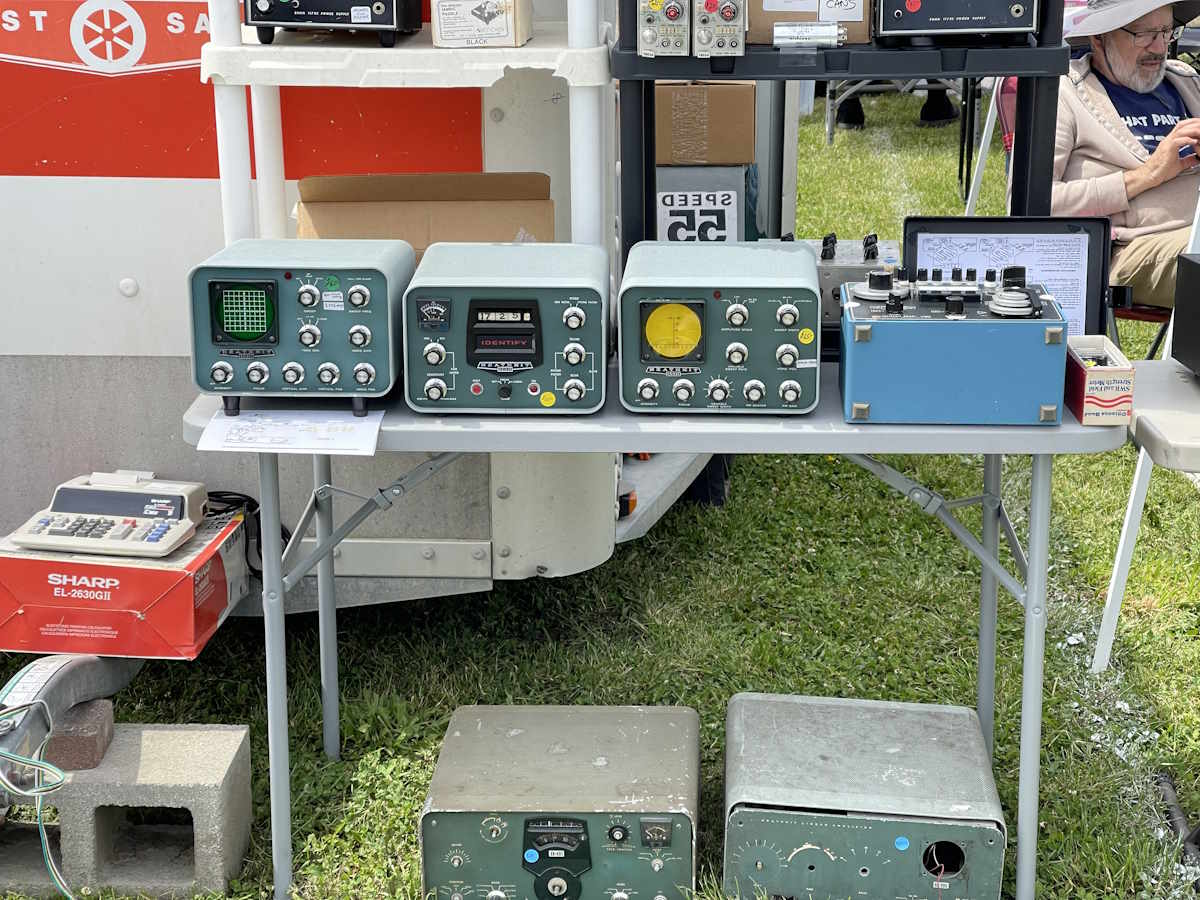
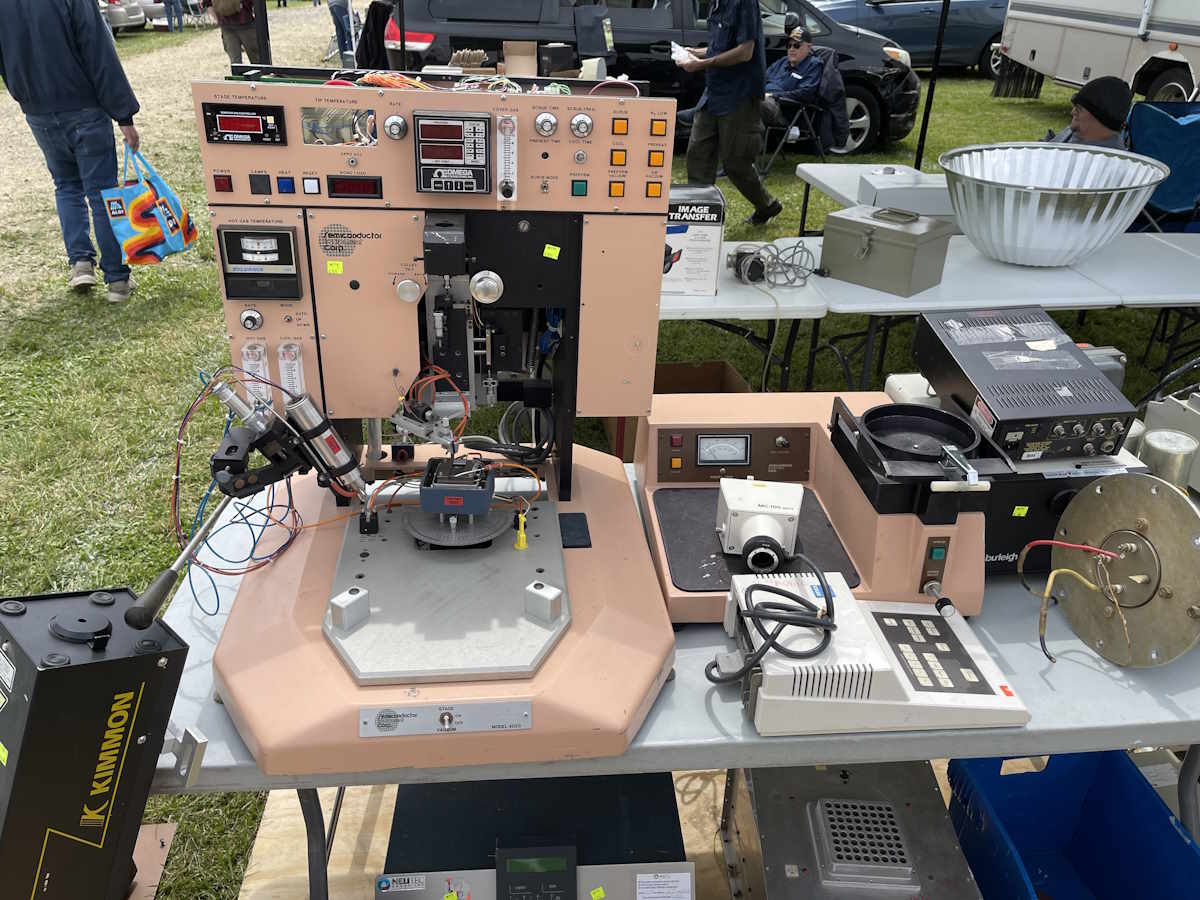
Semiconductor testing devices…in peach.
A Shango Special.
I have no idea.
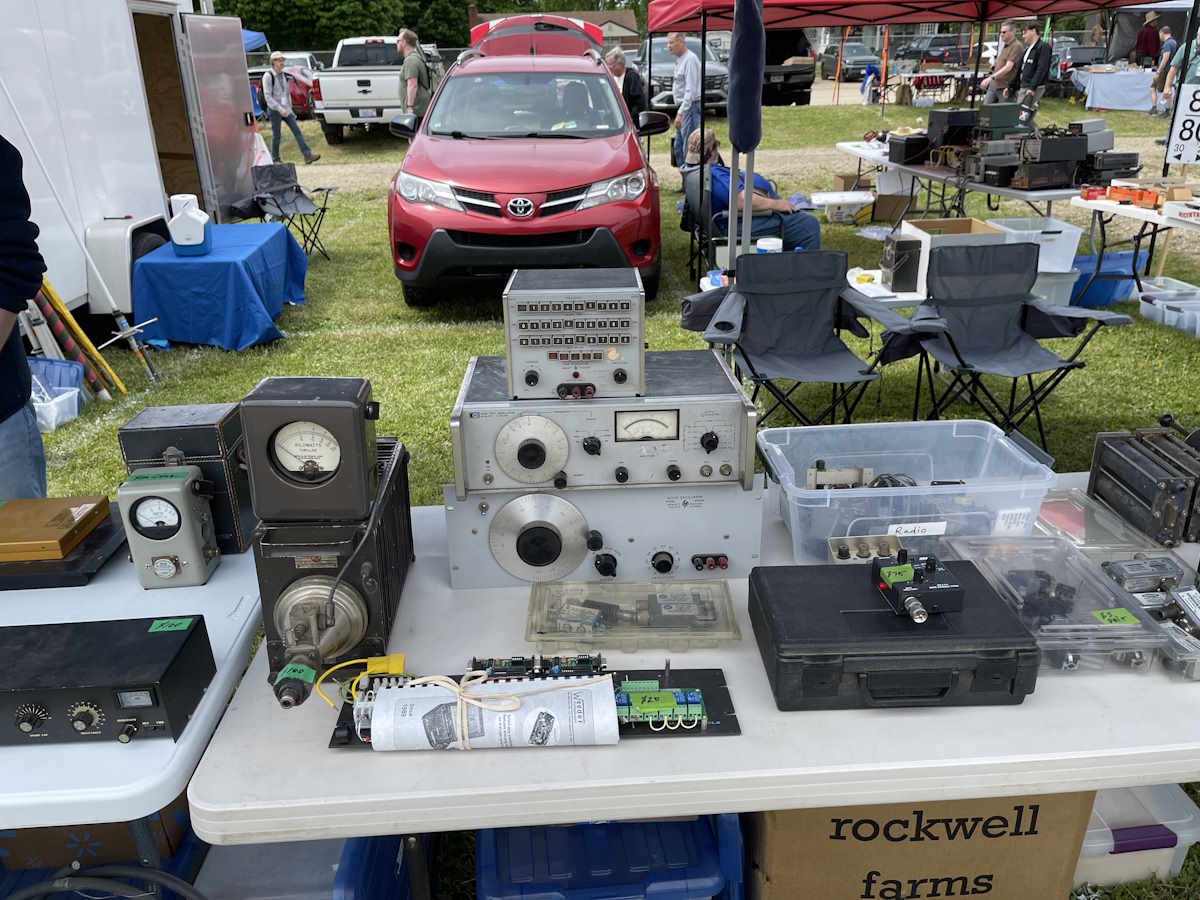
A table full of stuff.
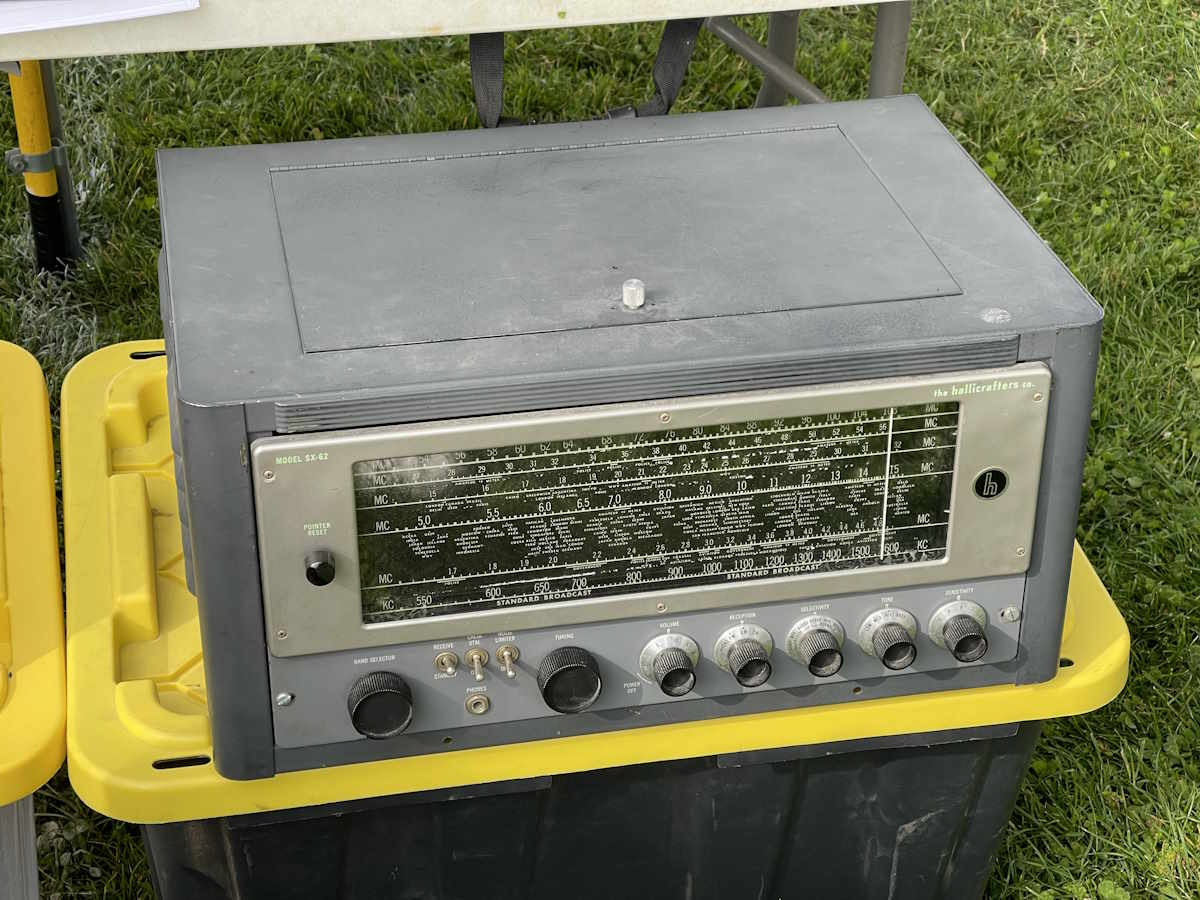
Hallicrafters SX-62.
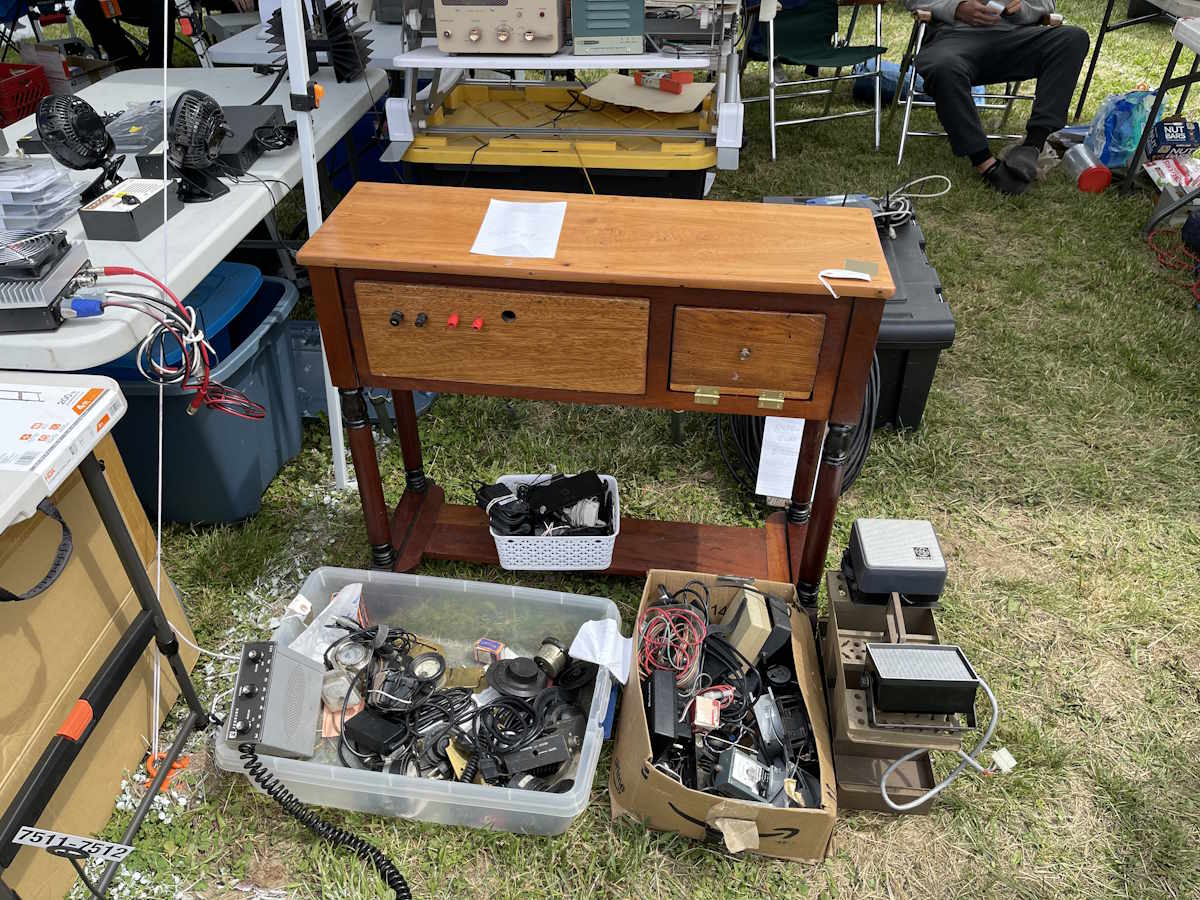
It's a radio that's a table that's a radio.
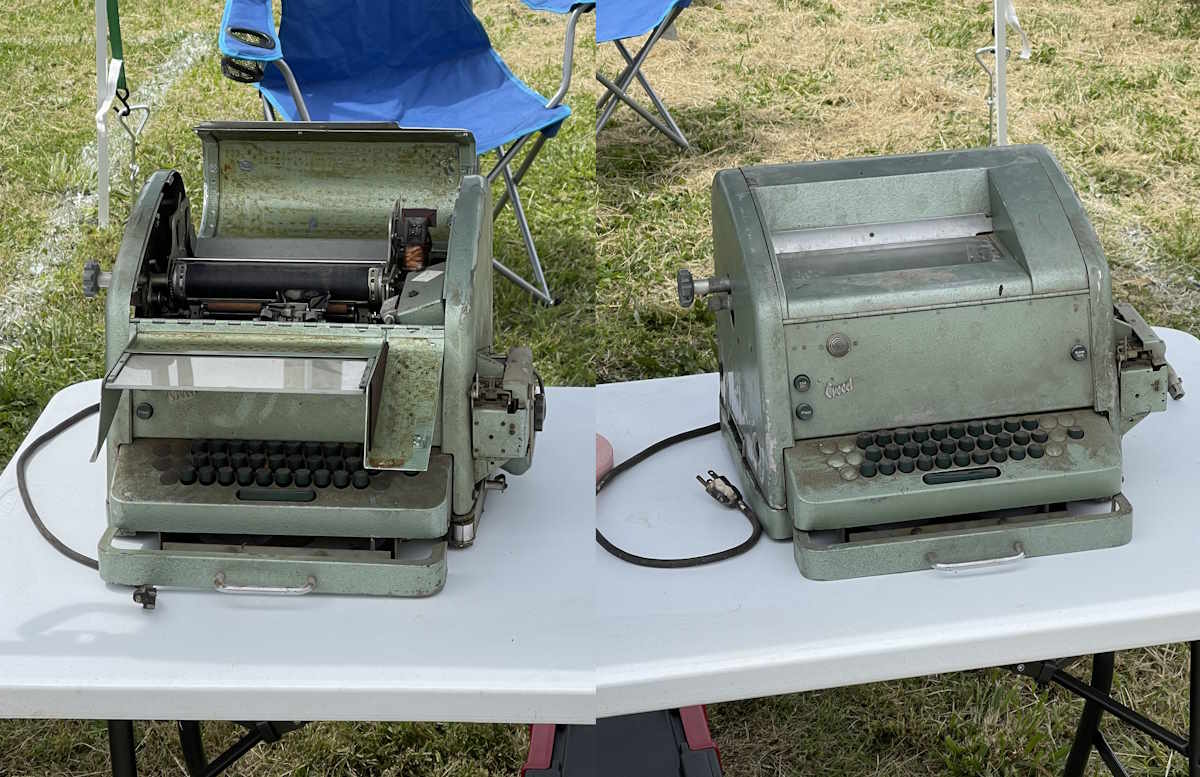
Teletypes for your 110 baud needs.
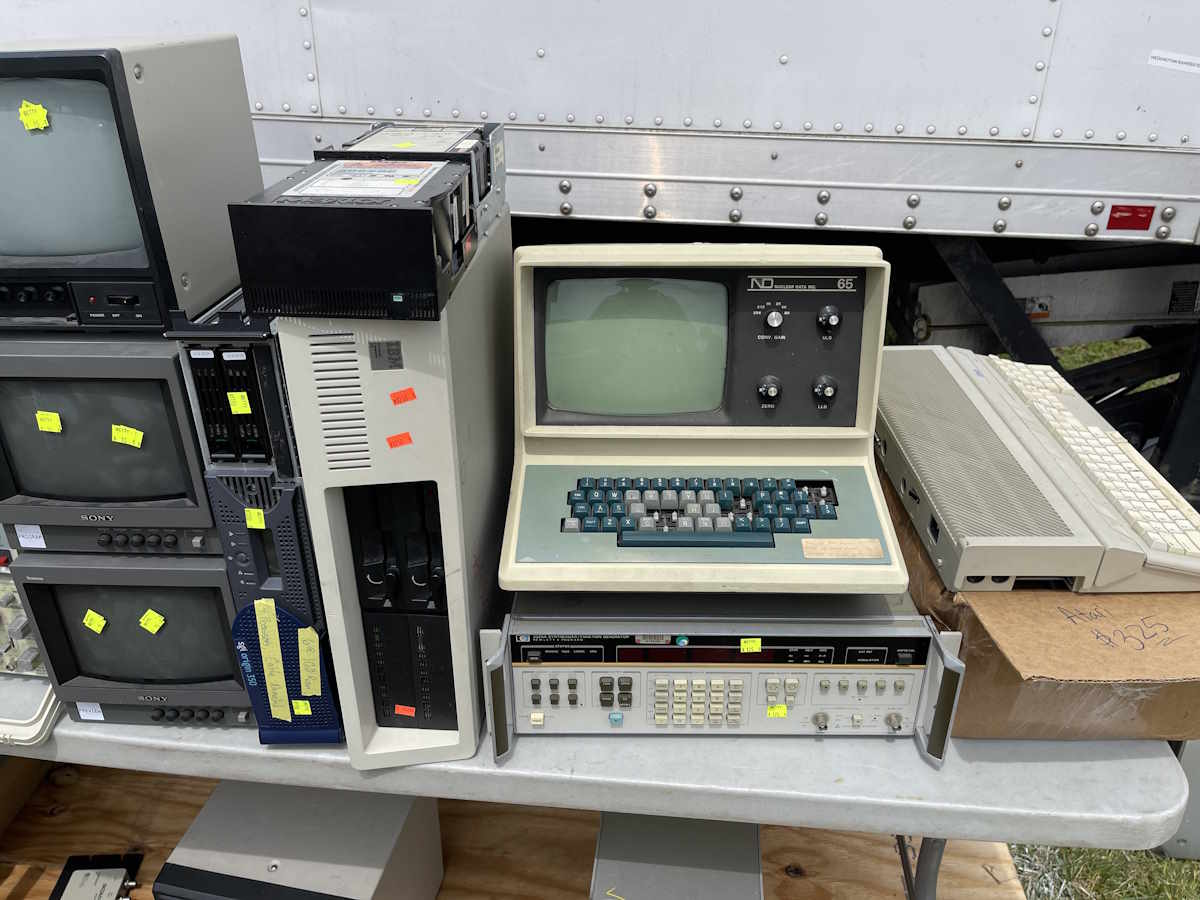
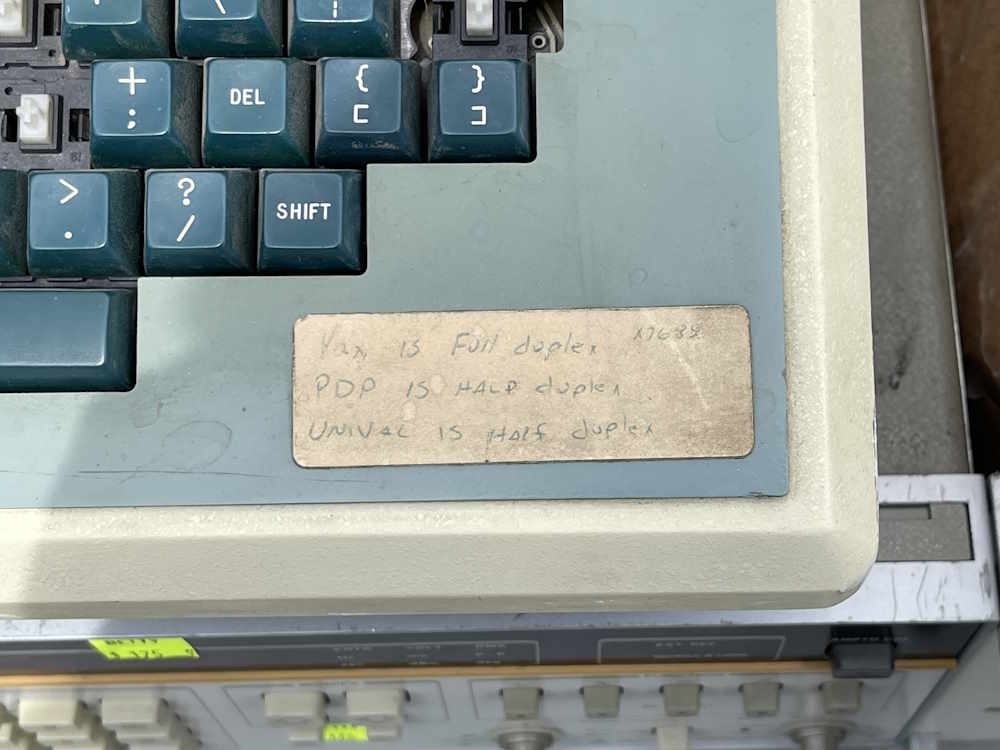
A cool old terminal.
daytonf26-terminalsettings-wereboar.jpg
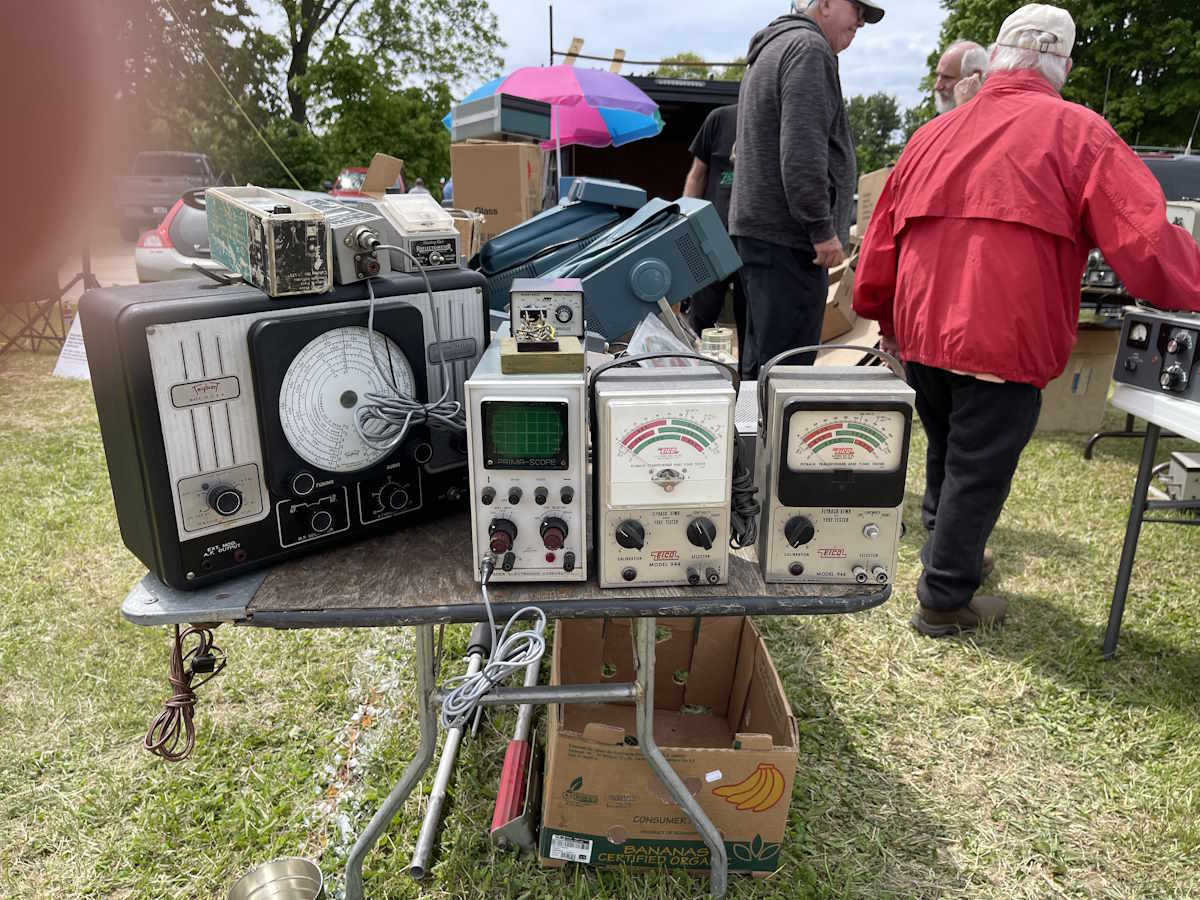
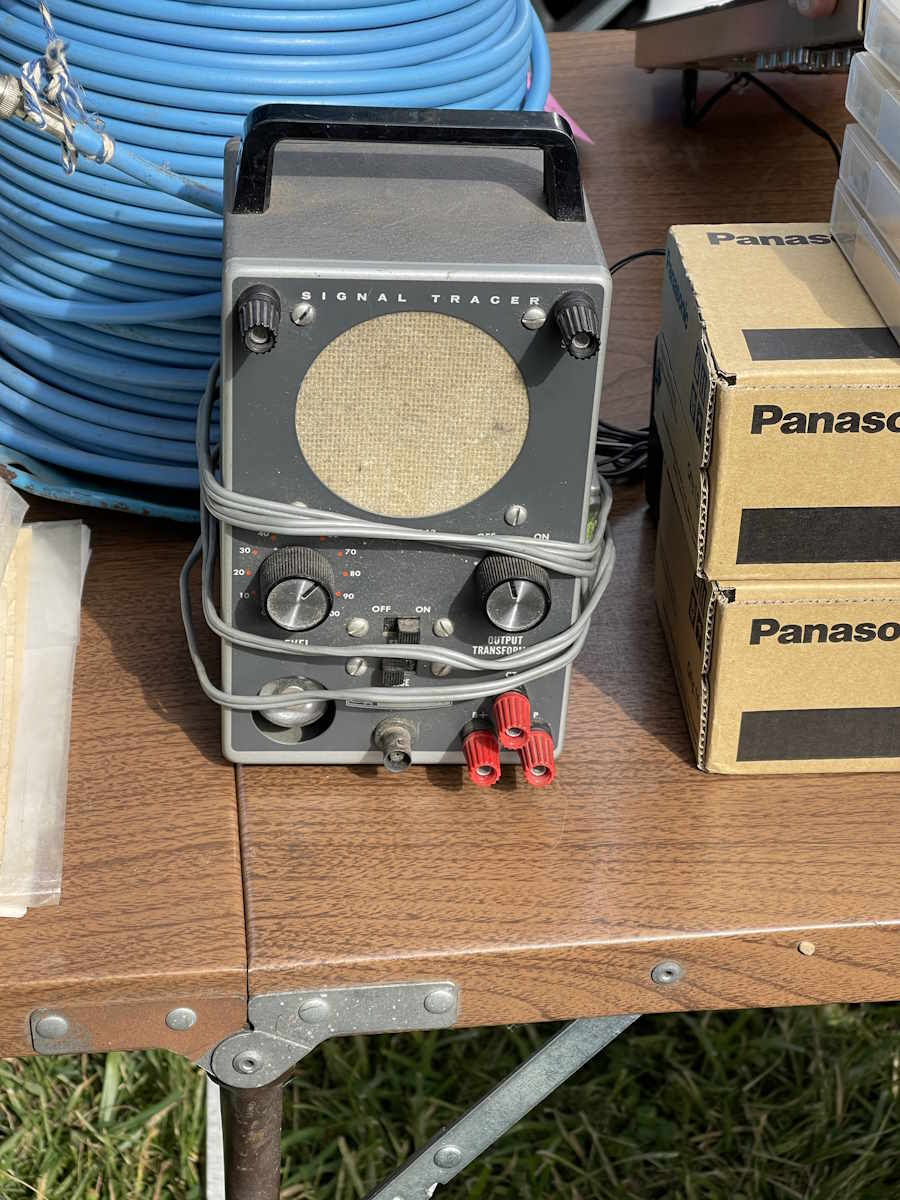
The only signal tracer I saw.
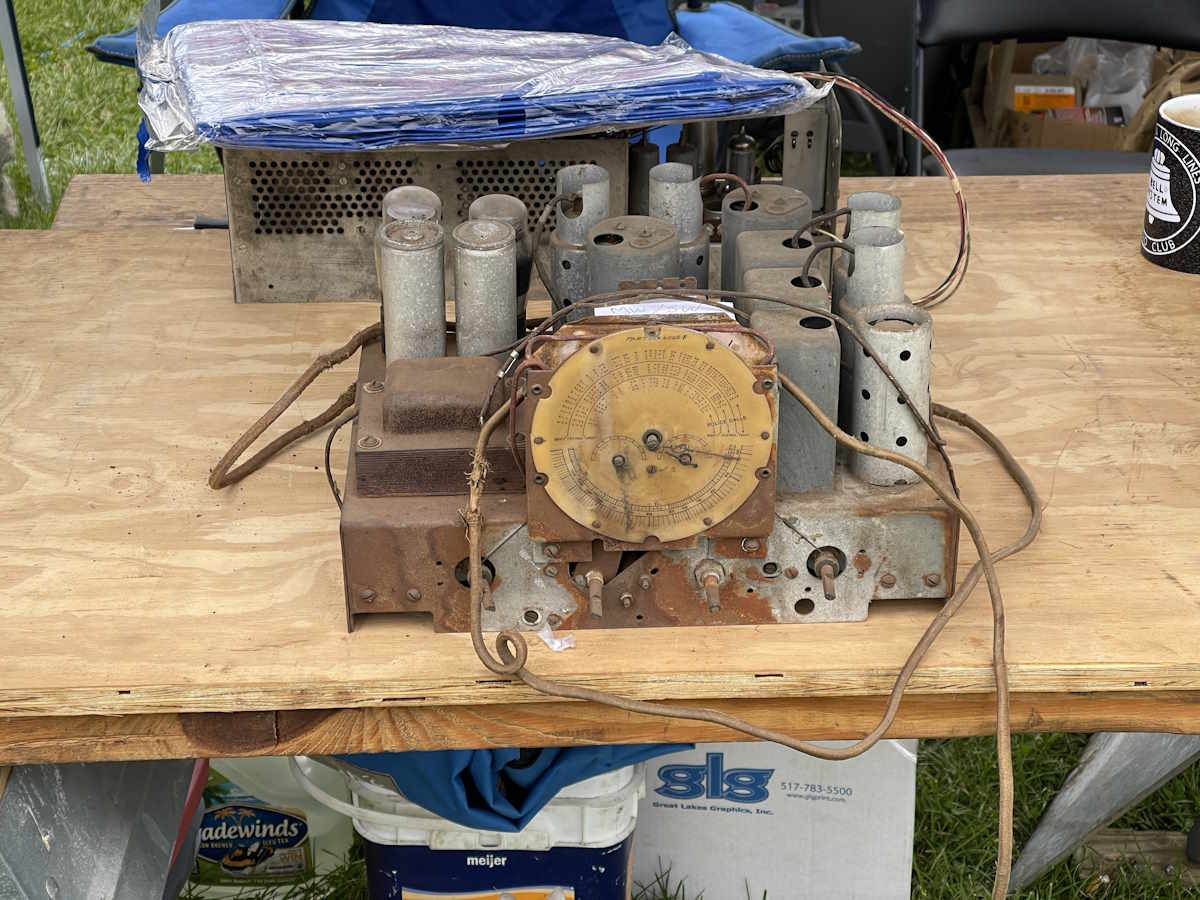
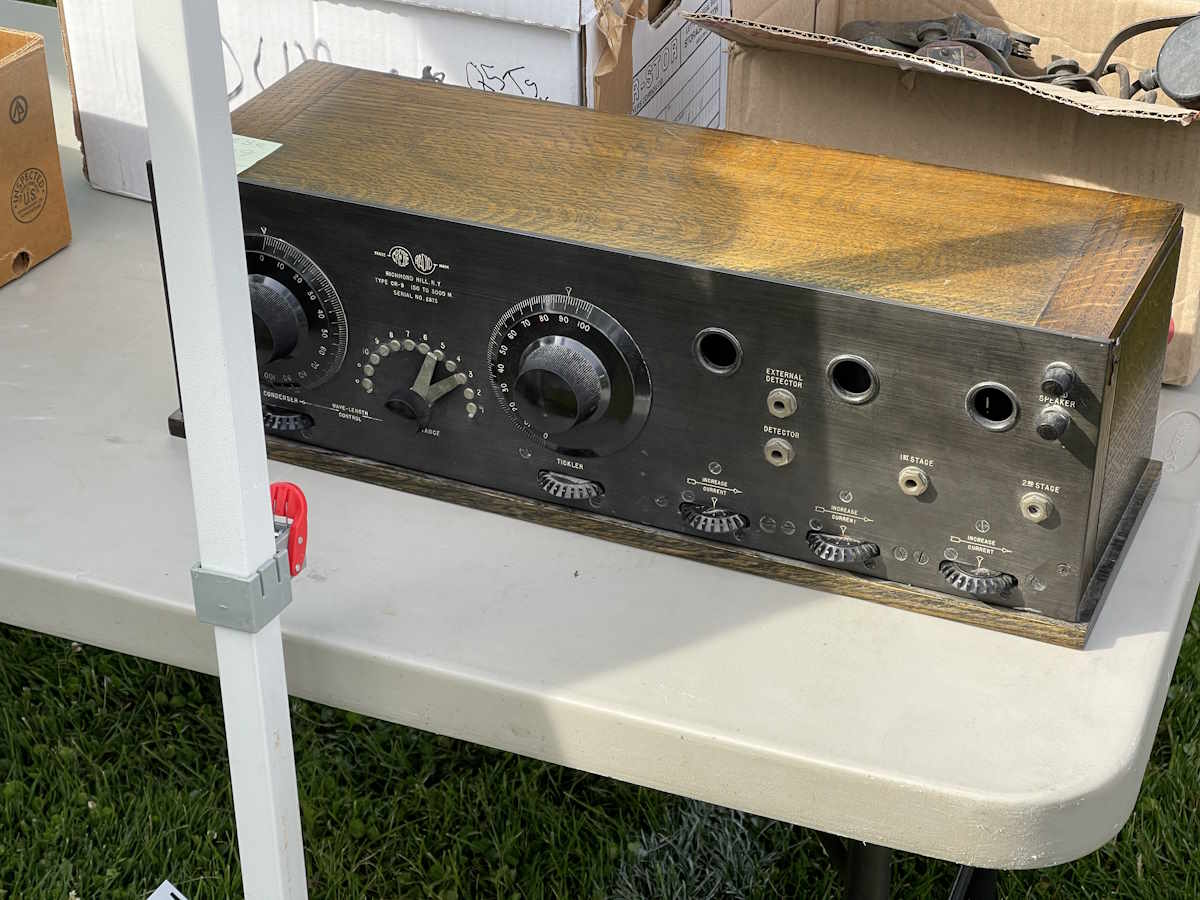
A giant TRF radio.
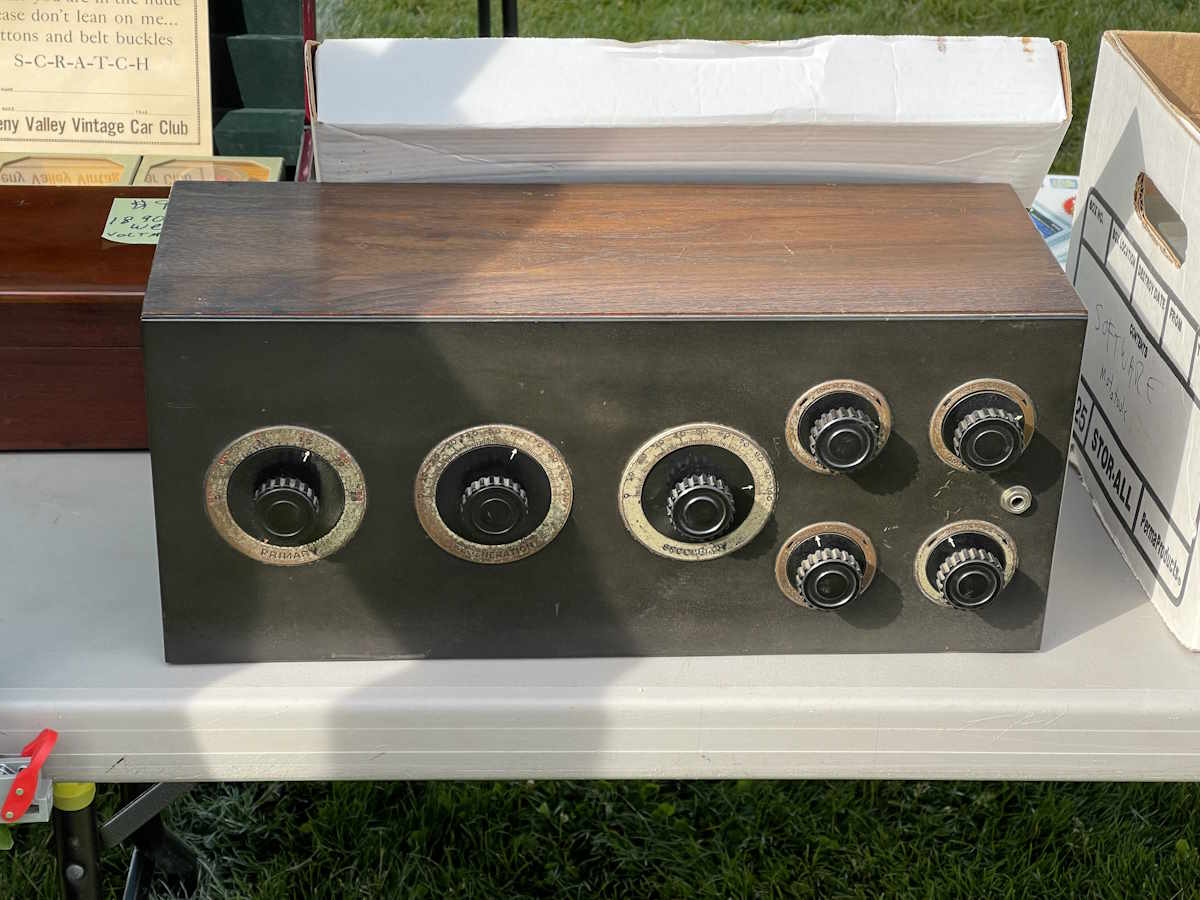
A nice looking TRF unit.
Warm soda and melted candy anyone?
Surprising, more W-J stuff this year.
Some W-J stuff.
We spent pretty much the entire day, heading out at 4:45 a few minutes before closing. We went Saturday as well, but I skipped out on Sunday.
If you want to mail order a Dayton Hamvention ticket, now is the time! You have until May 1st, after which tickets will be held will-call at the gate. This is for domestic orders, international orders are being held will-call right now.
Mail order ticket sales have ended. All sales are now will-call.
I’ve added some new documents to the library, and I’m going to try and create a new zip every quarter.
This archive contains all of the documents I’ve collected for projects - at least ones that I can share. This is currently about 430MB, and is an archive of zipped files of many different kinds. Grab a copy here:
The first ‘fest of the season has come and gone. Notably, the dearth of CB radios from the past few years has started to fade. Unfortunately, all of the older stuff has started to fade away. There was still some interesting things to be seen, and I picked up a few interesting things for later projects and checkouts.
A Commodore 64, now 40+ years old.
These machines were not cheap, that's ~800$ today.
A unique clock kit. I took it home.
I don't know, some…thing with cool meteres.
cf2026-diskettes-wereboar.jpg
cf2026-equipment-wereboar.jpg
Another table of random things. These are getting rare.
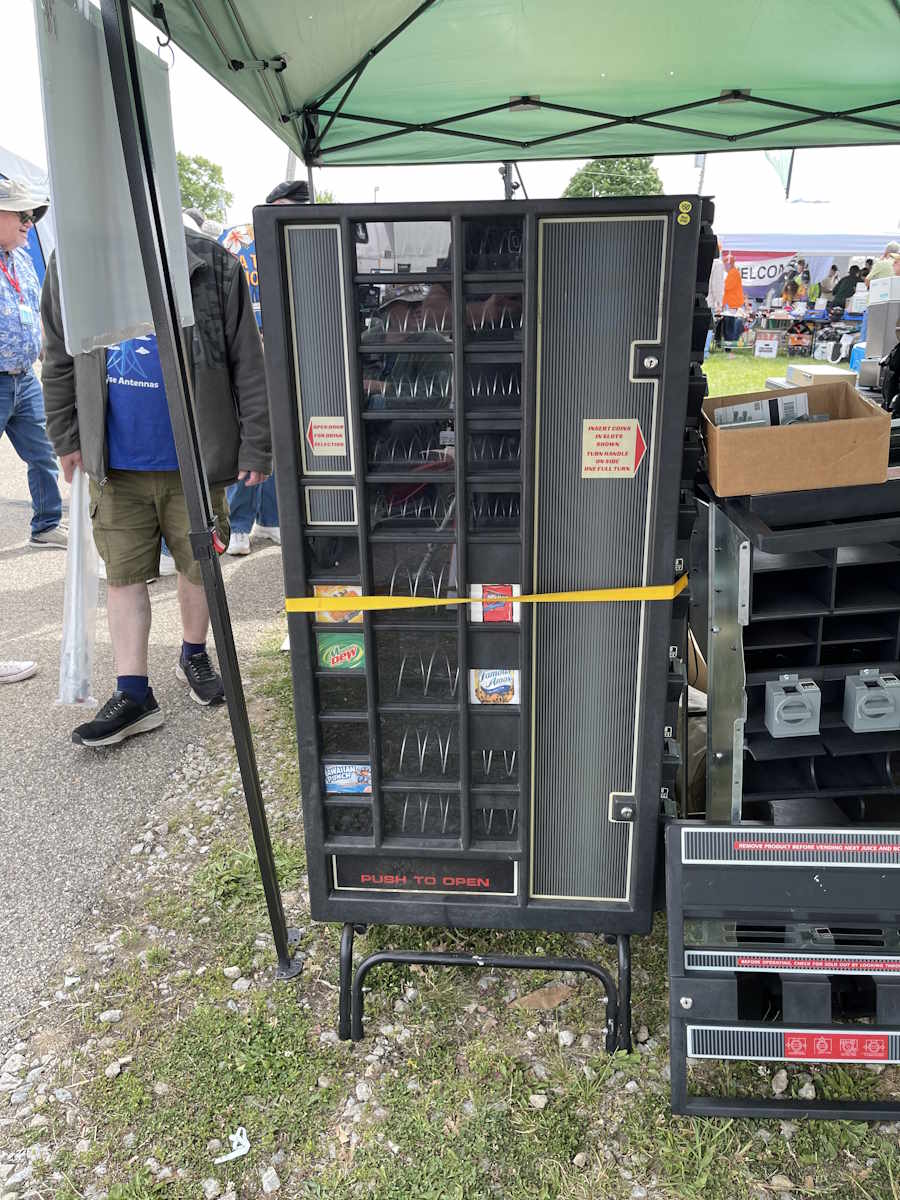
OSHA? No sah!
A homemade flight sim rig.
Nothing much to hear these days.
Just junk on the floor for your parts needs.
People love those deaf-as-a-post Knight radios.
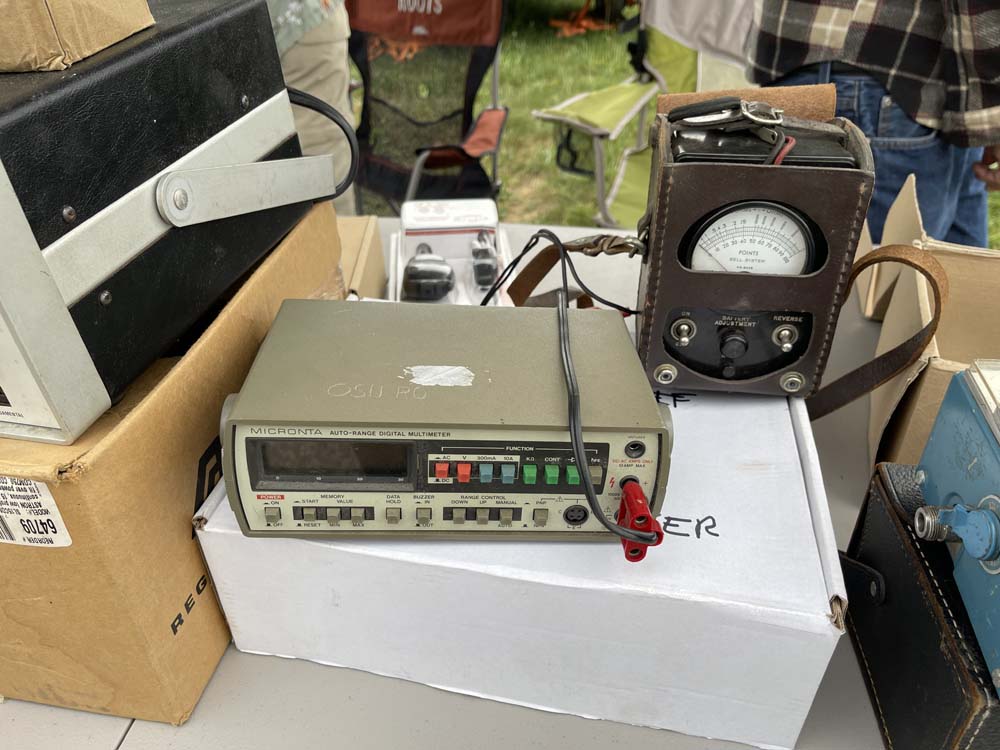
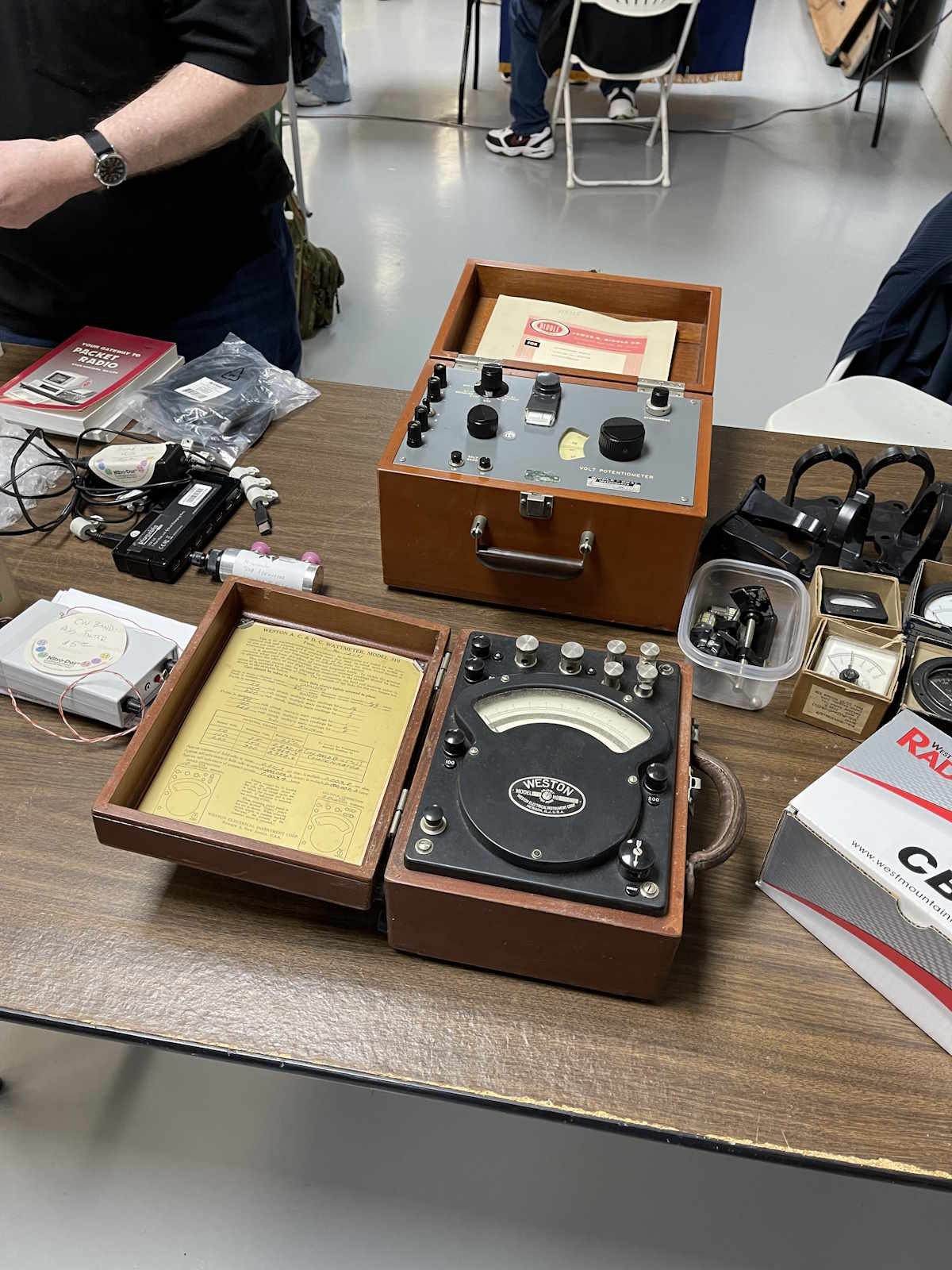
Some old meters. I took the Keithly and Heathkit.
A Hong Kong special. Probably deaf when new.
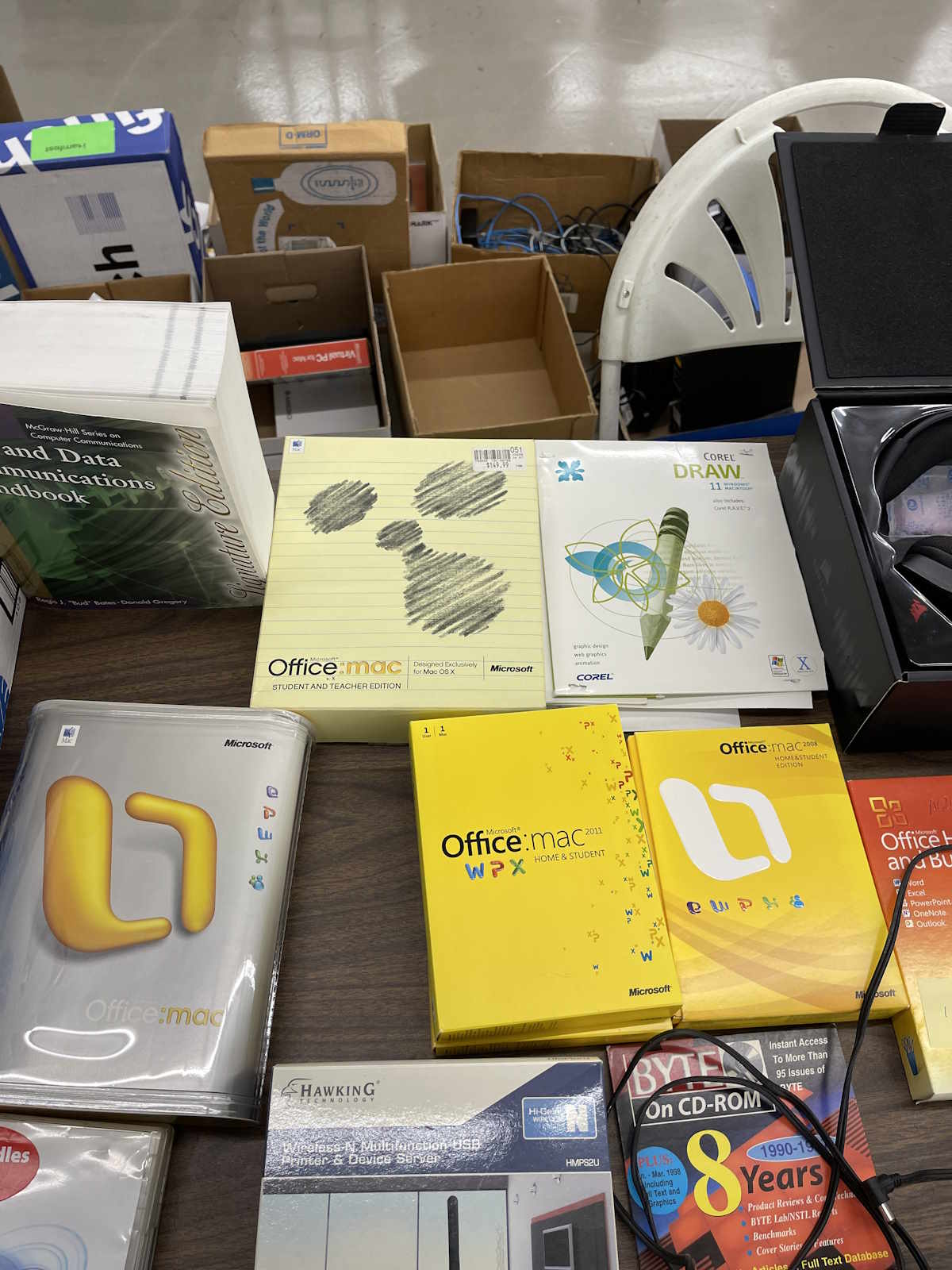
I never understood those weird Mac packages.
There's the orange “T” from Coshocton.
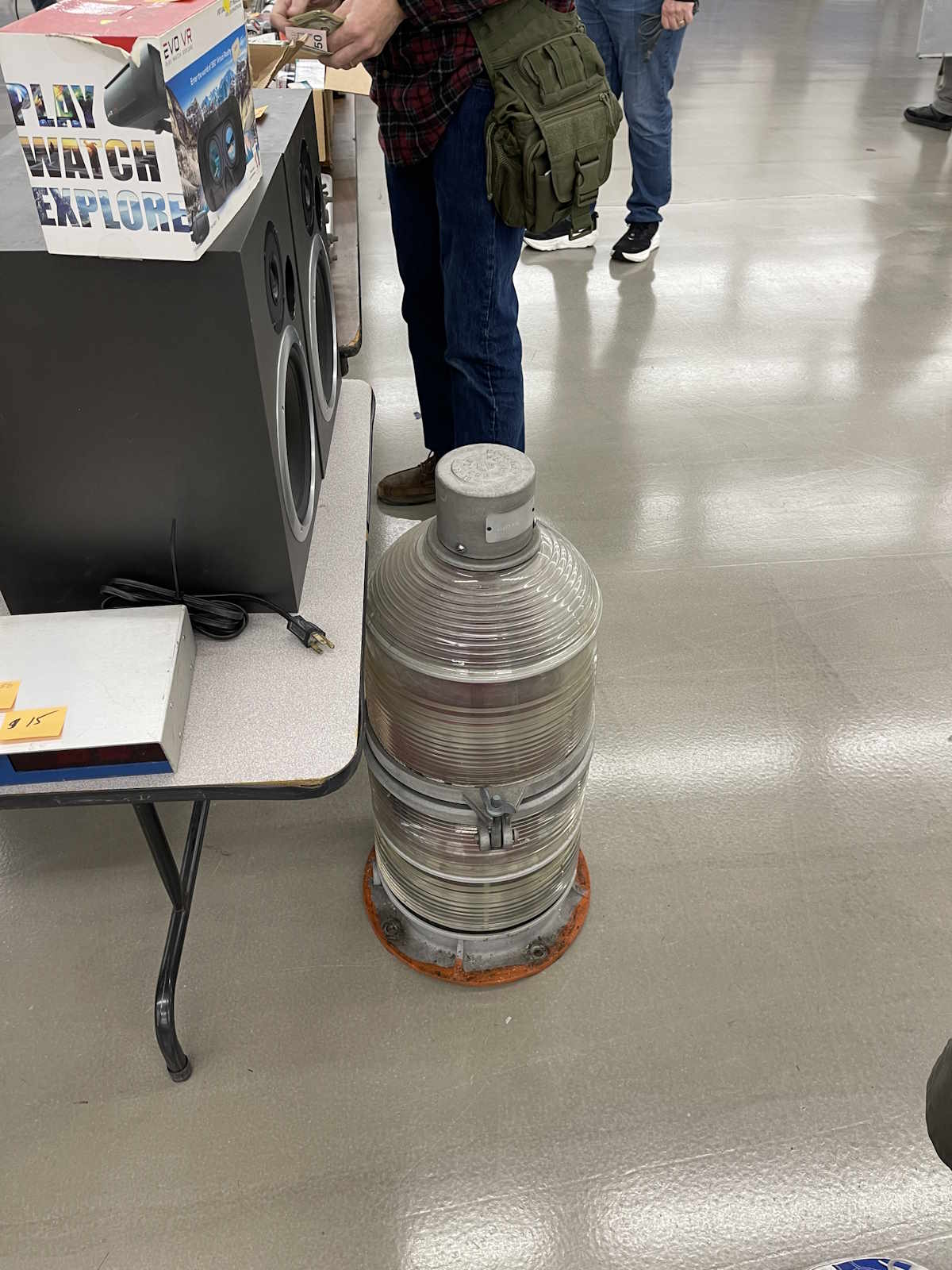
A lamp for your porch. Welding goggles not included.
A box of probes. I took the “EICO” style for my tracer.
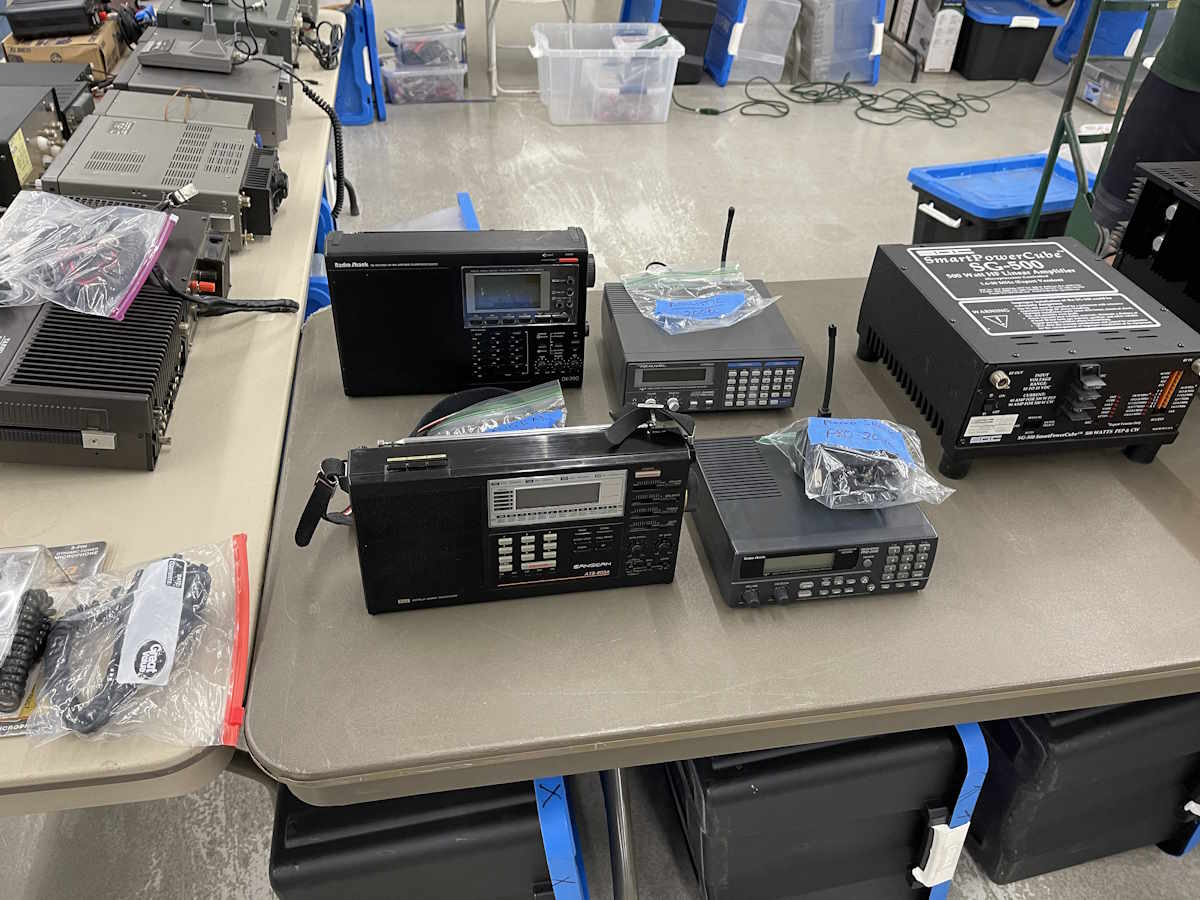
Rat Shack Radios for days.
These used to be $10 all day. Not no mo!
A nice RCA radio.
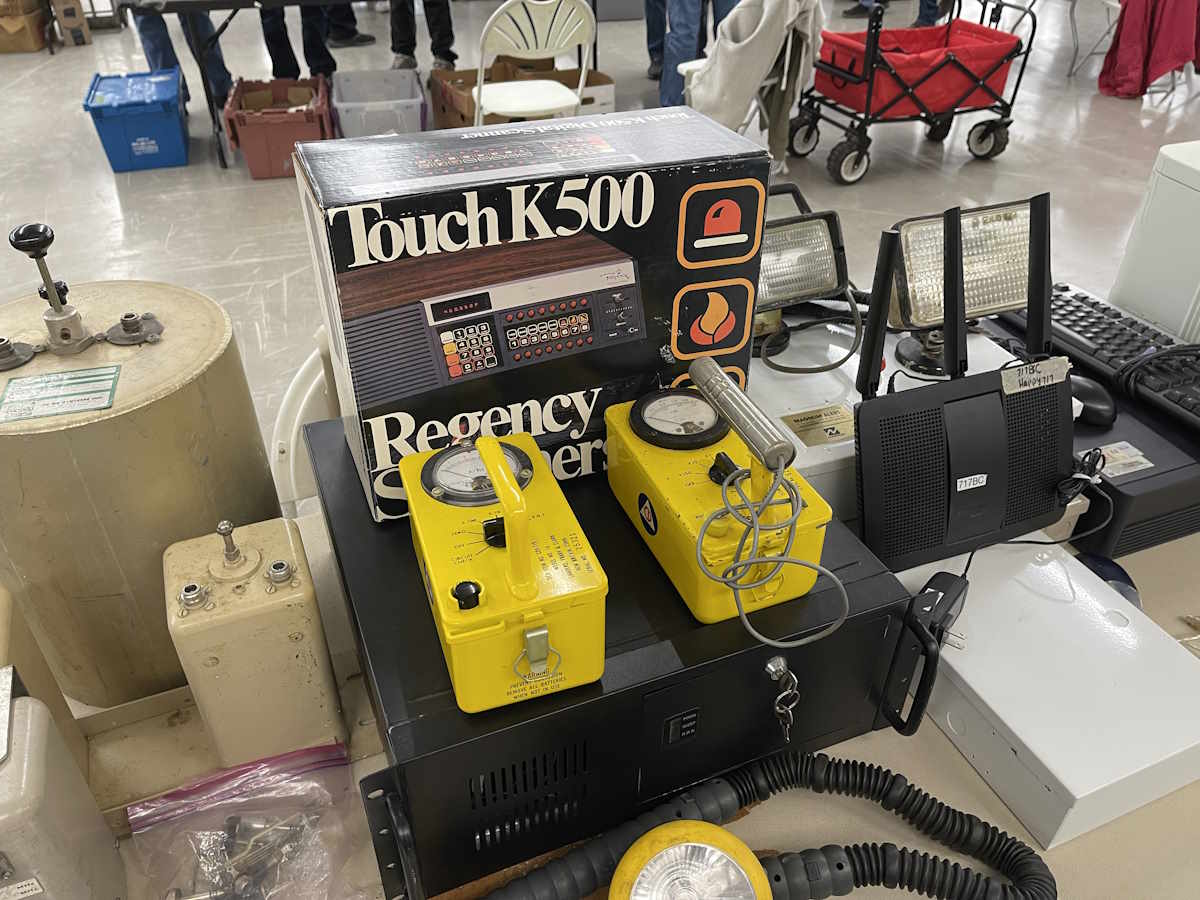
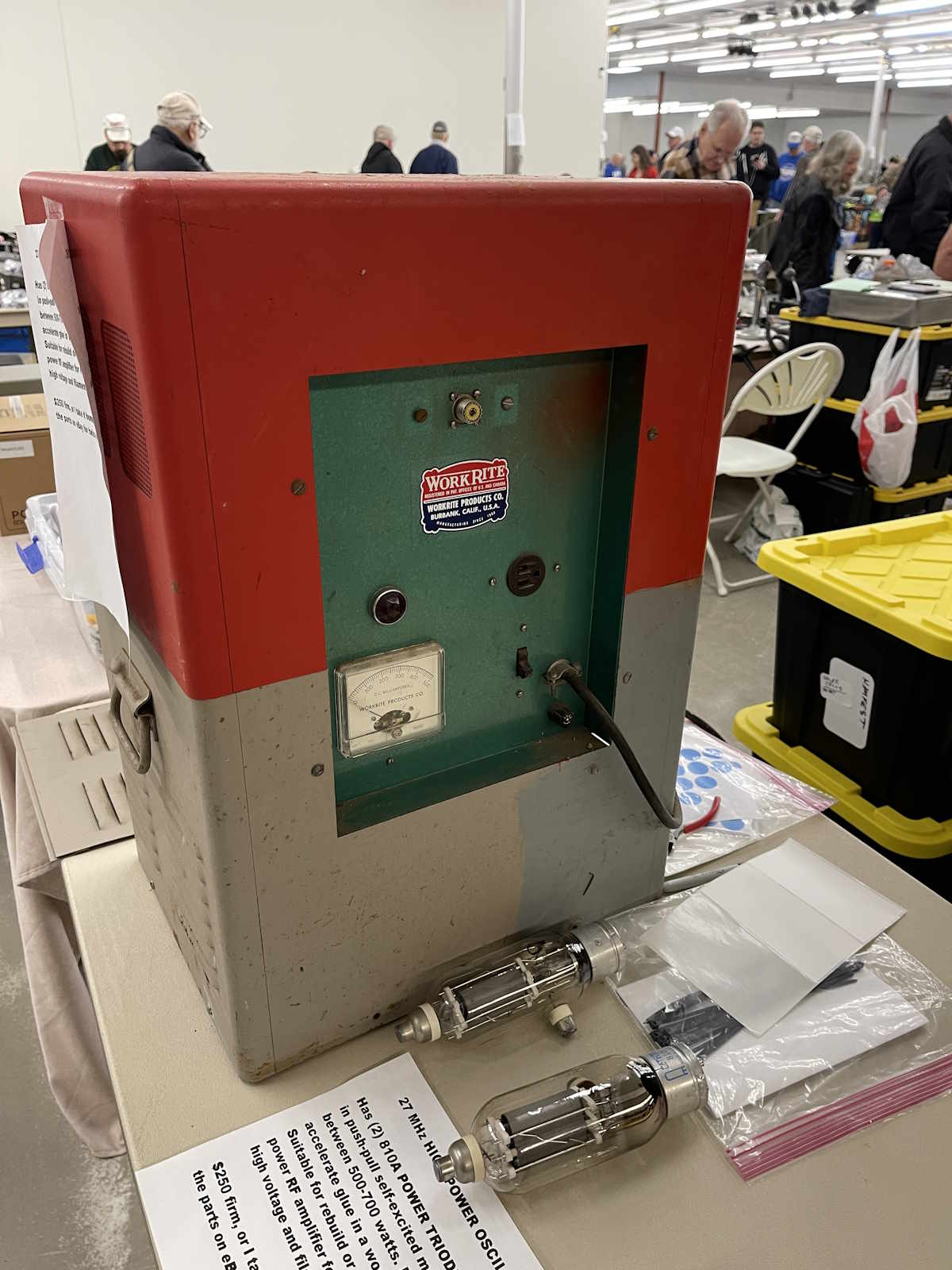
A 27MHz RF curing machine. Could be someone's new linear.
Look at the size of that tube.
The business end of the cure. Cures…life, probably.
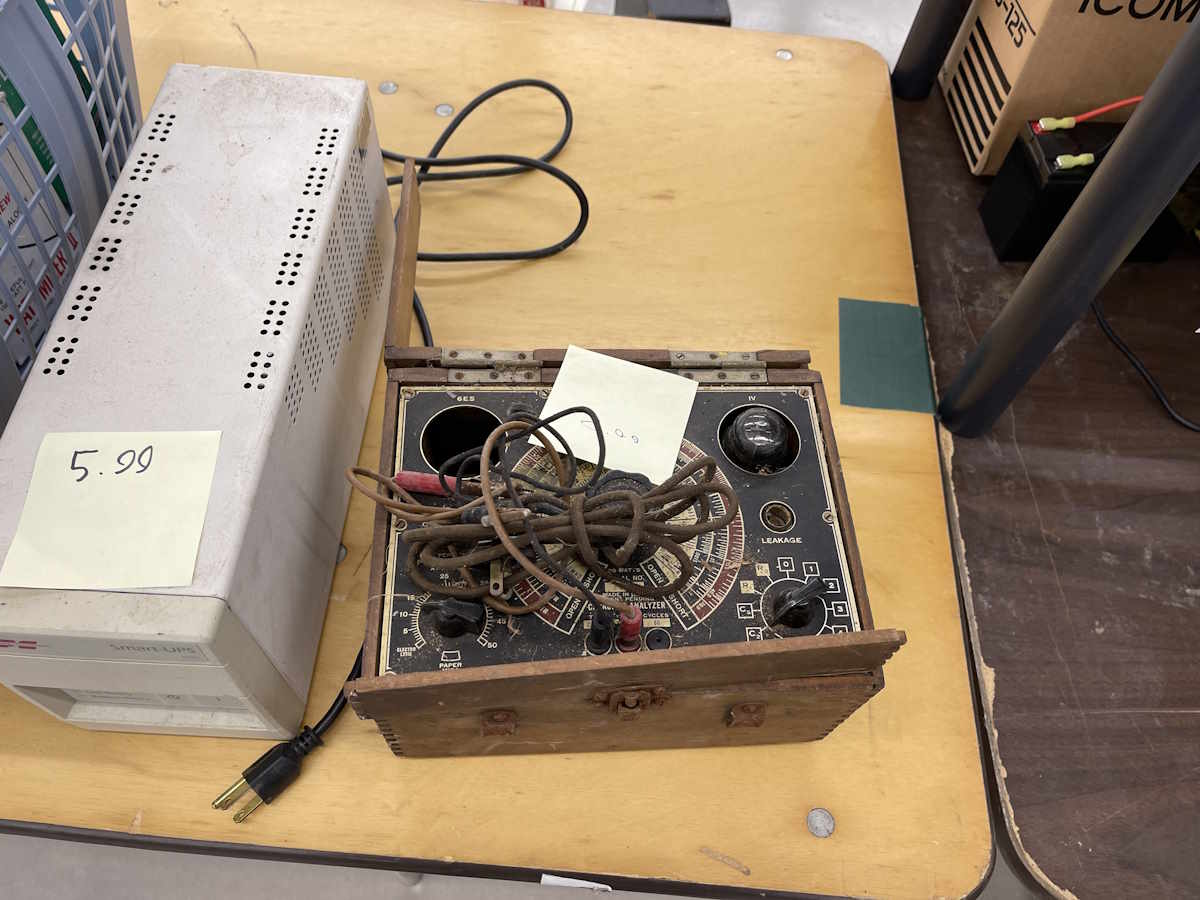
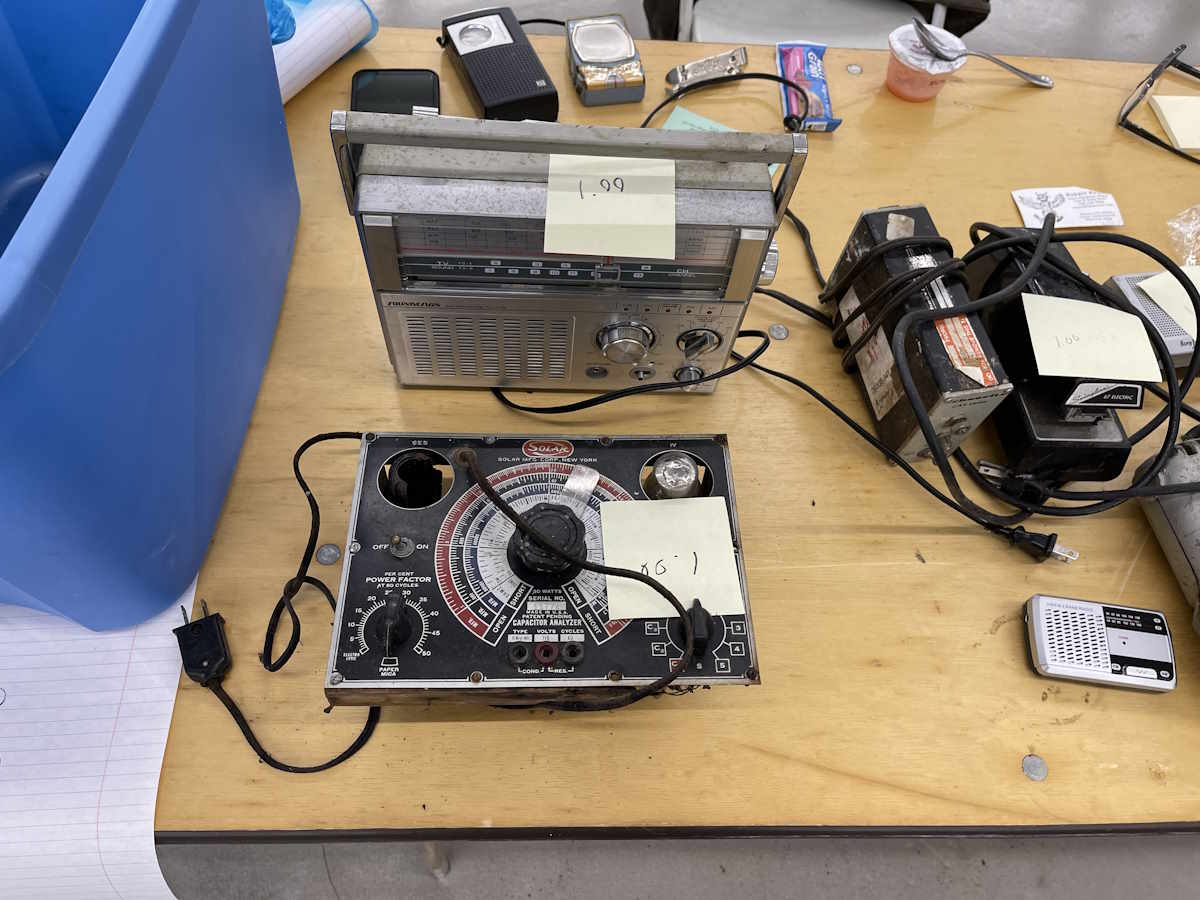
Almost got this and the next one as a real challenge project.
In bad shape…
Gimme one of those S-Pecans.
These are always a lovely piece of history.
We topped the day off with a stop at Arthur Treachers’ Fish and Chips, and then headed home.
Next up is Dayton, I’m planning on going all three days this year. As a reminder, you can still mail order a ticket - internationally until Wednesday, and domestically until May 1st. See you there!