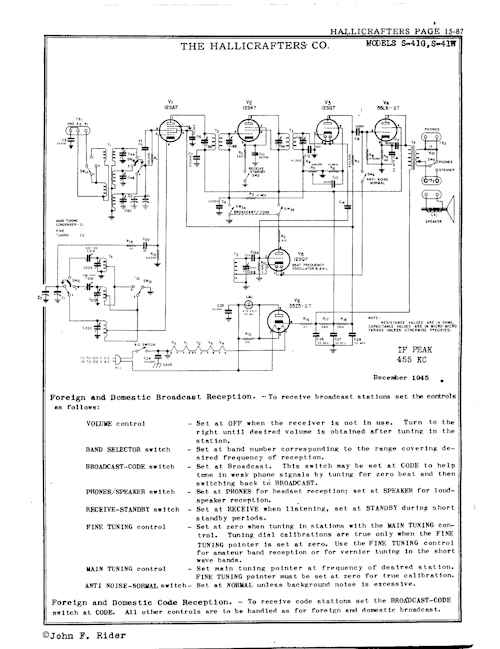
While I didn’t expect this to be difficult to find, I was pleasantly surprised to find the Rider’s available on Antique Electronic Supply’s website. AES has a nice selection of components for the radio enthusiast, I highly recommend them for restoration components.
AES has changed their website and merged with a sister company, I have no idea if they still offer this serivce.
I’ve been looking for an AA5 “Shockbox” radio for a while now, but these seem to be getting kind of rare, which is odd considering how many of those things were made. So I’ve decided to instead look for an older multi-band unit. While this one wasn’t exactly what I wanted, it was cheap enough that it will work until I find a better example.
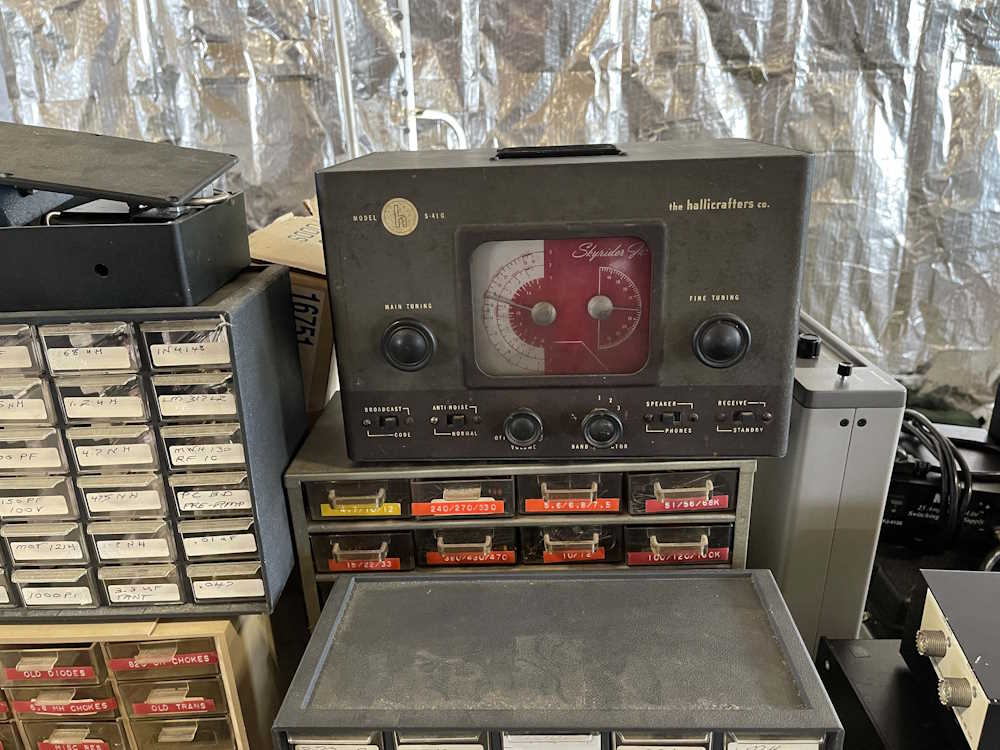
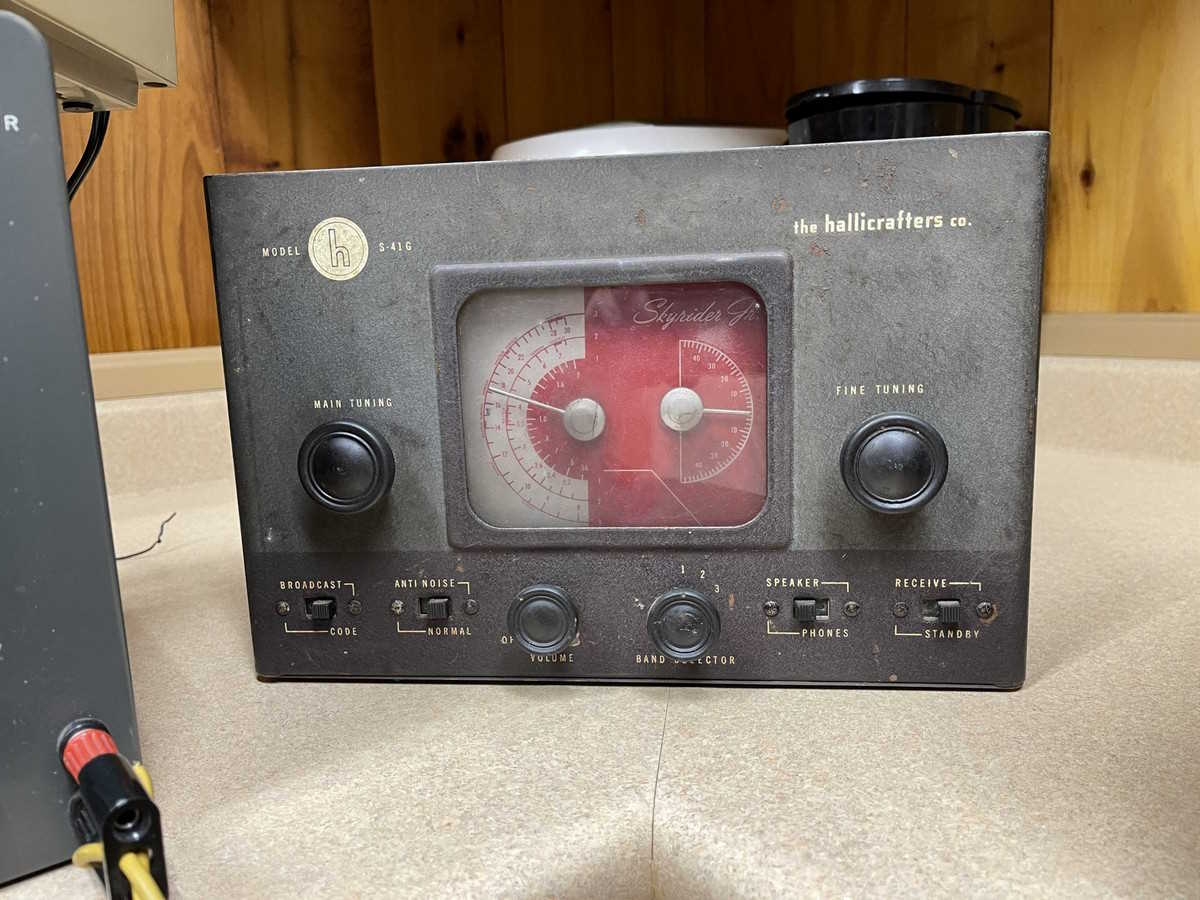
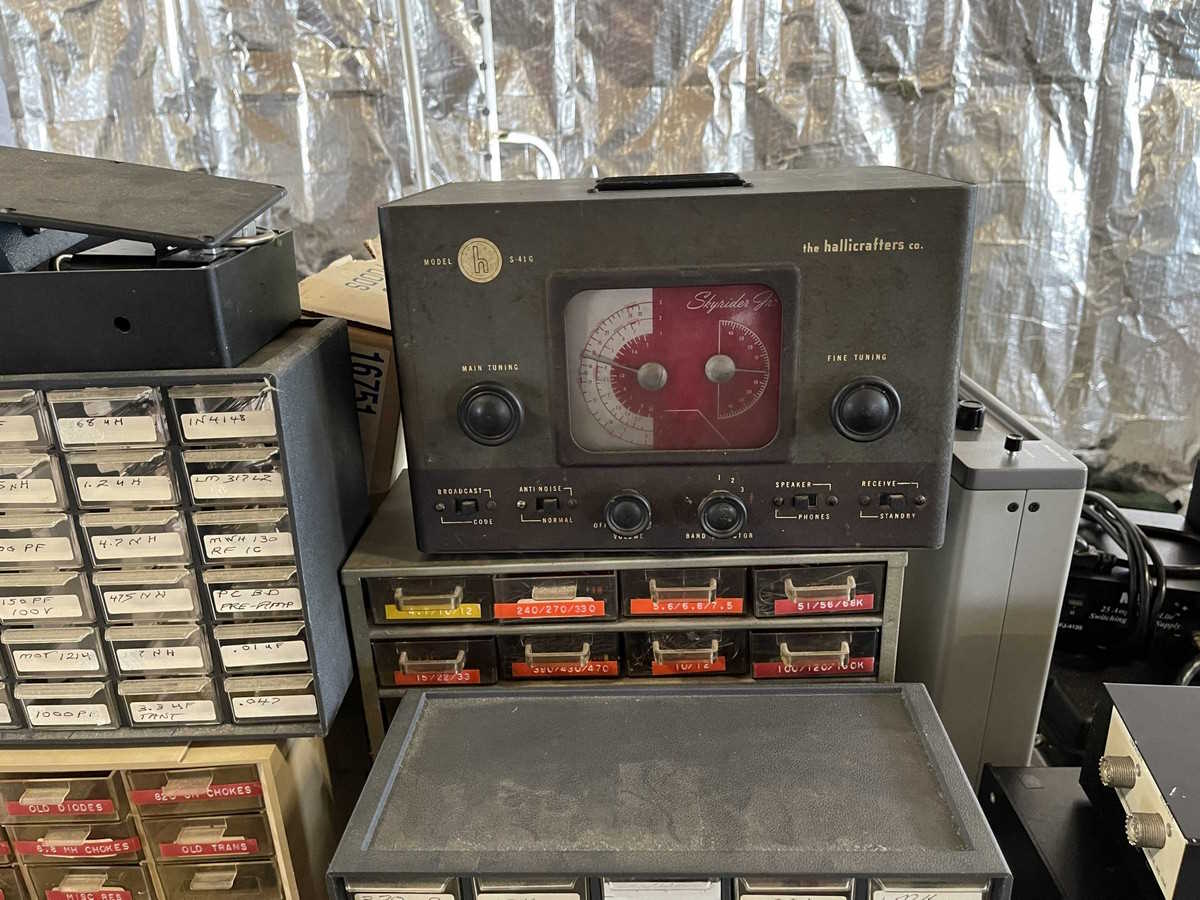
The Hallicrafters S-41G “Skyrider Jr.” was introduced right after WWII as a low-cost entry level receiver, alongside the company’s Echophone EC-1B which is electrically and mechanically identical. This unit lasted for a few years, and was replaced with the more common and more familiar S-38 line, which lasted for 6 models (S-38 through S-38E.)
This unit is in “acceptable” condition, and is complete with original knobs, a usable face, and limited damage to the chassis. It was purchased for $25 on August 6th, 2022 at the Columbus, Ohio hamfest.
When I first saw it, the friend I was with said “That looks like it sat around in a shop for years as the shop radio.” Turns out that was correct, the gentleman that sold it said it was in his father’s shop for years, but his father was unable to answer any questions about it, being in a state of mind that didn’t allow for much these days. That’s kind of sad to know I won’t be able to get any history, but that’s how it usually goes with these things.
First thing I did when I brought it home, of course, was to give it a quick lookover and then plug it in. Unsurprisingly, it came right up, and after getting the crud of the ages out of the switches, I was able to receive one of the strong local AM stations without any antenna connection. It must still be decently aligned.
The radio had the “science fiction squeal” as you turned the dial. Bad AGC capacitor, but that’s expected. Then the volume started dropping. Grid coupling capacitor was leaky and slowly allowing voltage through, cutting off the tube. I was about ready to turn if off, as I don’t want to destroy the tubes when it went POP and smoked. Capacitor blew out. Since the volume didn’t change, I expect it was the one across the line. But I rapidly pulled the plug anyway because it was shown to be working and that’s what I needed to see.
What’s a good initial showing without tearing the bottom off and baring the goods to the world? So that’s what I did next, and probably should have done first.
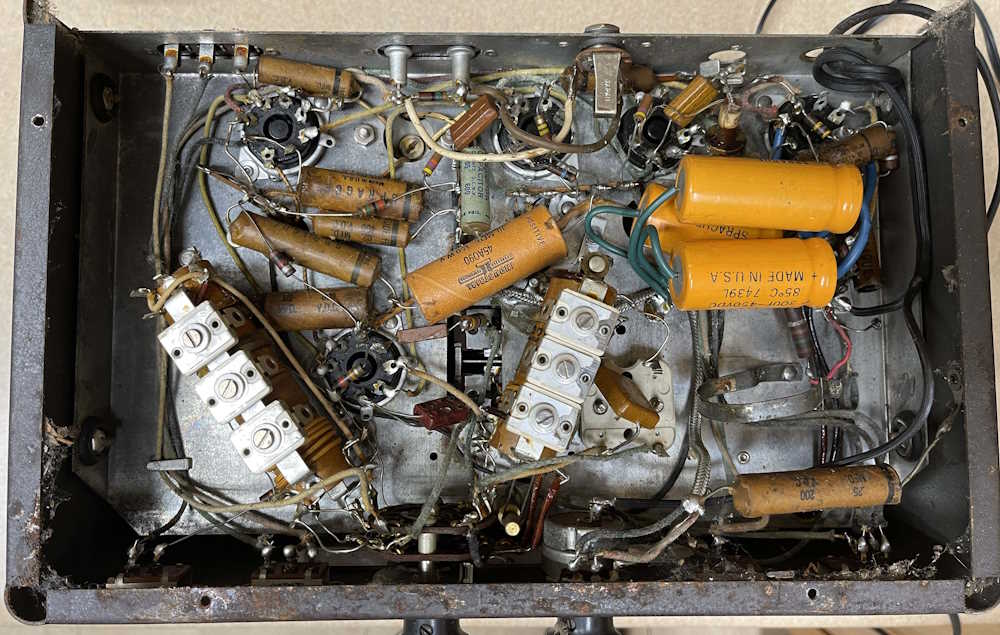
There were those big orange replacement filters. That was visible from the back, so no surprise. These were 450VDC capacitors with a 1974 date code, and decently installed. The voltage was far too high for the rectified line, but there are multiple schools of thought on this. One says go to the max, others say keep the voltage near the working voltage. The thought behind this is if you don’t give the capacitors their rated voltage, they can lose their ability to be a capacitor, and will try to “reform” and become capacitors again every time you apply voltage. I’ve always followed that rule, so a B+ of 150VDC probably would net a 200WVDC capacitor. In any event, these will go and get replaced with modern (and smaller) capacitors. Since these are nearing 50 years old themselves, it’s probably time regardless.
The other changes were the addition of a new line cord (sans the probably long dried out grommet in the chassis it went through) and a phone jack across the pin terminals originally placed by the factory. Not bad, usually these things are just a mess inside.
What’s going to happen next is the finding of a schematic. While I’d like to get the original Riders or Sams set for the radio, that may be difficult. There are a number of offerings online, so it’s just a matter of finding one that’s not a honeypot and downloading it. Then, the process of determining which parts need to be replaced begins - but that’s probably a job for this winter when the snow flies and the days are short. But check back in a few months for more on this set.
I passed this set on to a friend in favor of an S-38C.
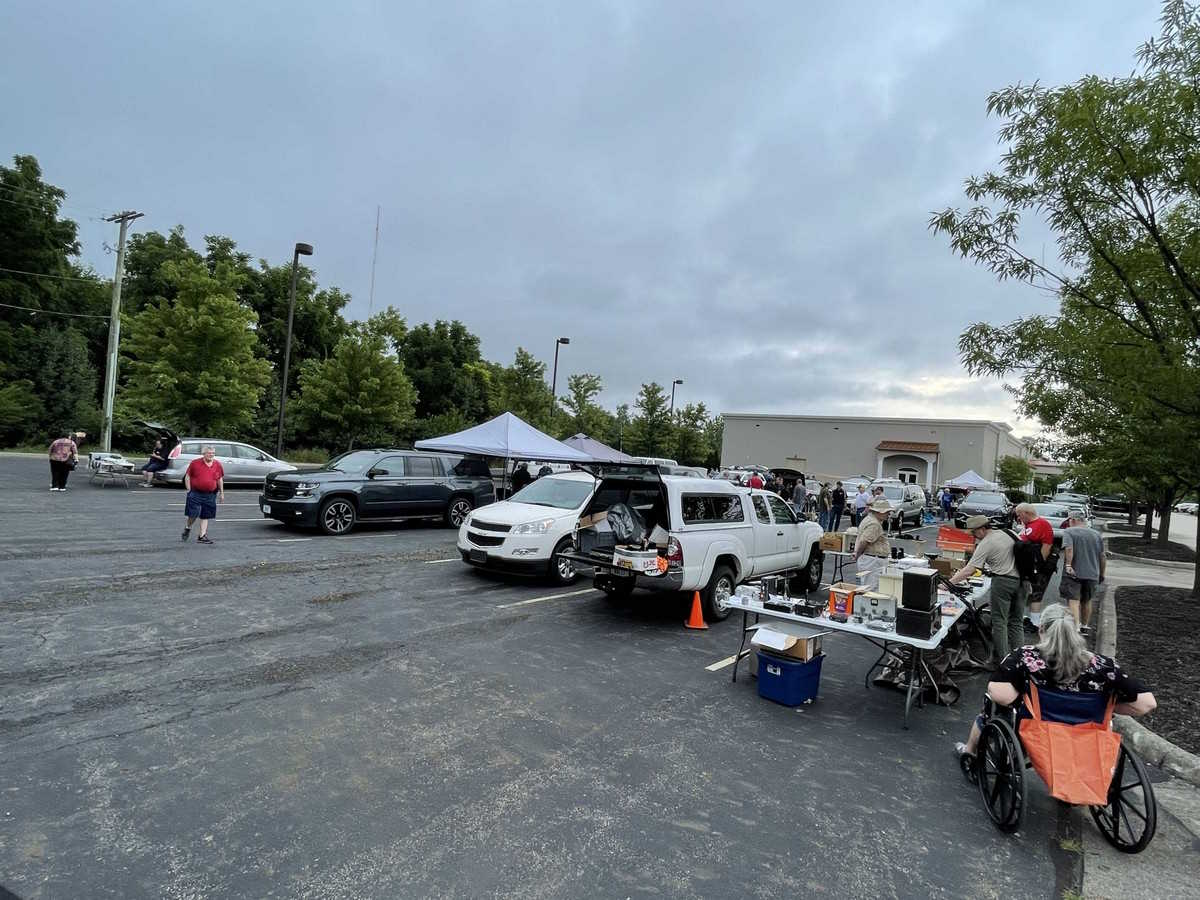
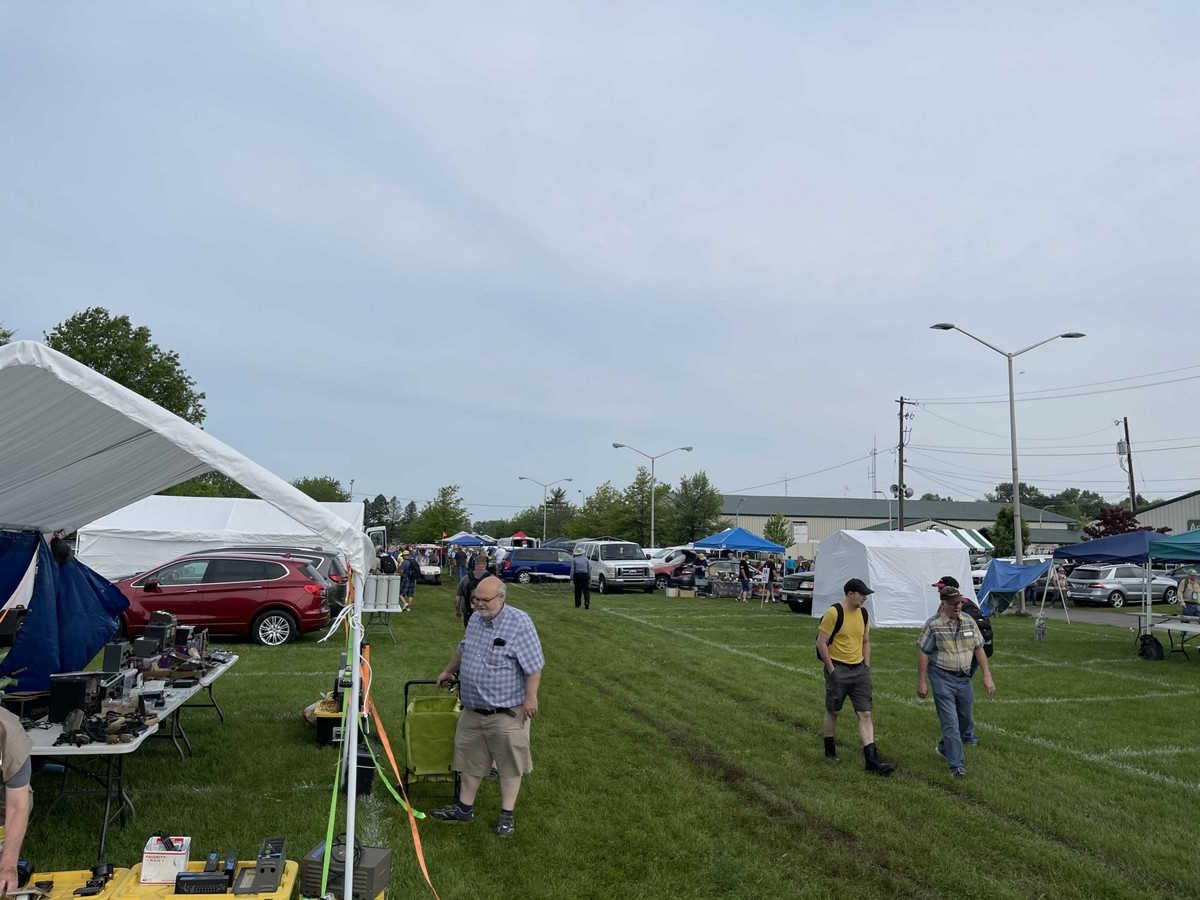
This year’s show was a bit muted - the sky threatened rain all day, and it did rain in several locations around the city. Fortunately, it held off at the Aladdin Shrine Temple, but still kept things low key. More vendors showed up as the morning went on, and the inside of the building was still fairly well packed as usual.
There was enough to keep me and a friend busy for almost 3 hours, and we found ourselves going back and forth as new people arrived. A few things I probably should have walked out with, but I have to be kind of choosy because I have too much junk already. Oh well…there’s always Findlay in a month!
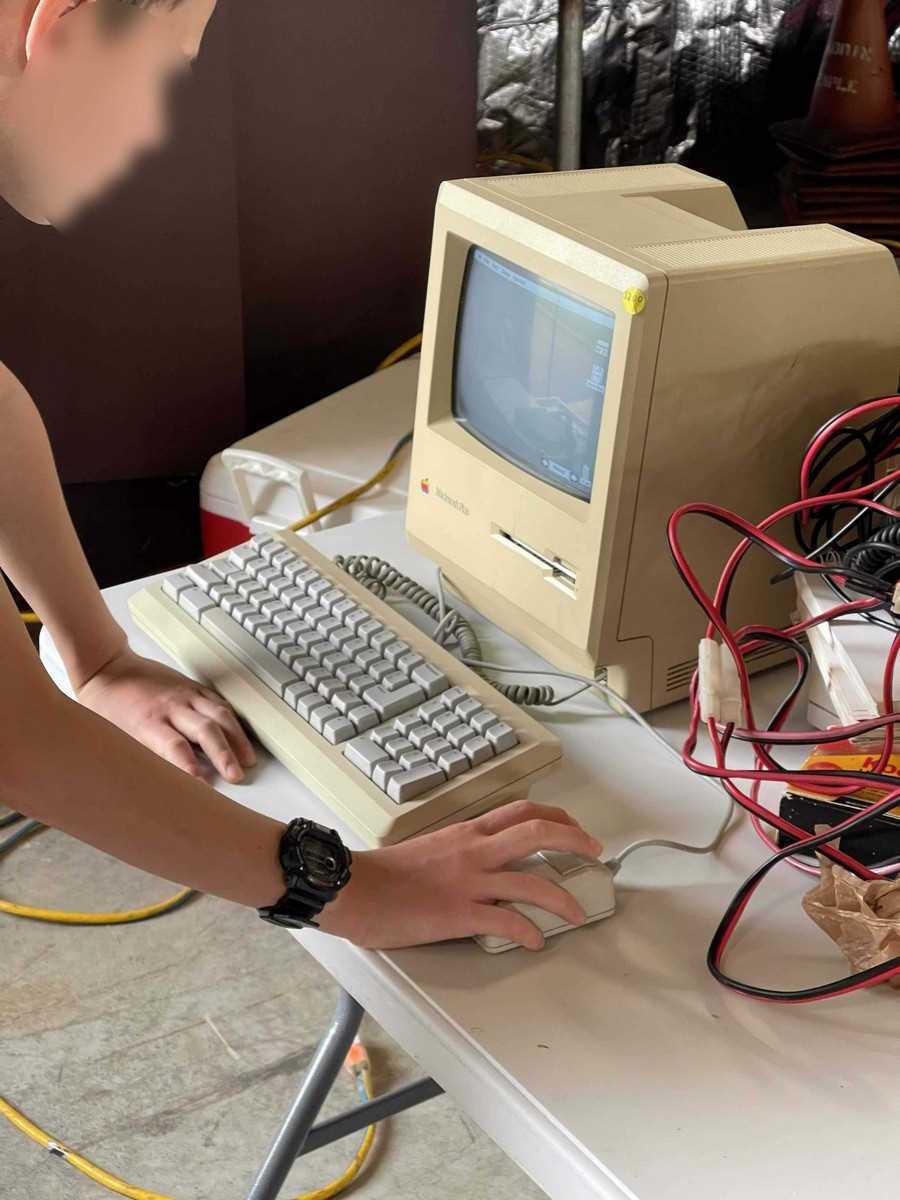
A Mac Plus with a SCSI HDD (kind of buried.)
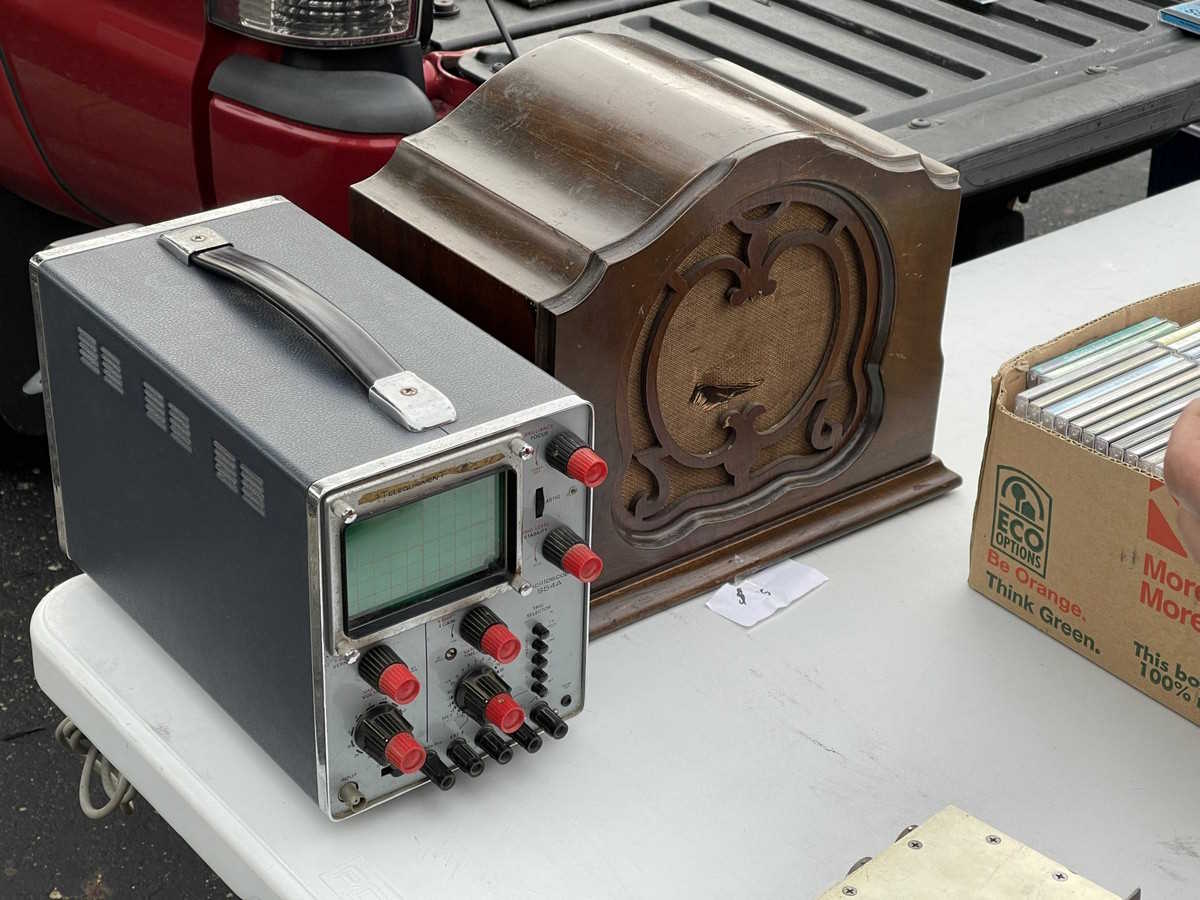
A Wonderful old speaker. Had a transformer and Selenium rectifier in it as well.
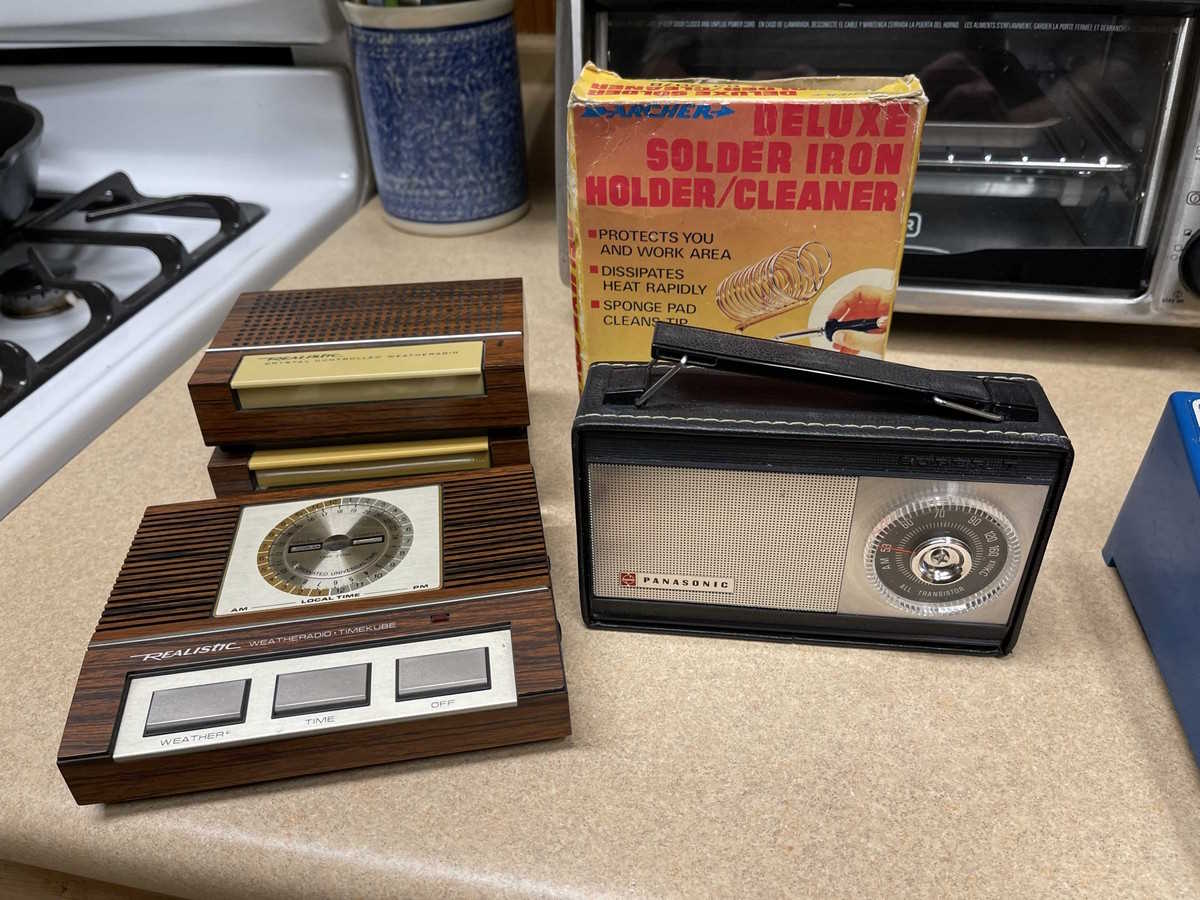
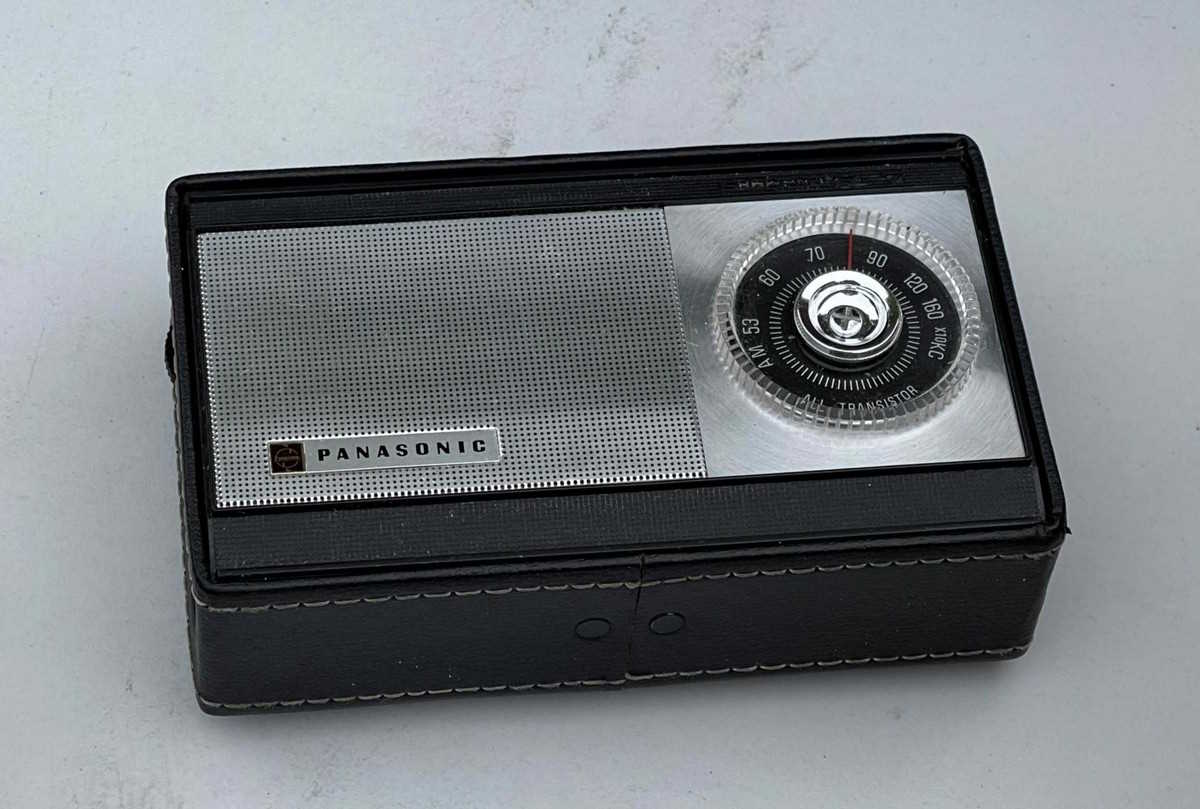
A small Panasonic radio in excellent condition. Just a minor amount of battery gunk.
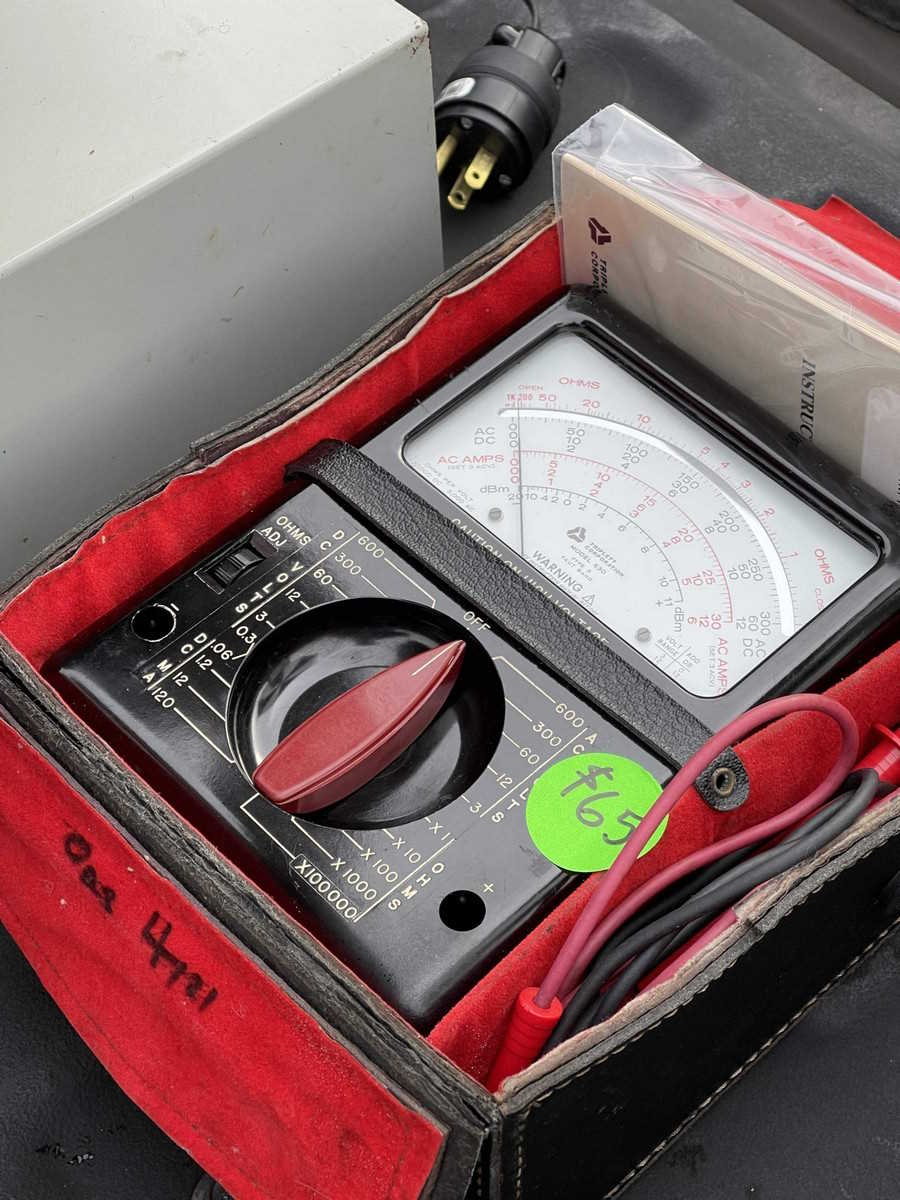
A relatively new Triplett VOM. No 22.5VDC batteries here!
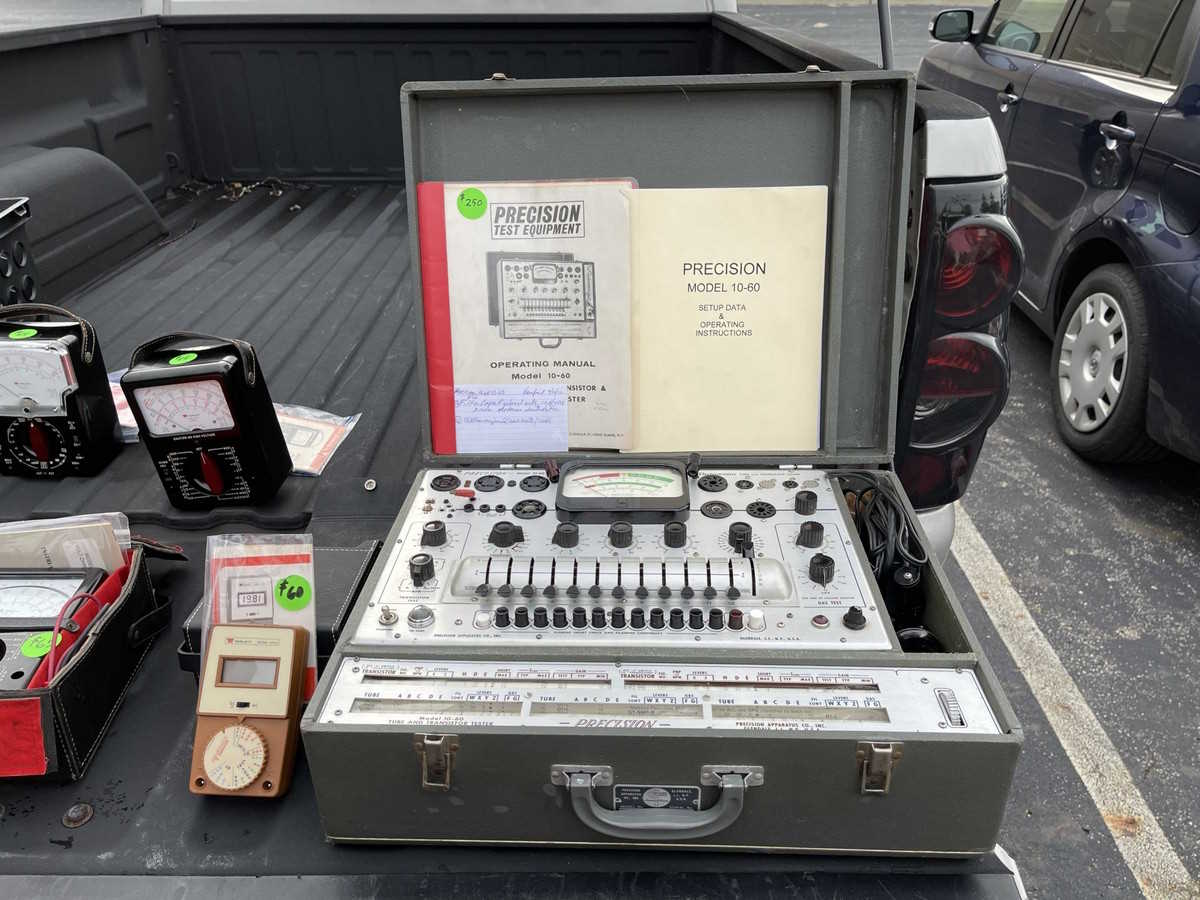
A Precision Tube Tester. Need to break down and buy one soon.
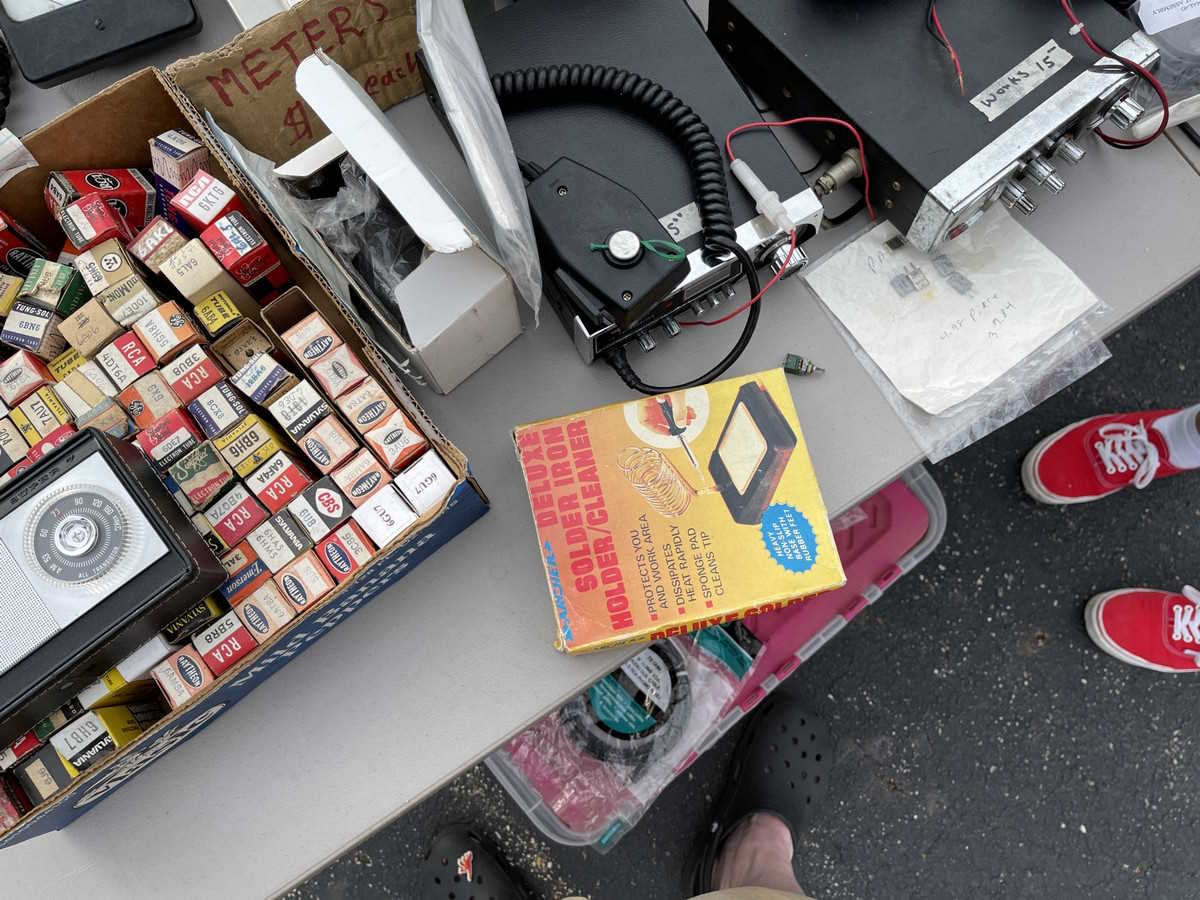
A Rat Shack Iron Stand. Still had the receipt in it!
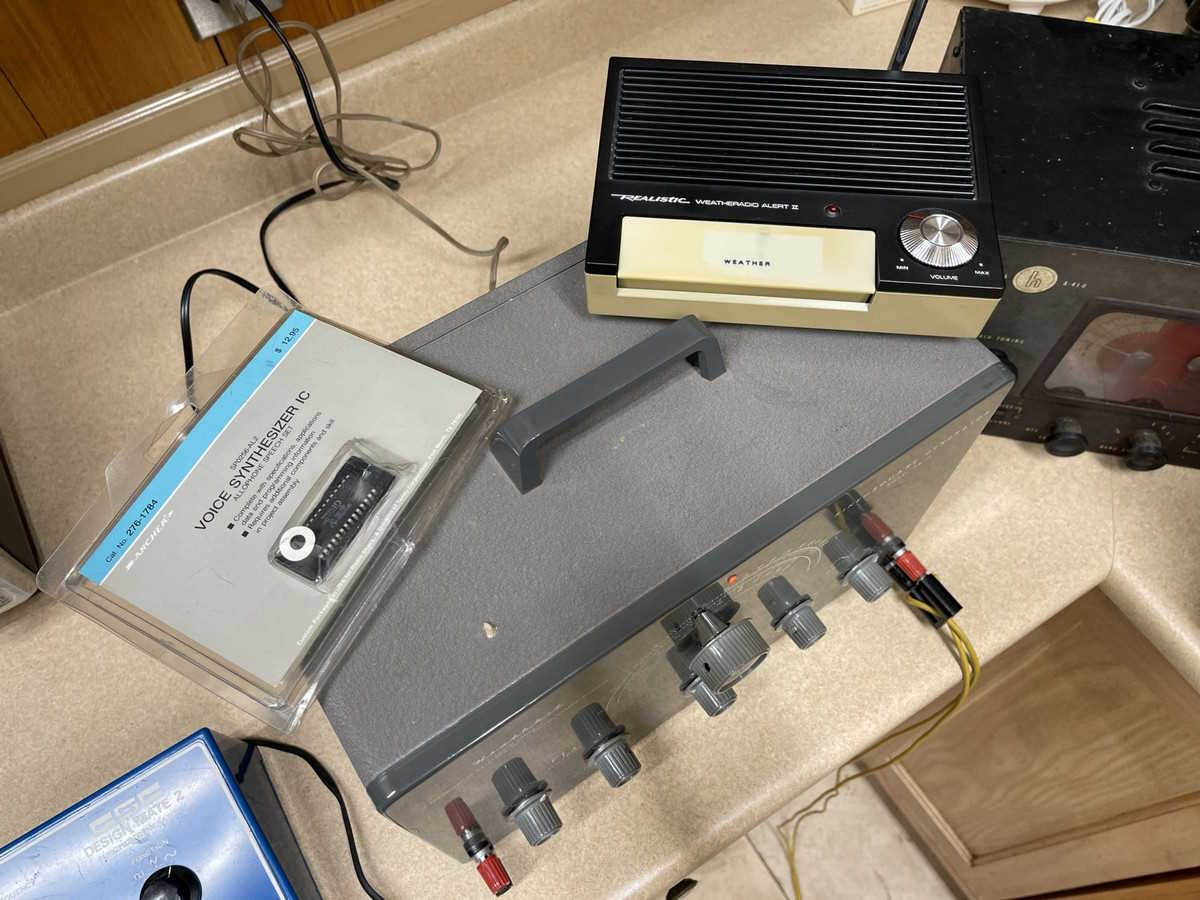
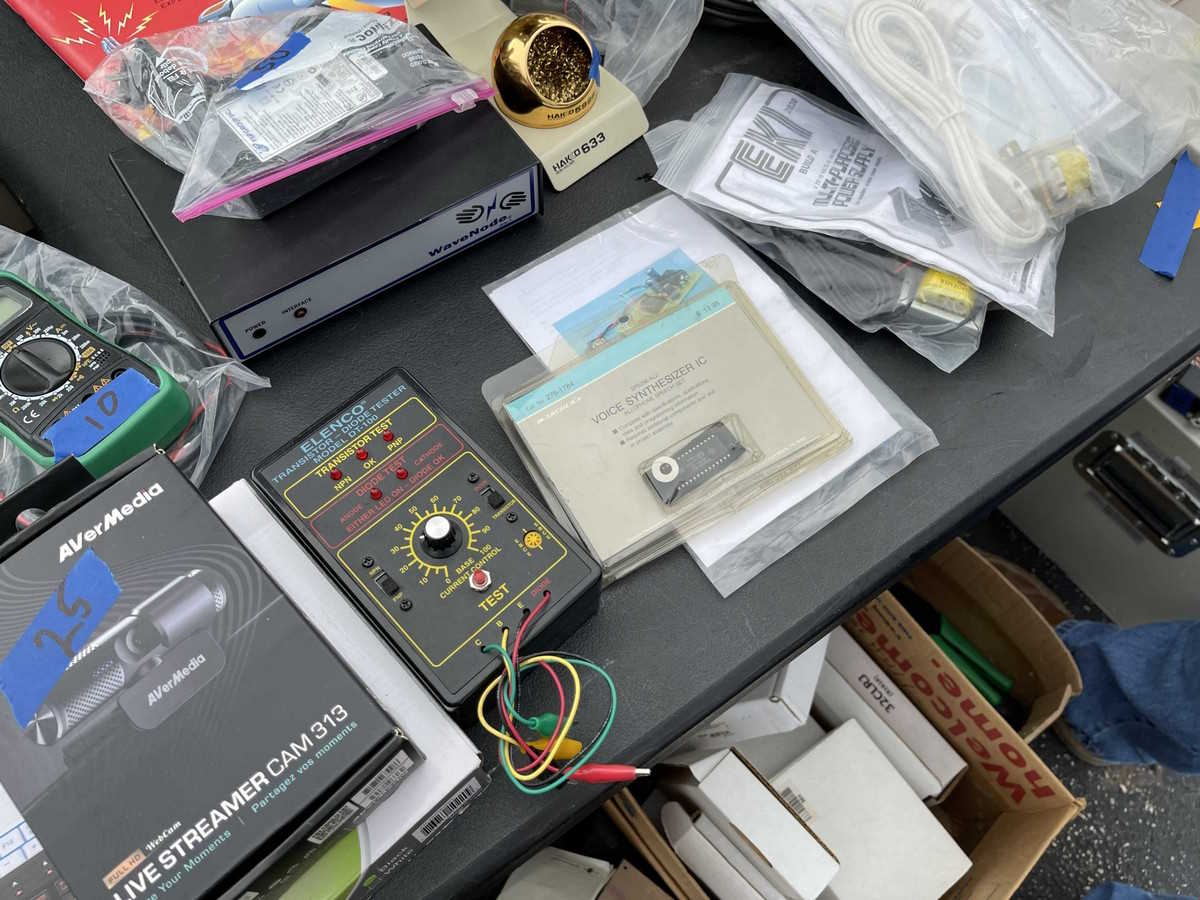
A SP0256-AL2 Allophone Processor Speech Chip in Rat Shack pack.
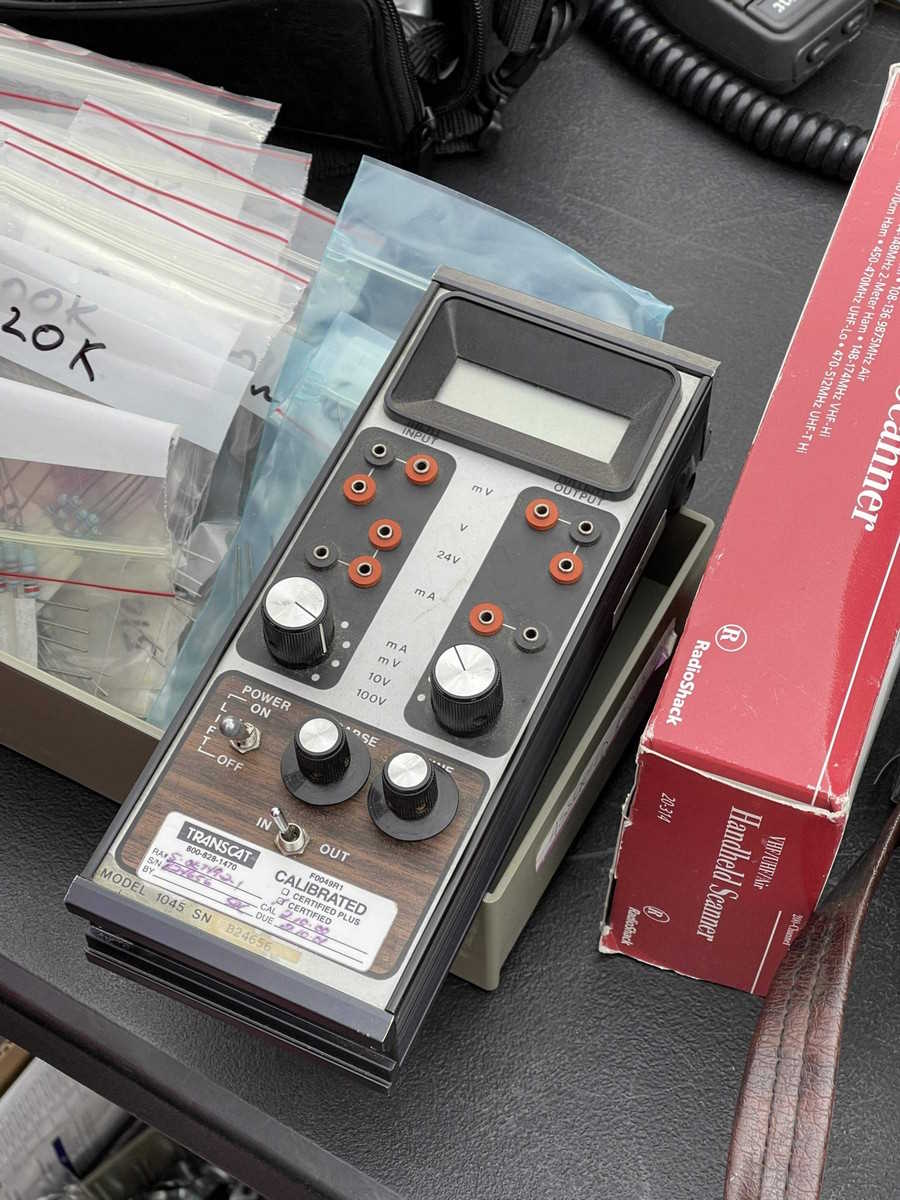
A loop and voltage calibrator. My co-shopper bought this.
The threat of rain kept things low key this year. Inside was still packed.
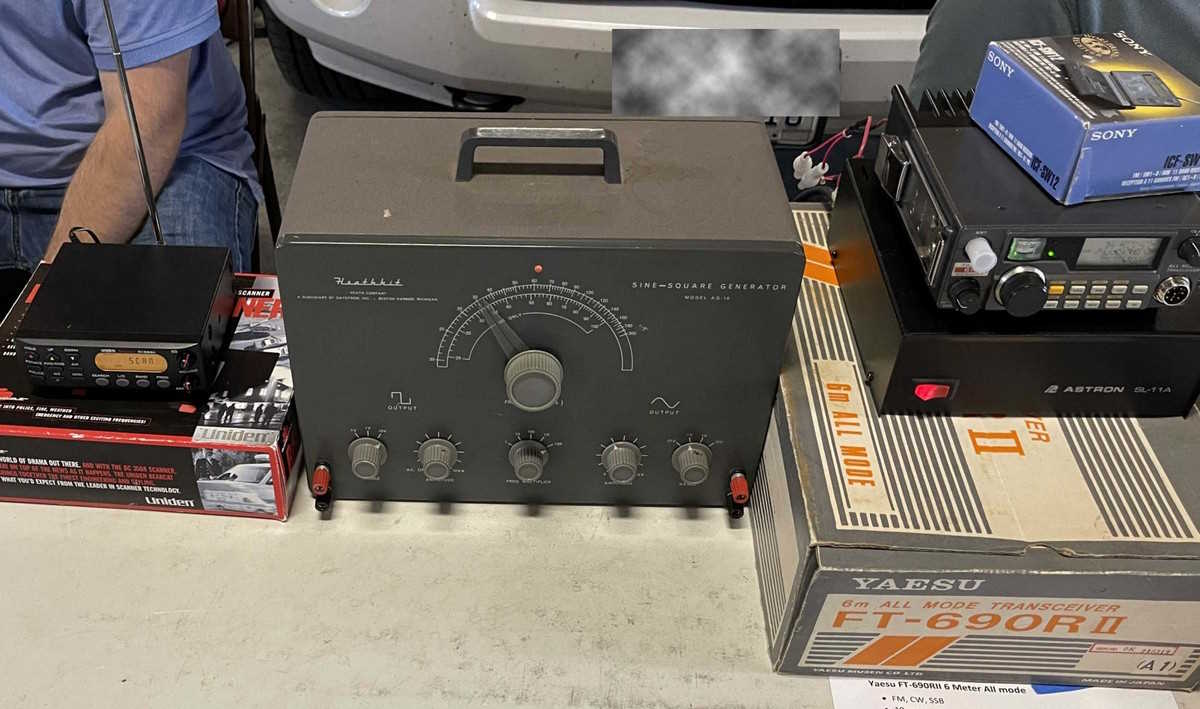
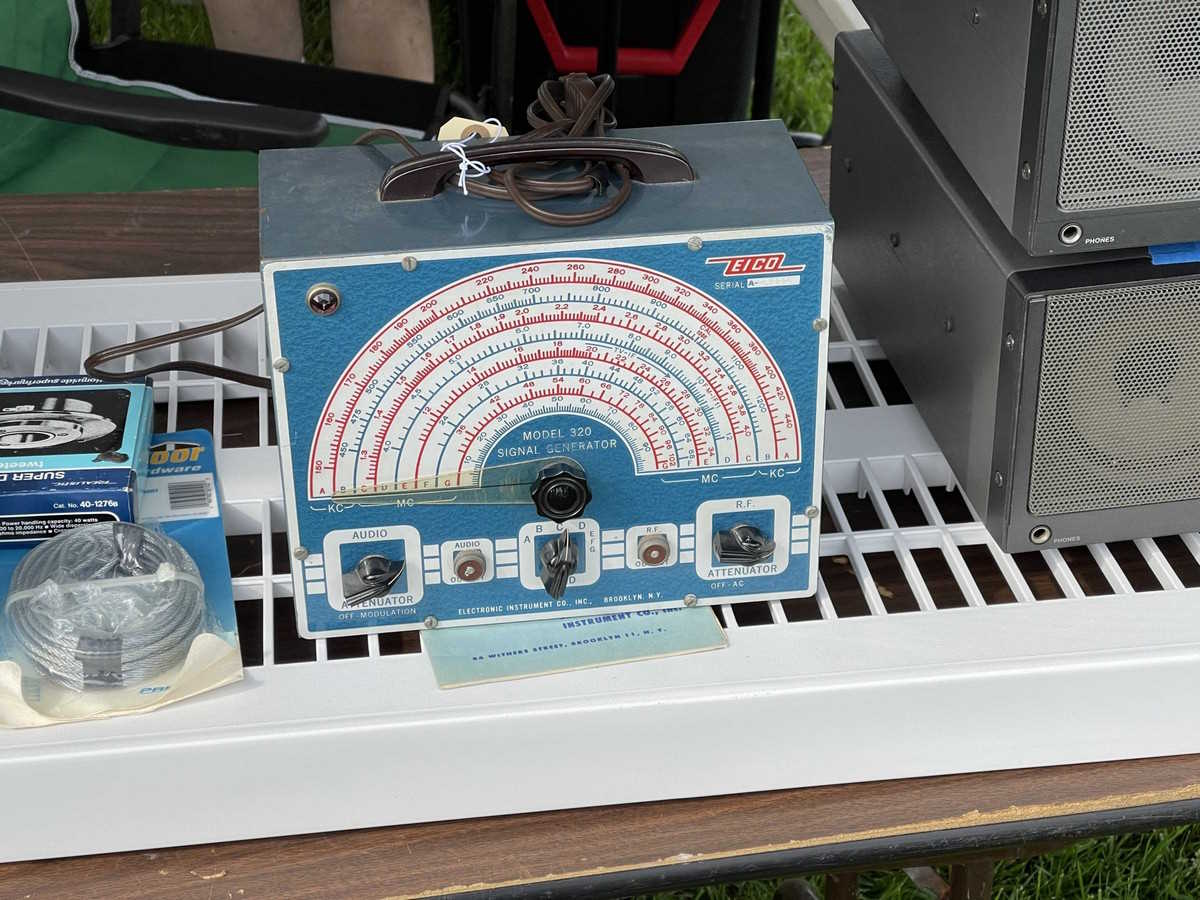
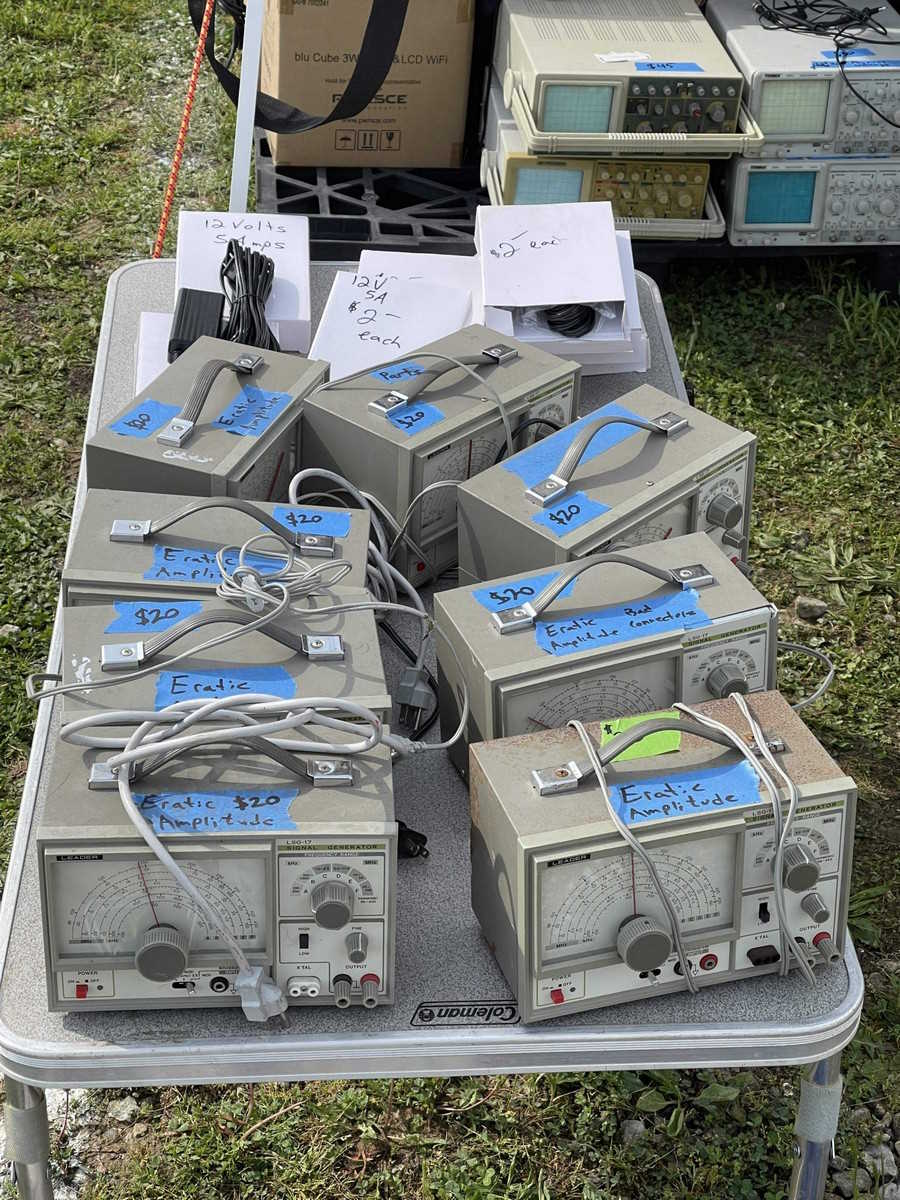
A signal generator made with fire bottles.
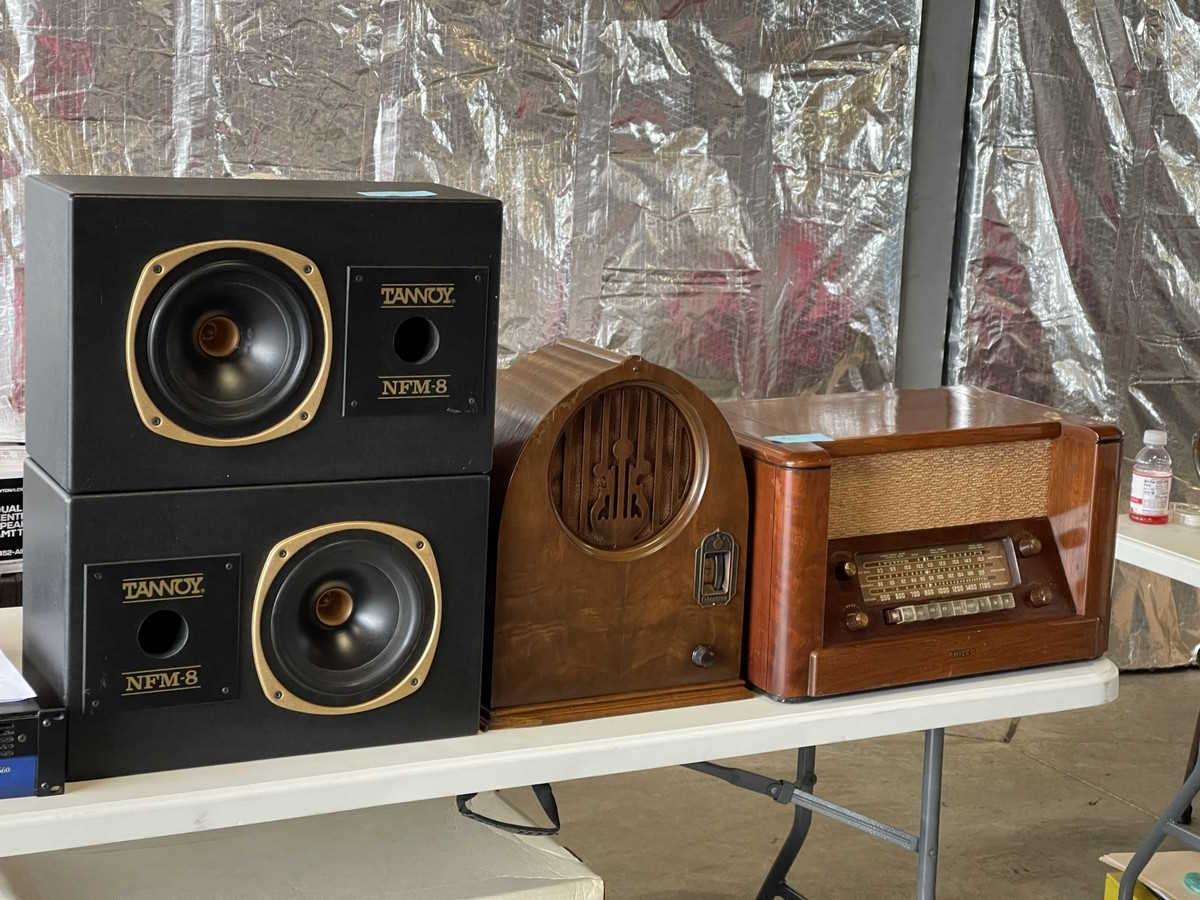
That Echophone radio in the middle wanted to go home with me, I had to say no.
A Skyrider Jr. Took this for $25. It works……………sort of……..
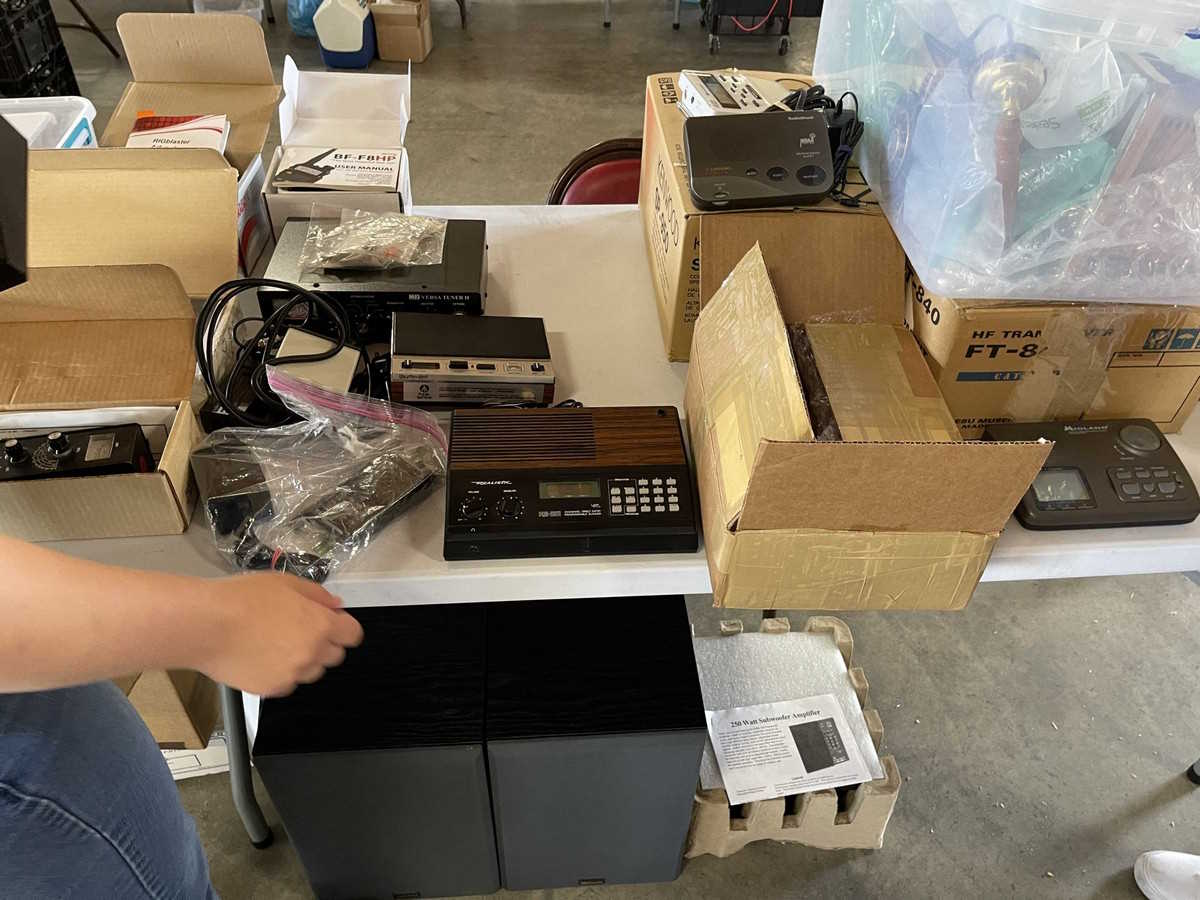
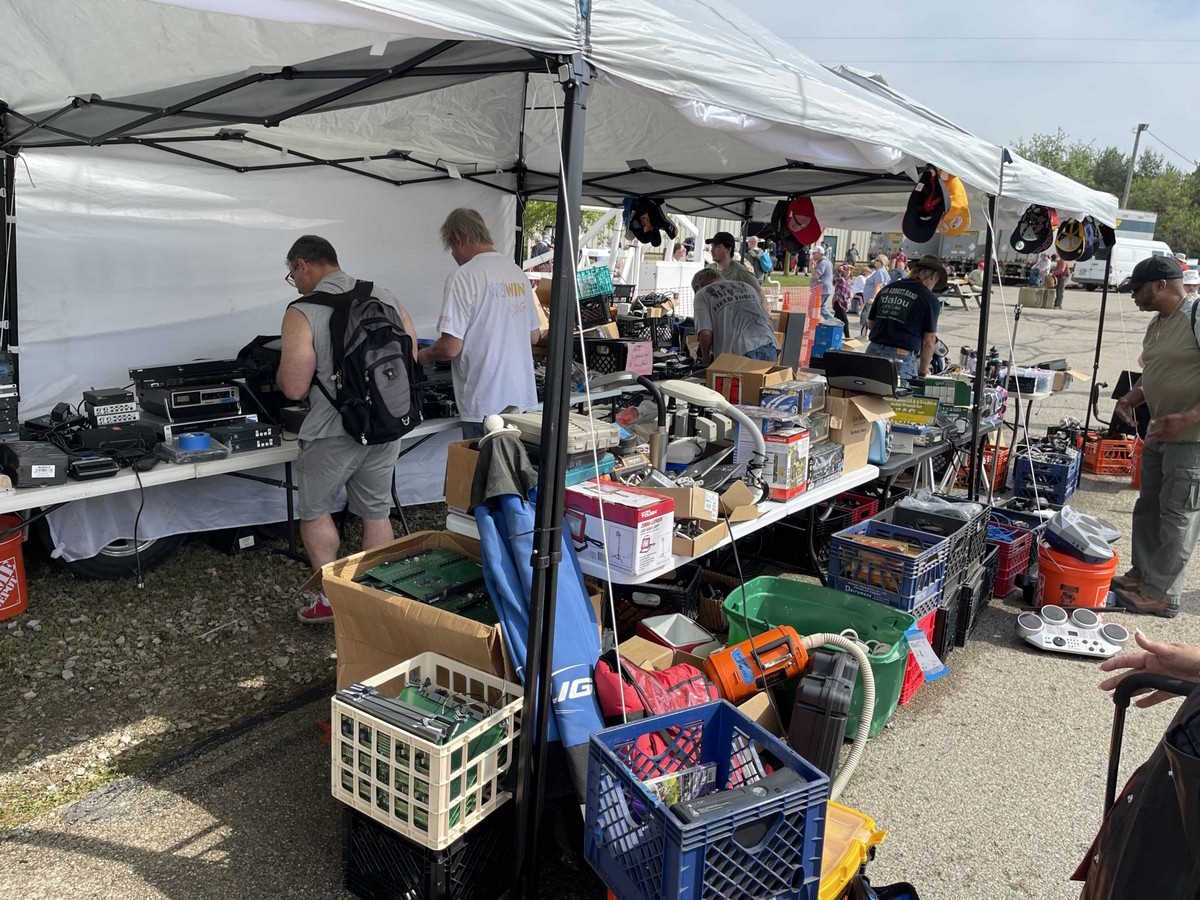
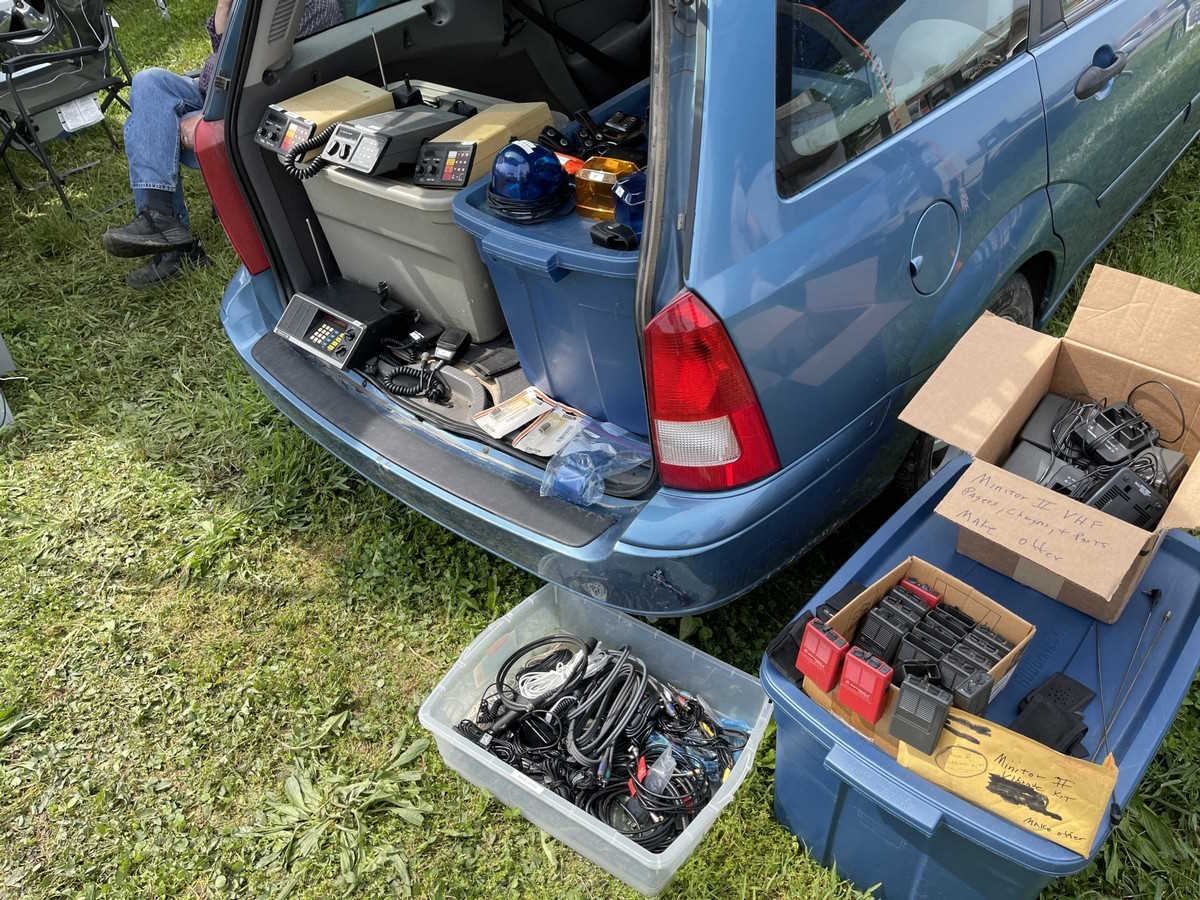
Just radio stuffs. Bought a bunch of weather radios here.
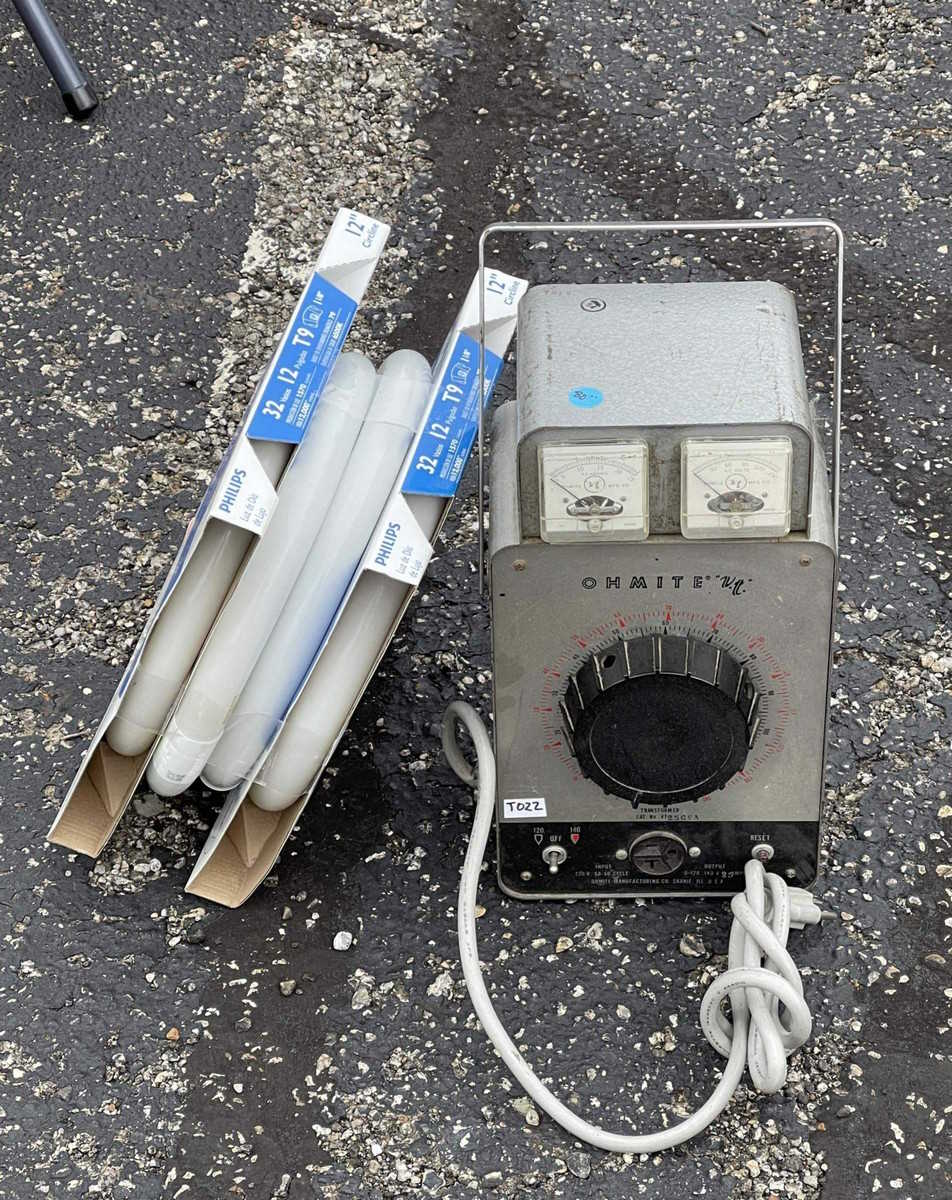
Need to vary some AC? A lot of it? Here you go!
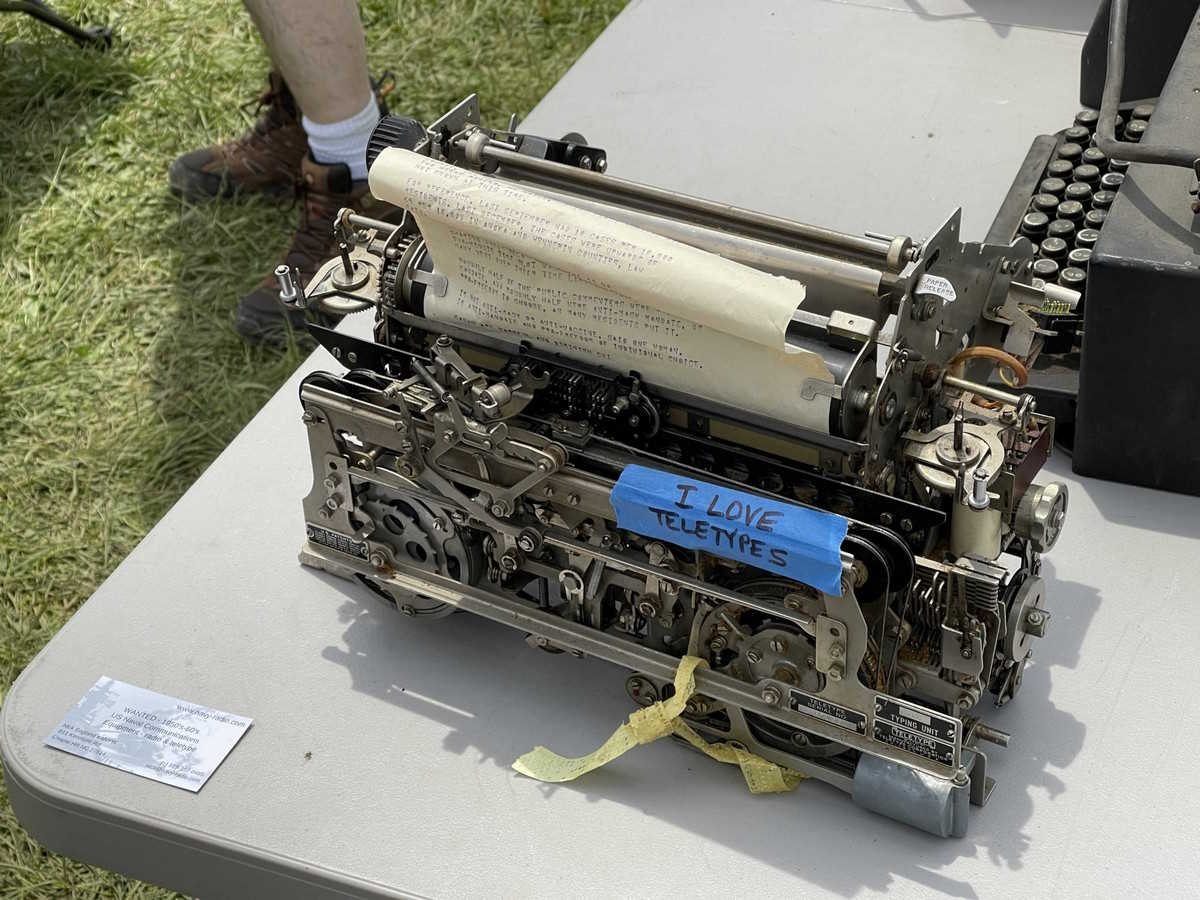
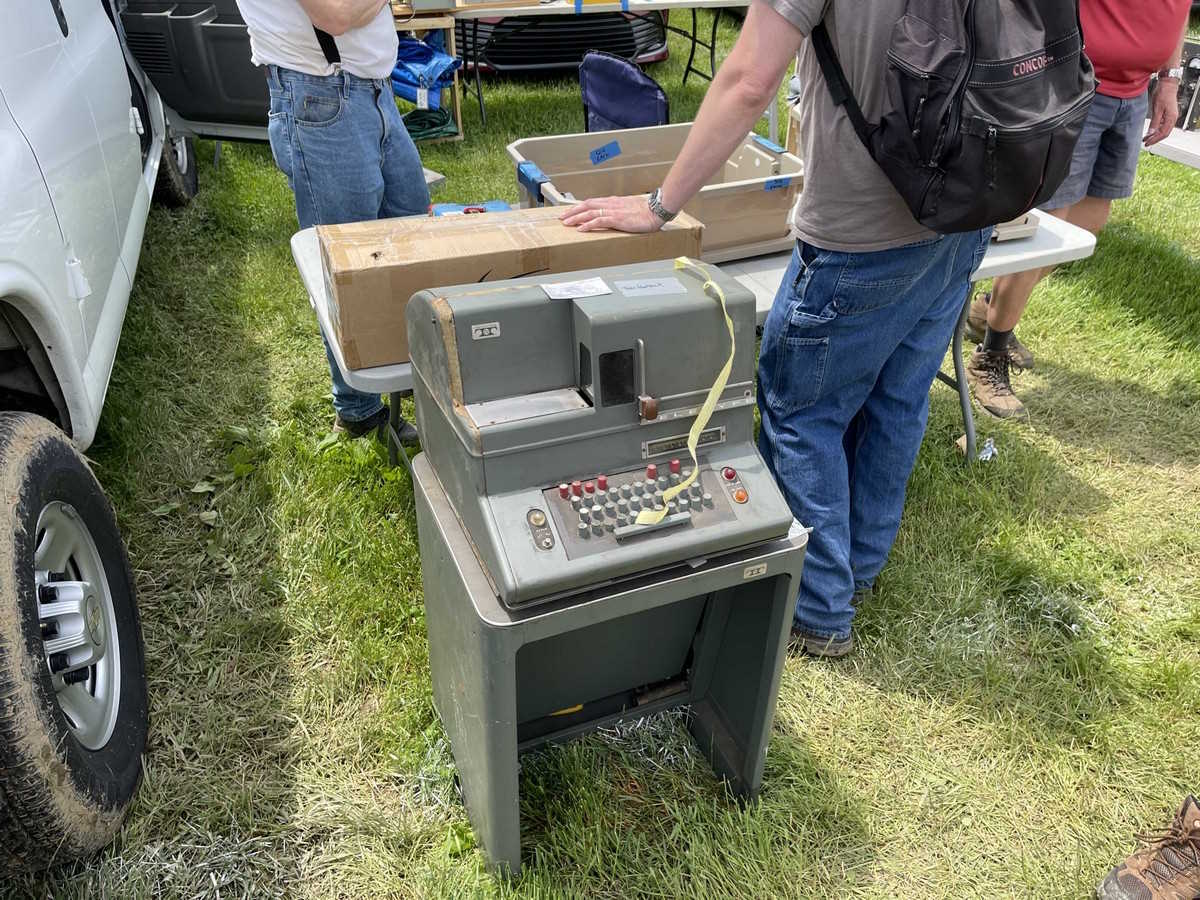
This oddball had a military contract number on back.
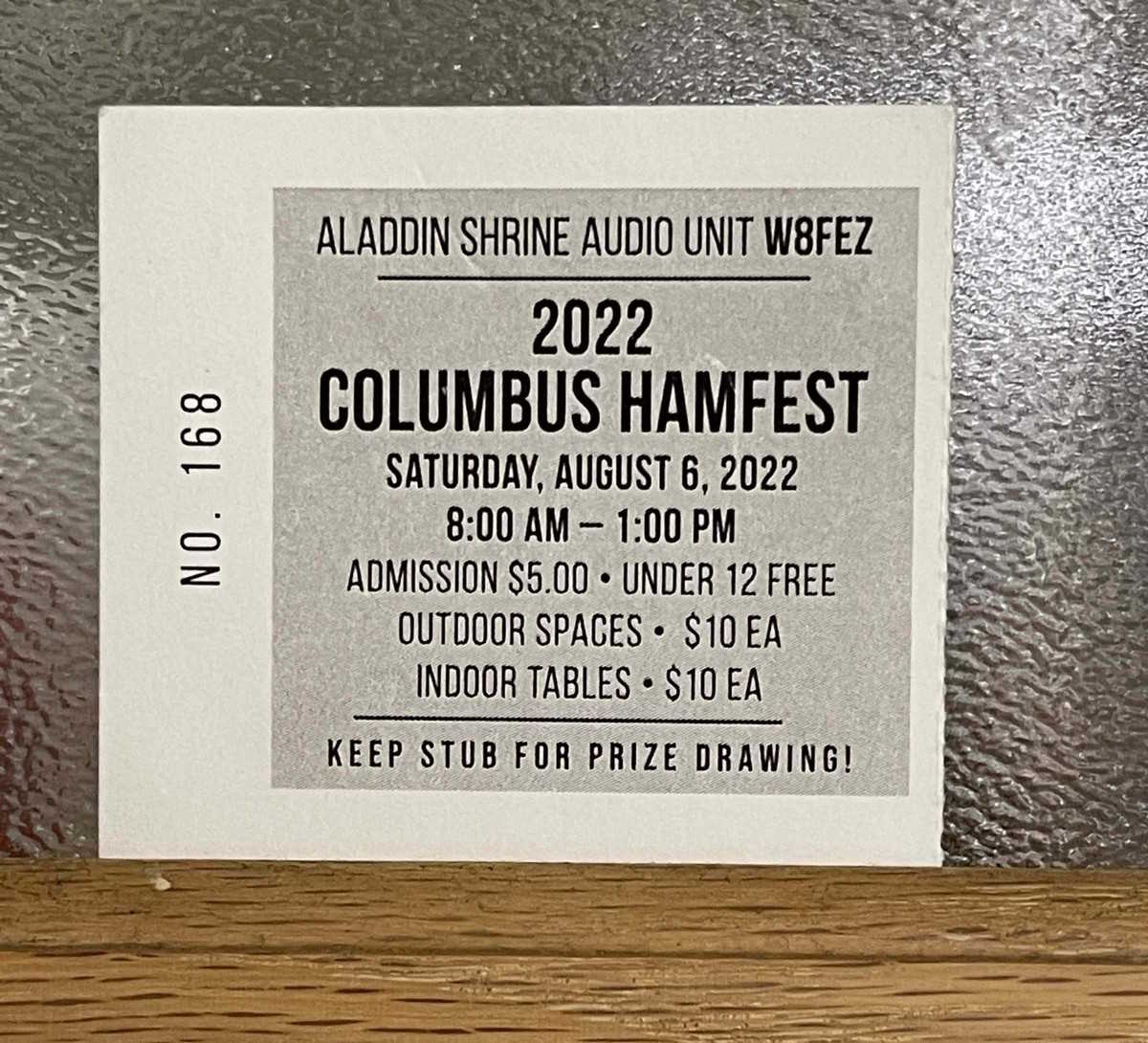
The Columbus, Ohio Hamfest is happening this year on August 6th, same location as last year. It’s usually pretty good, and I’ve always pulled an excellent deal or two out of there.
When: August 6th, 2022. 8AM to 1PM or so
Where: Aladdin Shrine Temple - 1801 Gateway Circle, Grove City OH 43213
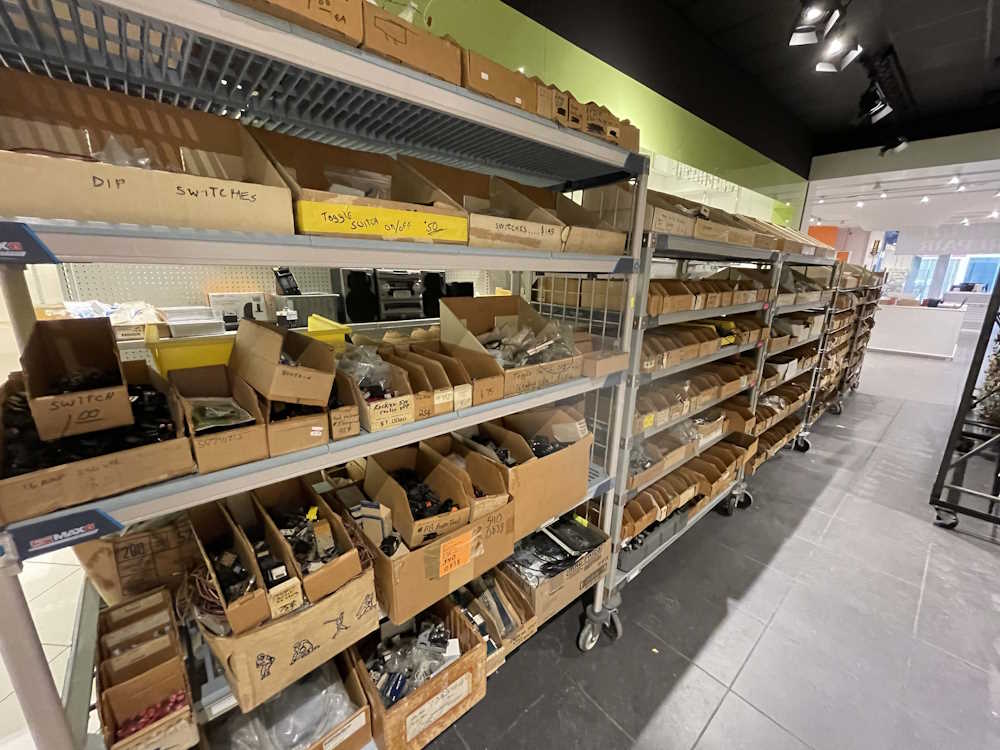
There used to be a place in Dayton, Ohio called Mendelsons. This was a giant surplus house in one of the old Delco buildings on 1st street, near where the current Dayton Dragons field is. In 2021, the store did it’s final sale and closed.
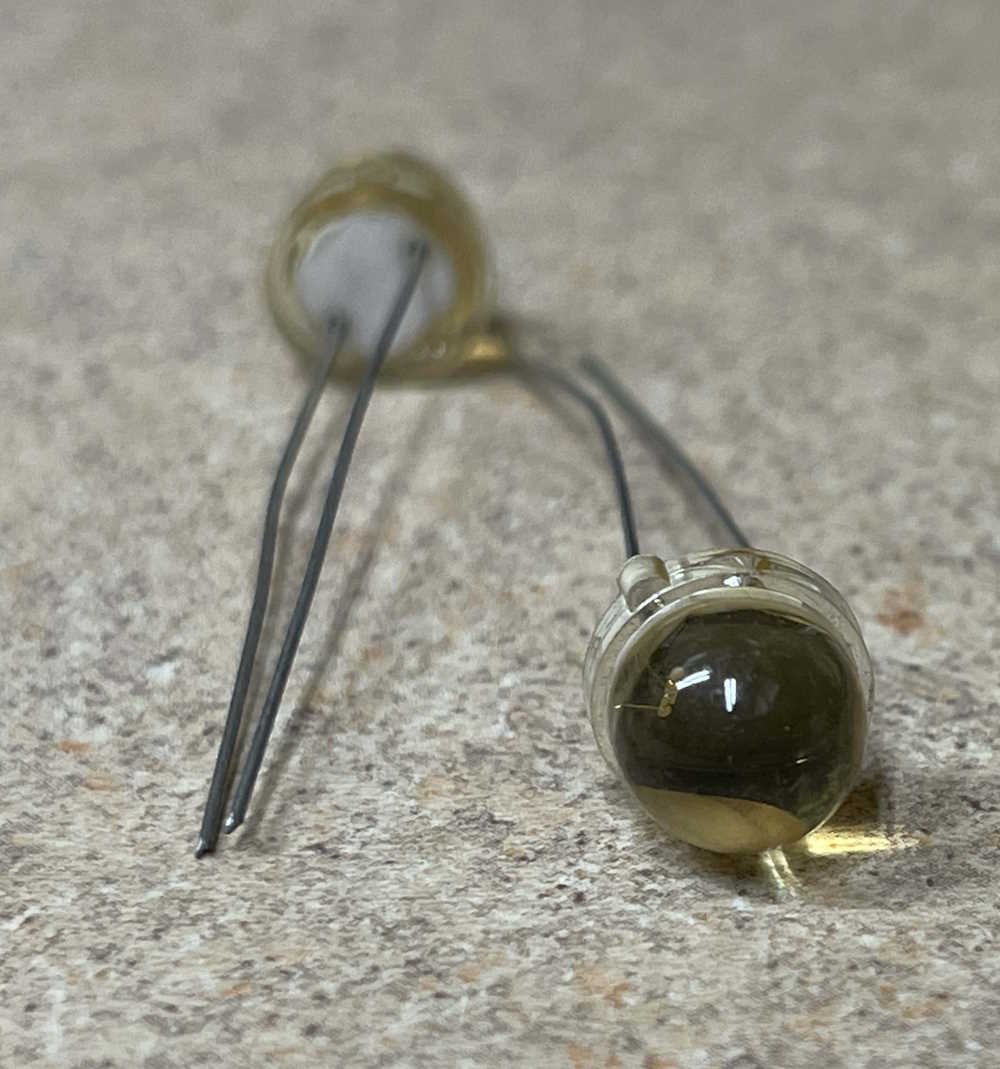
There were several bulk bidders, including a place in Mansfield, Ohio called ESL Surplus. One of the things in the lot they bought was these unique little sensors. I had purchased a number of these years ago from Mendelsons, and I always wanted to get some more - unfortunately, with the world being afraid to open their door for two years, that didn’t happen. When the store went out of business, I figured that was it.
Fortunately, I had the chance to get more this past weekend.
These are tiny solar cells embedded in a plastic bubble, with an output of about 0.5V each - just enough to amplify and detect. I have no idea who made them, or when they were made - the discolored lens suggests they’ve been around for a while, quite possibly the 1970s. There’s no marks or other ID on the plastic housing - perhaps these were made to order and never used?
I’m not really sure what I’m going to do with these devices, but they go in my parts stash as, at minimum, an unusual piece of technology from years past.
After being closed for two years, the amount of goodies that showed up this year didn’t disappoint. There was so much stuff it was hard to see it all in one day, and I missed some photos I should have grabbed. I probably should have went Saturday as well, but one day of this stuff is plenty - and there’s more shows to come.
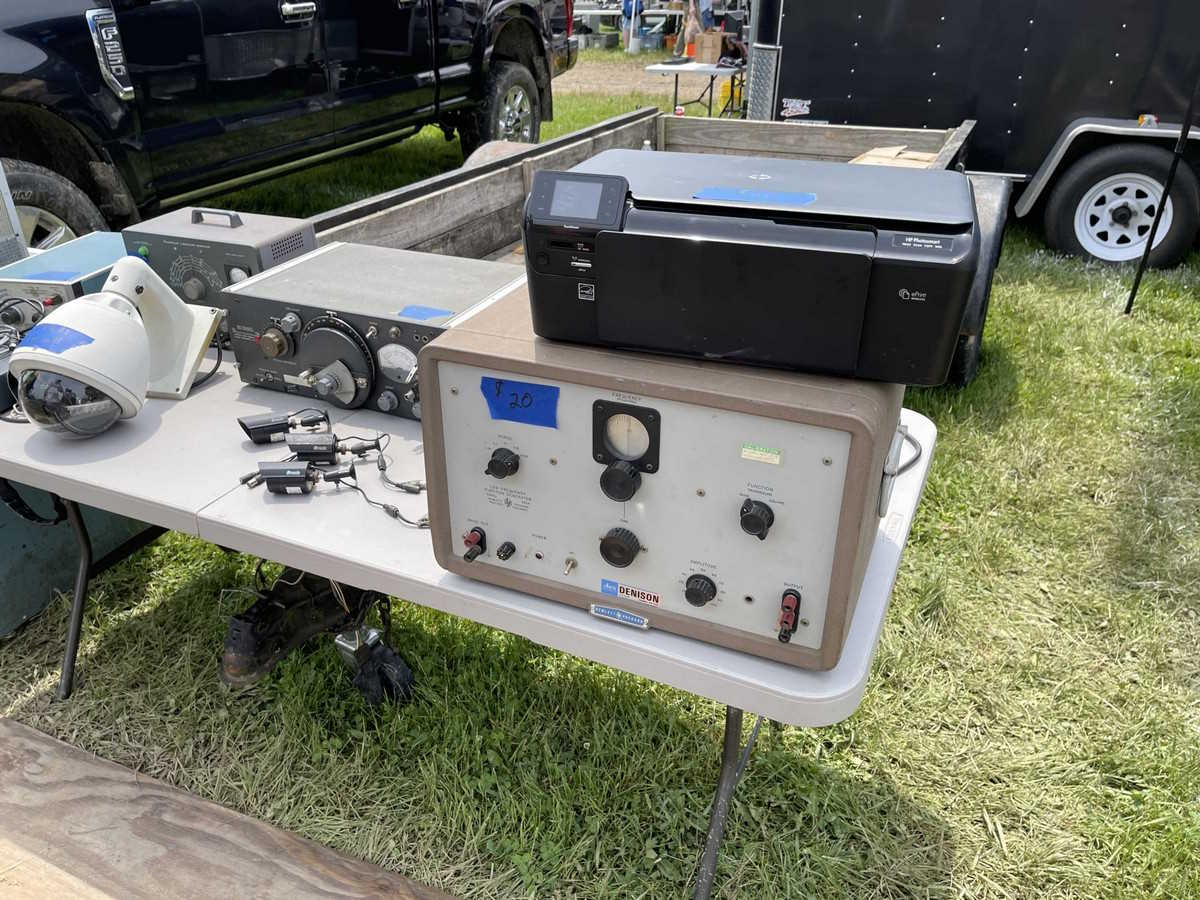
It was hard to resist dragging junk home, but I only wound up with one large piece of equipment. It appears to be fully functional, so I’m happy with the $20 I spent on it. The rest of my purchases were books and tubes and some odds n ends, nothing really major.
As always, this was an experience from the sheer amount of stuff that shows up. Hopefully, next year will be just as good - see you there!
We thought it would rain the whole day.
But it cleared off.
Bought a Mikrotik hAP AC from here.
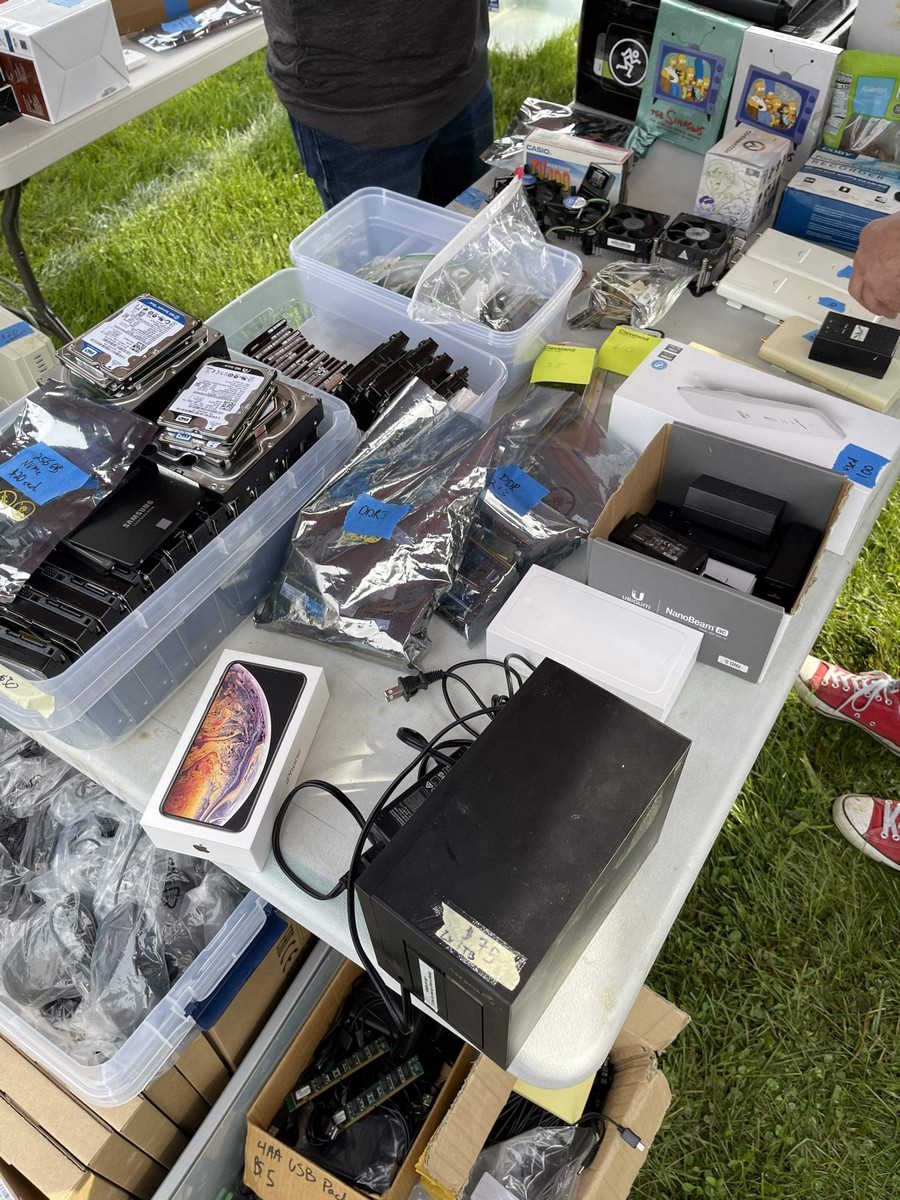
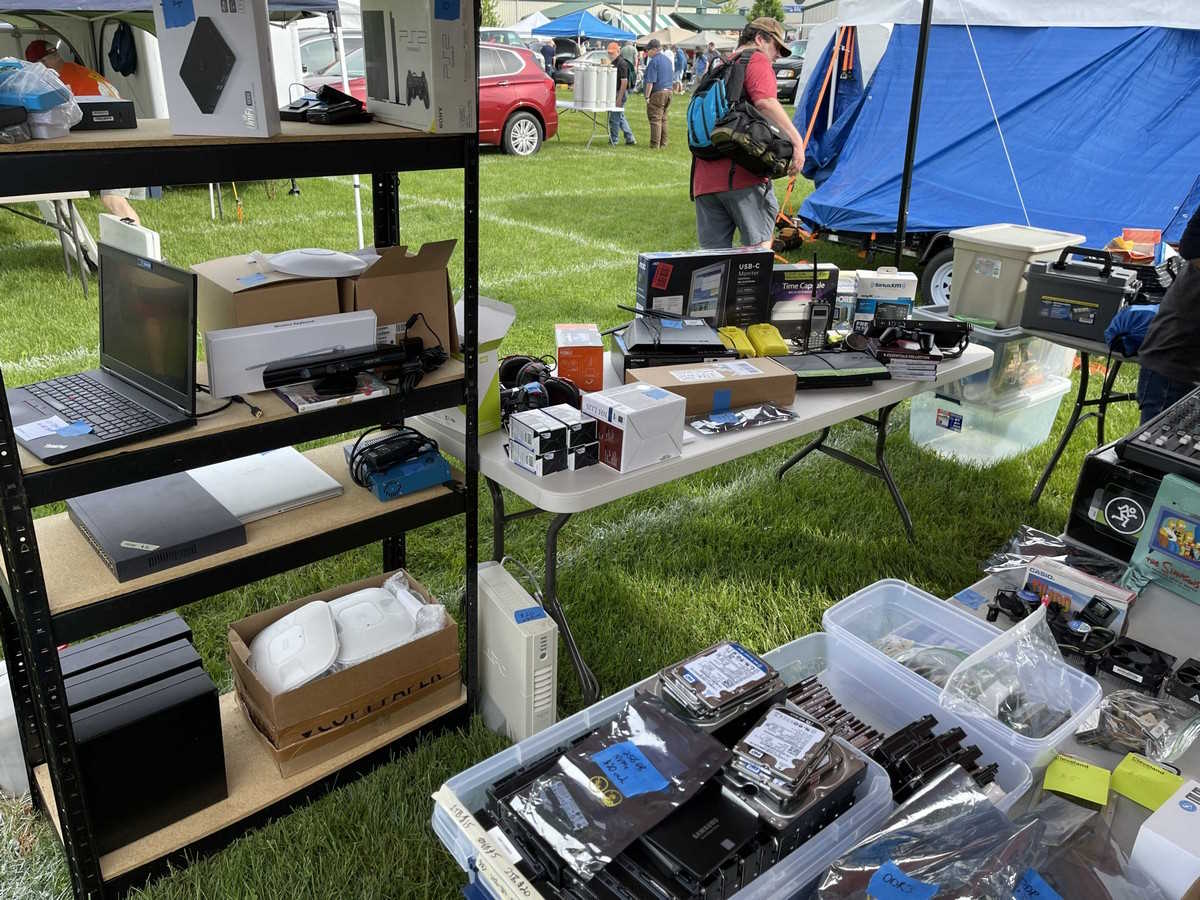
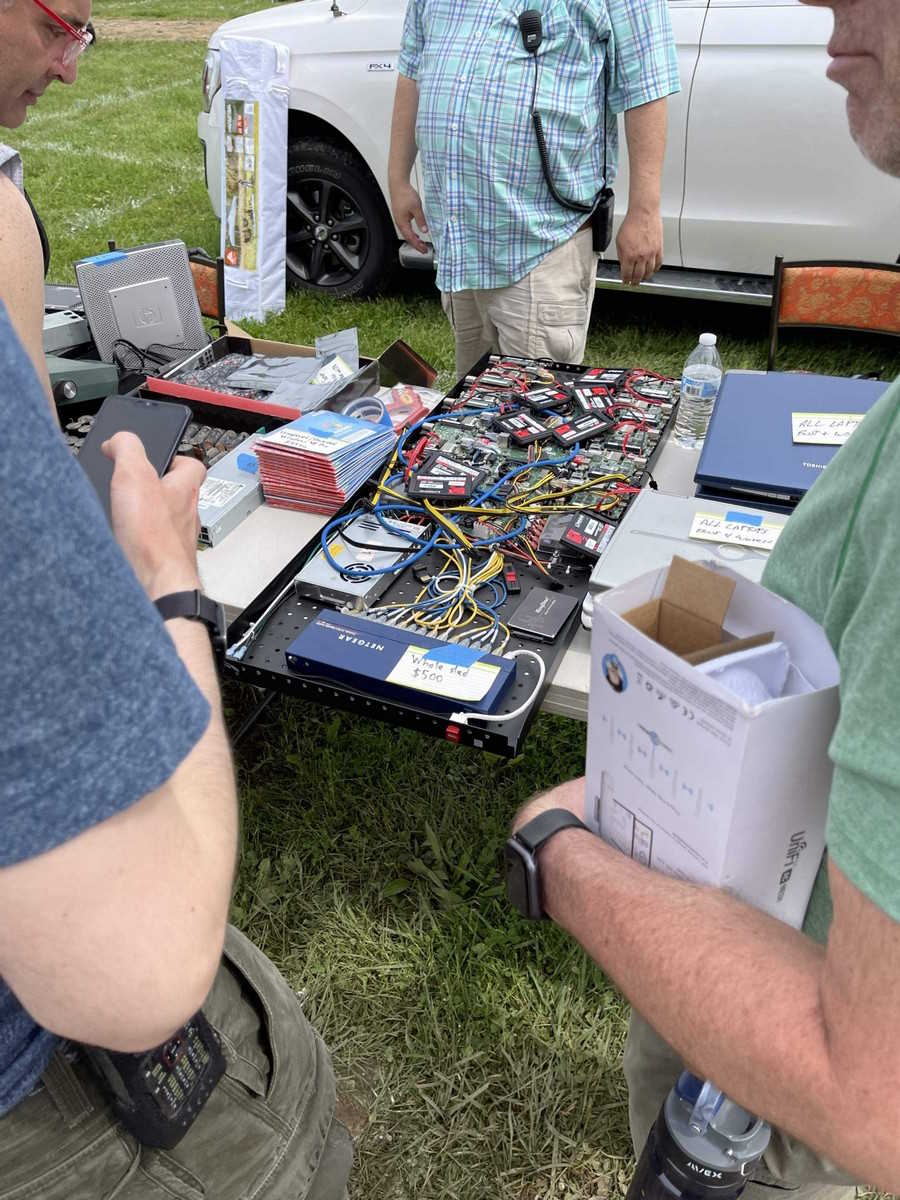
Computer gear is a staple.
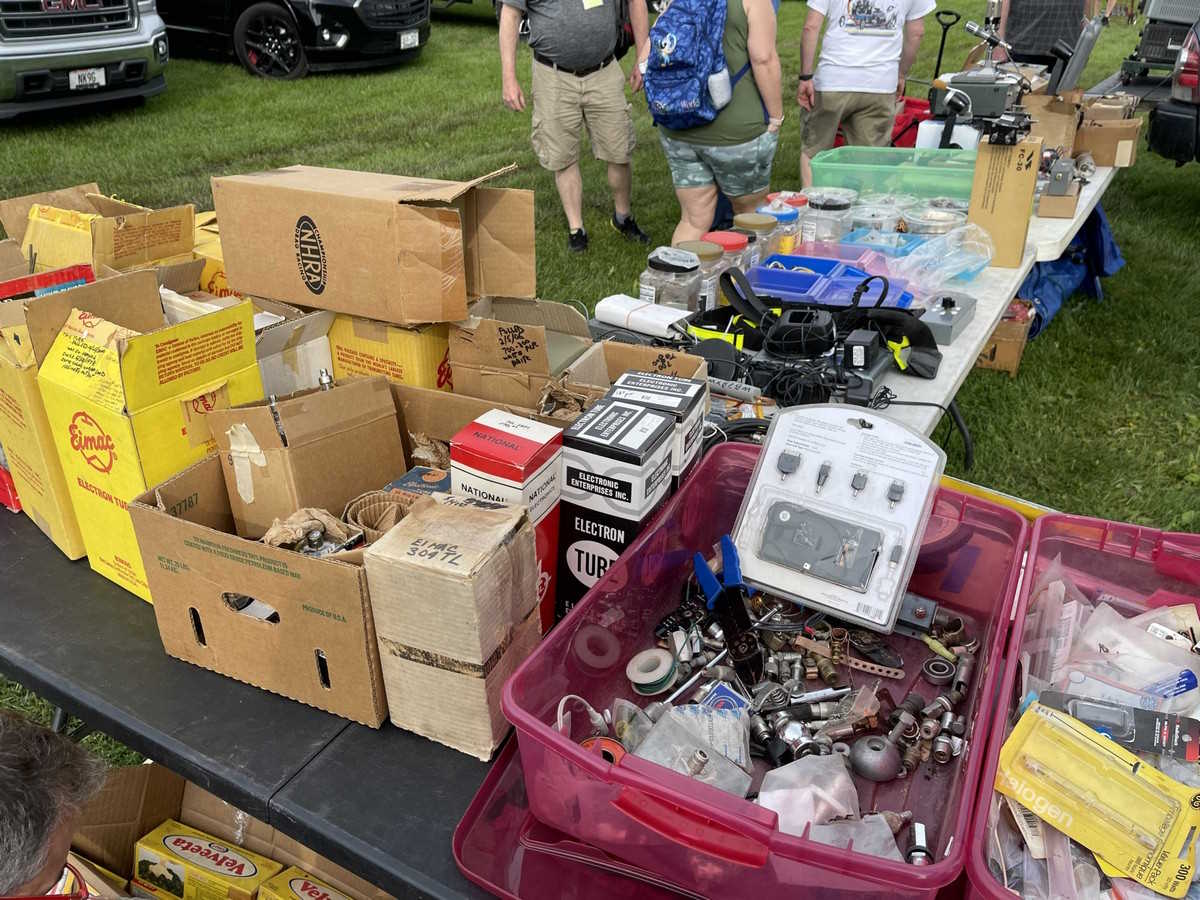
Assorted items.
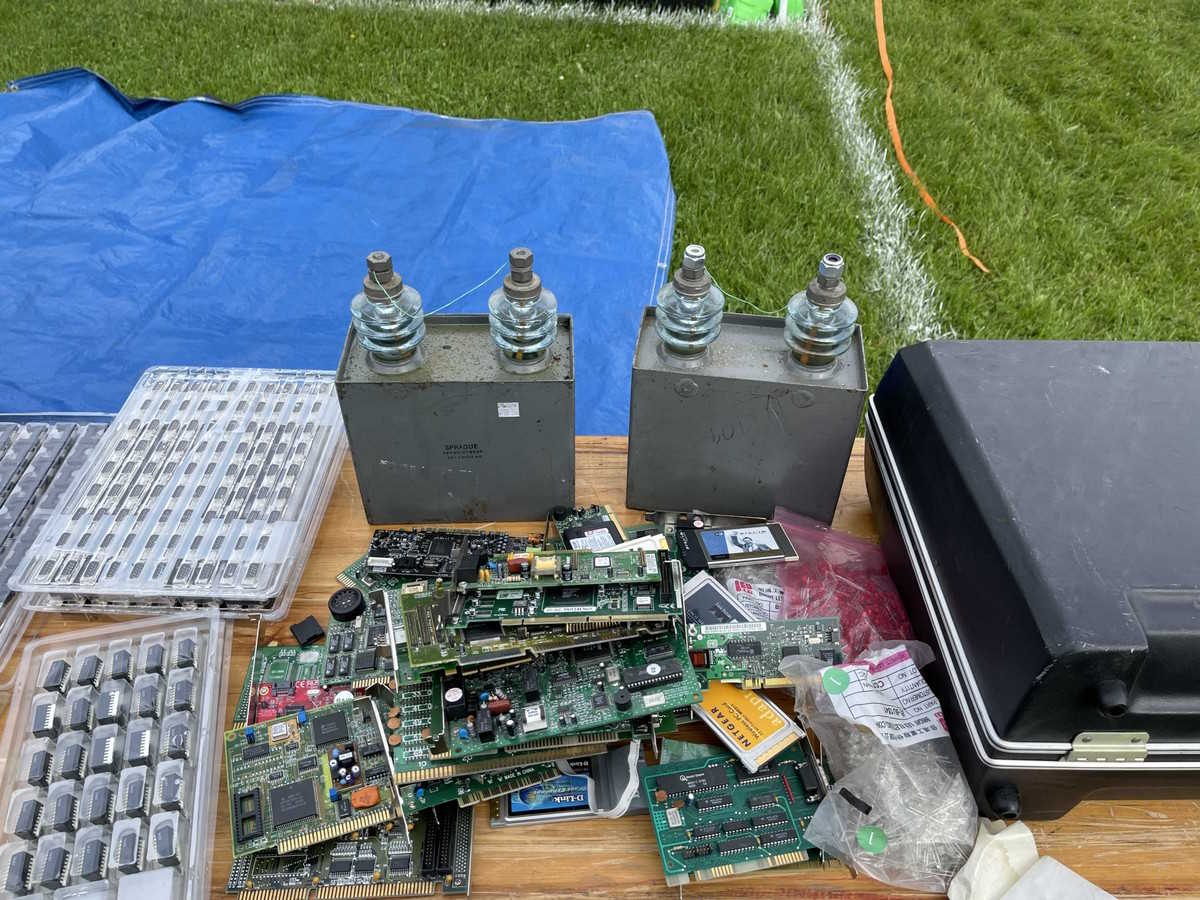
Lots of ISA cards.
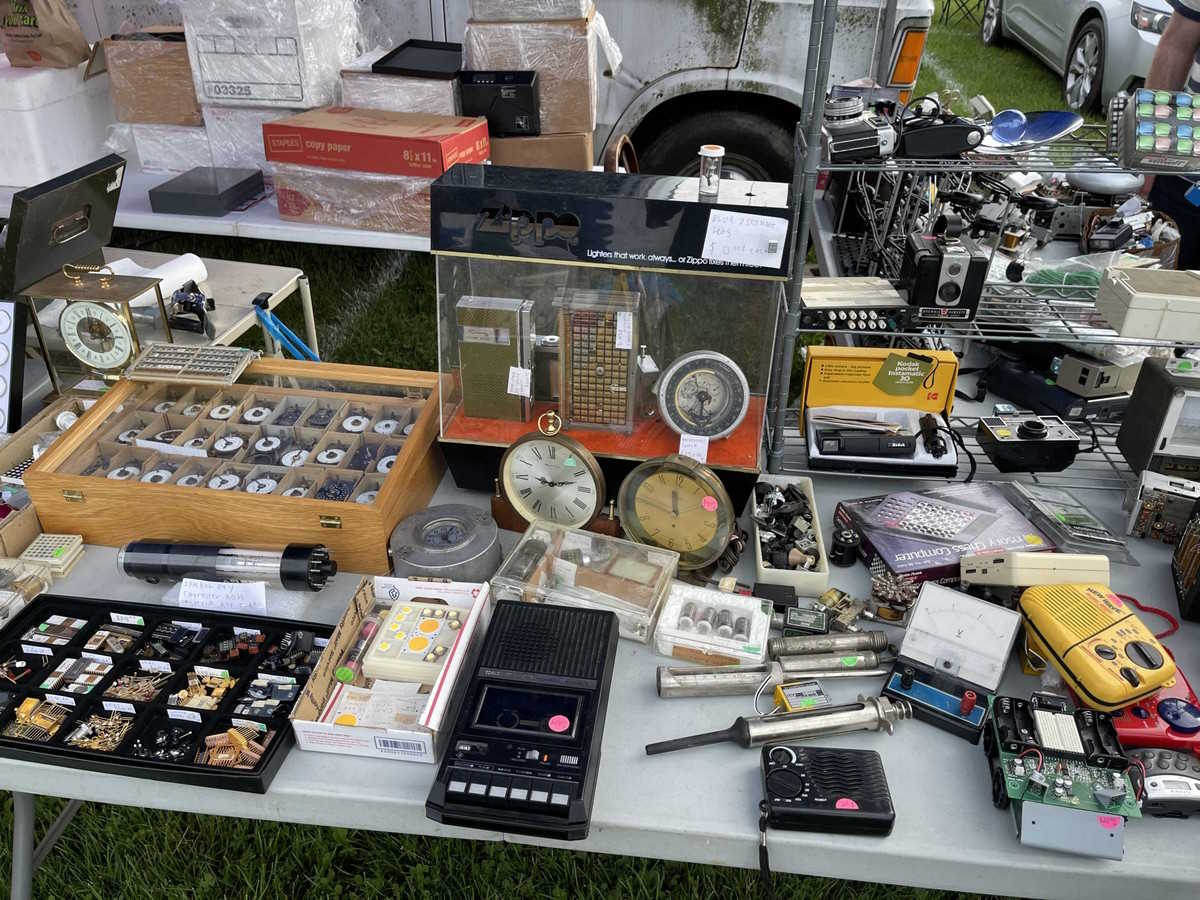
A lot of unique old electronics devices.
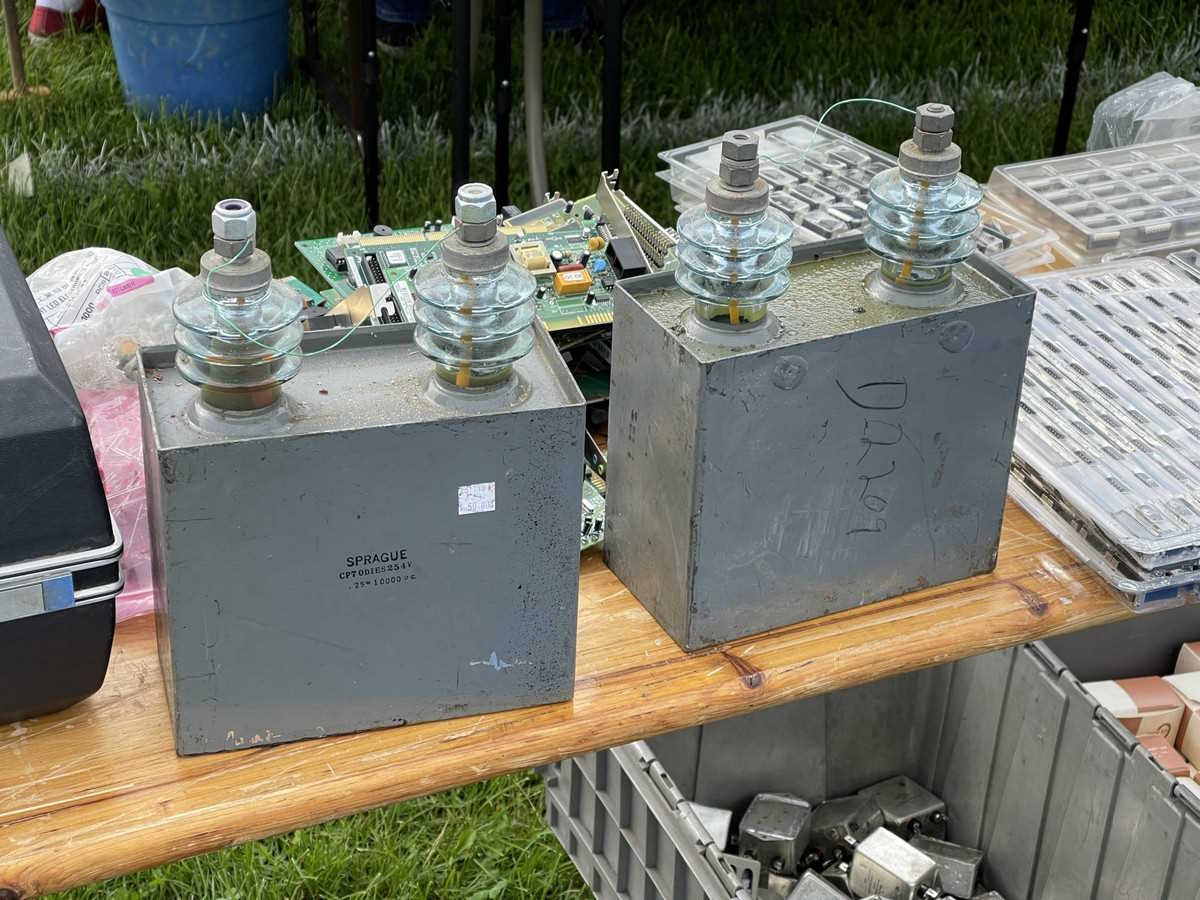
10kV Oil Capacitors. Forbidden touch terminals!
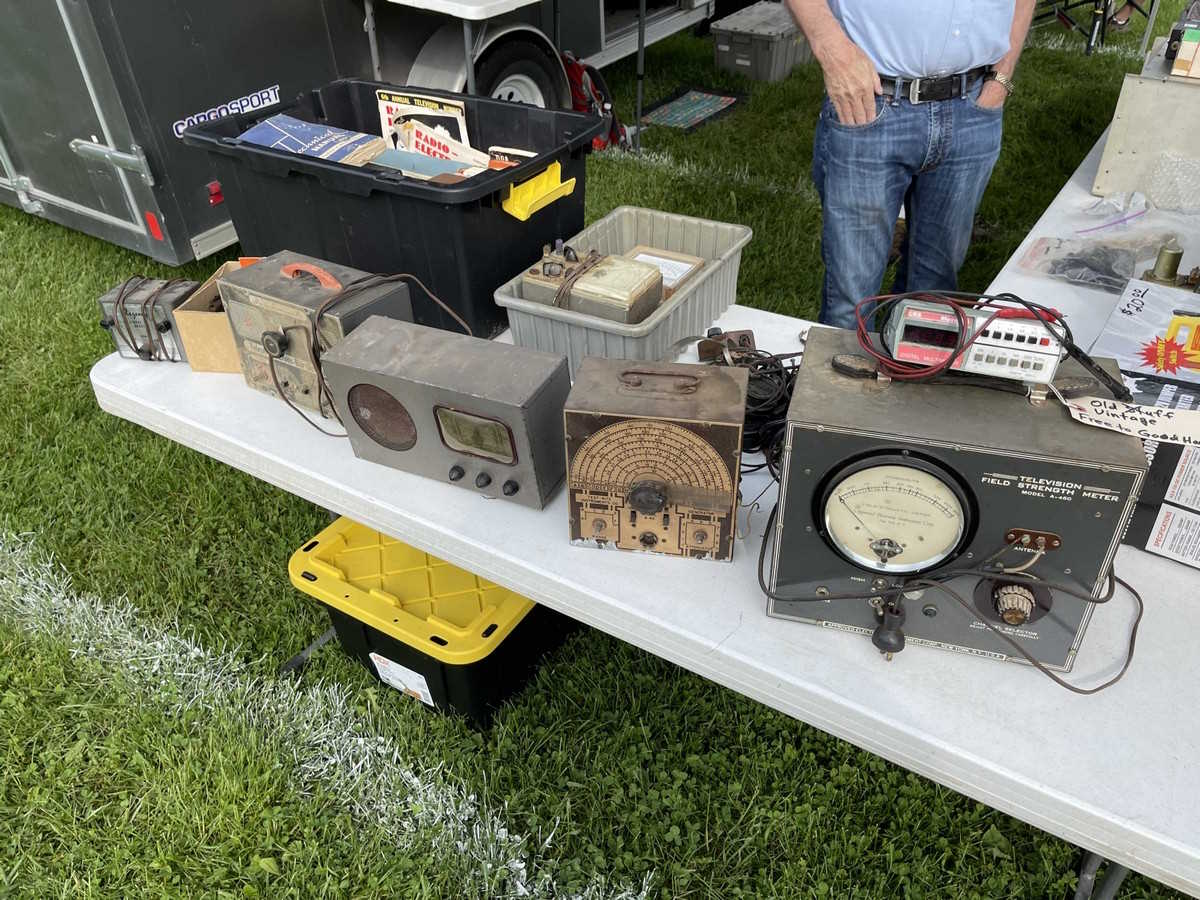
Free stuff. I took some of the books home.
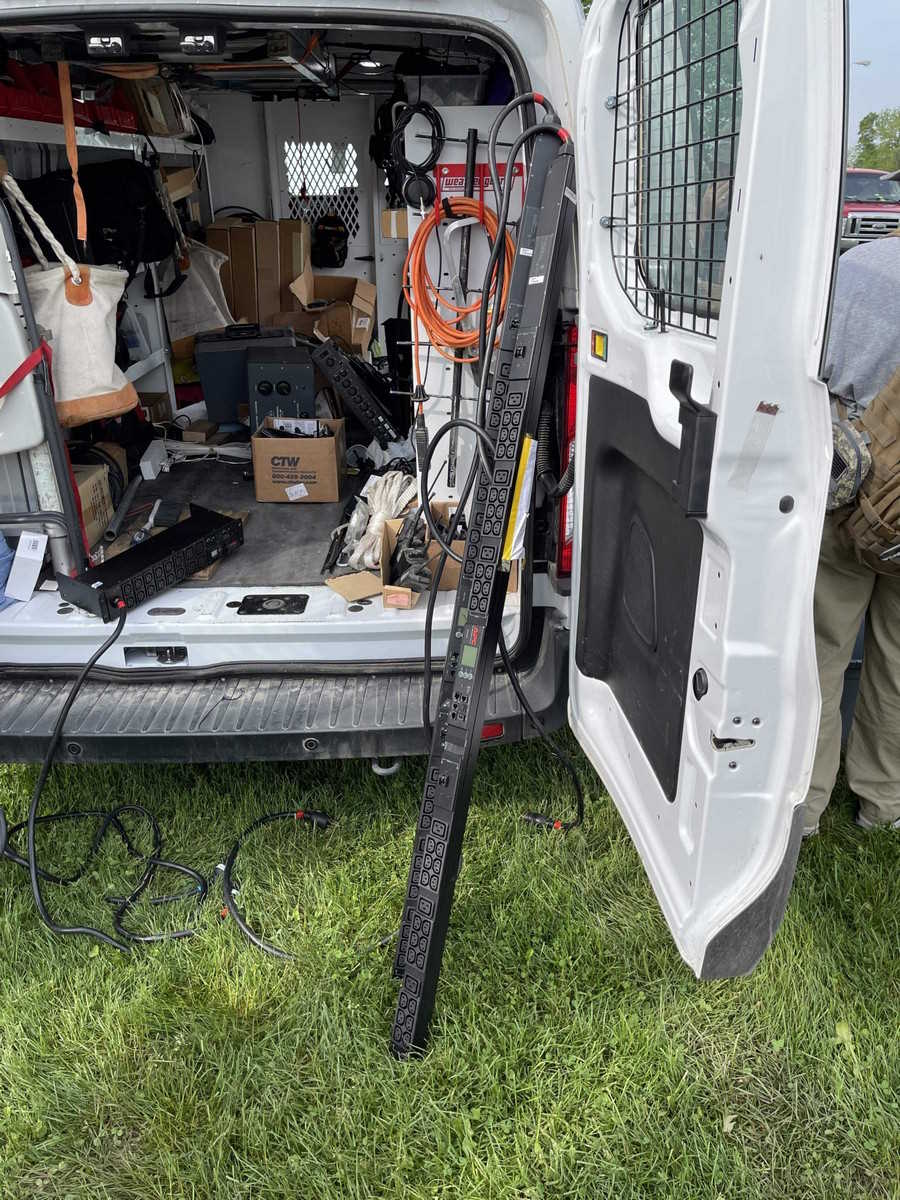
When you need a lot of power.
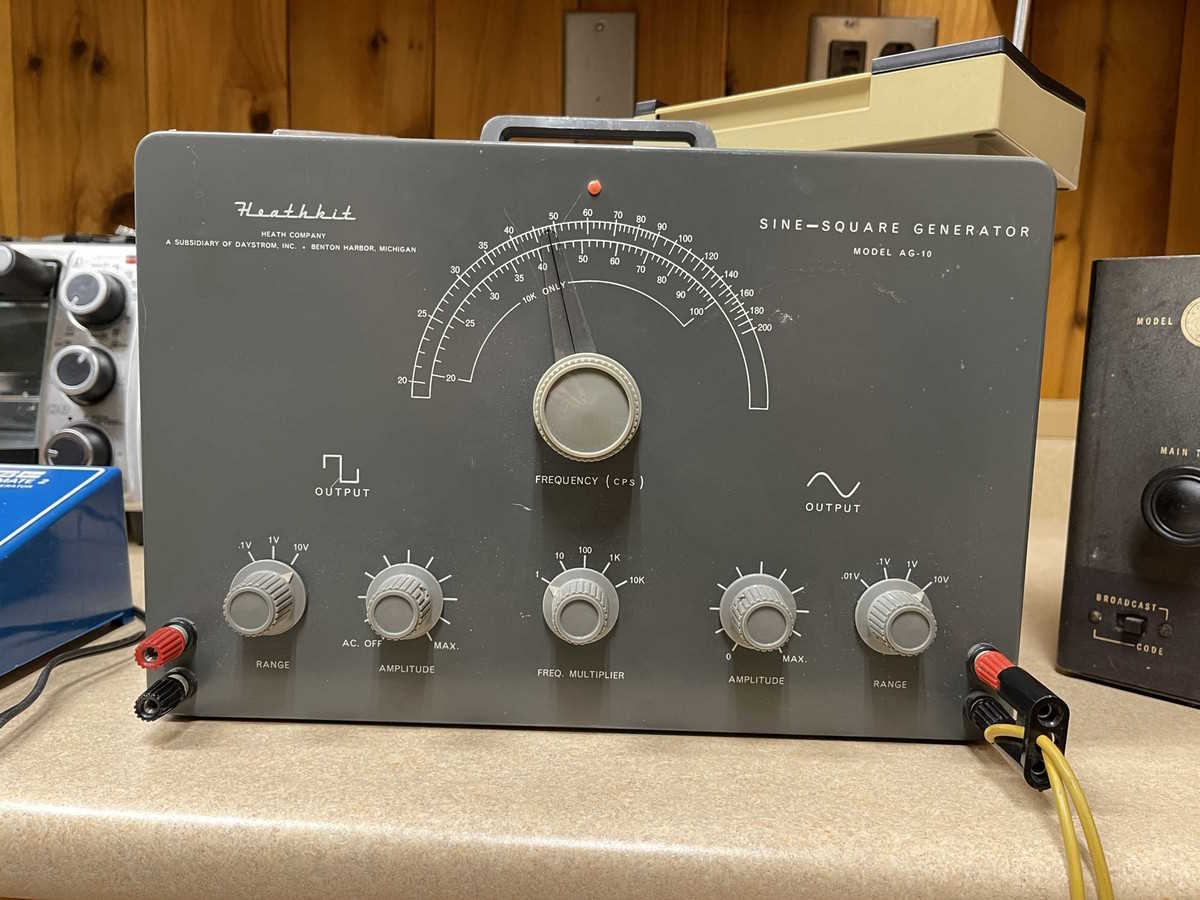
I love the front panels on these generators.
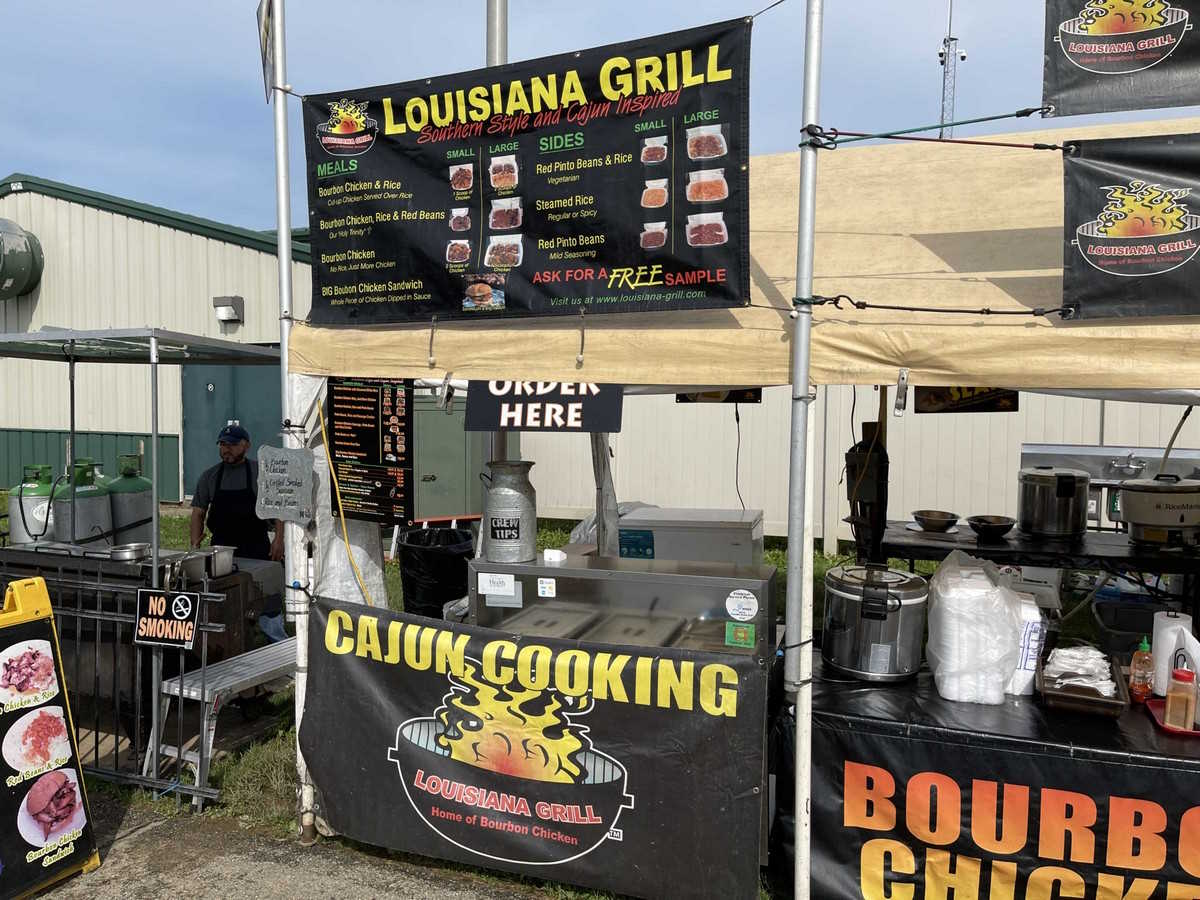
Wouldn't be complete without Bourbon Chicken.
Or some steak tips!
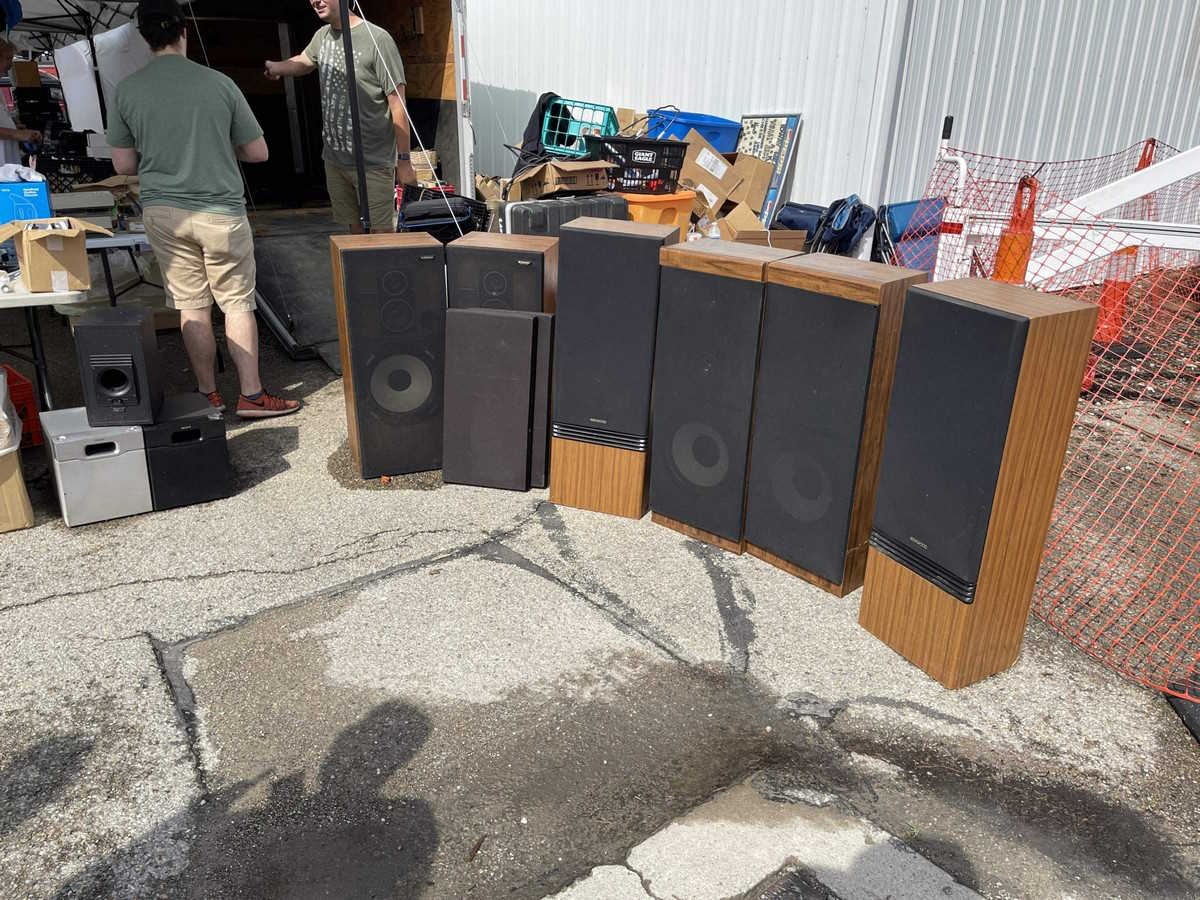
Speakers.
A carousel 8-track player.
Stuff. Lots of it.
They kind of did this out of the box.
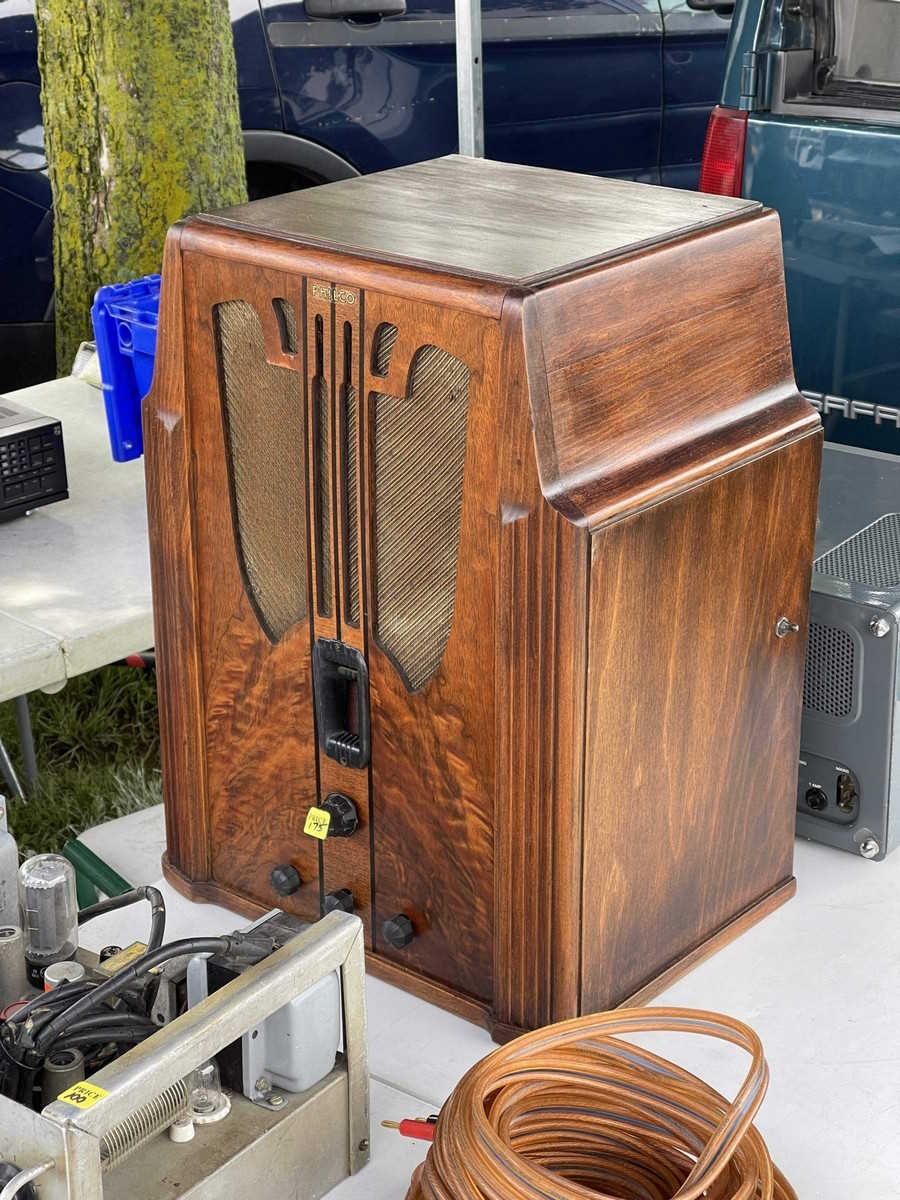
A beautiful Philco Tombstone.
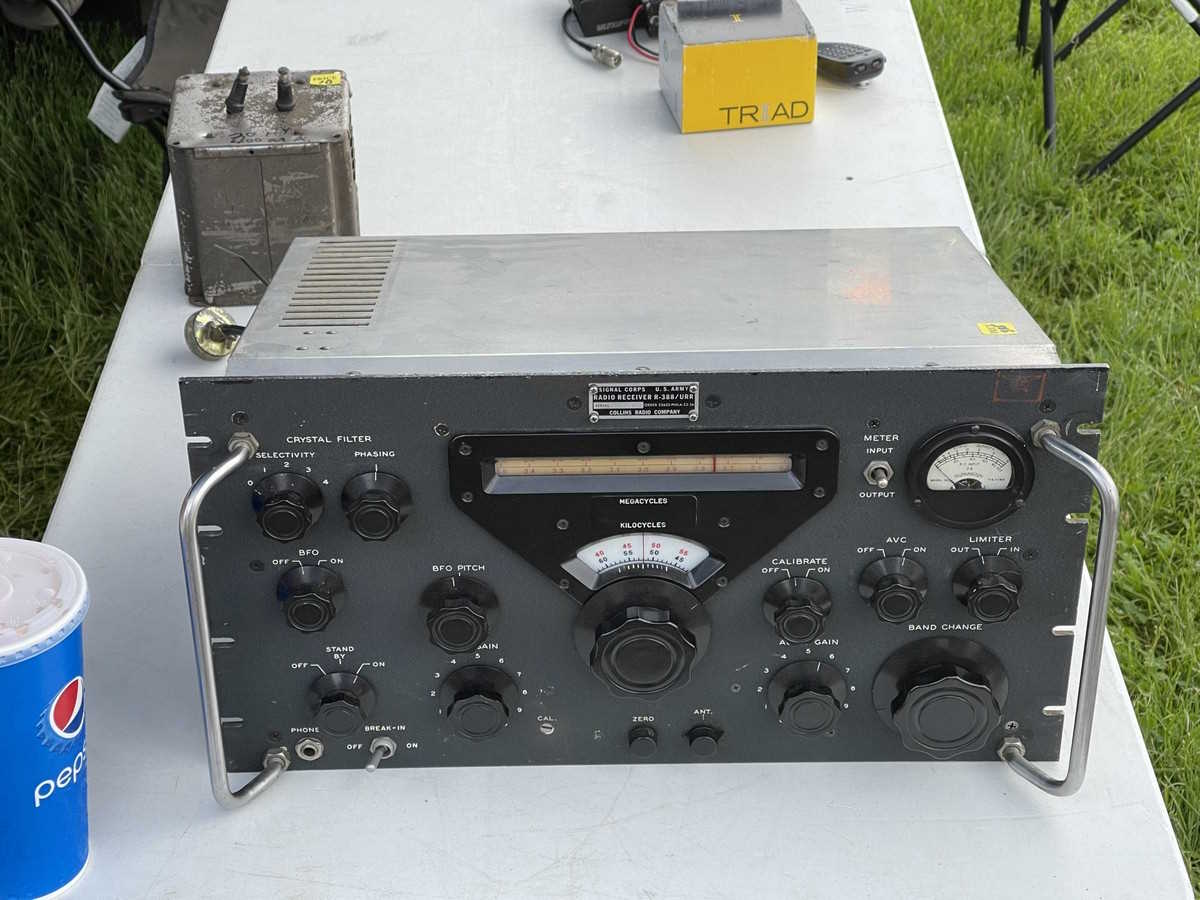
A R-388/URR Radio.
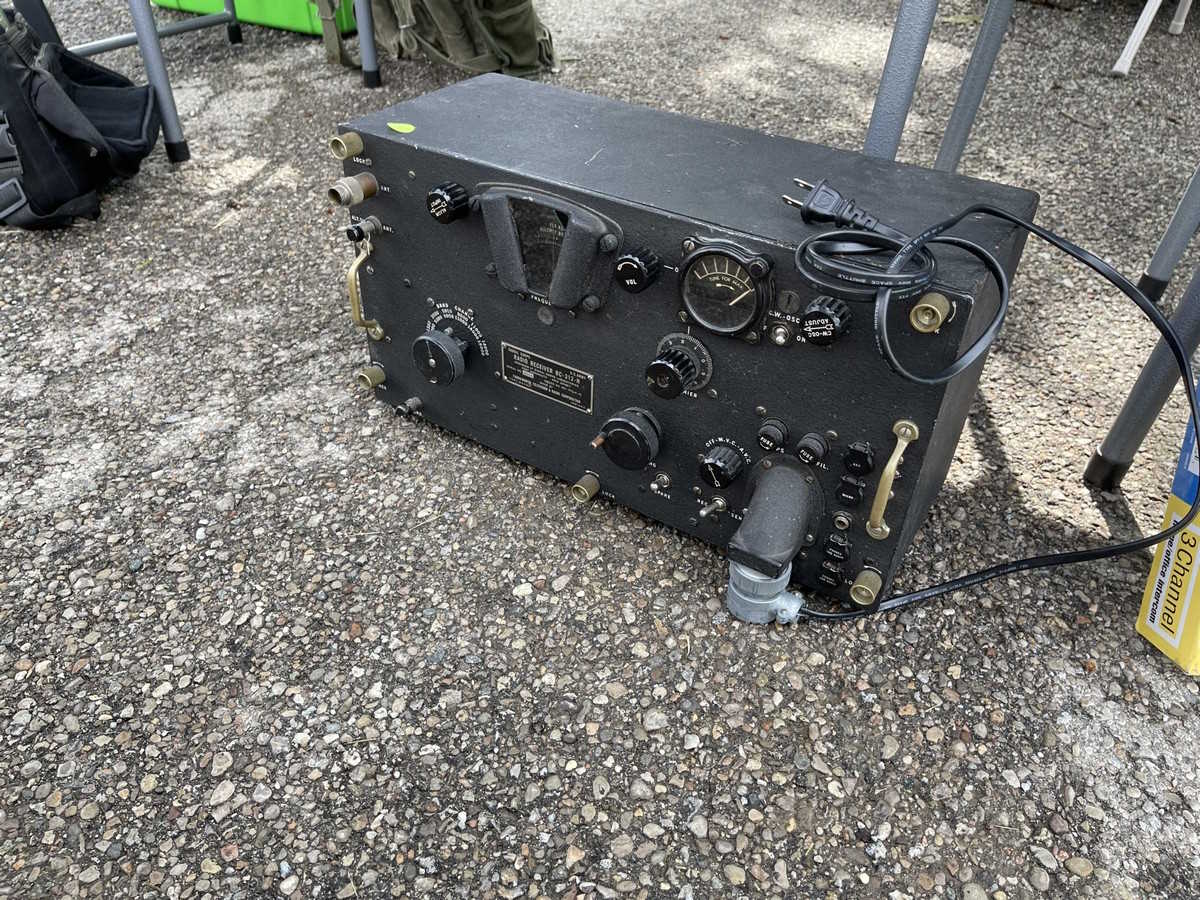
A BC-312-N Radio in great shape.
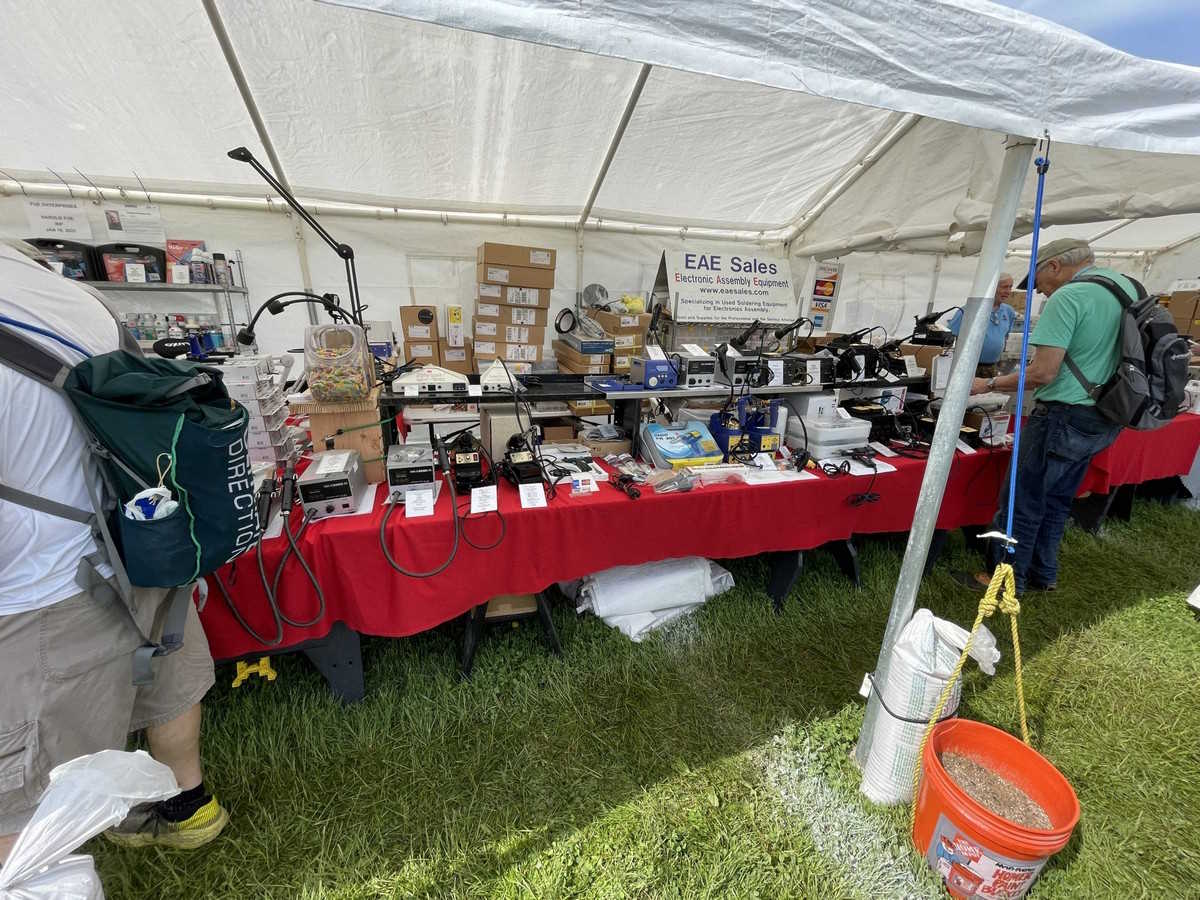
Assembly equipment.
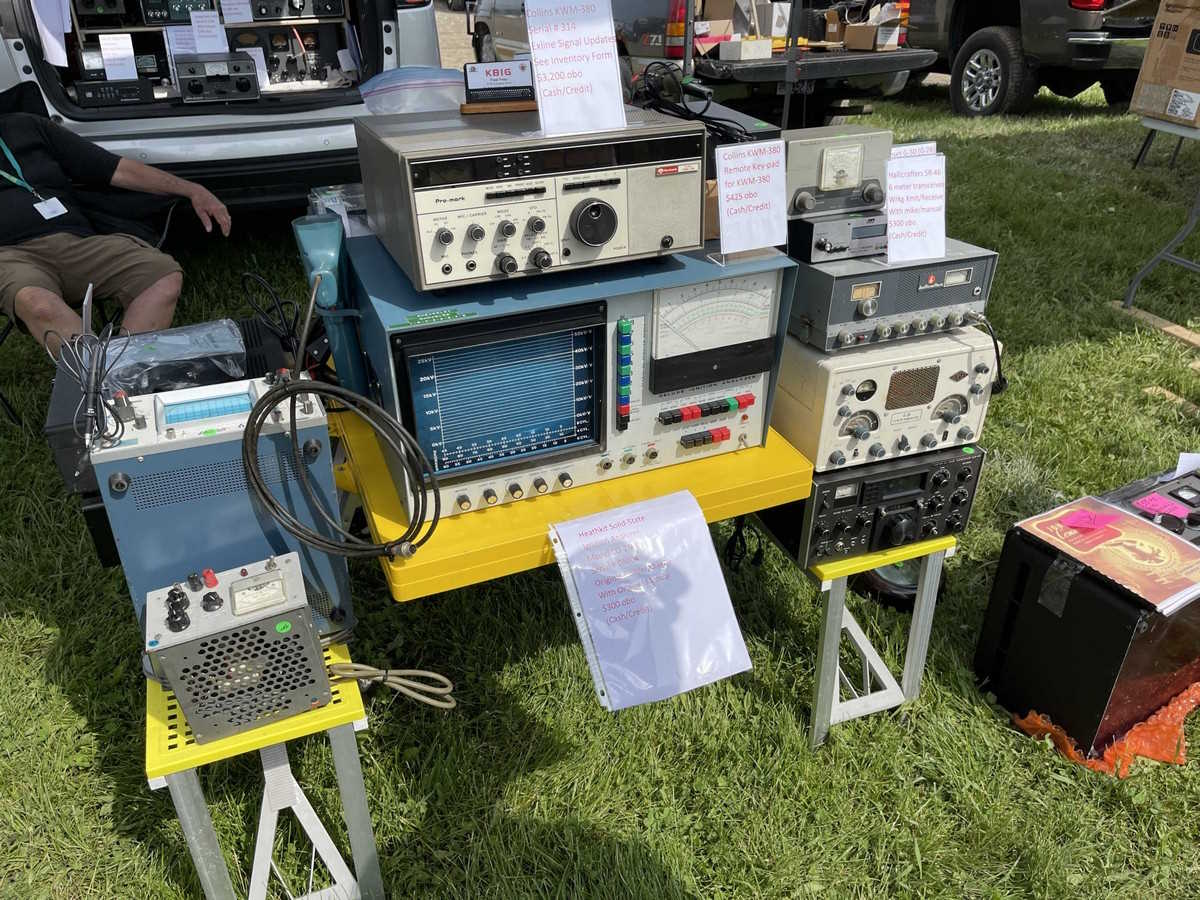
A Heathkit Ignition Analyzer. One Owner!
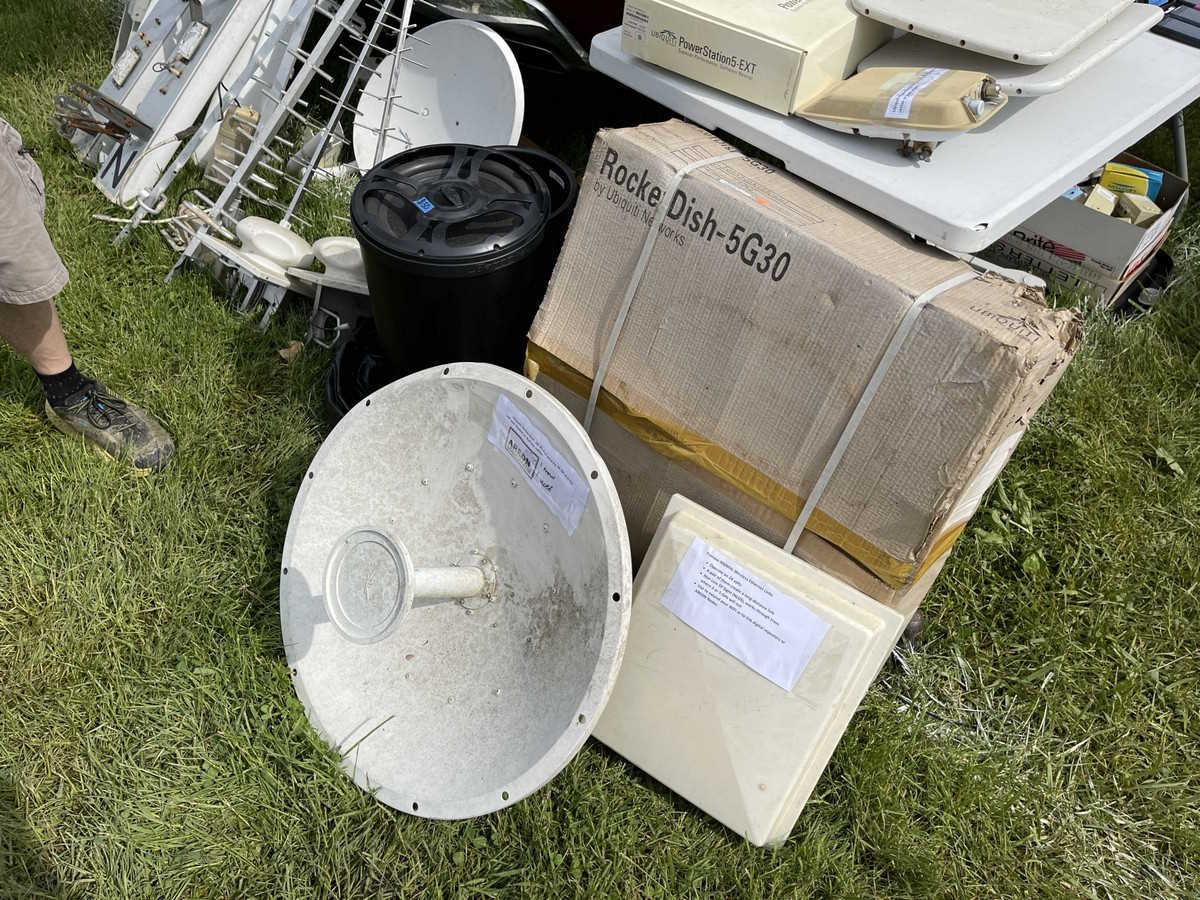
Ubiquiti Rocket Dishes.
Regency scanners, must be a billion out there.
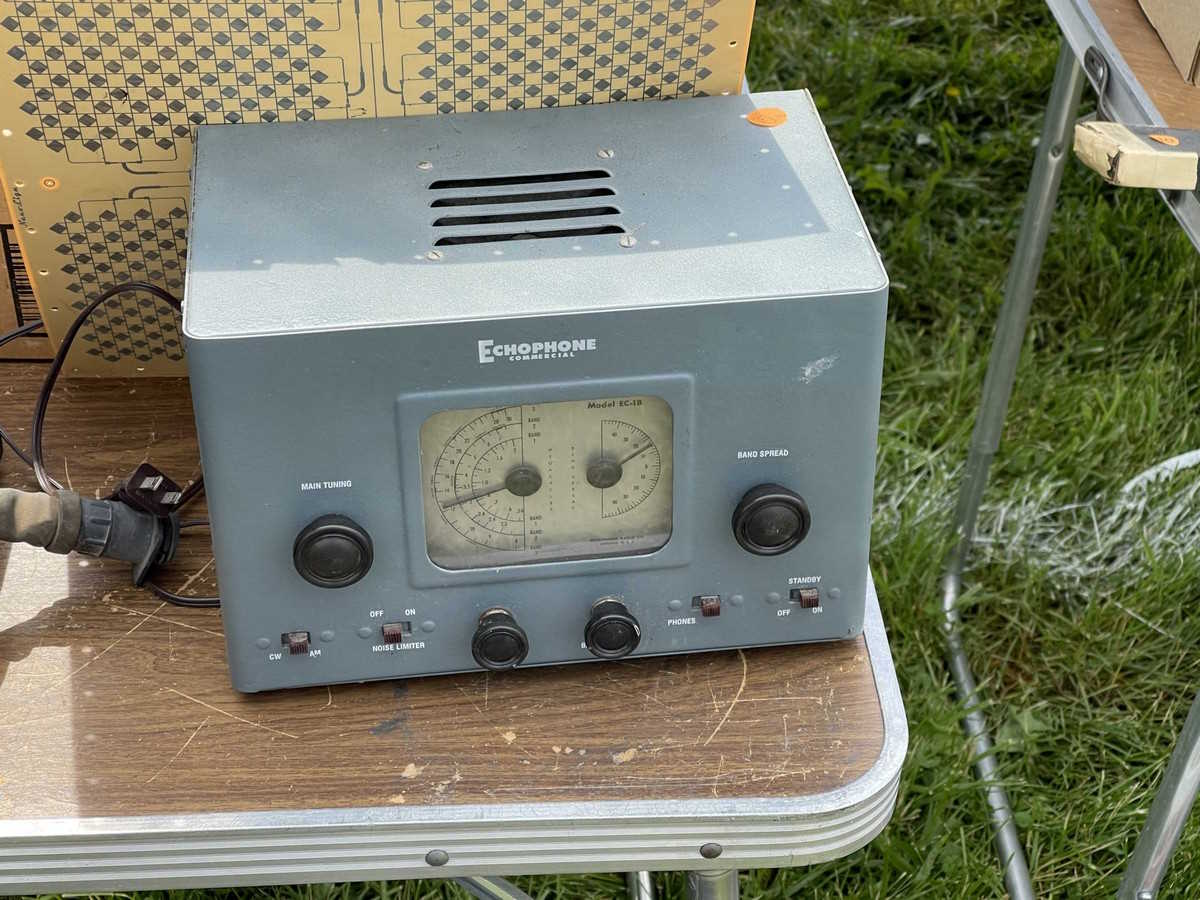
An Echophone (Made by Hallicrafters?) EC-1B.
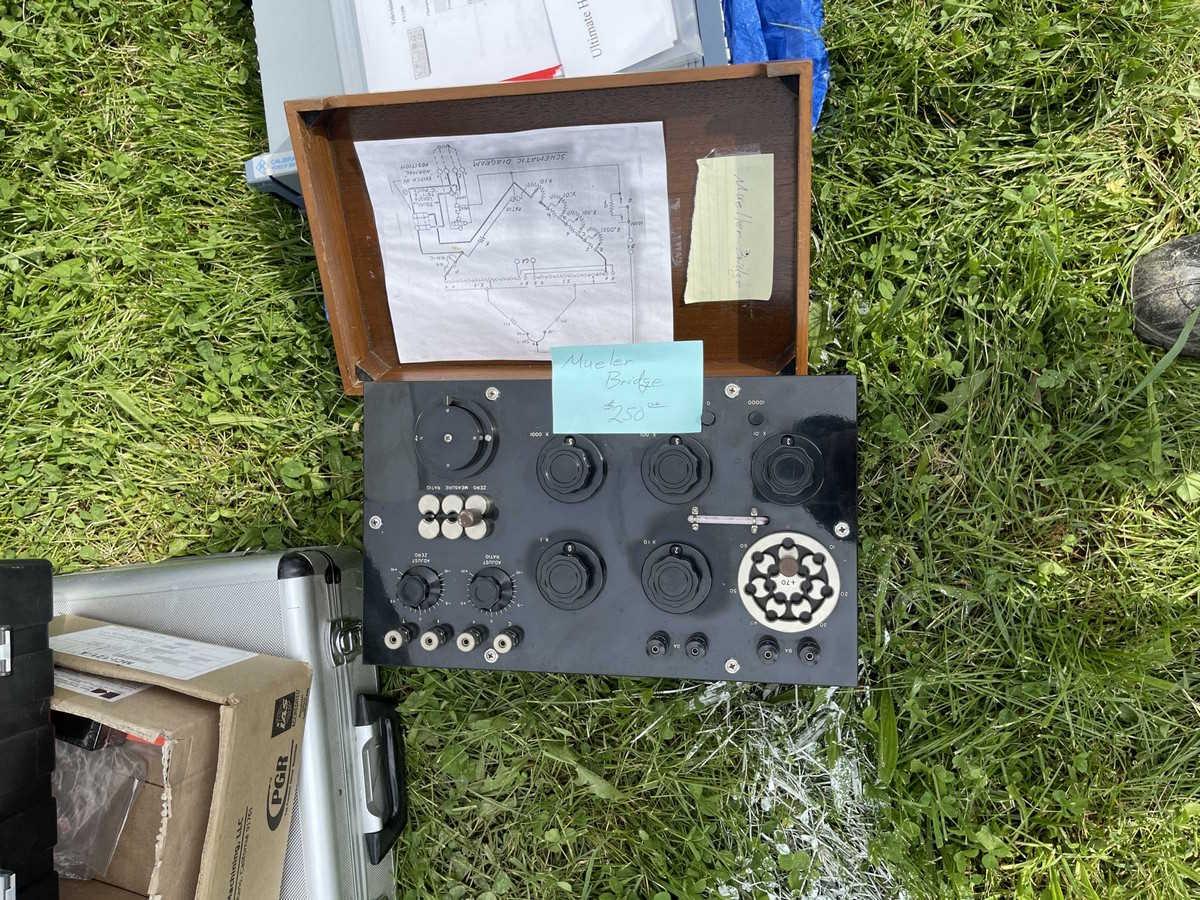
A Mueler Bridge for precise resistance measurements.
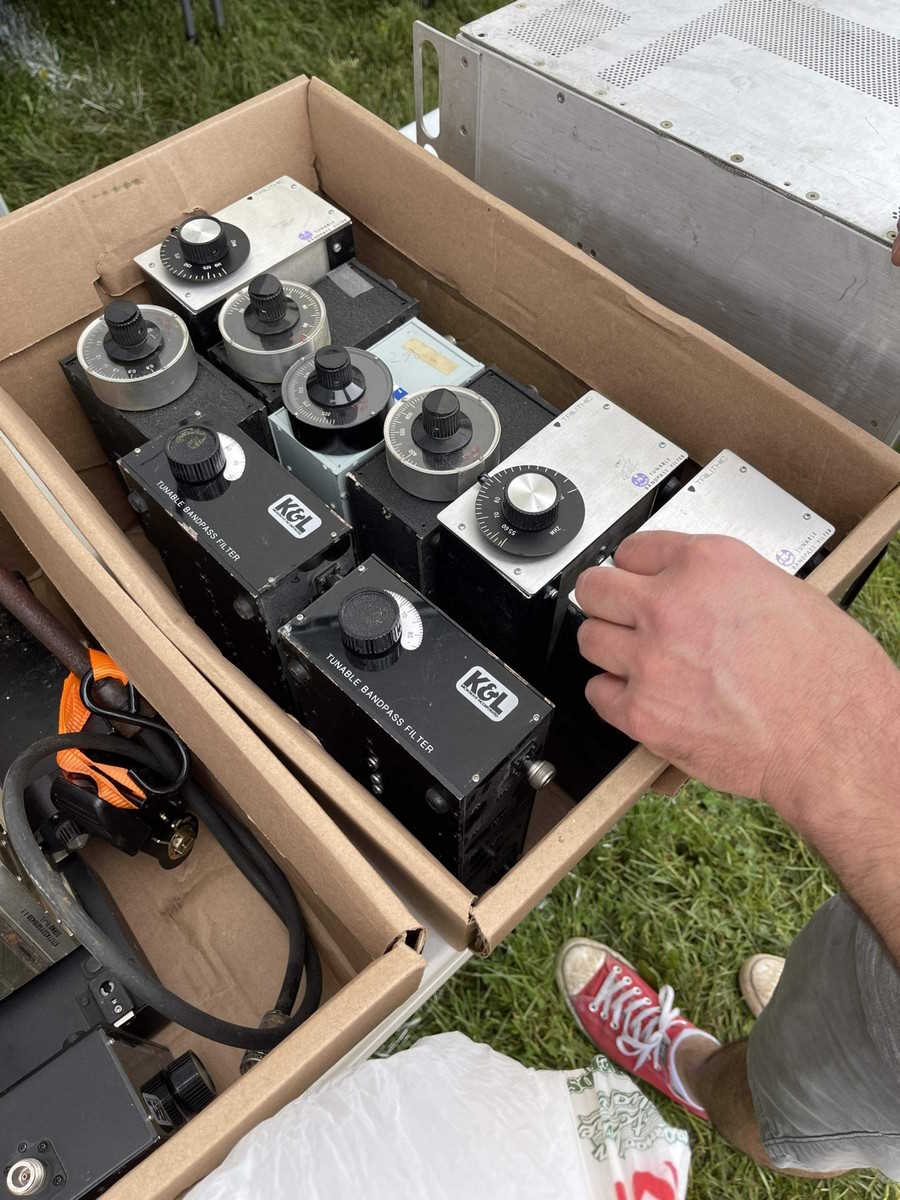
Tunable filters.
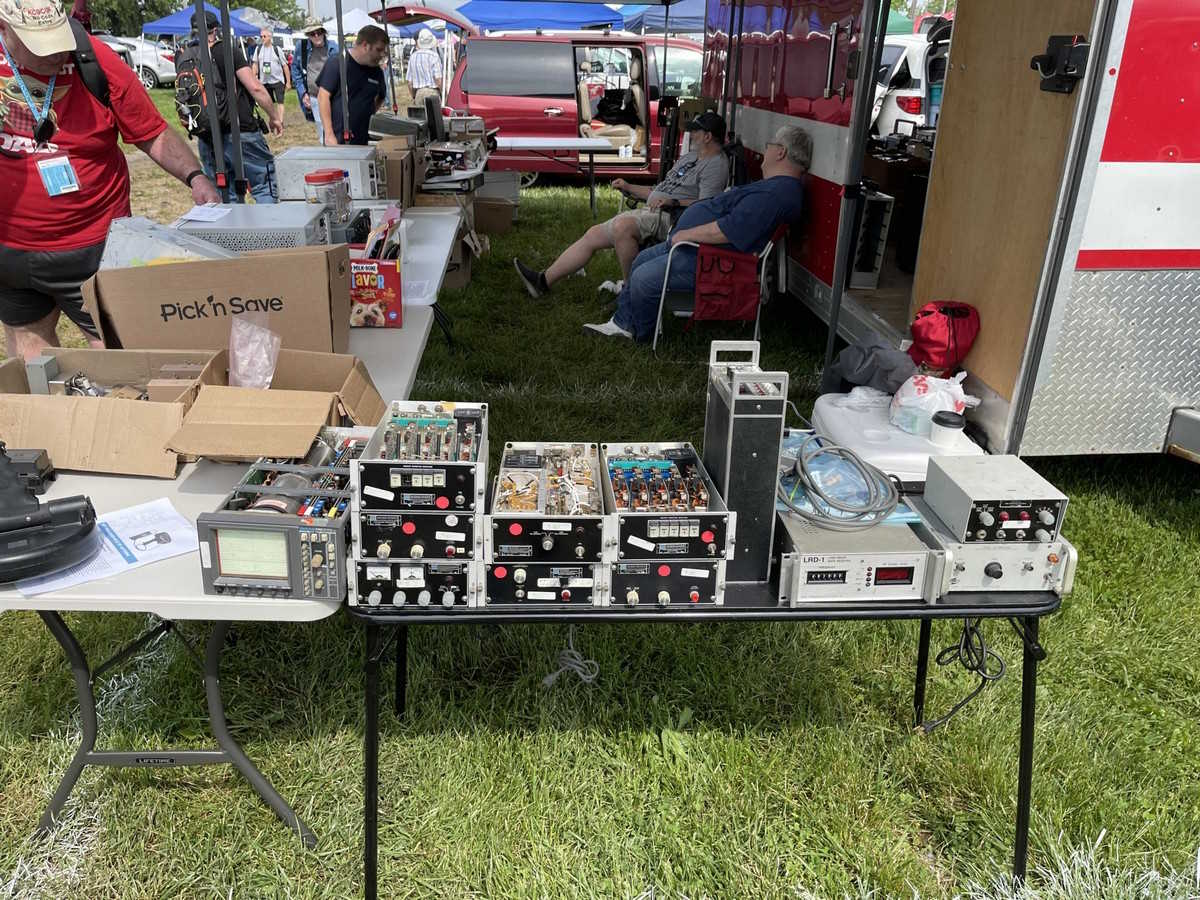
W-J Equipment bonanza.
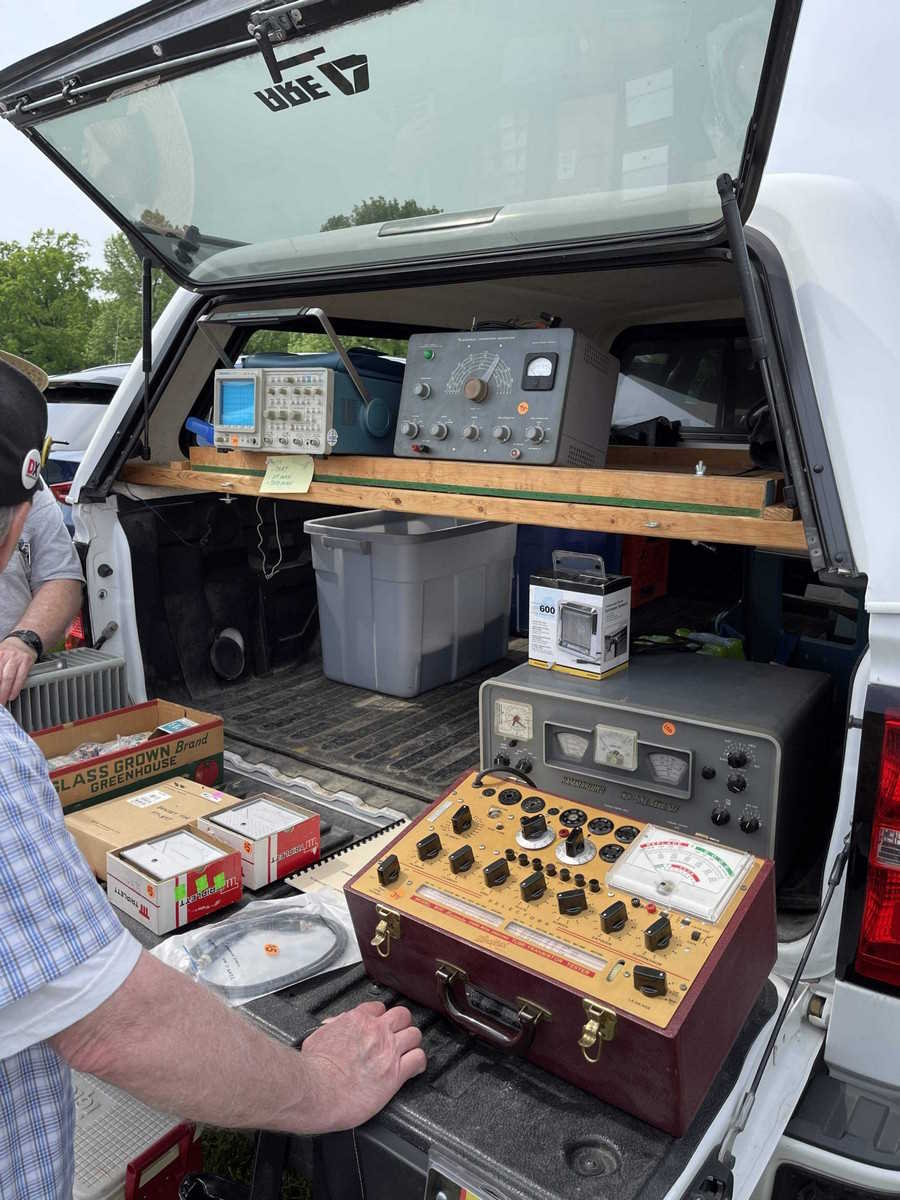
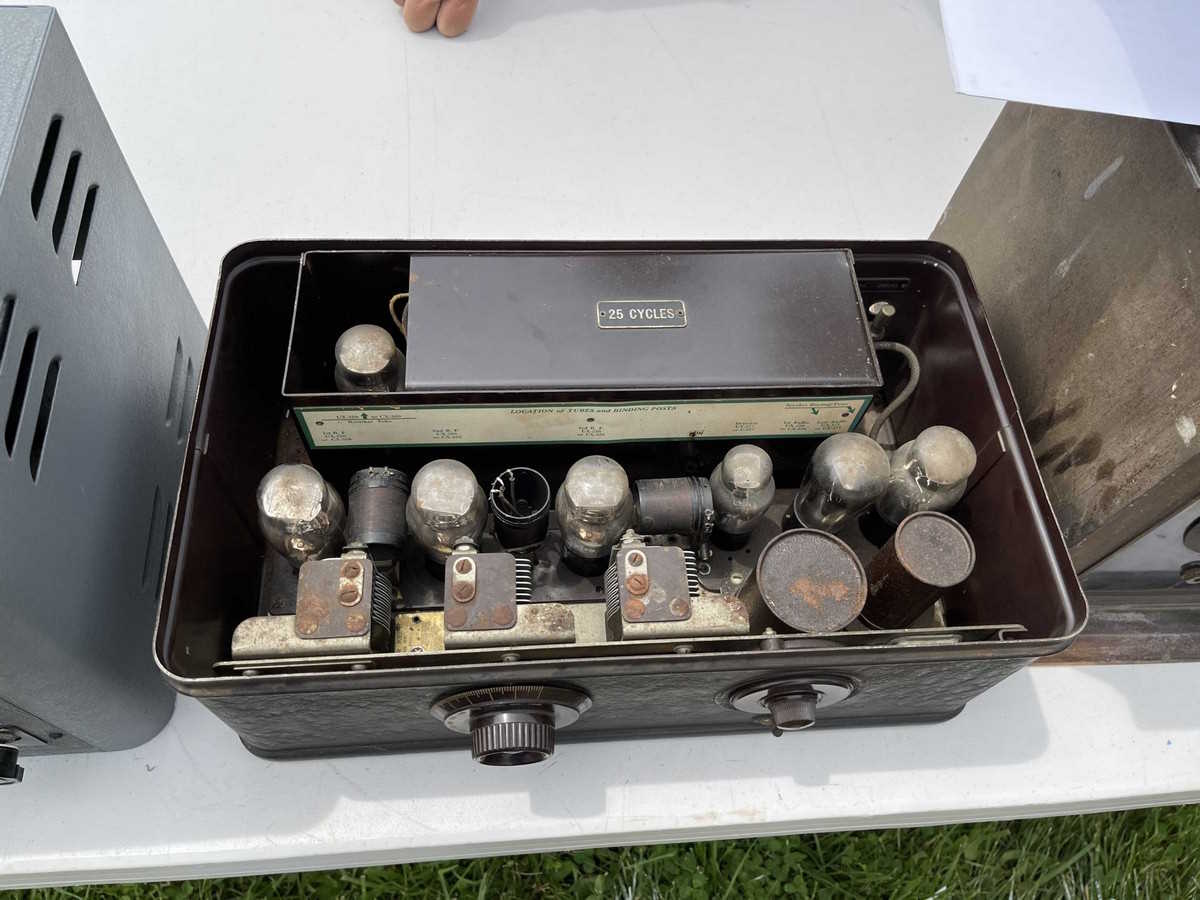
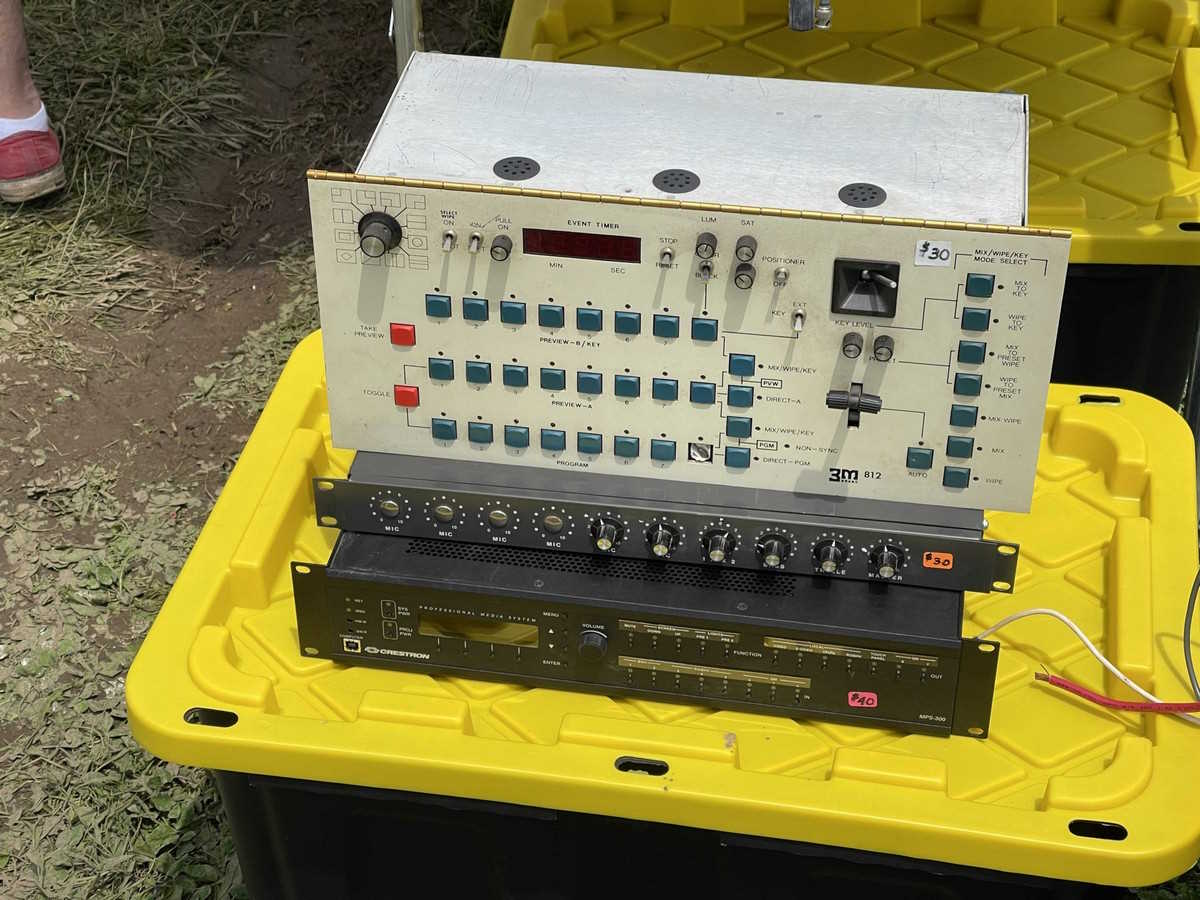
A cool looking tube tester and other equipment.
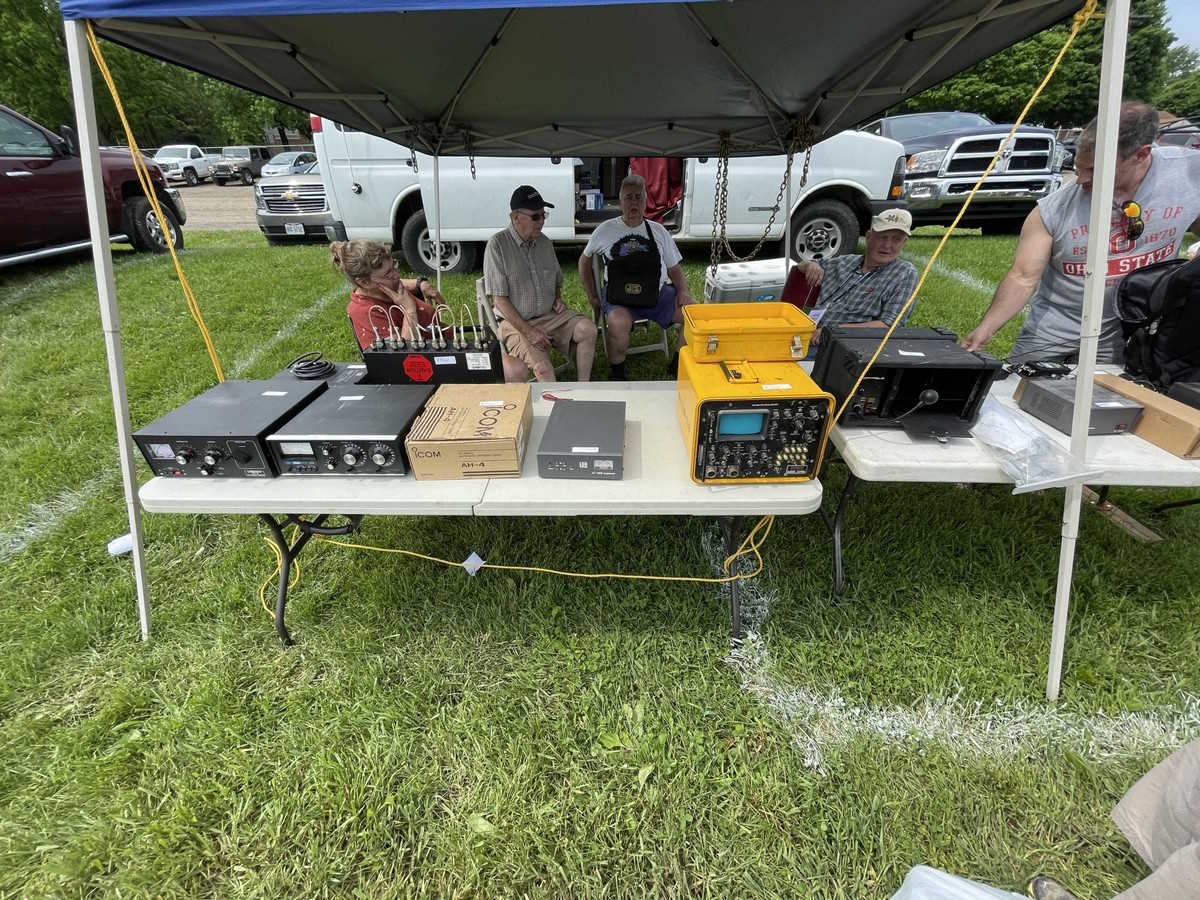
Sometimes it's about socializing.
A friend bought a radio from the stack.
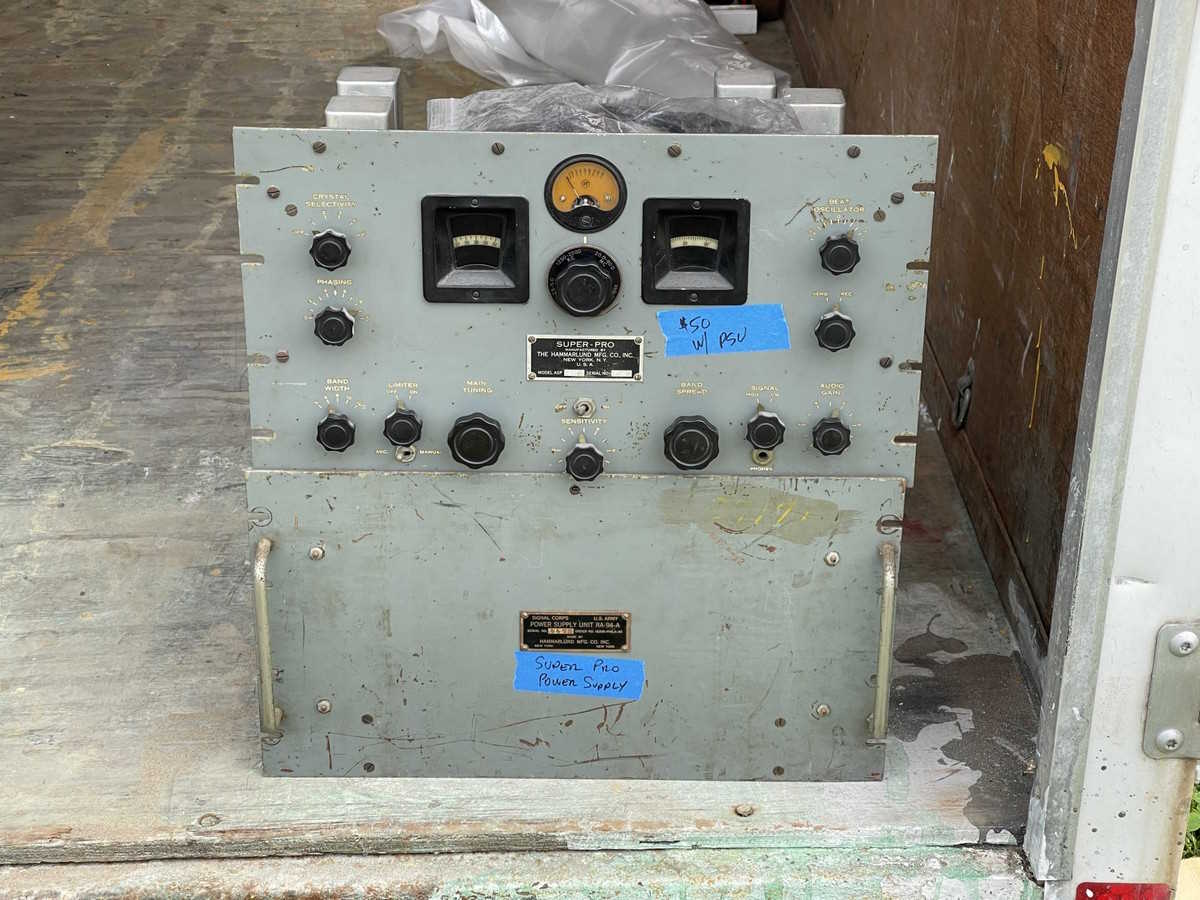
A Hammarlund “Super Pro” radio and supply.
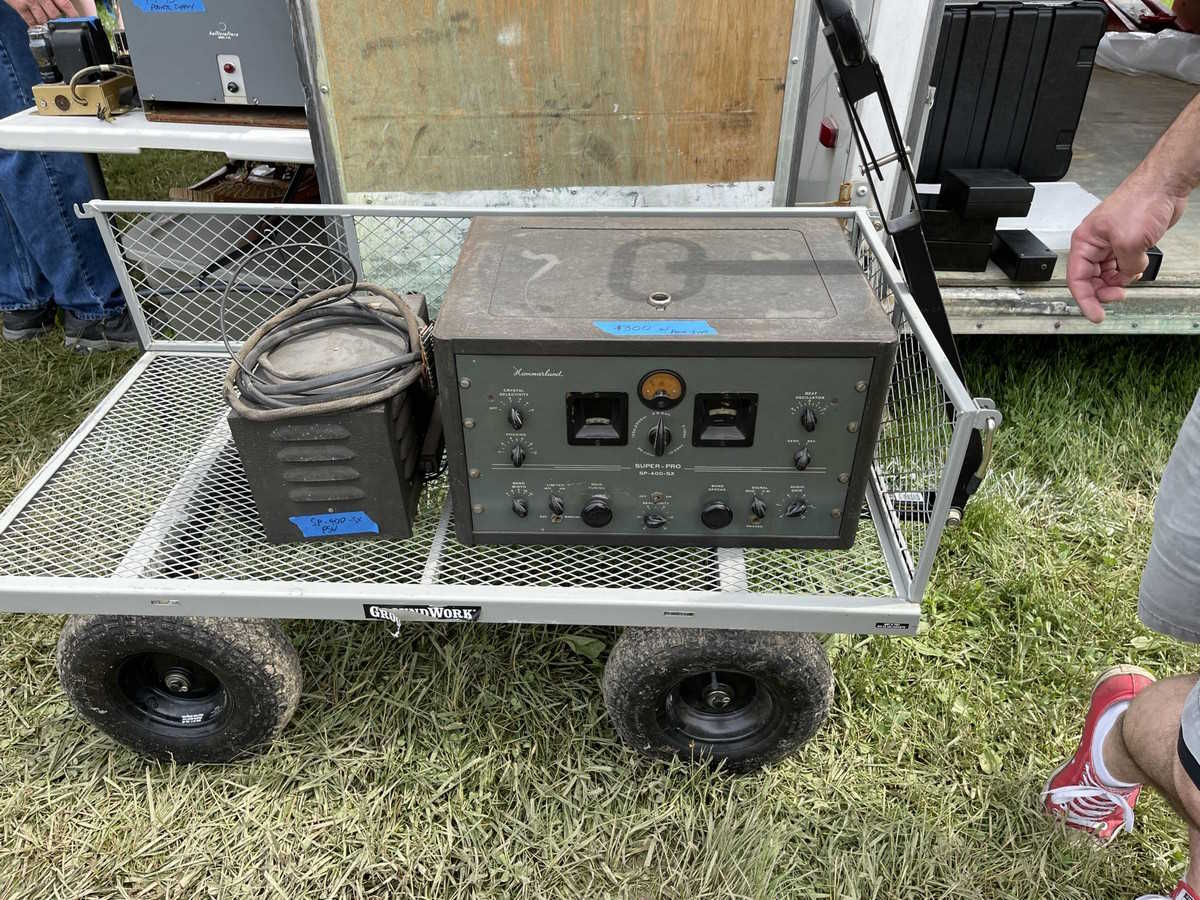
A Hammarlund SP-400-SX radio and supply.
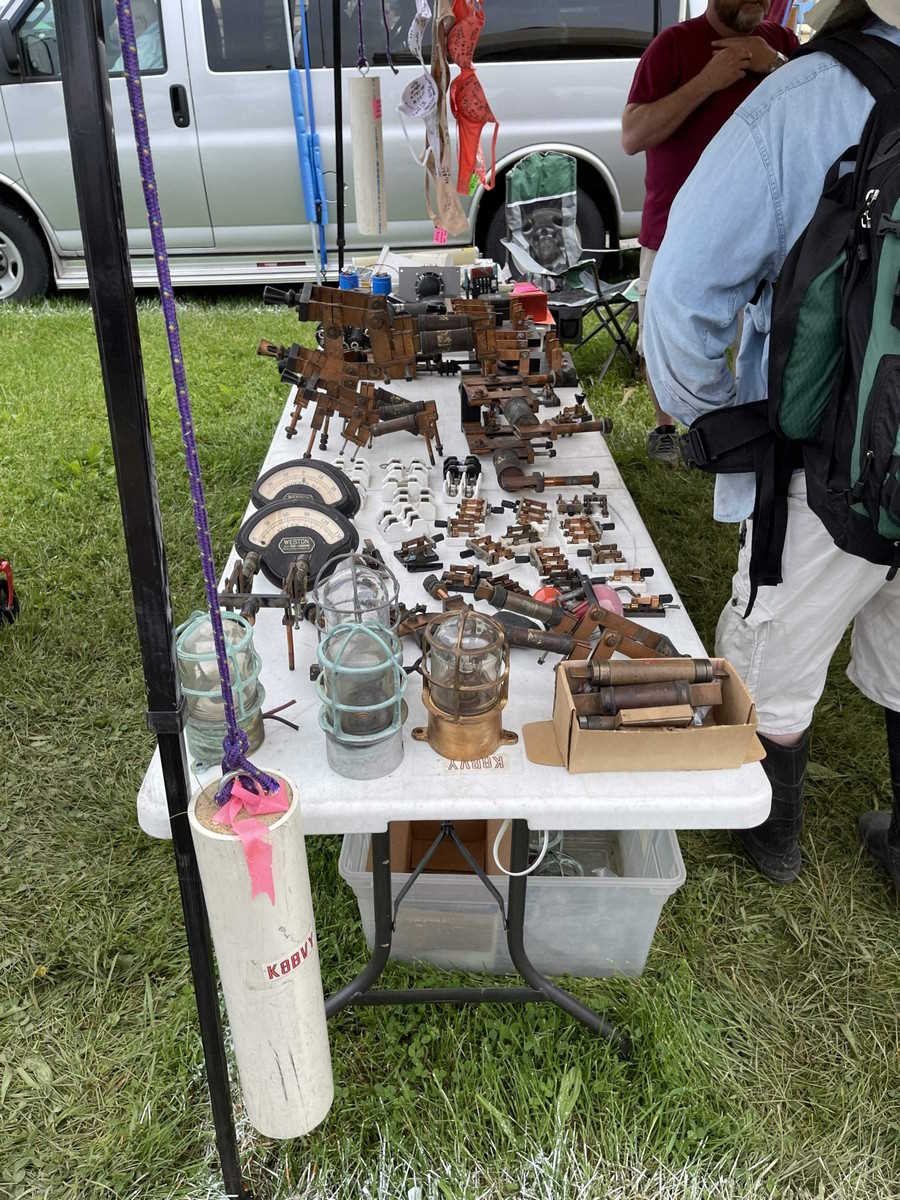
Someone took a very old electrical panel apart.
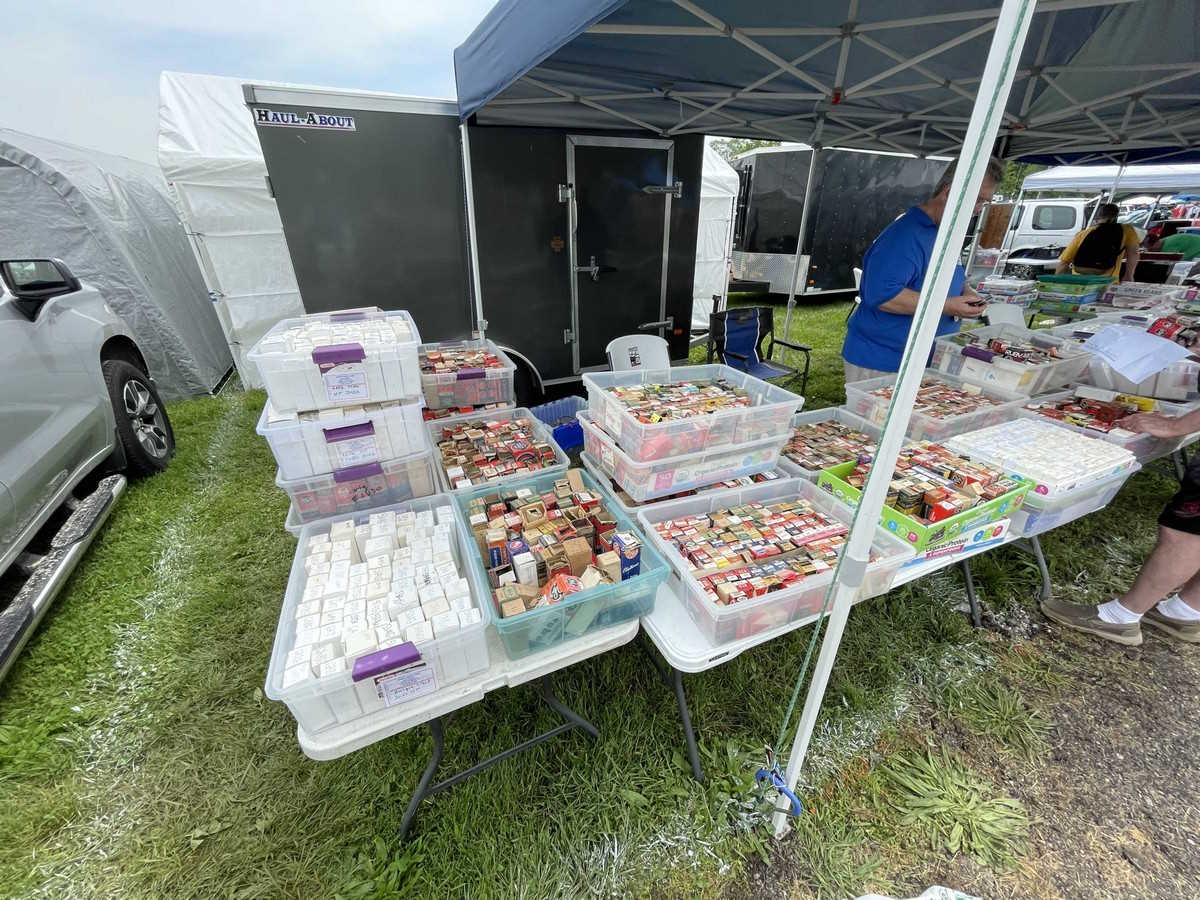
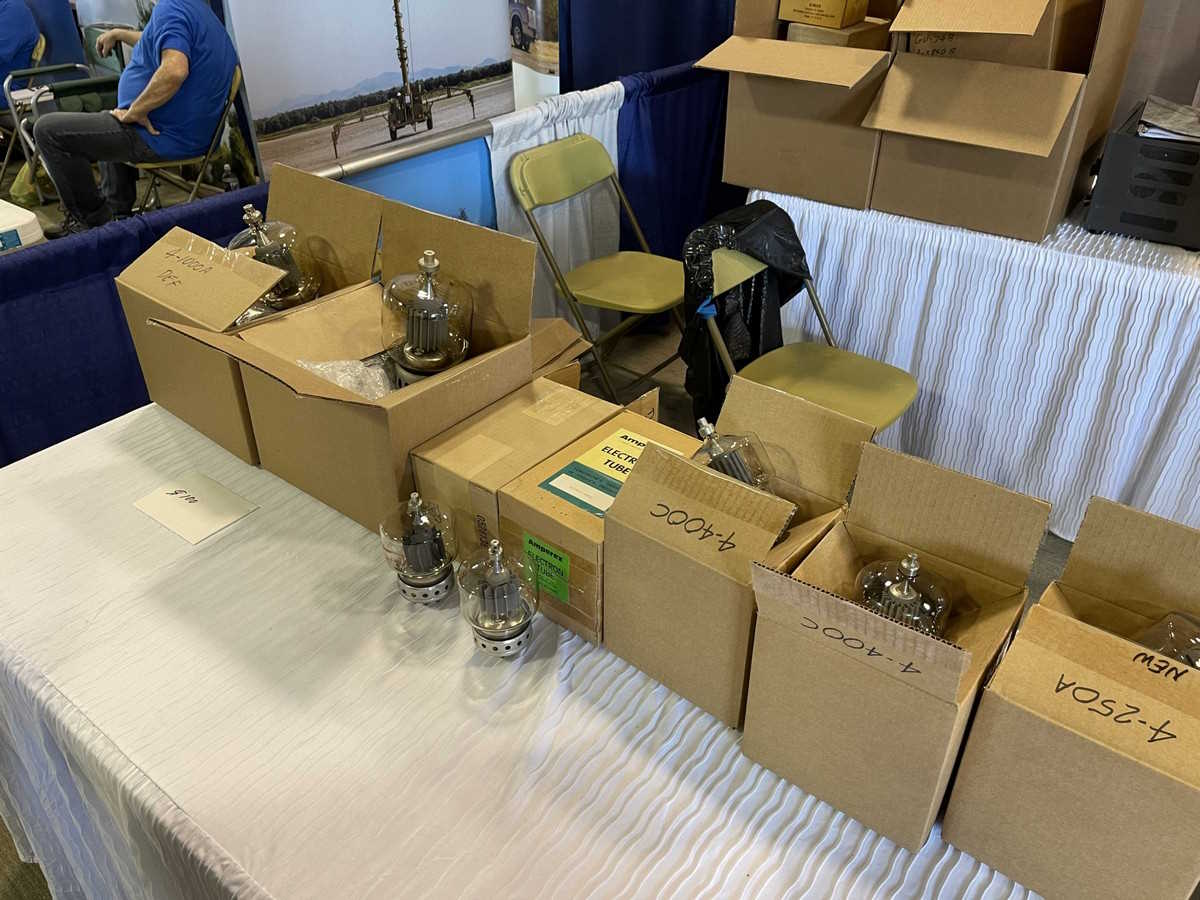
The tube guy from Indiana.
Said to be from a screen-share startup company.
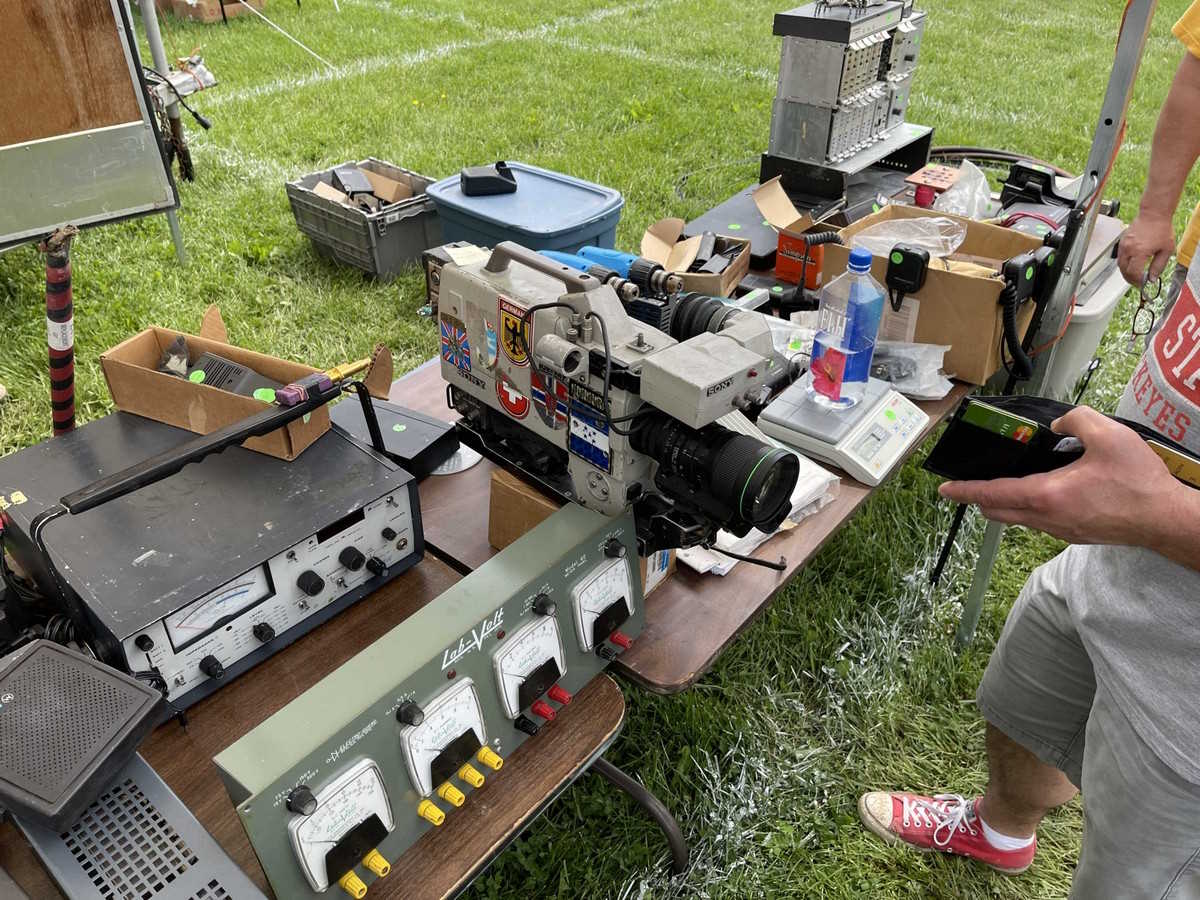
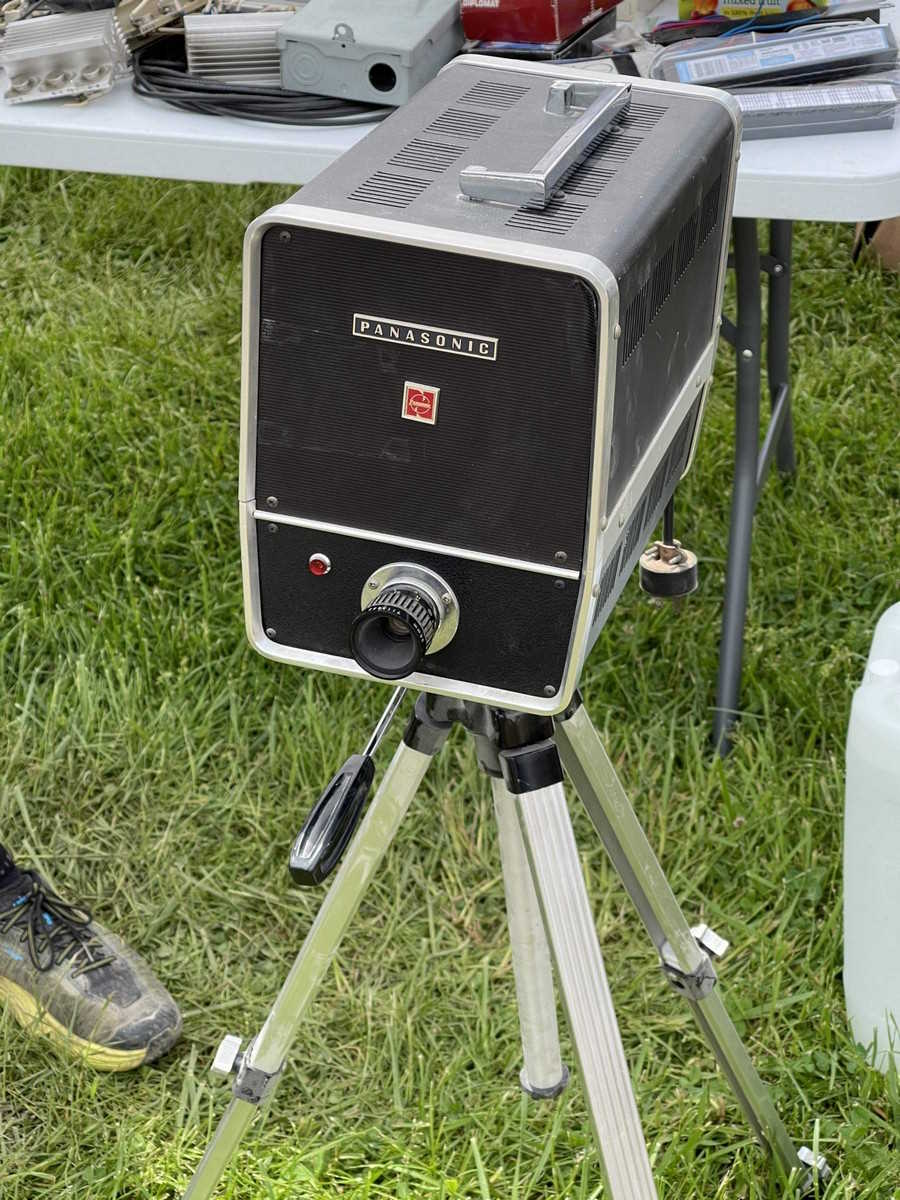
A camera that's seen some action.
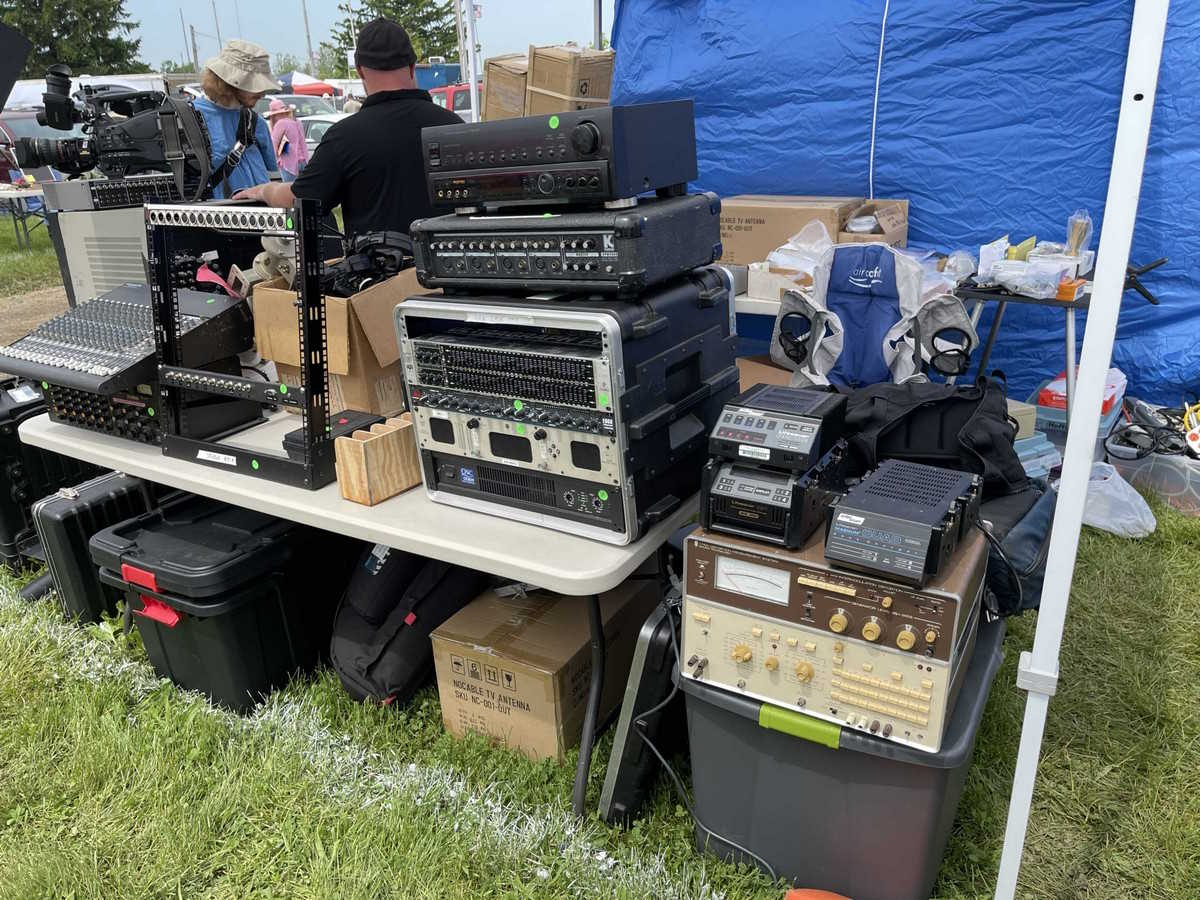
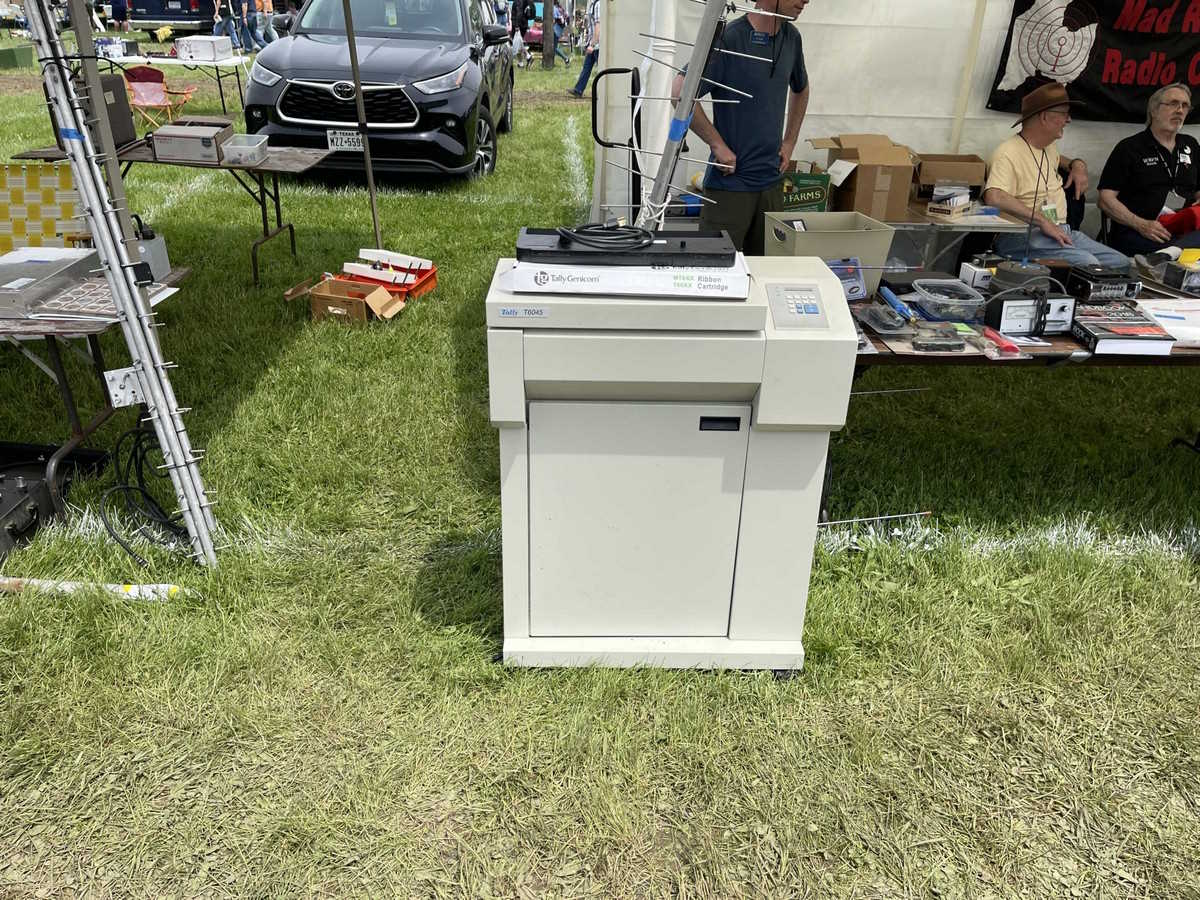
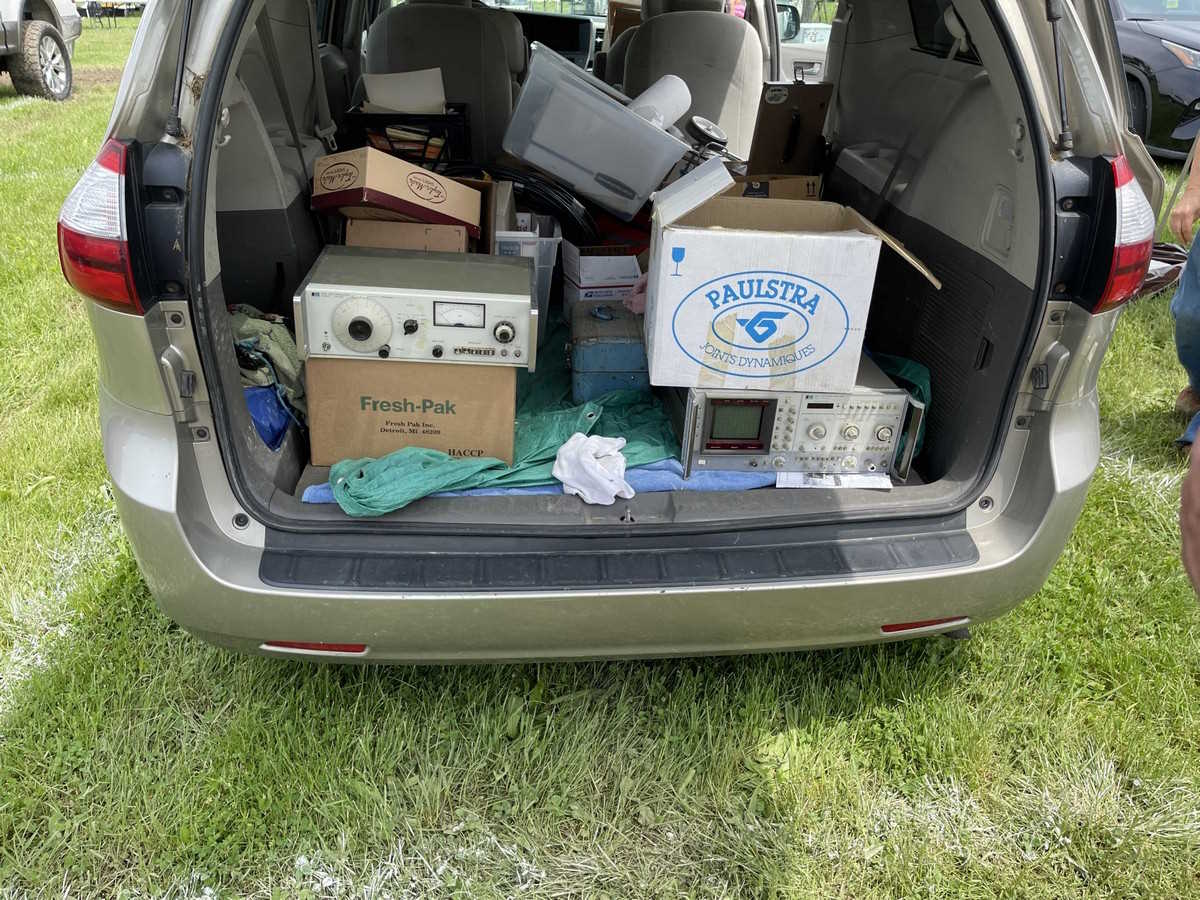
Just a lot of equipment.
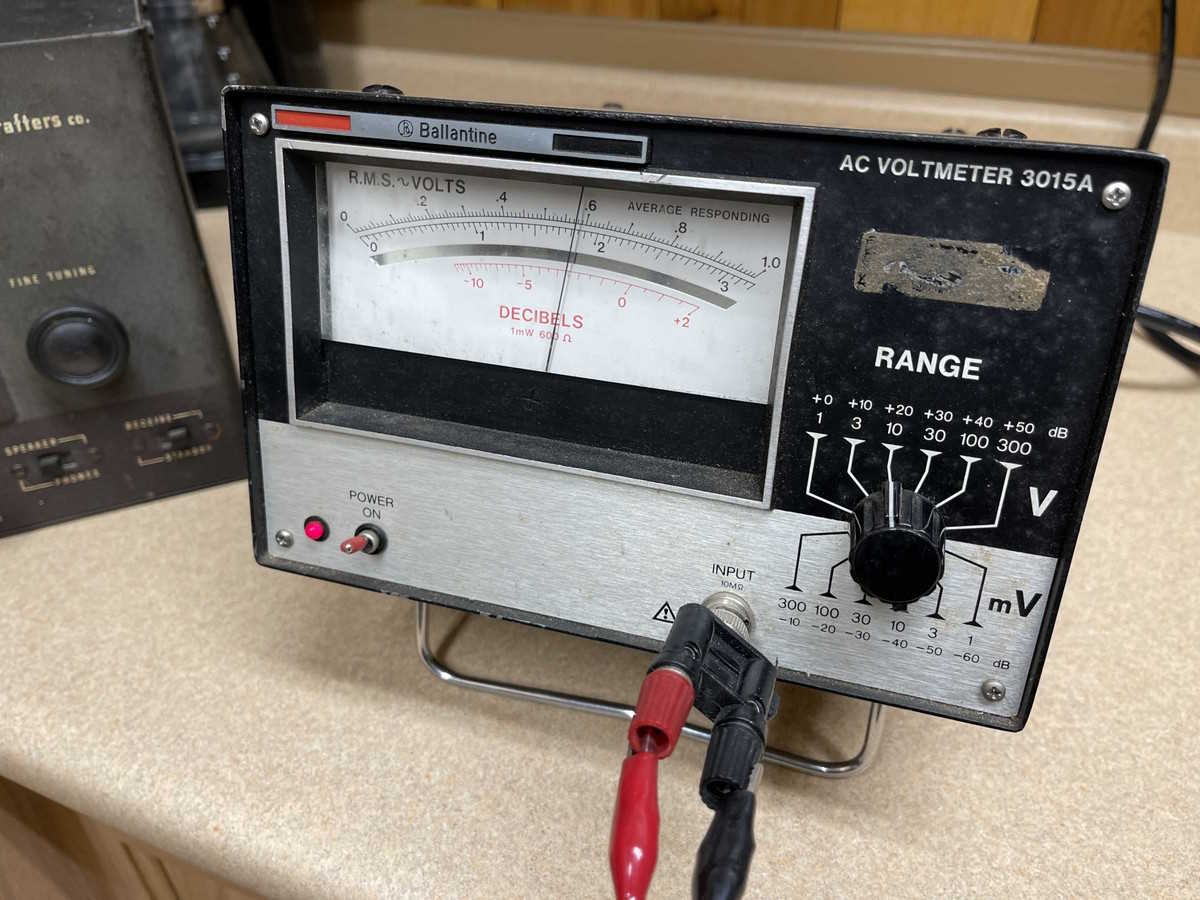
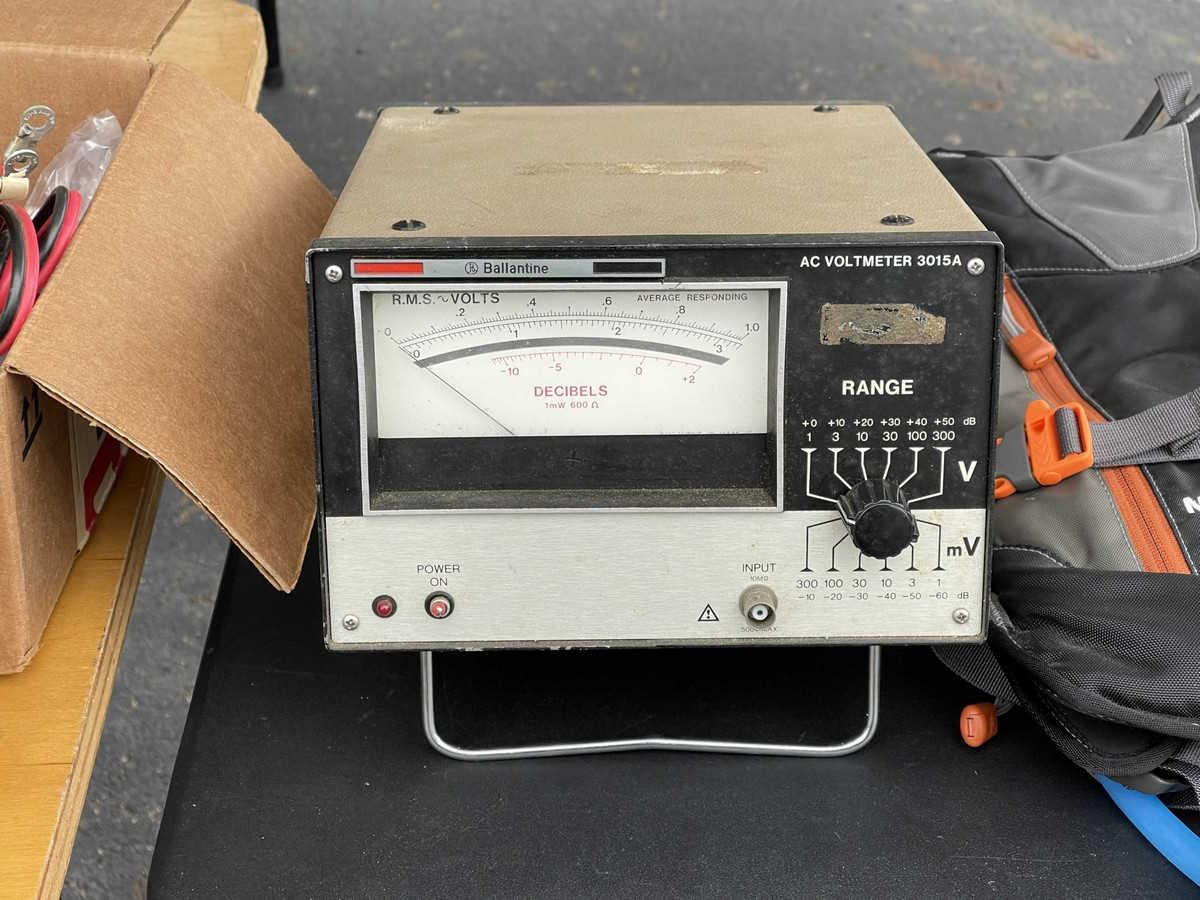
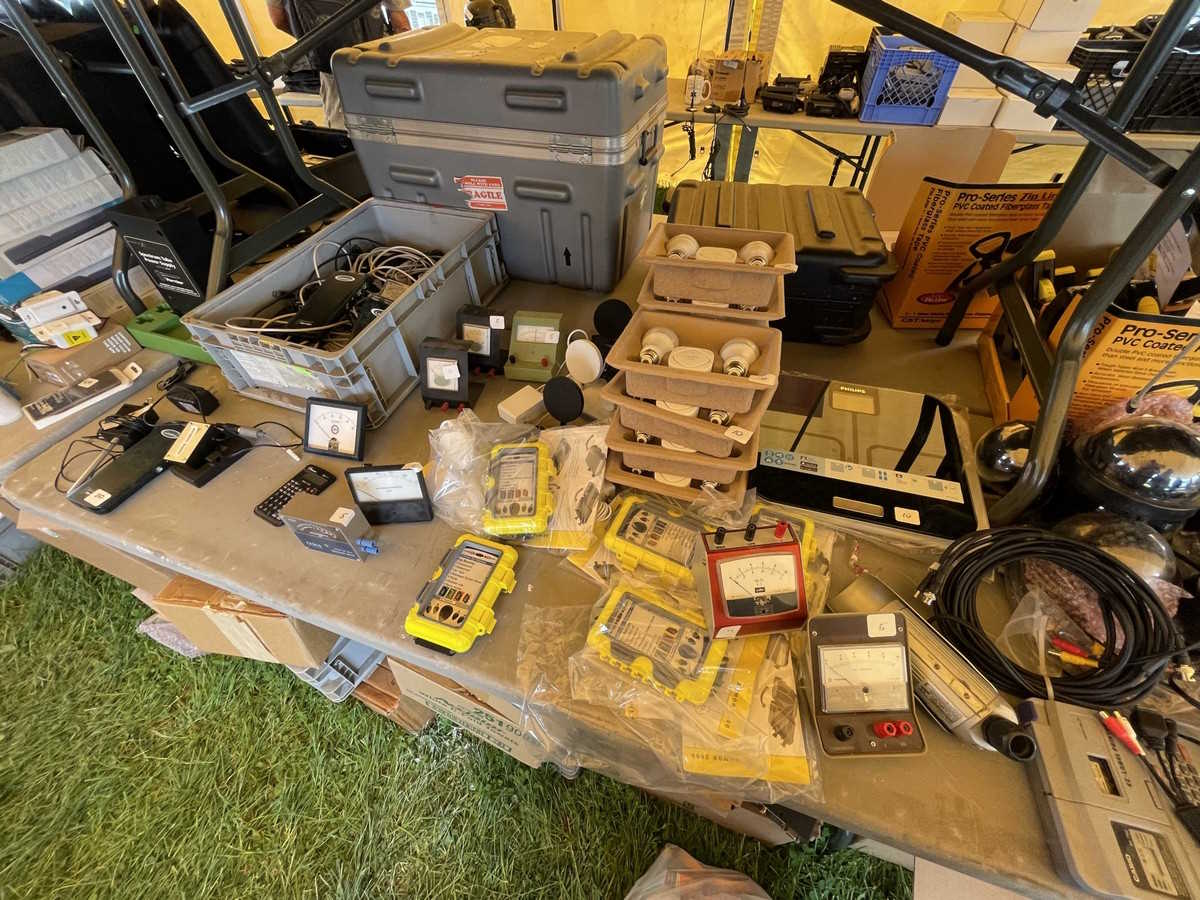
The two meters in front came home with me.
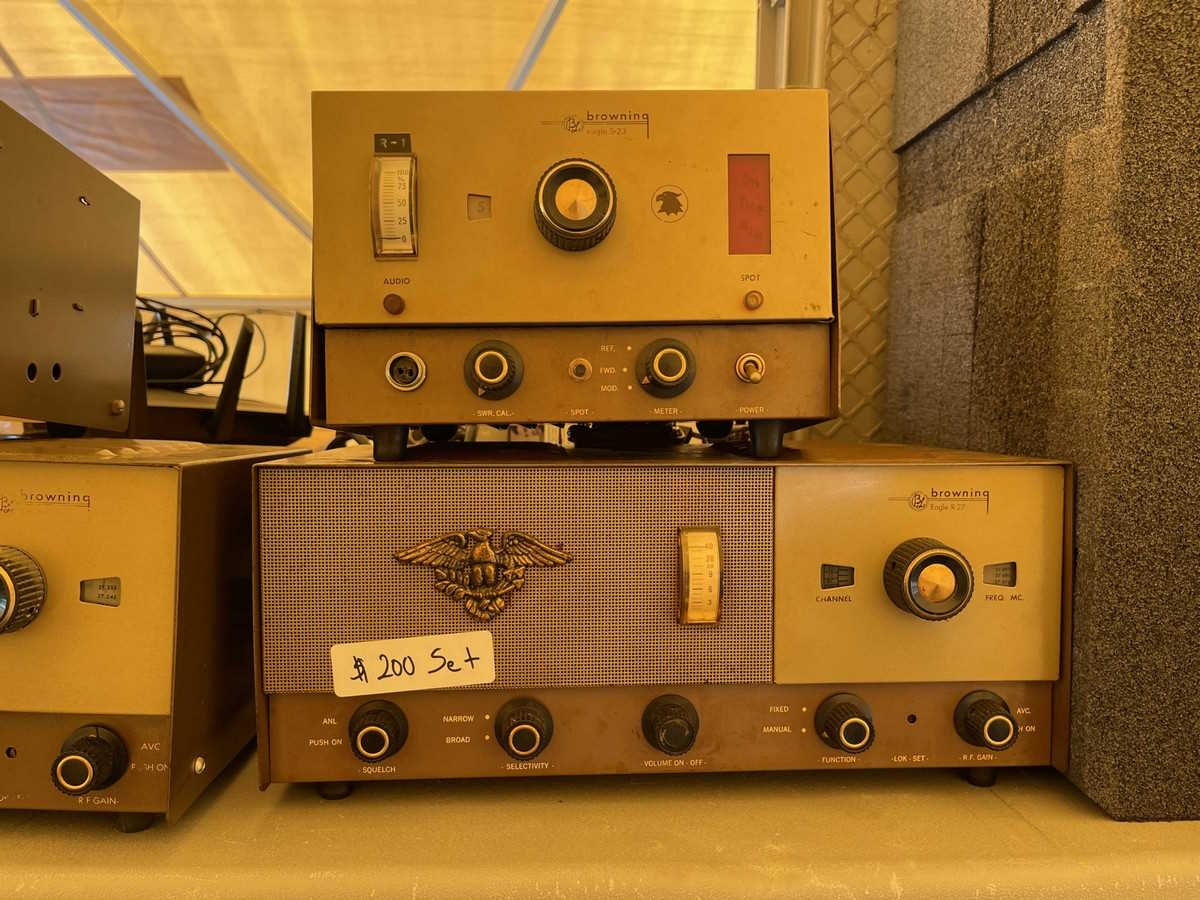
A Browning Eagle.
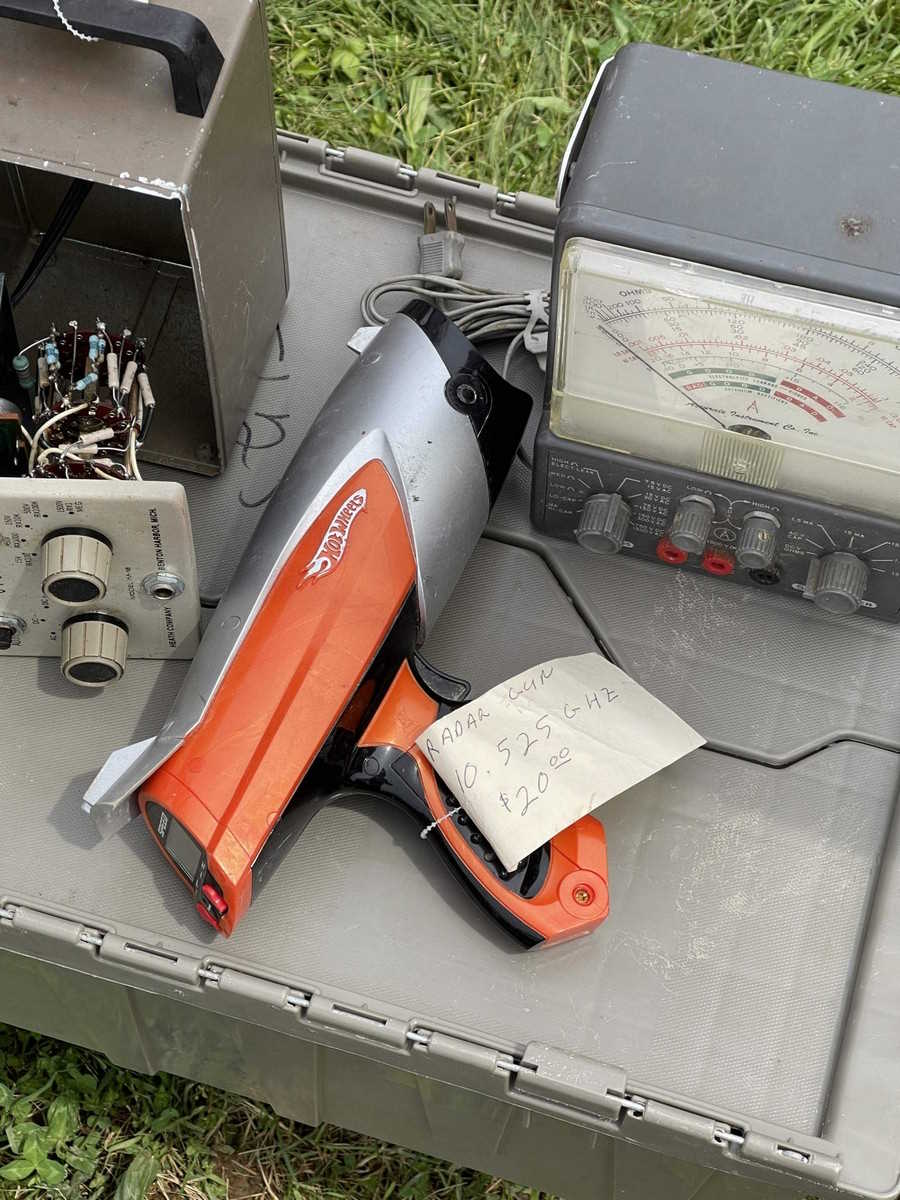
A Hot Wheels Radar gun.
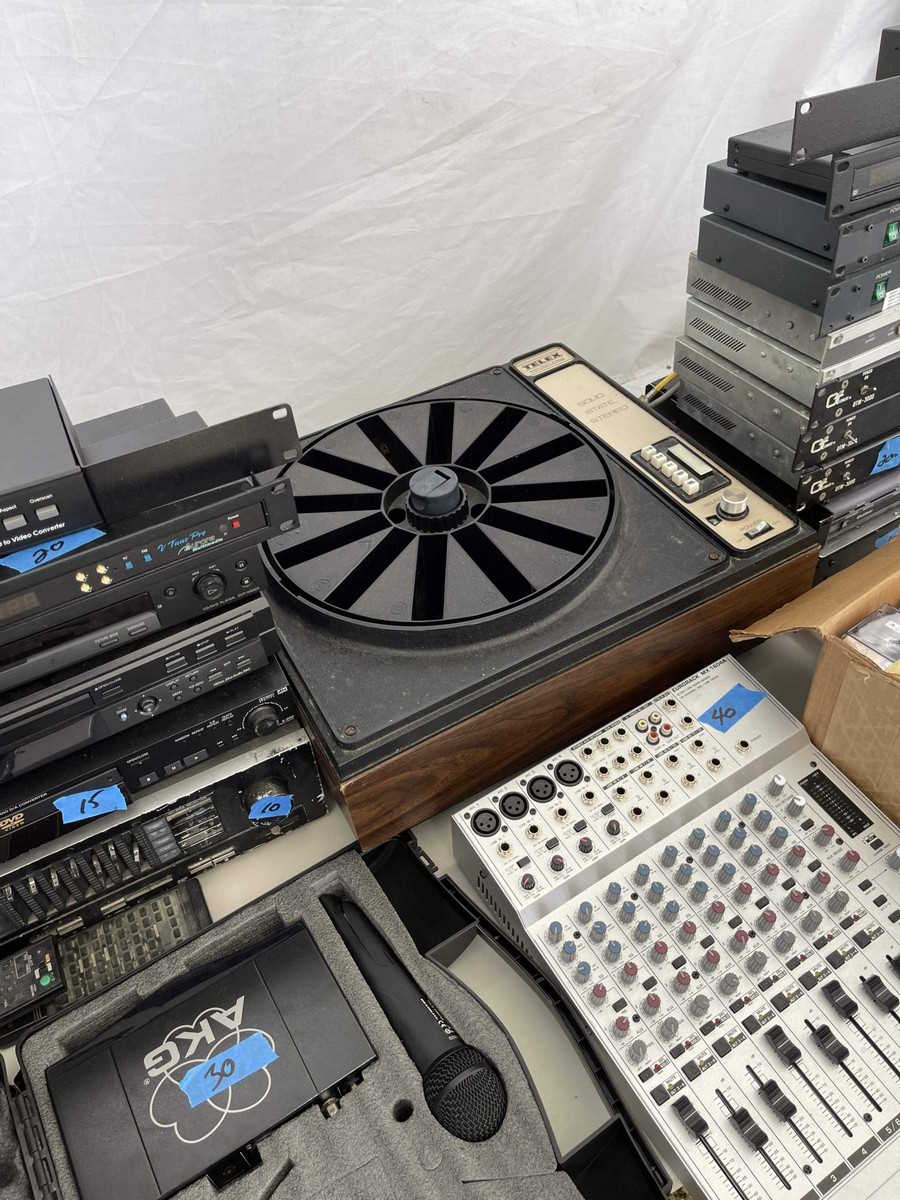
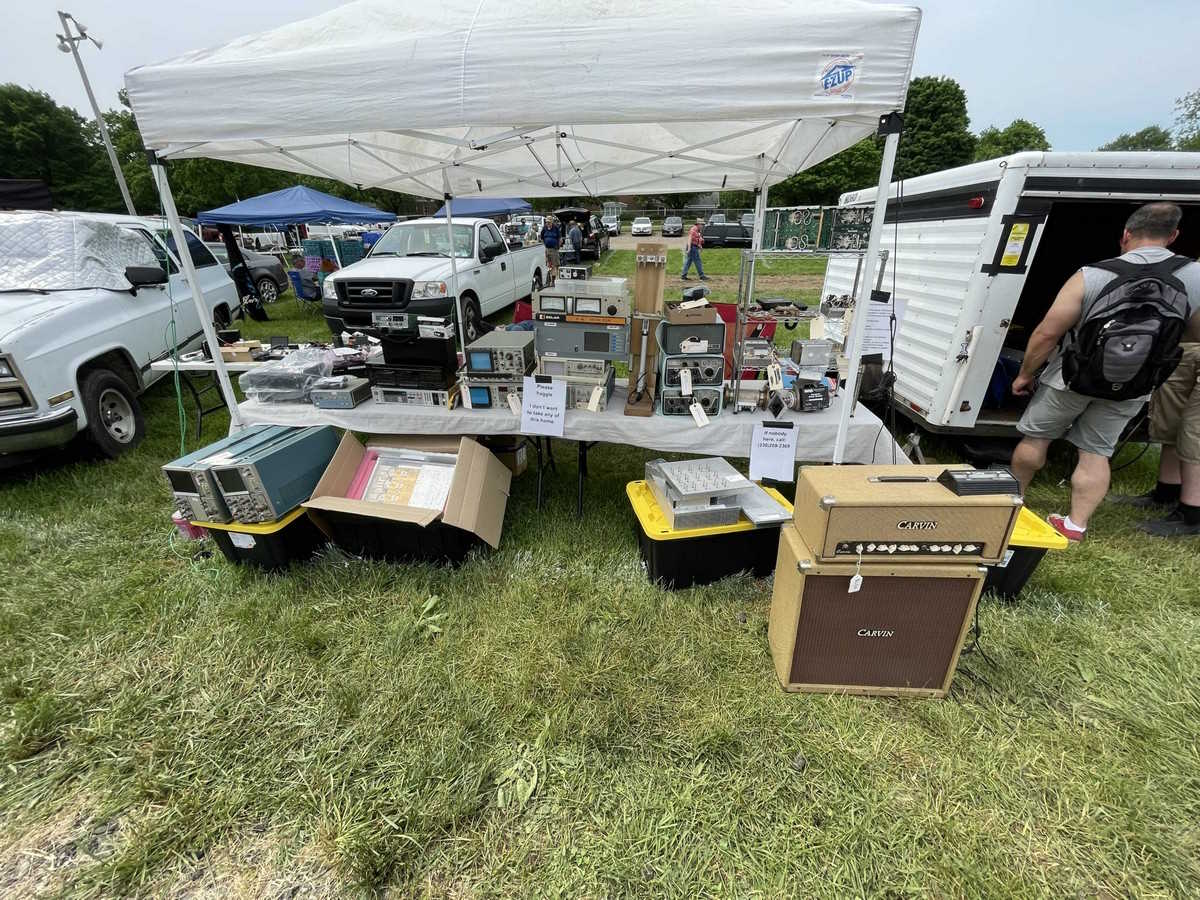
Audio equipment. My EAS-1 came from here.
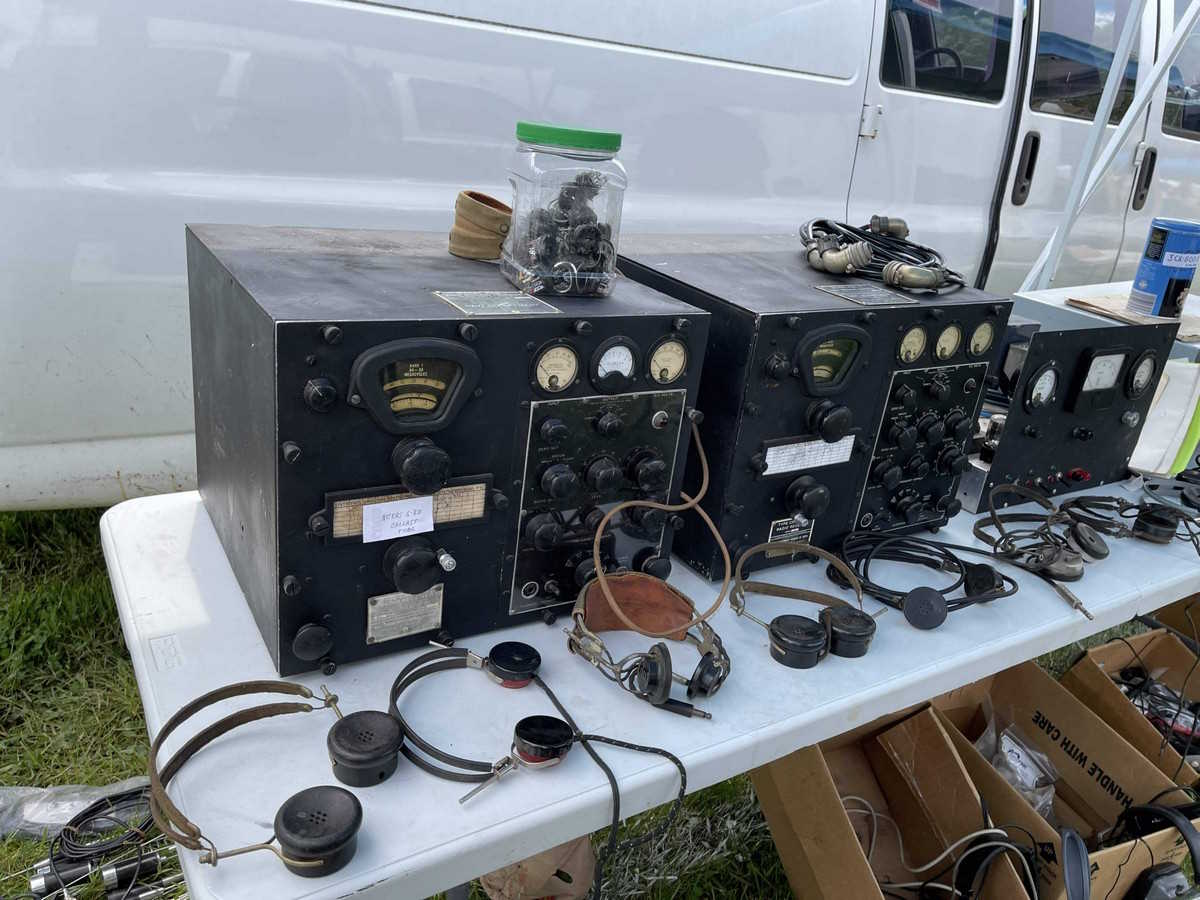
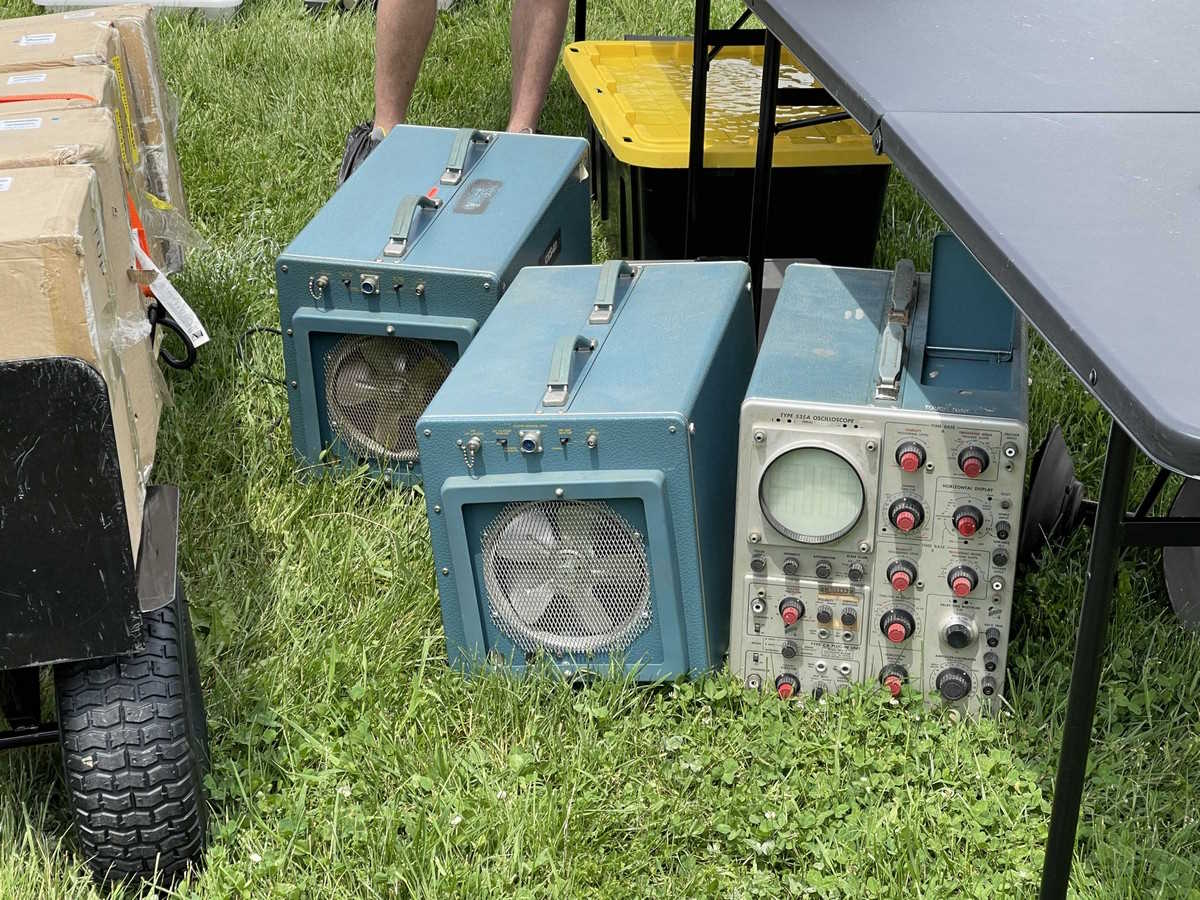
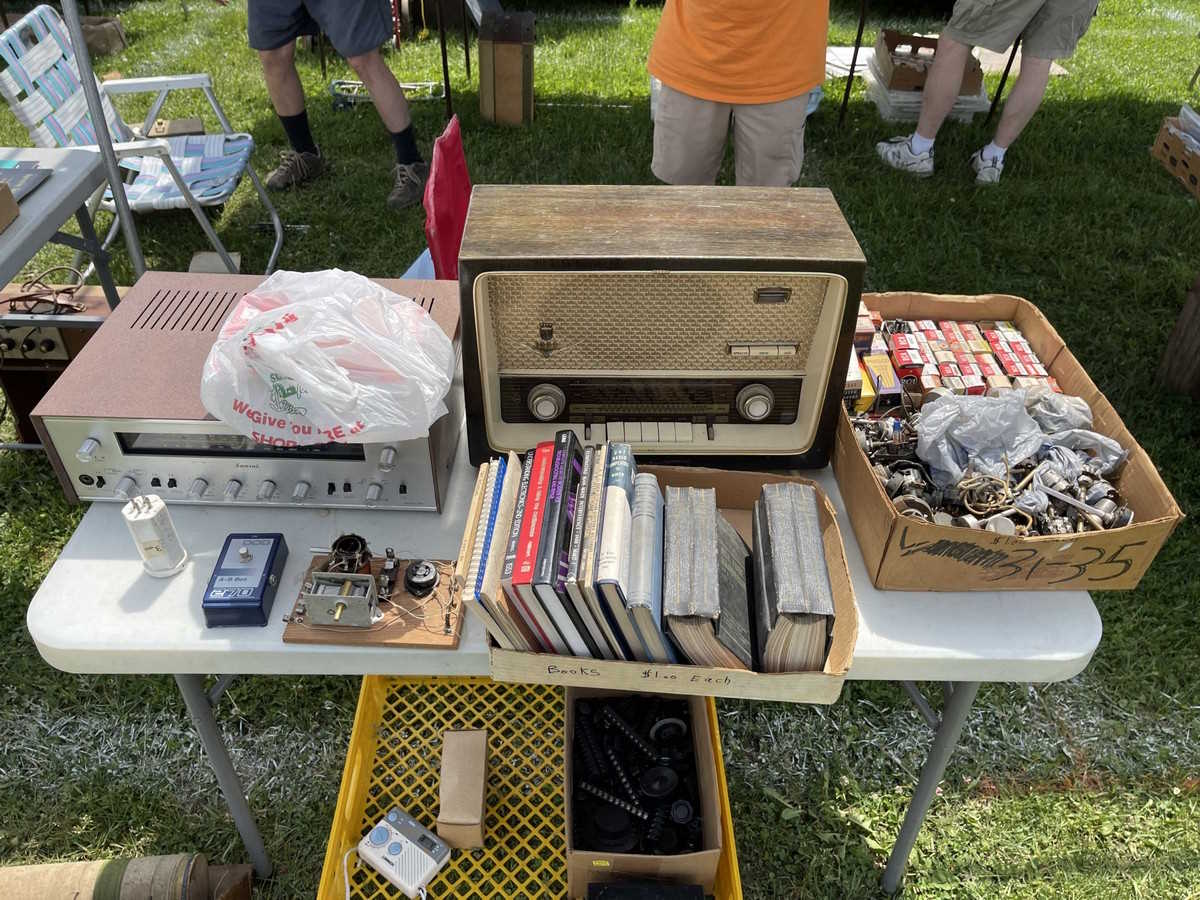
Old radio equipment was in supply.
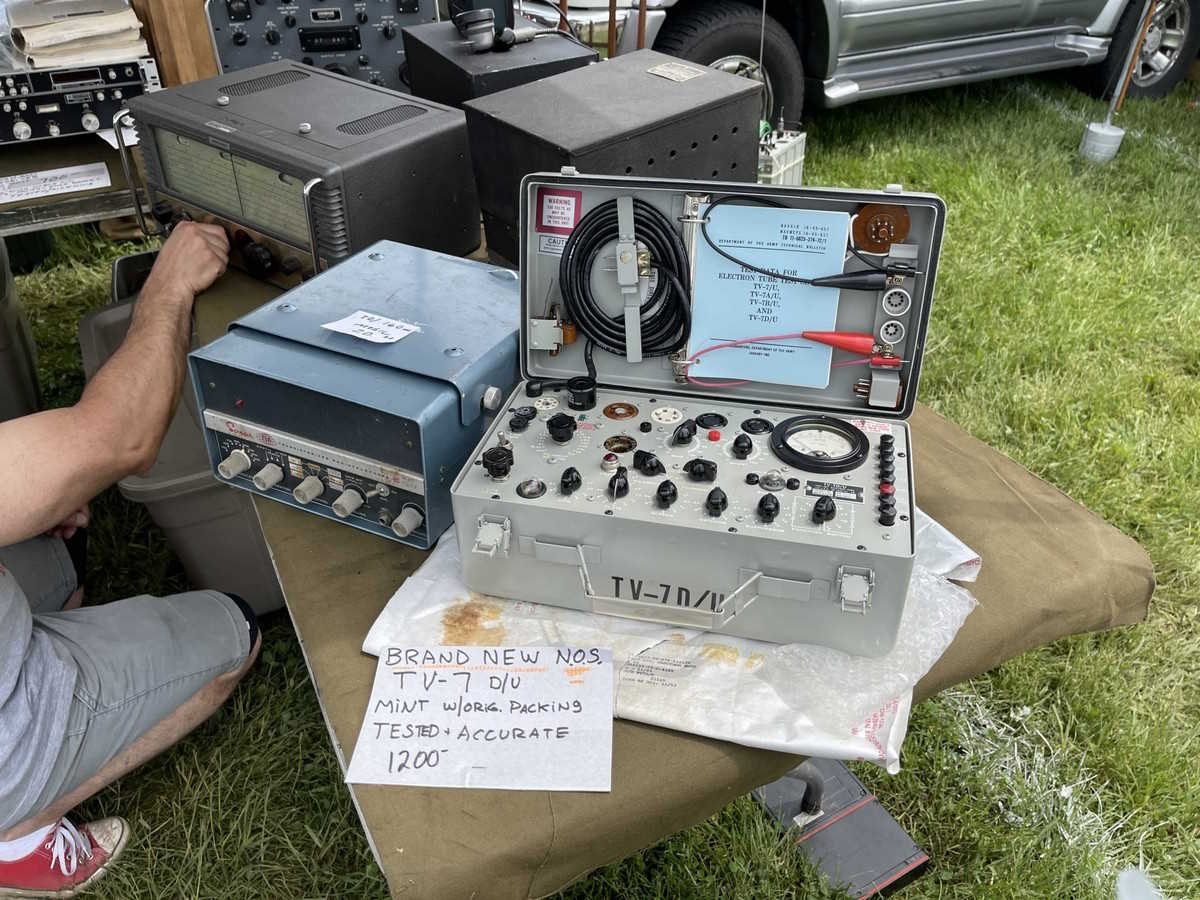
A NOS TV-7D/U Tube Tester. $1200.00…..
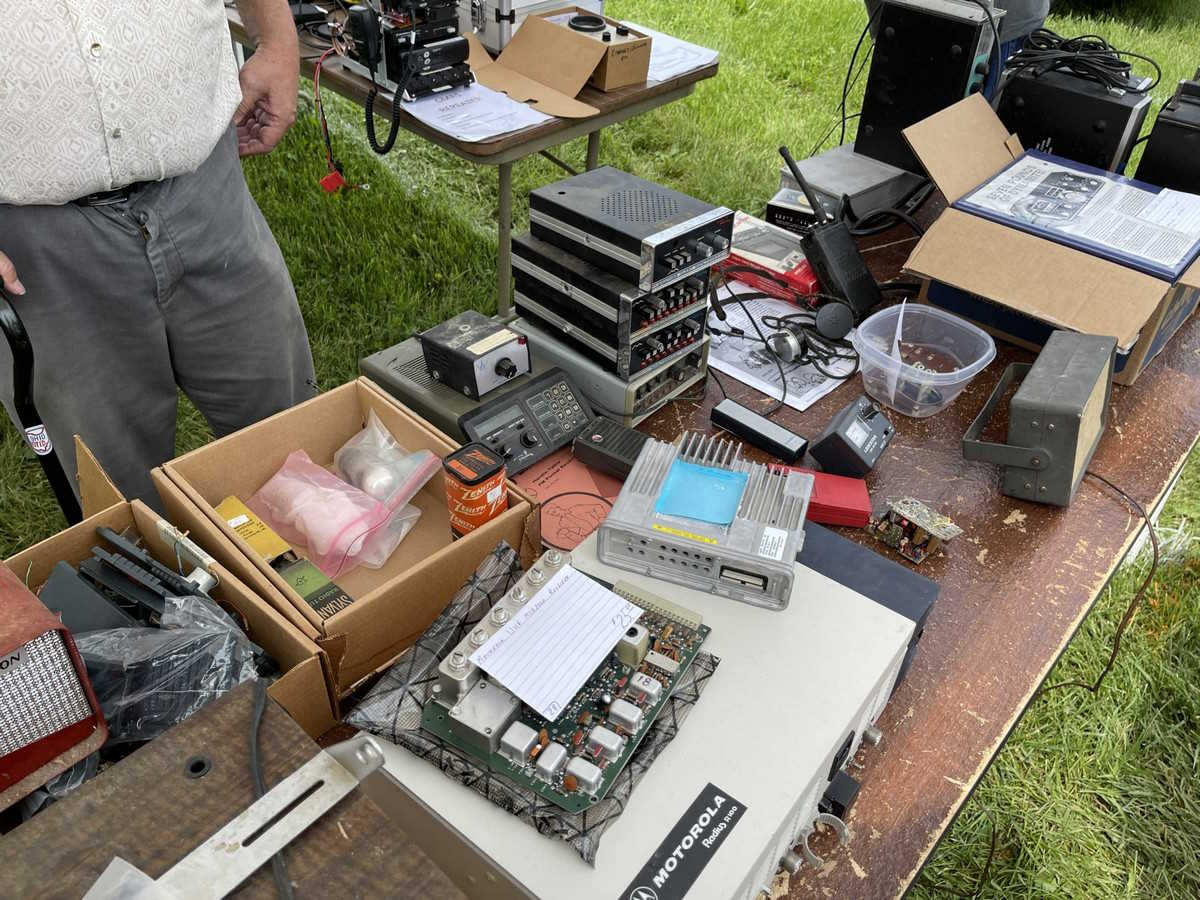
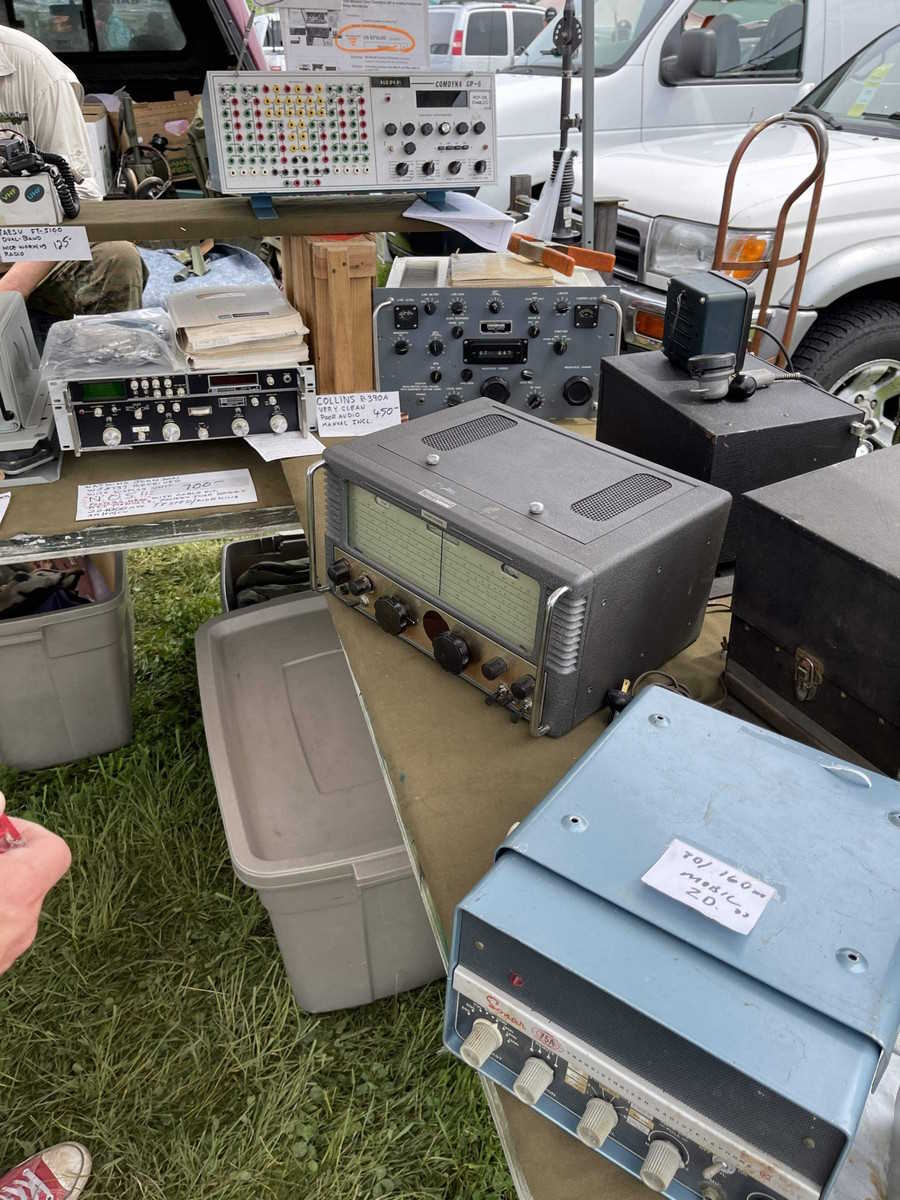
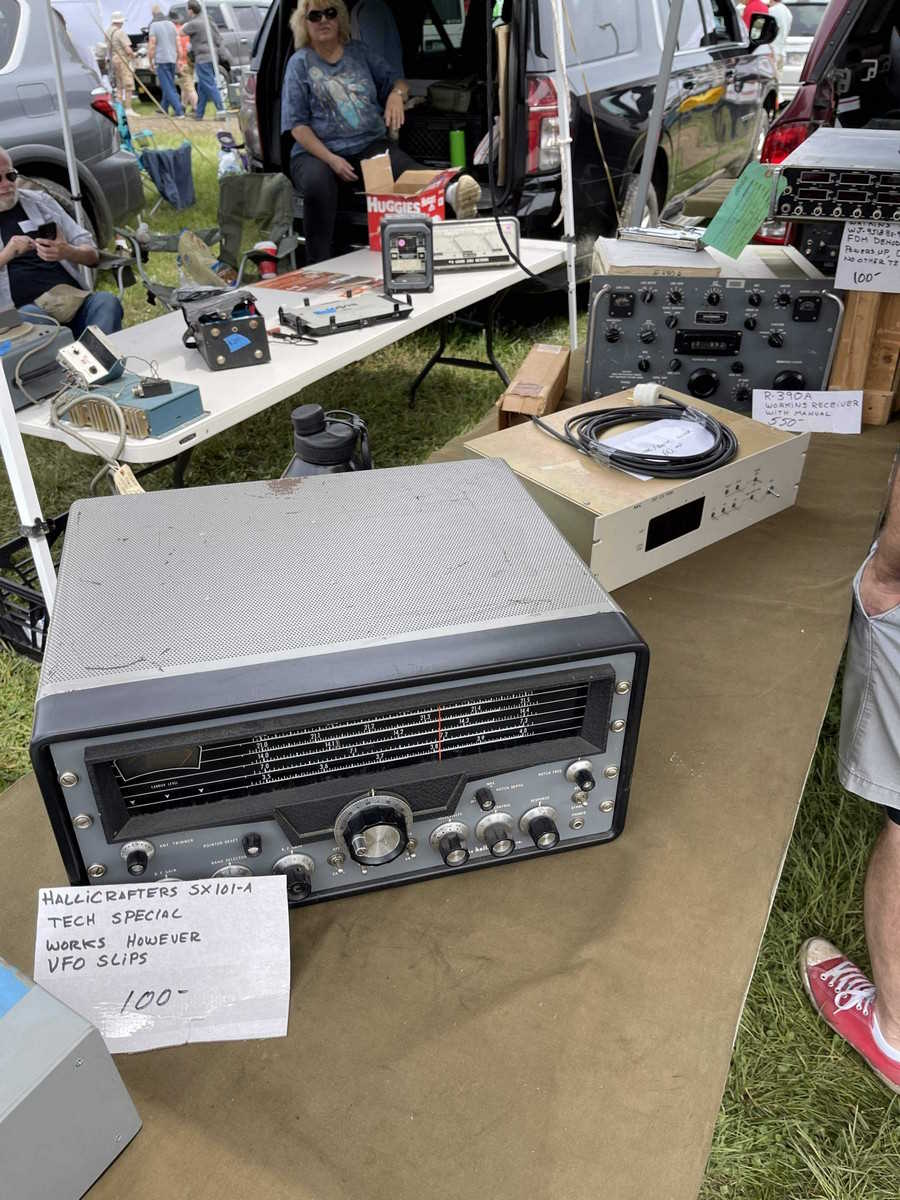
Radios…radios everywhere.
Said to be the best use for these by the vendor.
My friend bought the broadcast clock in the middle.
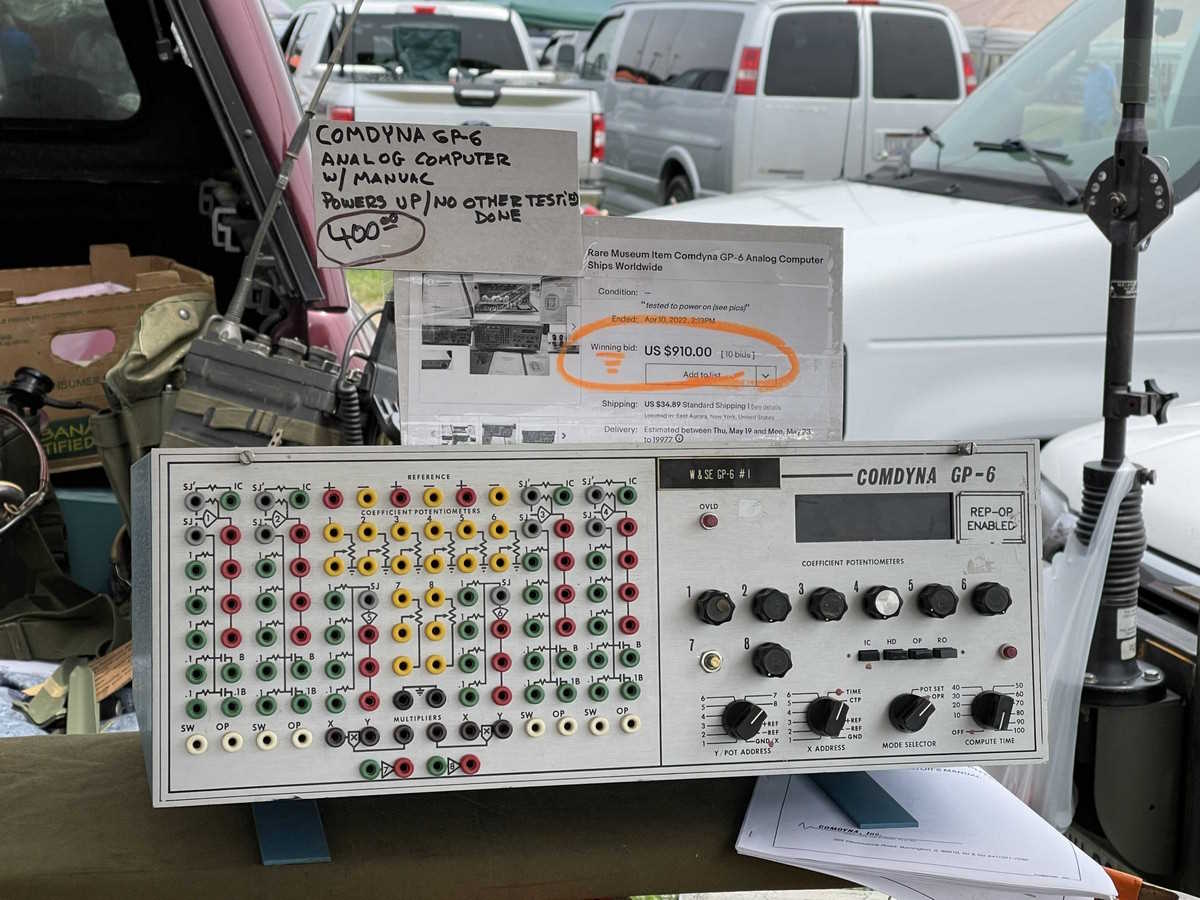
An analog computer.
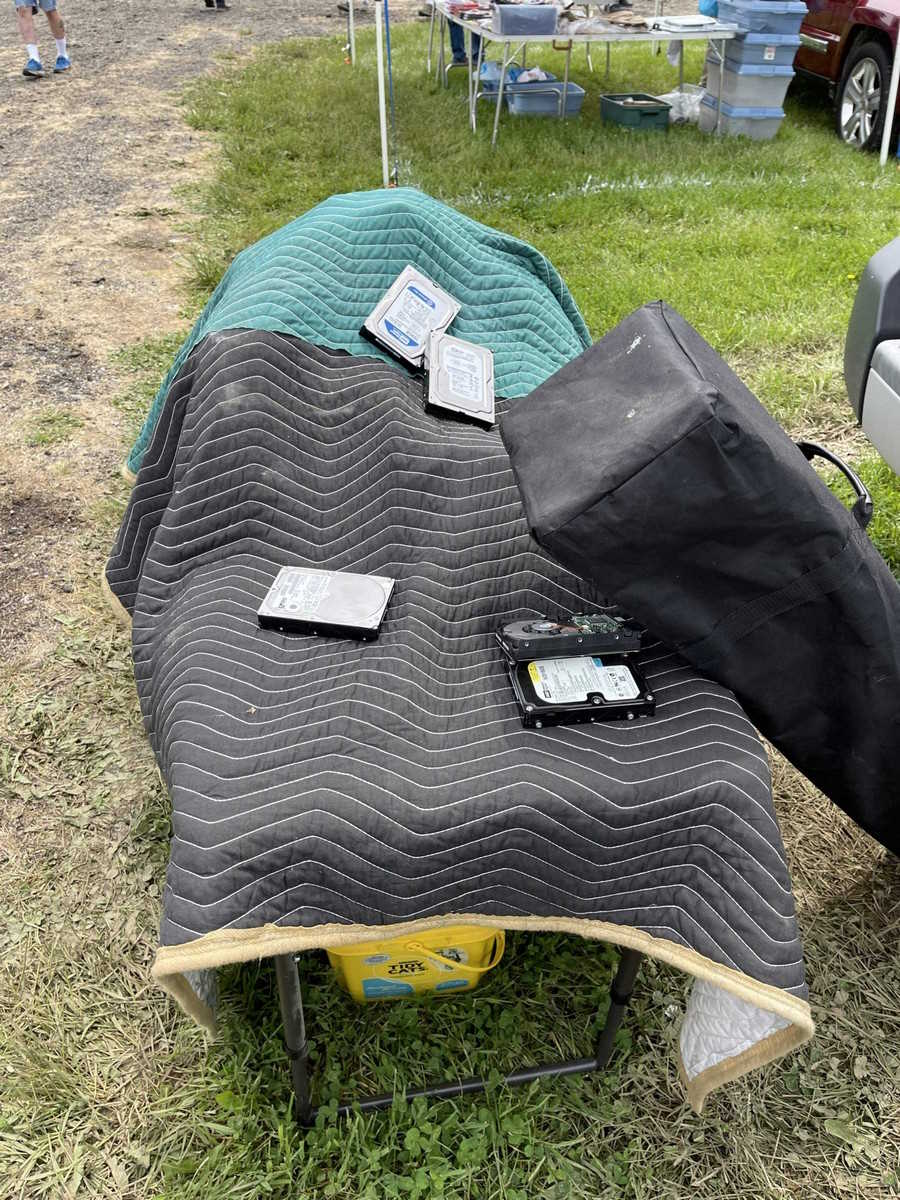
The only use for old hard drives.
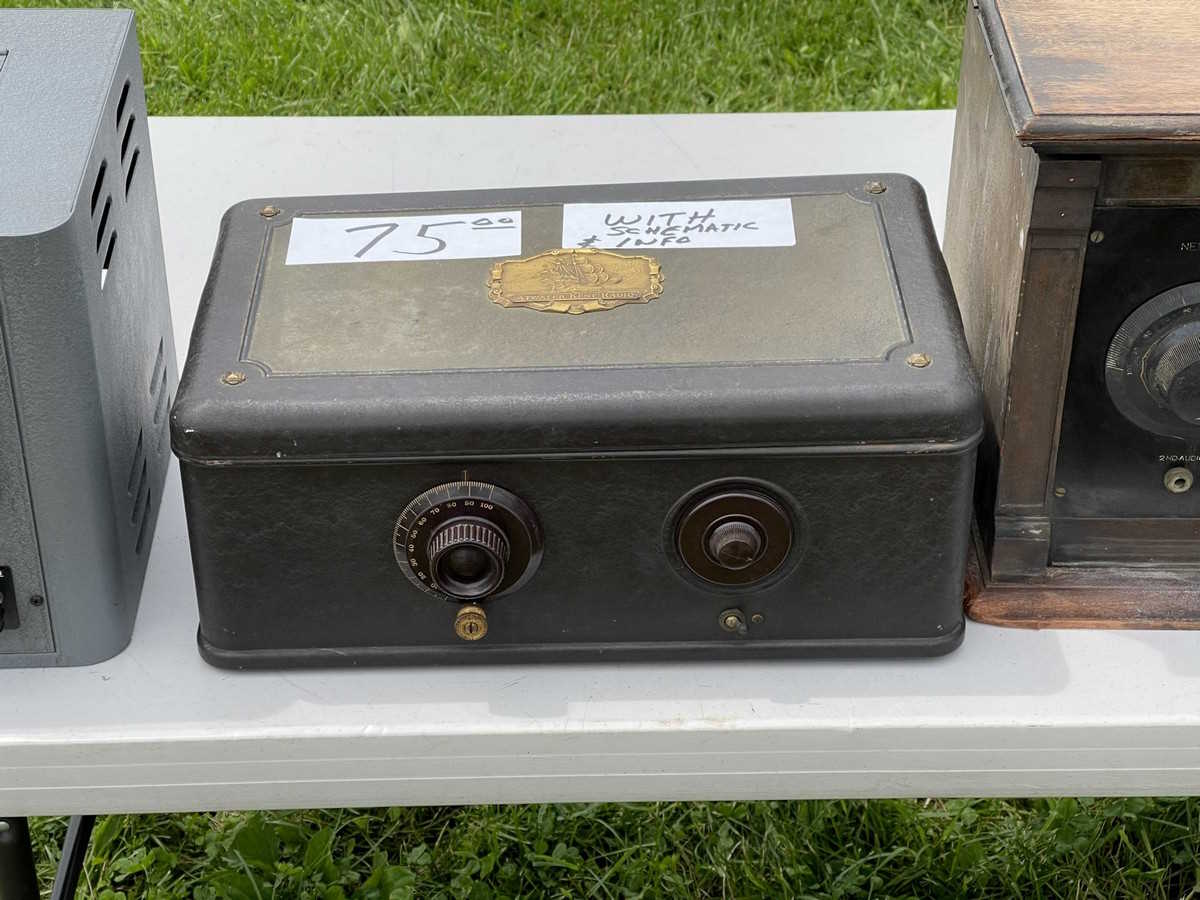
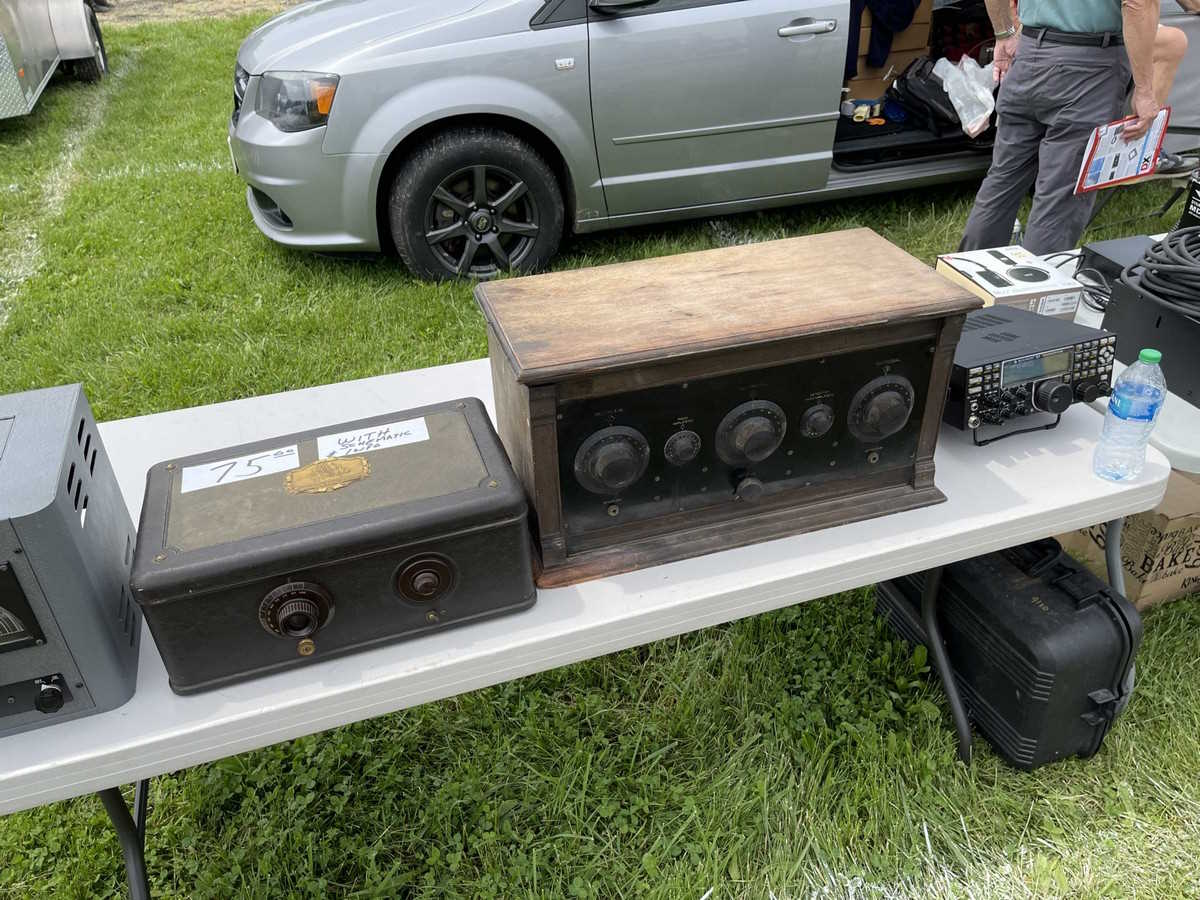
An Atwater-Kent radio with their lovely ship logo.
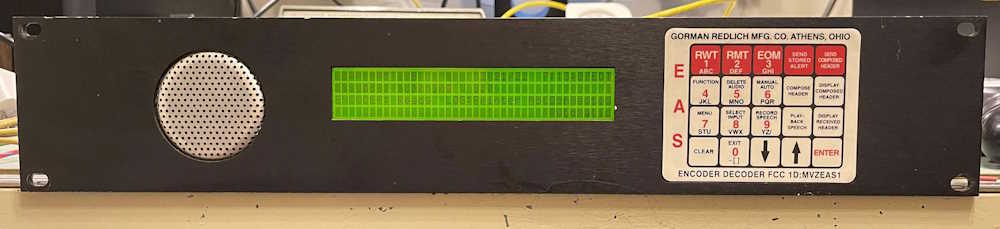
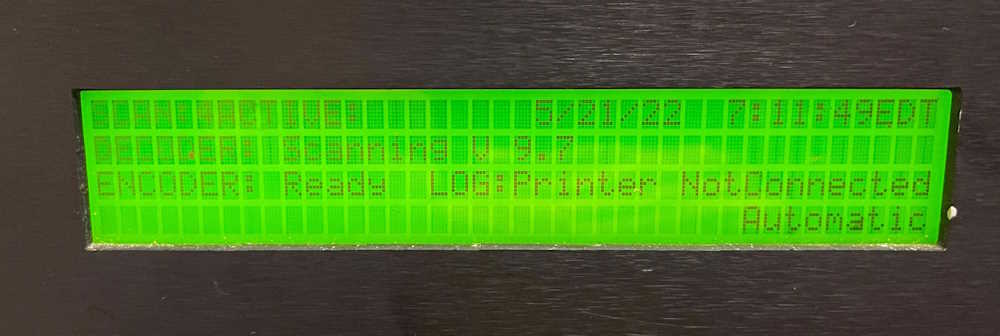
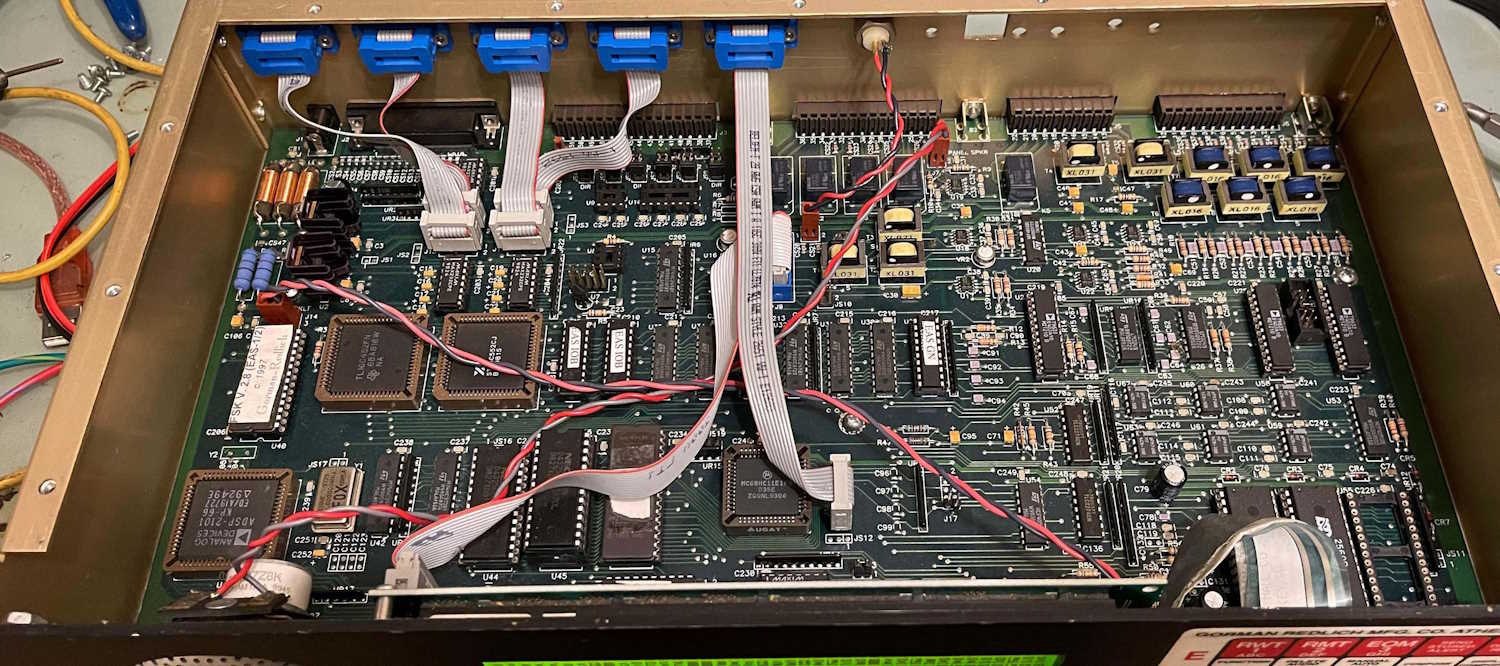
My one “big” purchase from Dayton this year, this EAS (Emergency Alert System) decoder was designed for the broadcast industry. It listens to terrestrial radio for the SAME data burst that indicates some agency (such as NOAA) has issued an alert.
This device is capable of spitting out decoded text, audio, or other formats useful for the broadcast industry, but it also has serial outputs. I plan on using this device in conjunction with a Pi that listens on a serial port, and takes the decoded text and emails it to interested parties. It’s a bit overkill, but I like being able to do this myself and not rely on someone else’s connection.
What really makes this device unique is that it was made here in the USA, is still being made, and is made by a company that’s based right here in Ohio. It’s fully supported and all data is downloadable. As soon as I can get it programmed and get a few sources for it to listen to, it goes into service.
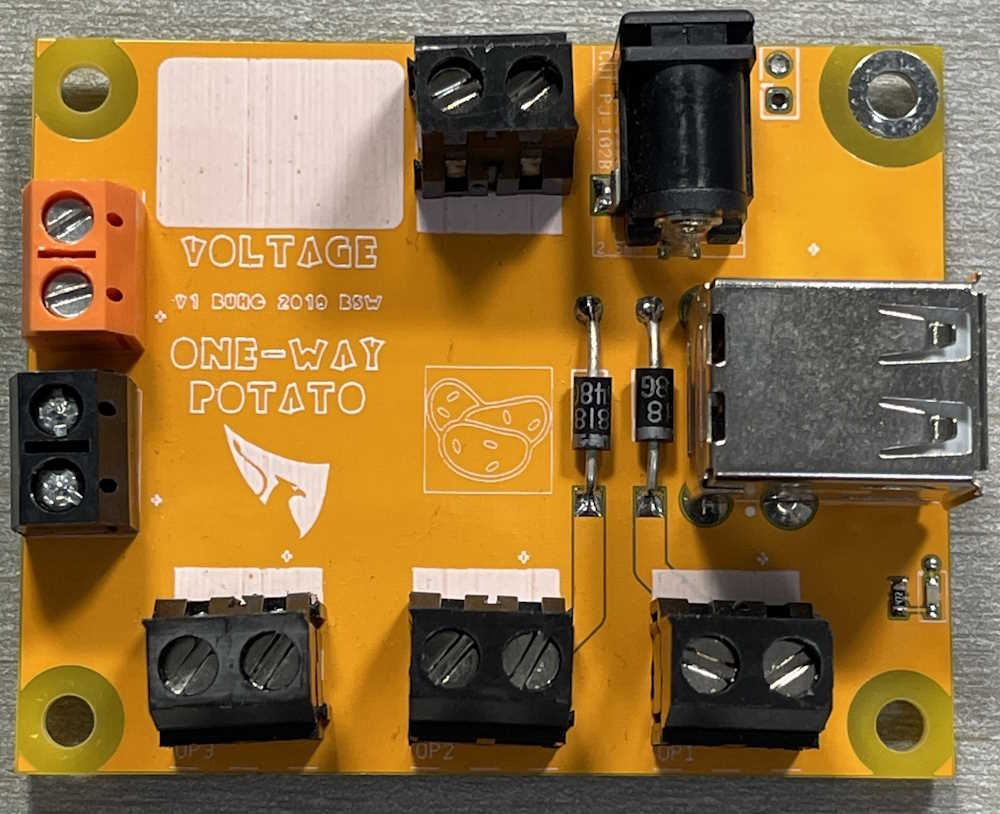
I was laying out a power distribution board and happened to show the render to someone. They said “That’s a real potato of a board.” Thus, the line of “Power Potato” boards was born. I was even able to find a “Potato Block Letter” font to complete the tuber theme.