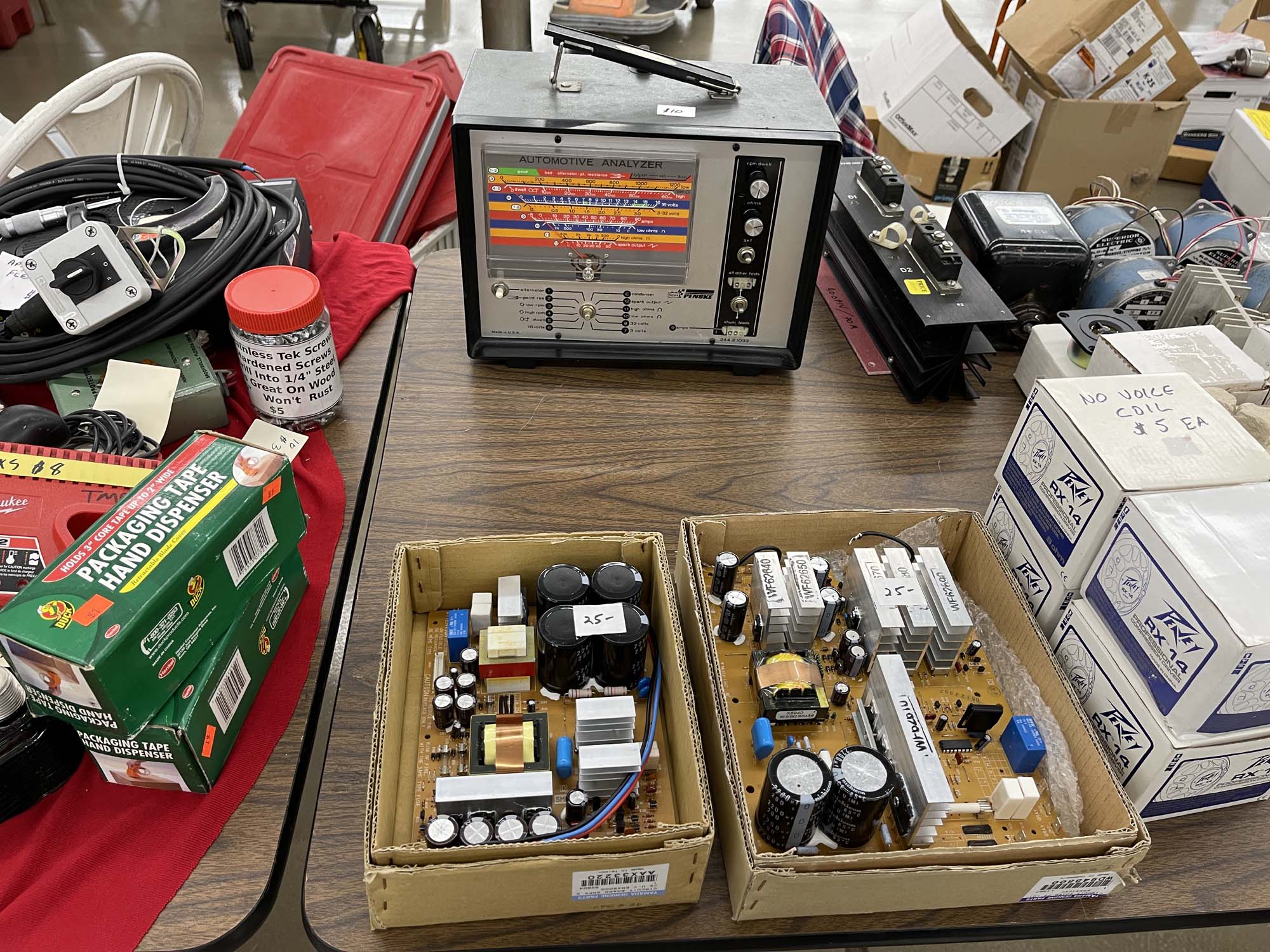
I tried to limit myself to Small Things this year, and not drag home any projects. I almost succeeded!
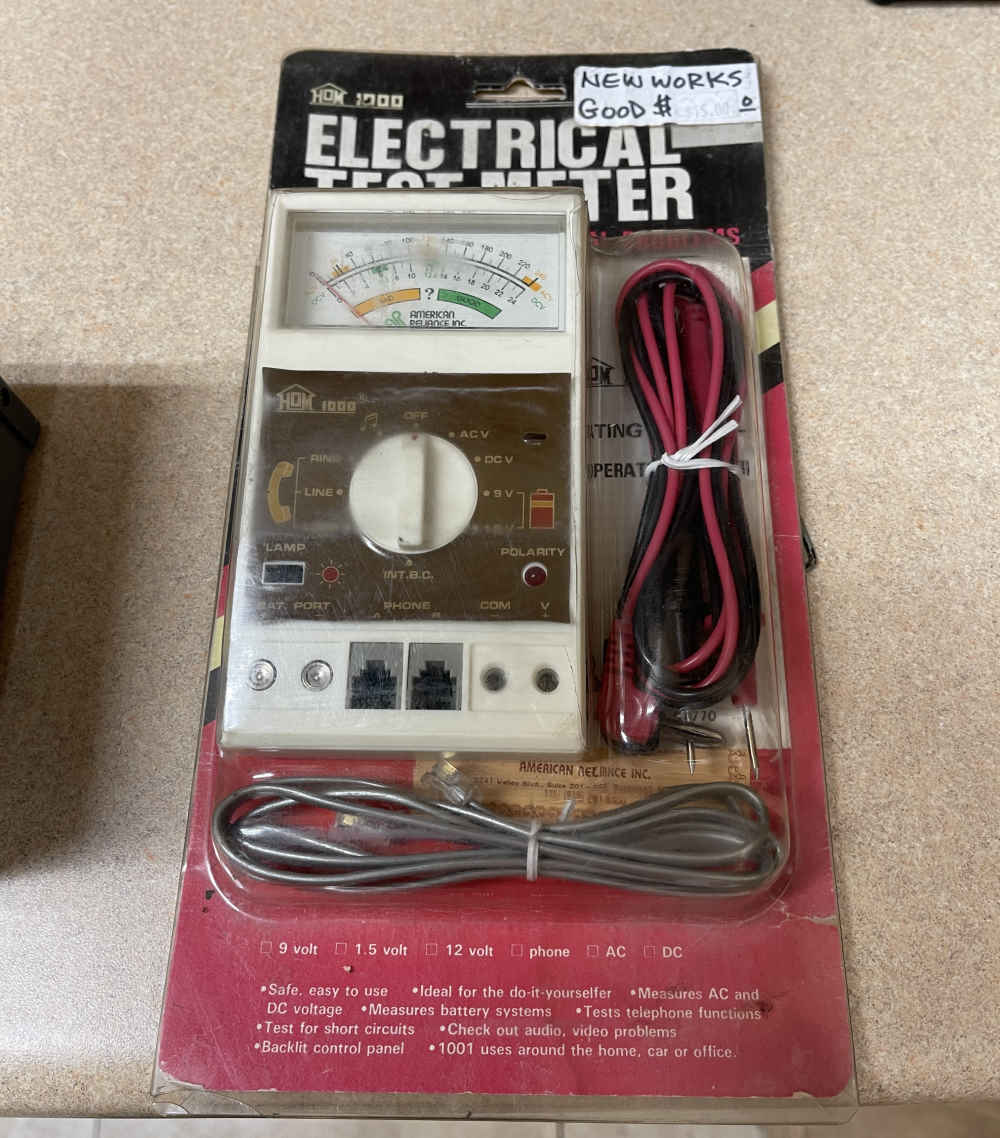
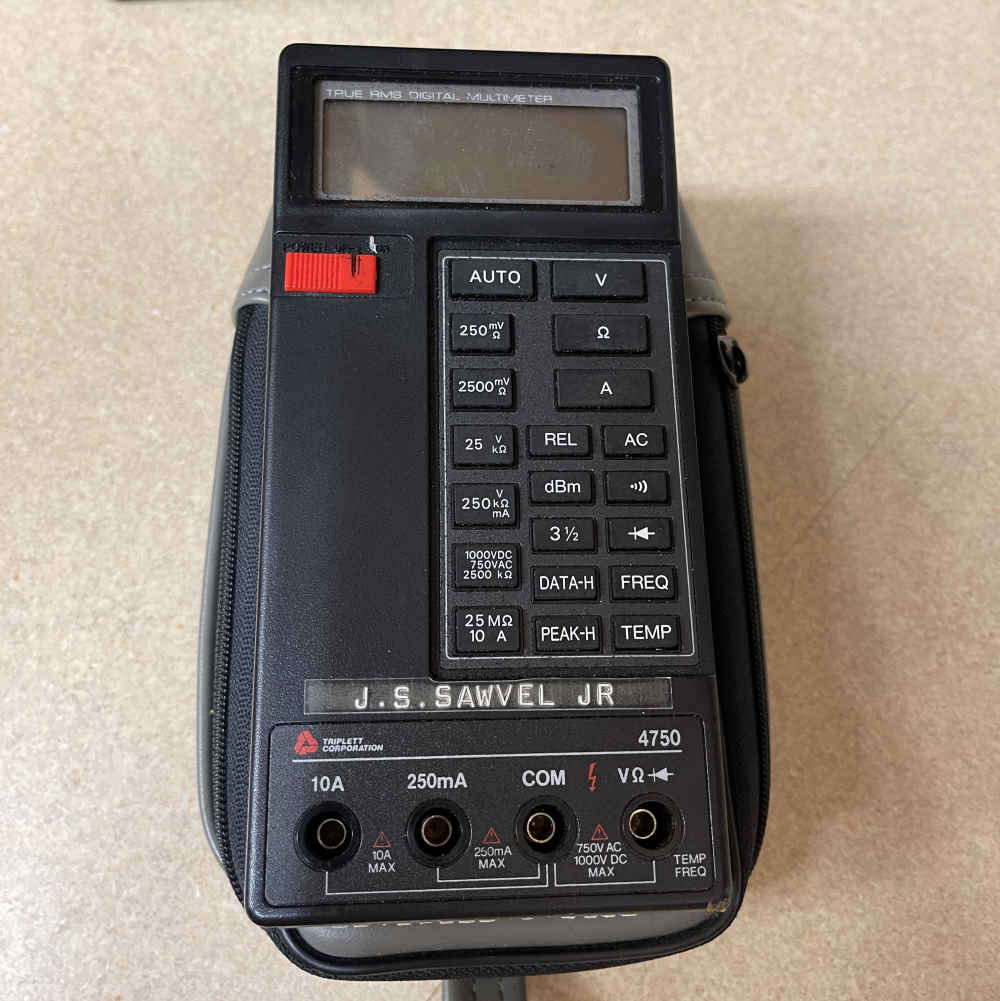
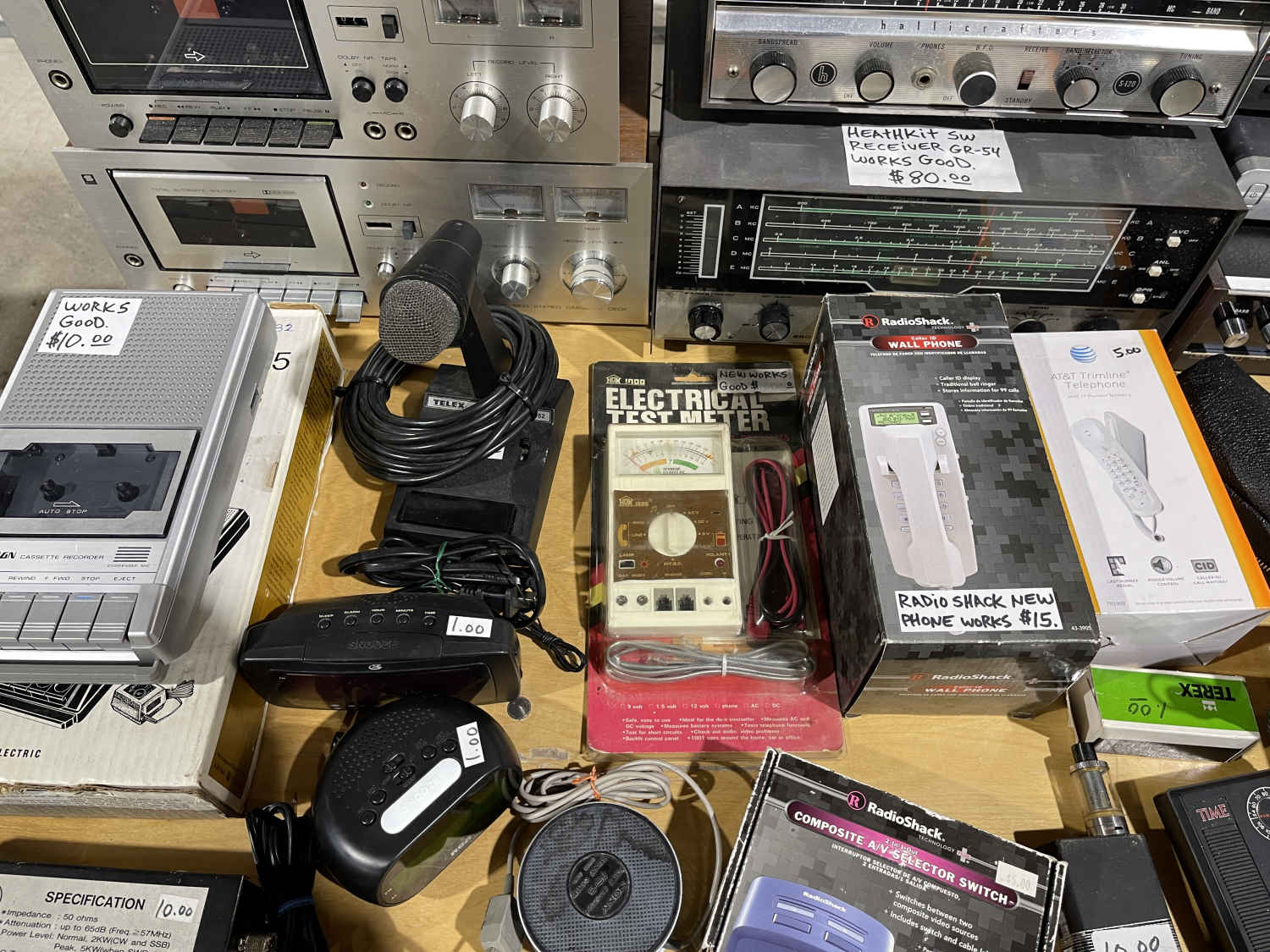
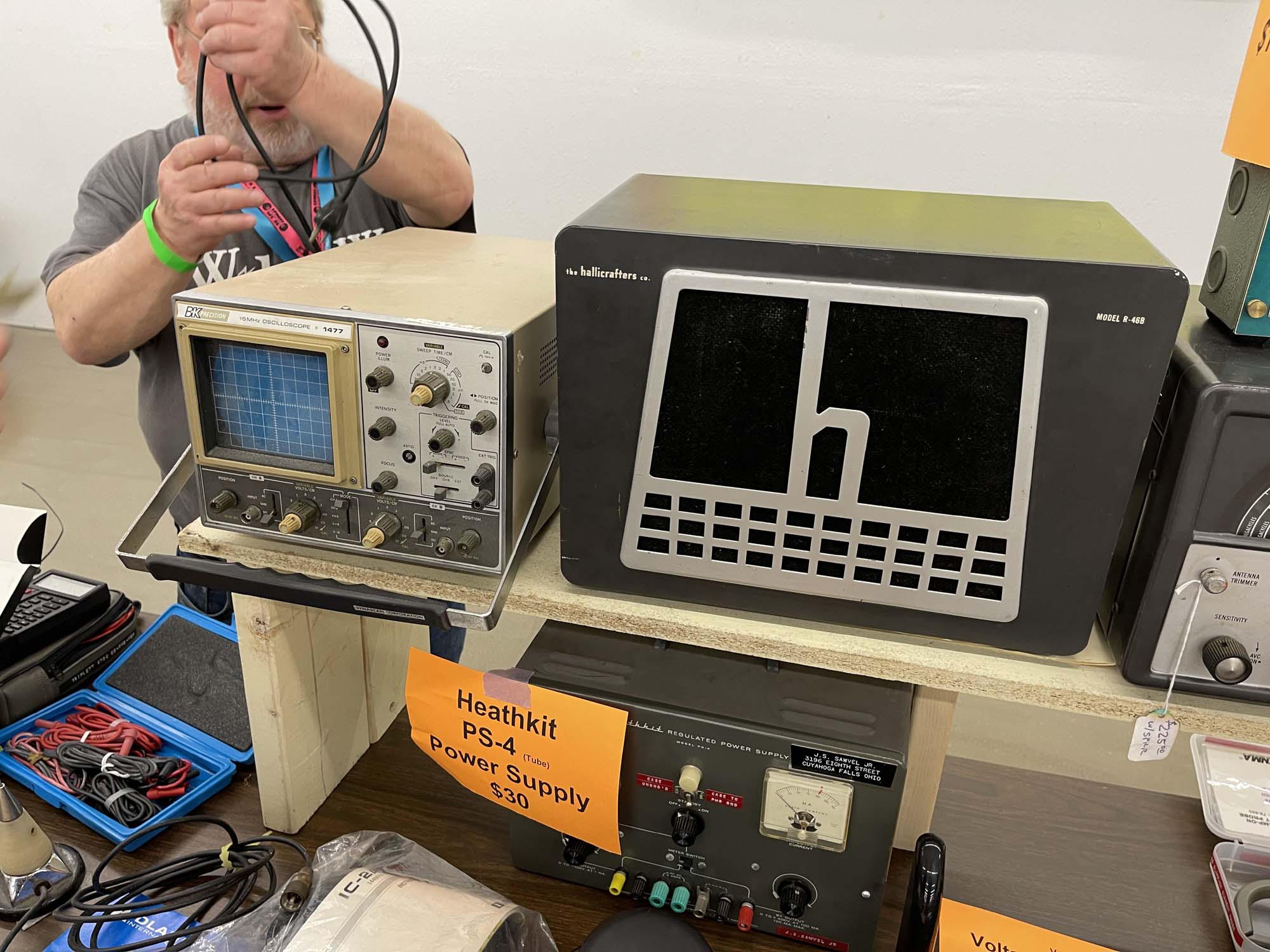
The meters are of particular note, one was an old, old, old unit with a telephone test jack on it. I occasionally have need to test single-line analog jacks, so I offered the guy $10 for it and he took it. The other meter, an Ohio-made Triplett, was a beast of a unit costing $200 when new in 1992. It’s loaded with functions, and has internal relays to isolate and switch inputs. Quite unusual and cool.
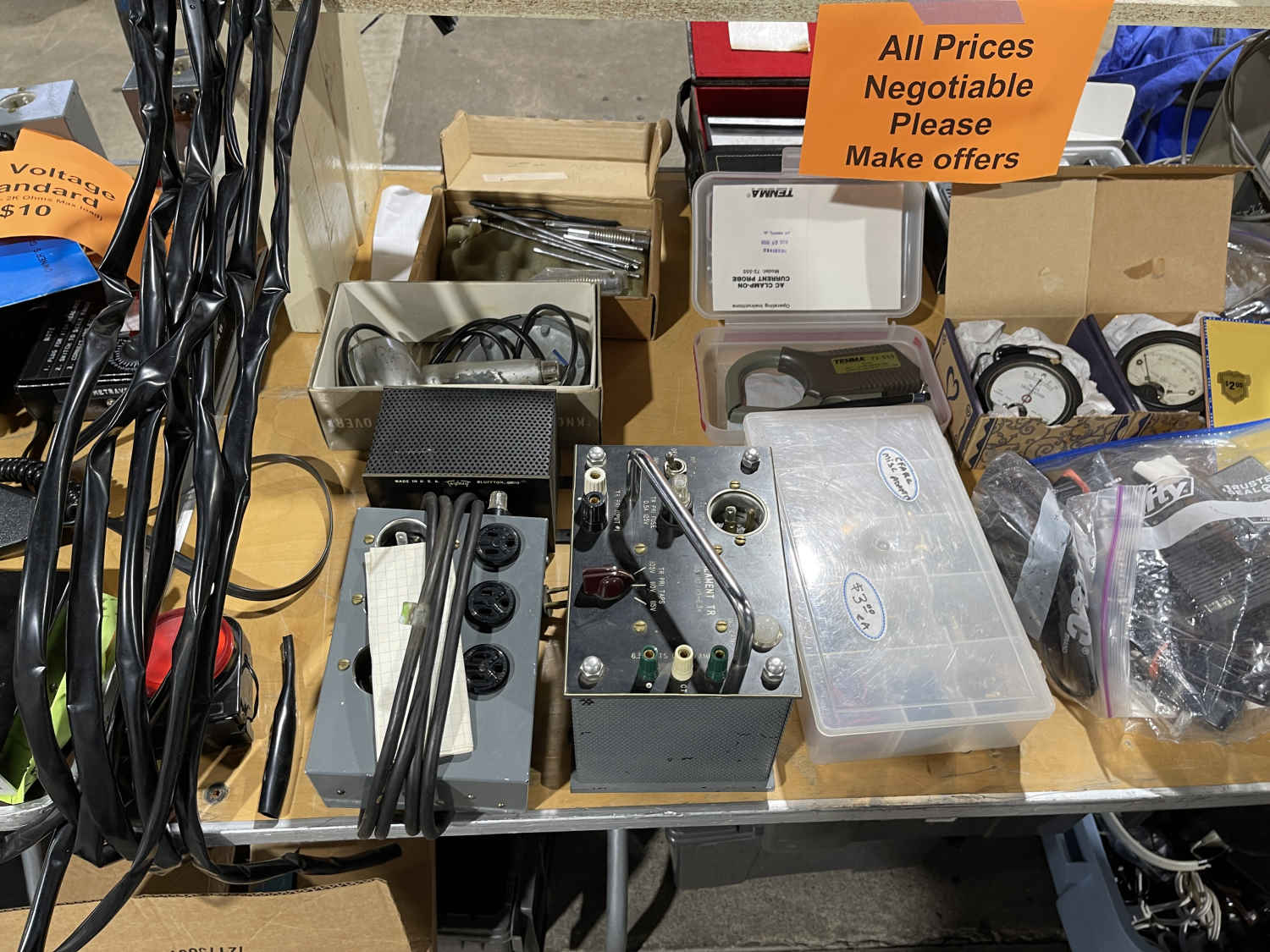
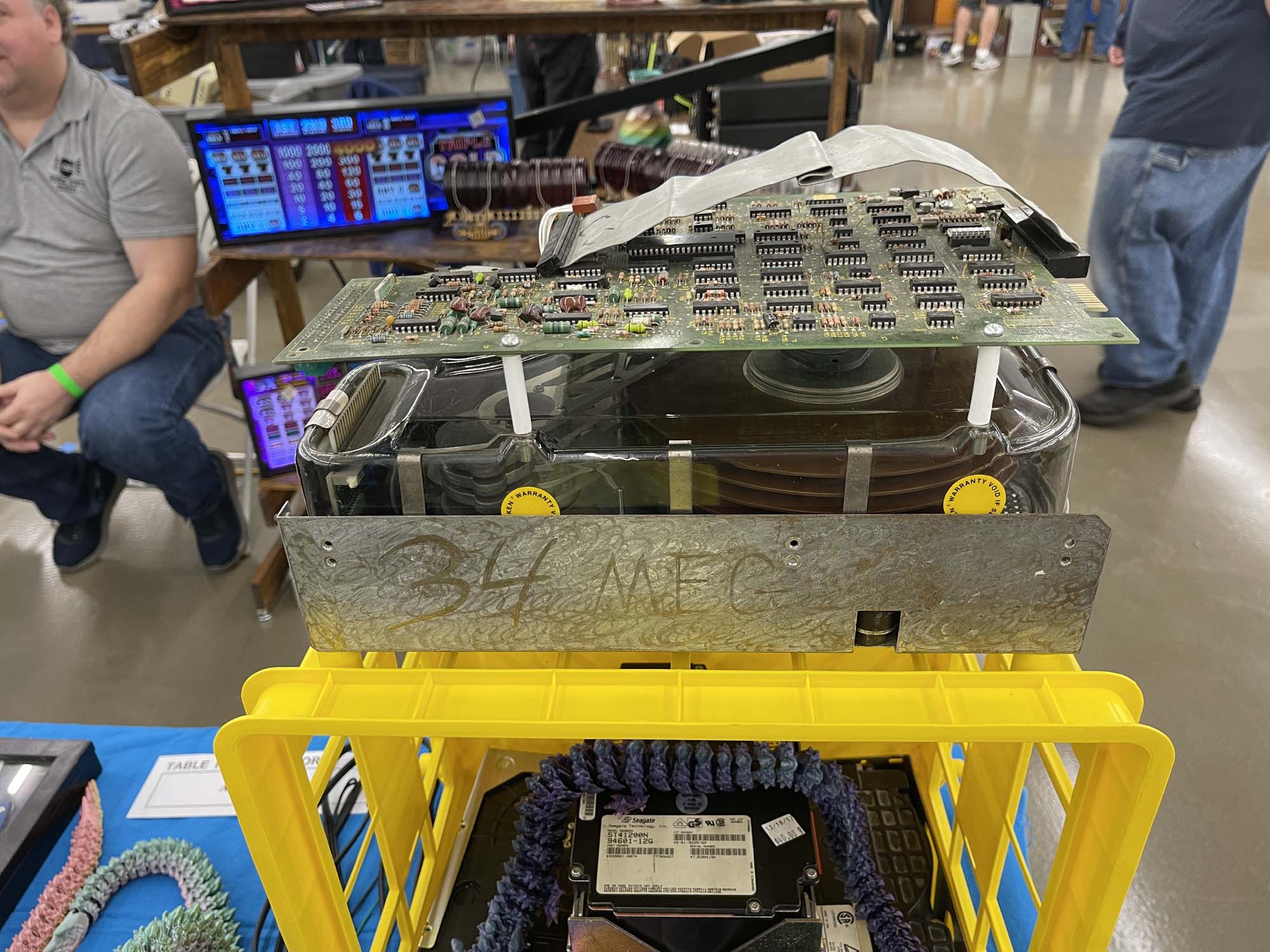
The other items were simply parts, unusual test equipment, or books. Not pictured are some RCA tube manuals I picked up for $5 each. You’ve seen those before.
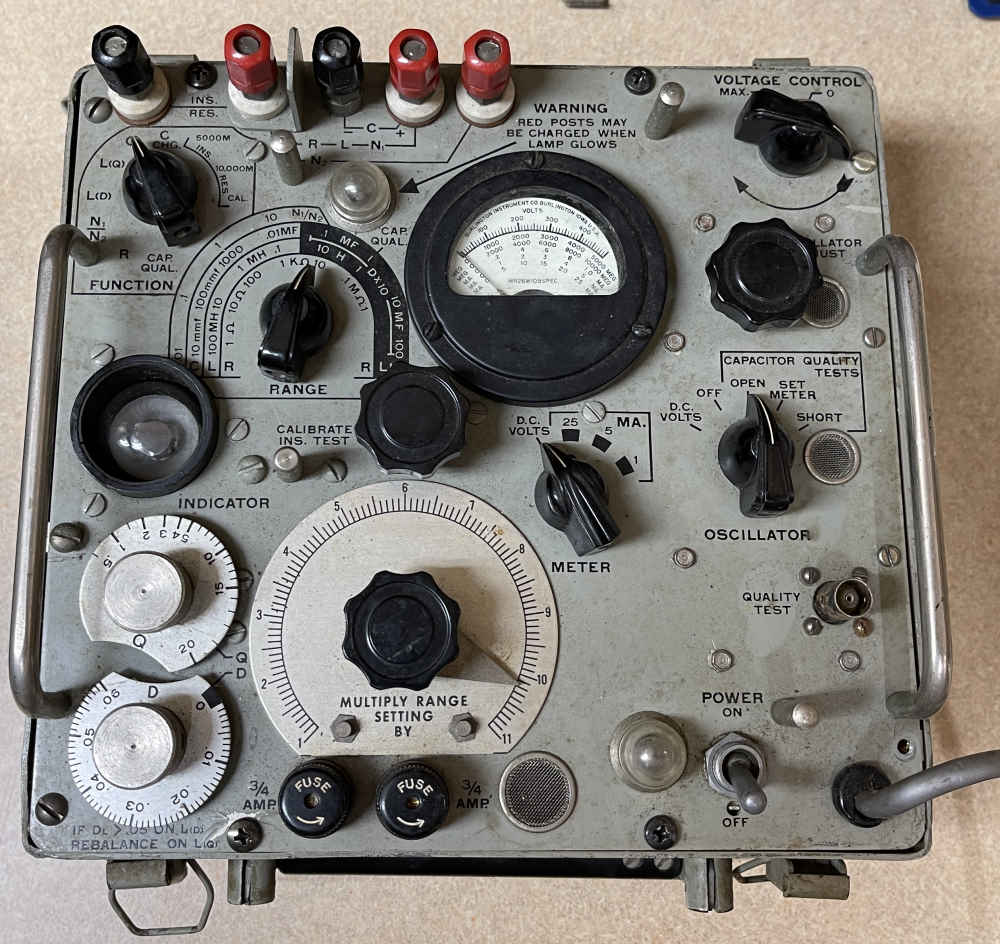
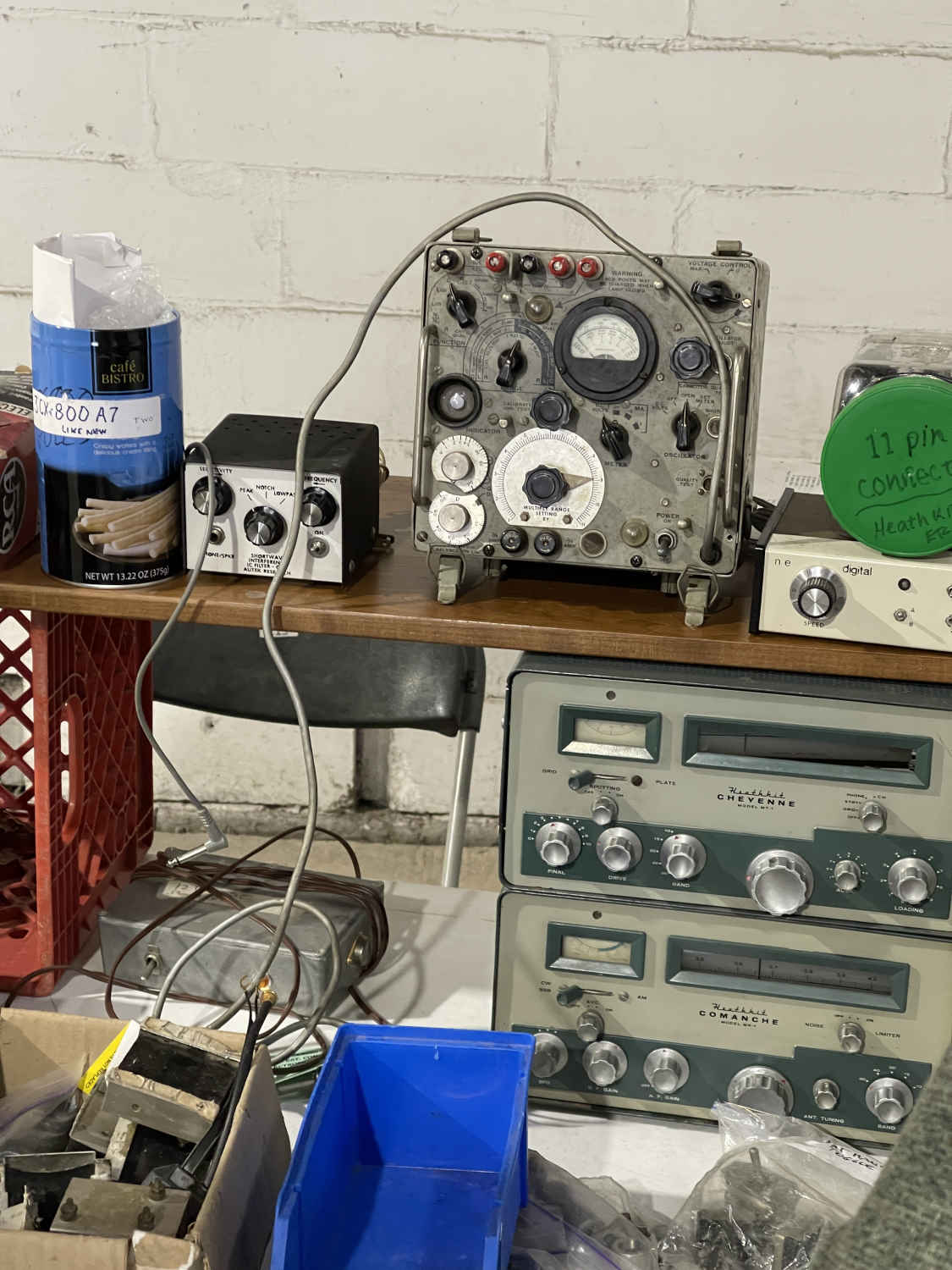
The ZM-11/U - this is an interesting piece of equipment. It’s a fairly precise bridge for checking capacitors and inductors, and uses an eye tube as an aid to the relative quality of the device under test. It’s in pretty good shape physically, a few dents and dings and one broken bail on a clip.
Electrically, the vendor said that it worked (and it all lights up,) but that the internal 1Khz source was dead. Feed it an external precision source and it’s fine. I’m planning on digging into this device at some point, it needs a cord and some minor cleanup. I’ve already removed the line cord as it was in bad shape. When I get to it, that will be it’s own post.
Next up is Dayton on the 19th of May, but until then, enjoy the pictures!
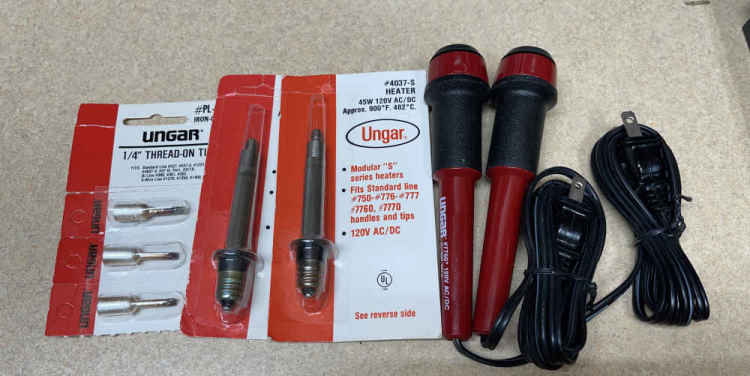
Some older-style threaded soldering iron parts.
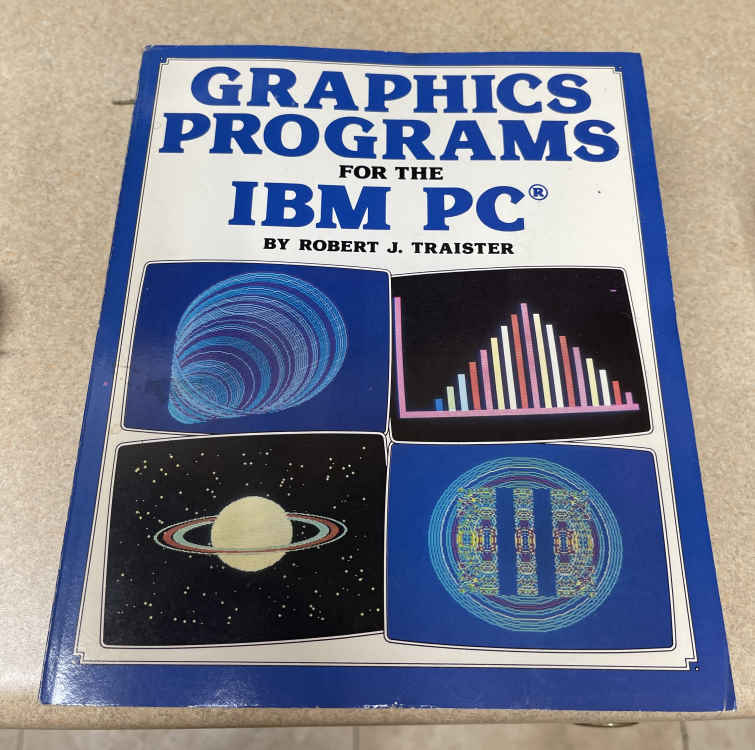
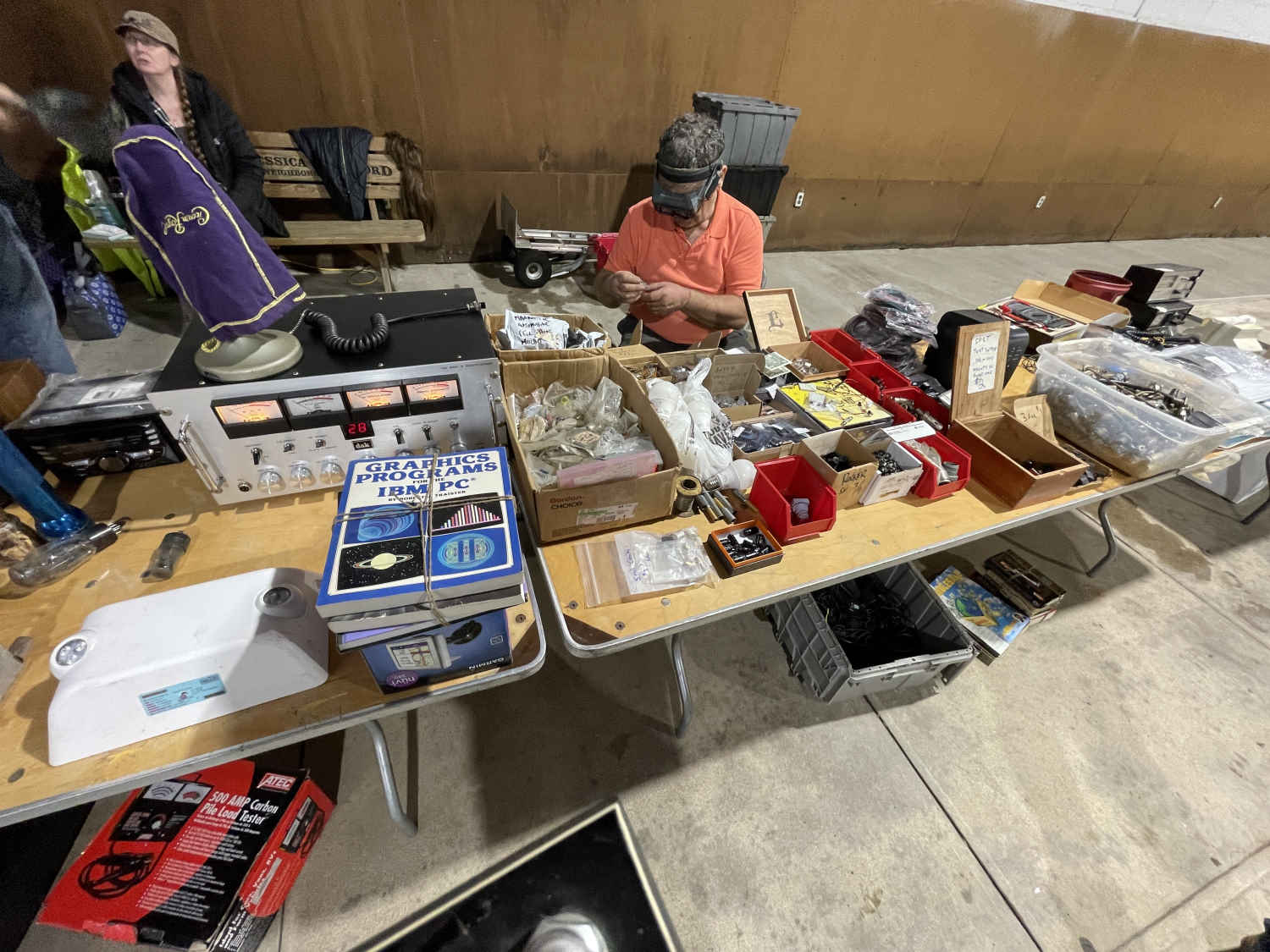
A stack of IBM-PC related books from the 80s. From TAB of course…
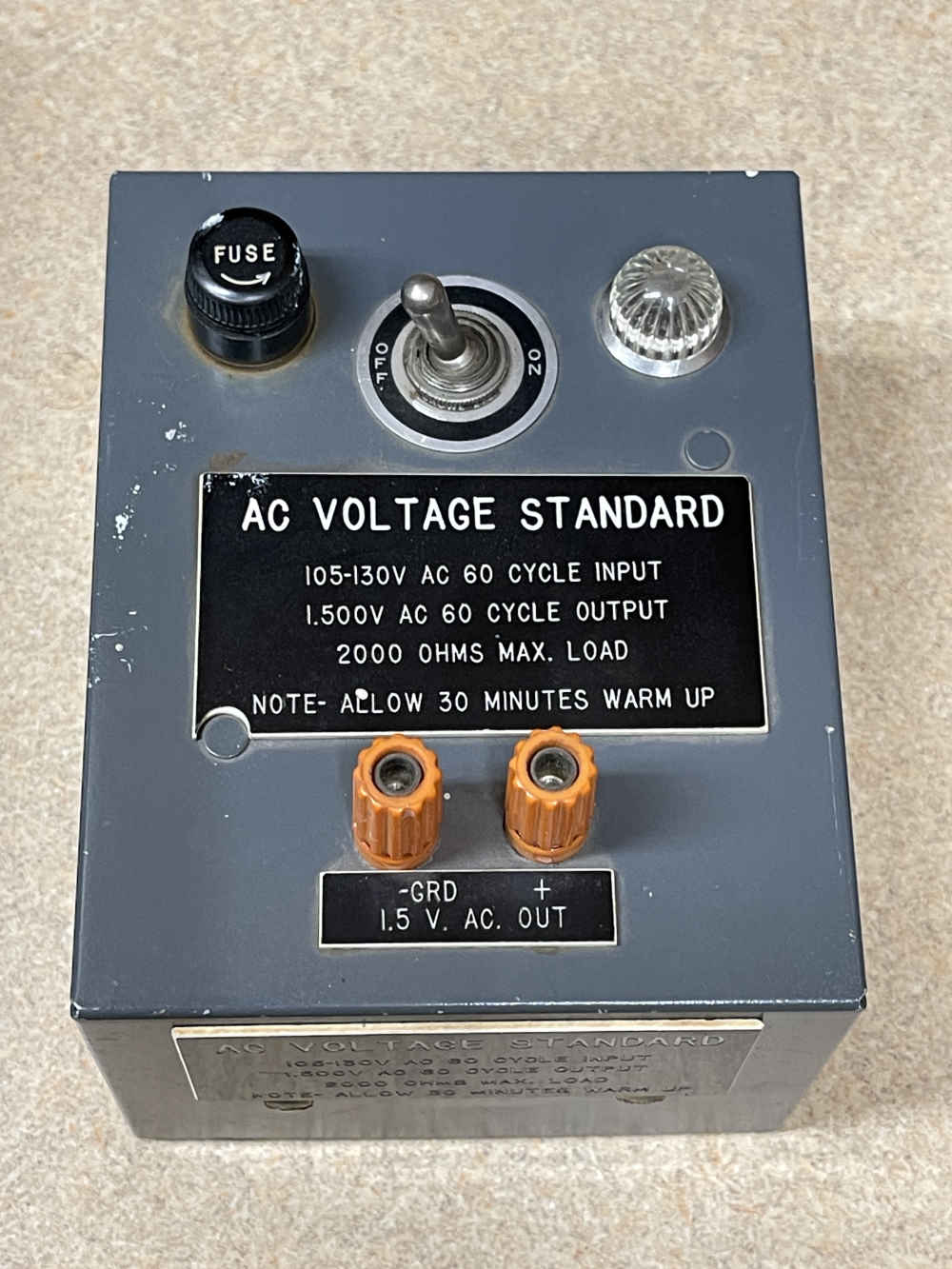
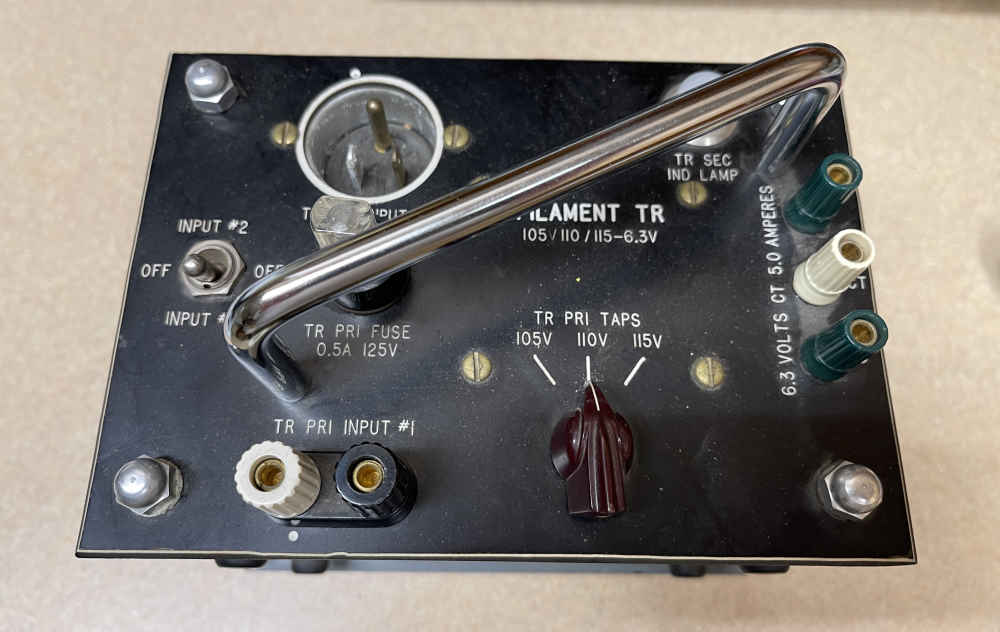
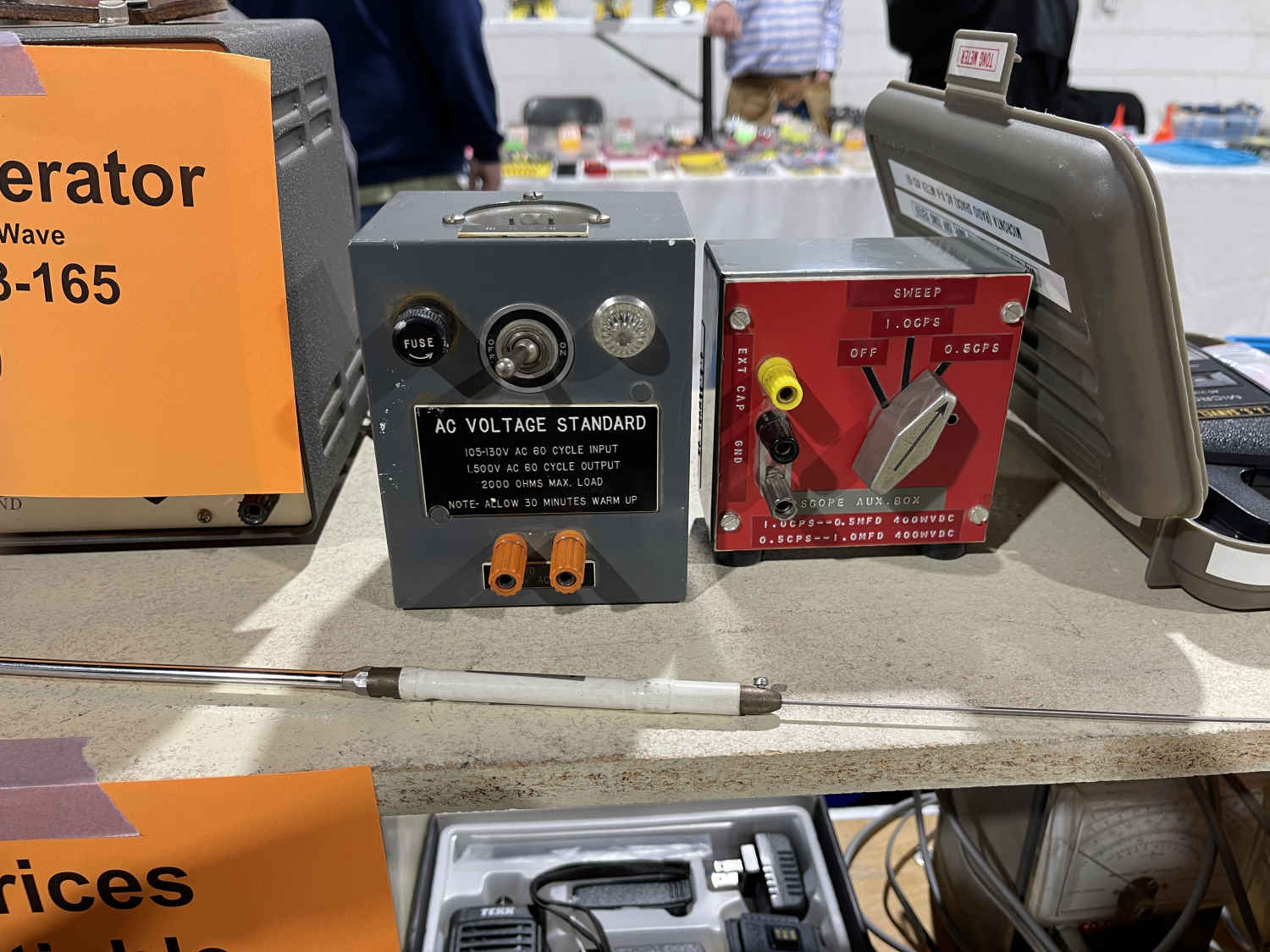
An odd voltage standard. Need to find a cord for this.
This was unusual enough to come home with me.
As was this one. Still had all the docs and paperwork with it.
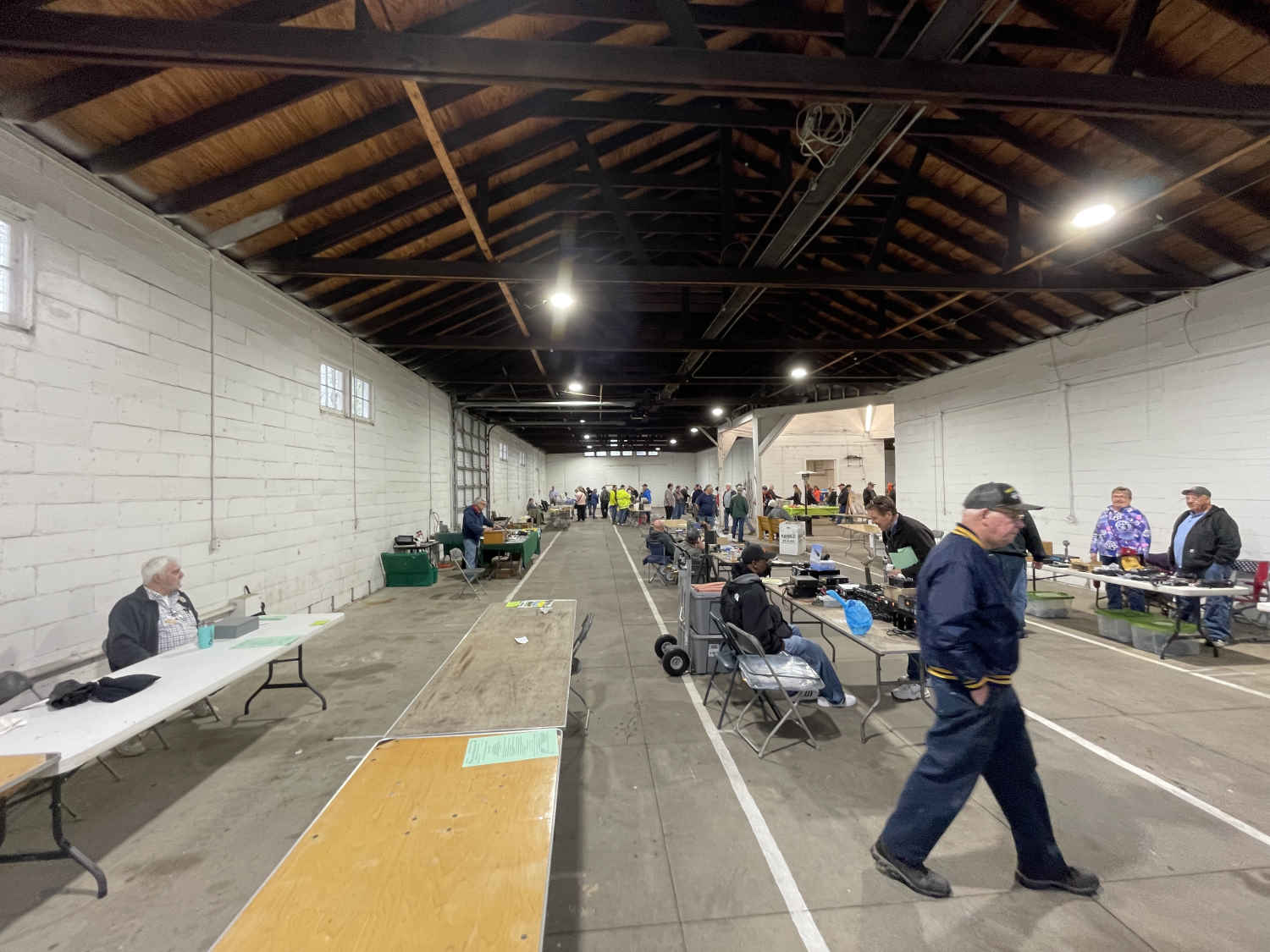
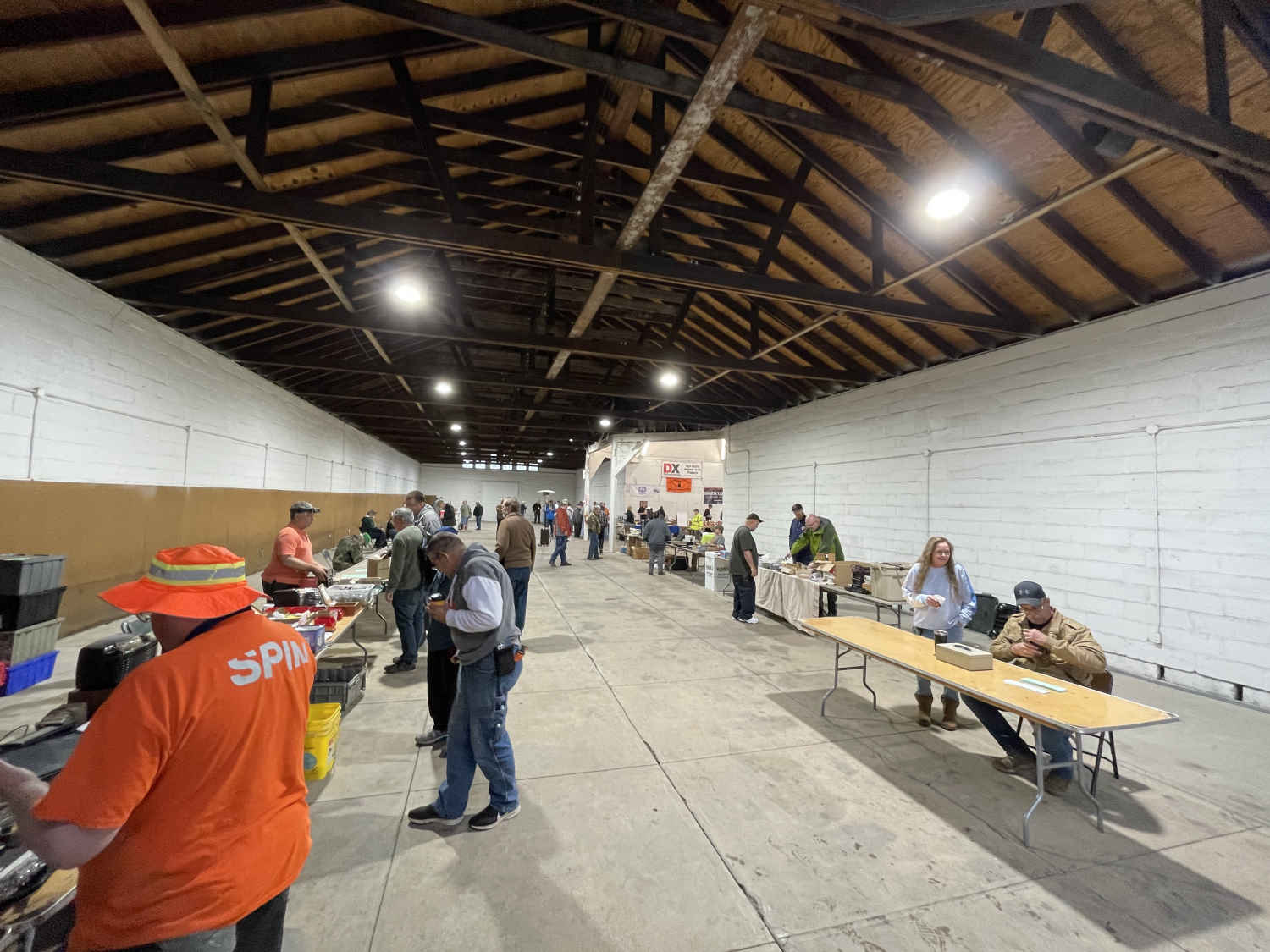
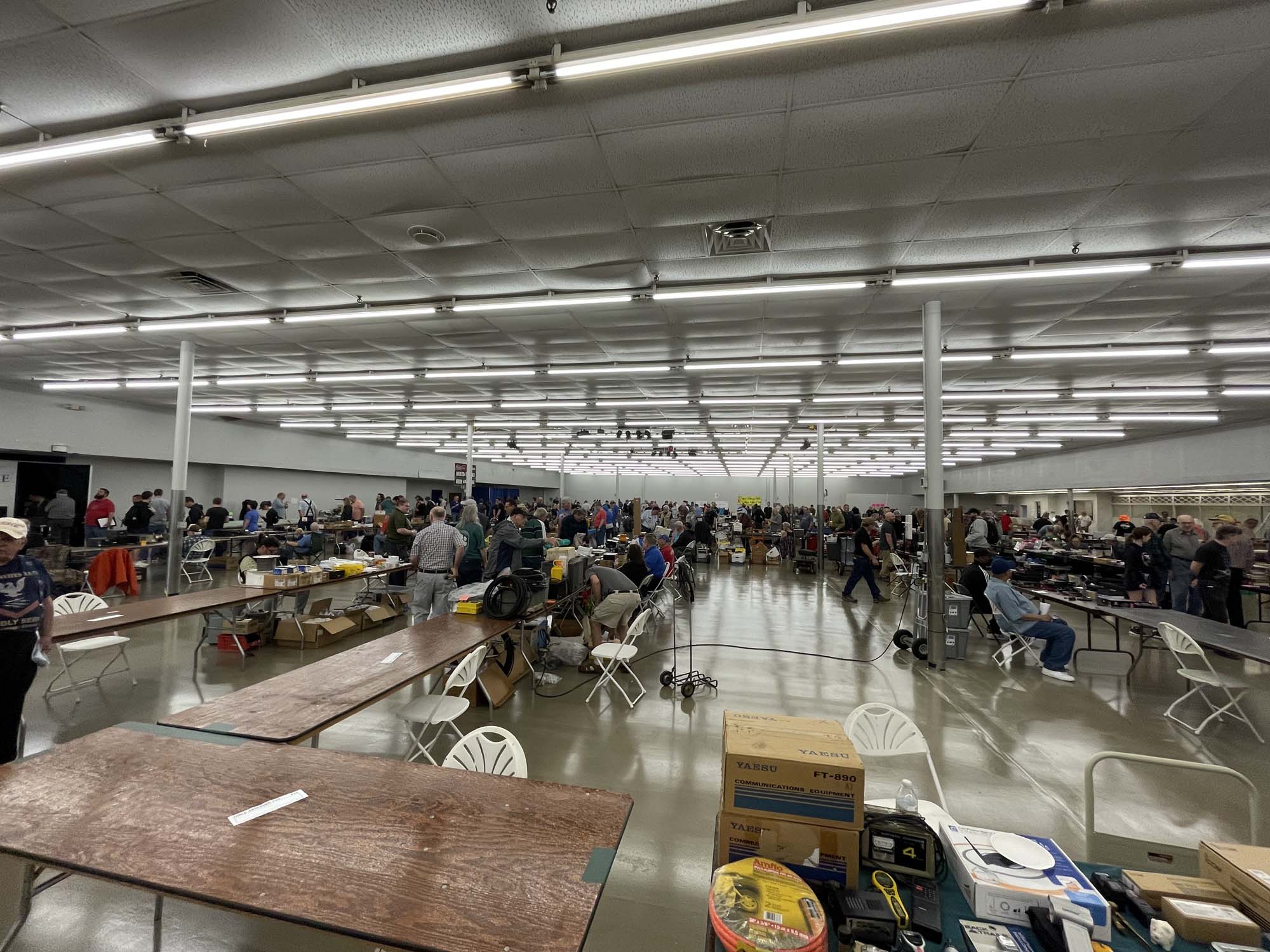
This was the first time I’ve attended this show. I wasn’t sure what to expect, but it turned out to be pretty good for being such a small show. I spent about an hour and a half wandering the two halls, looking at thing and re-checking them to make sure they didn’t want to come home with me. I left several things behind but brought home several more.
This show was at the Tuscarawas County Fairgrounds, and occupied one of the commercial buildings. There was mention of a “trunkfest,” so I suspect that there may have been some outside stuff had it not been a rainy day. Overall, however, it was a good way to spend a Saturday morning. I’ll probably go next year, time permitting, since it’s so close.
Random items from an estate sale.
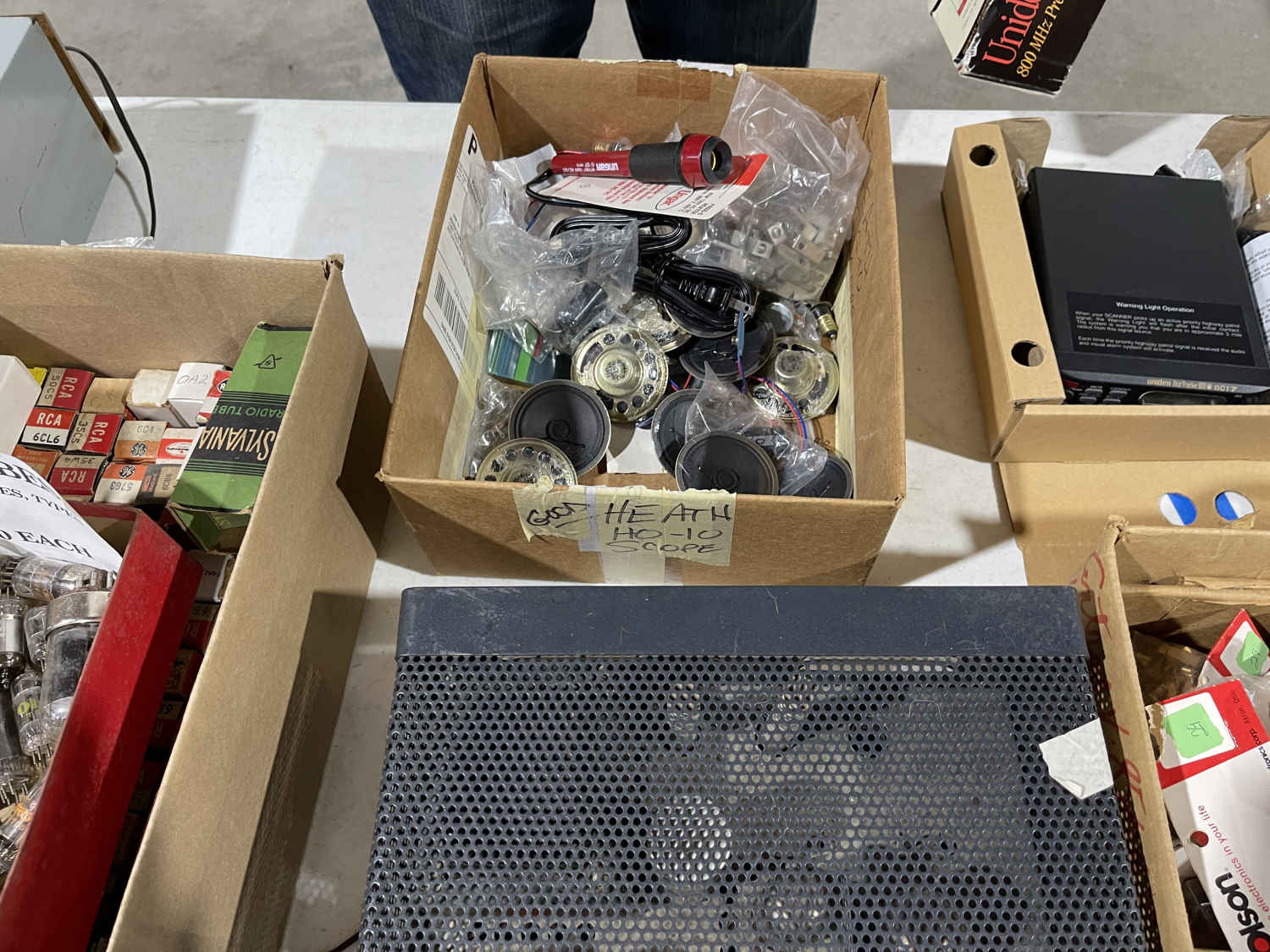
A box of speakers and soldering iron parts.
Interesting old books there…
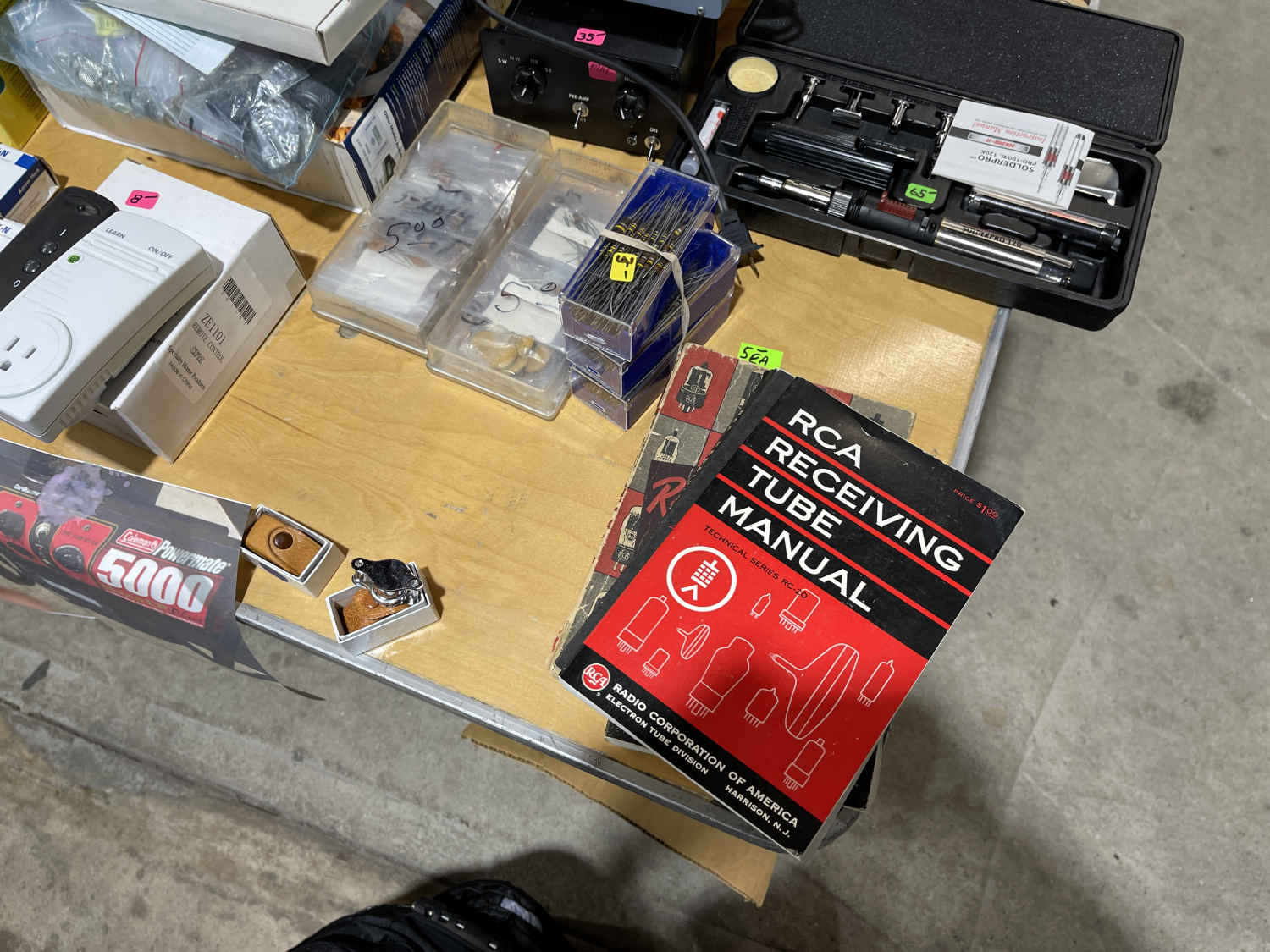
Tube manuals and a portable iron.
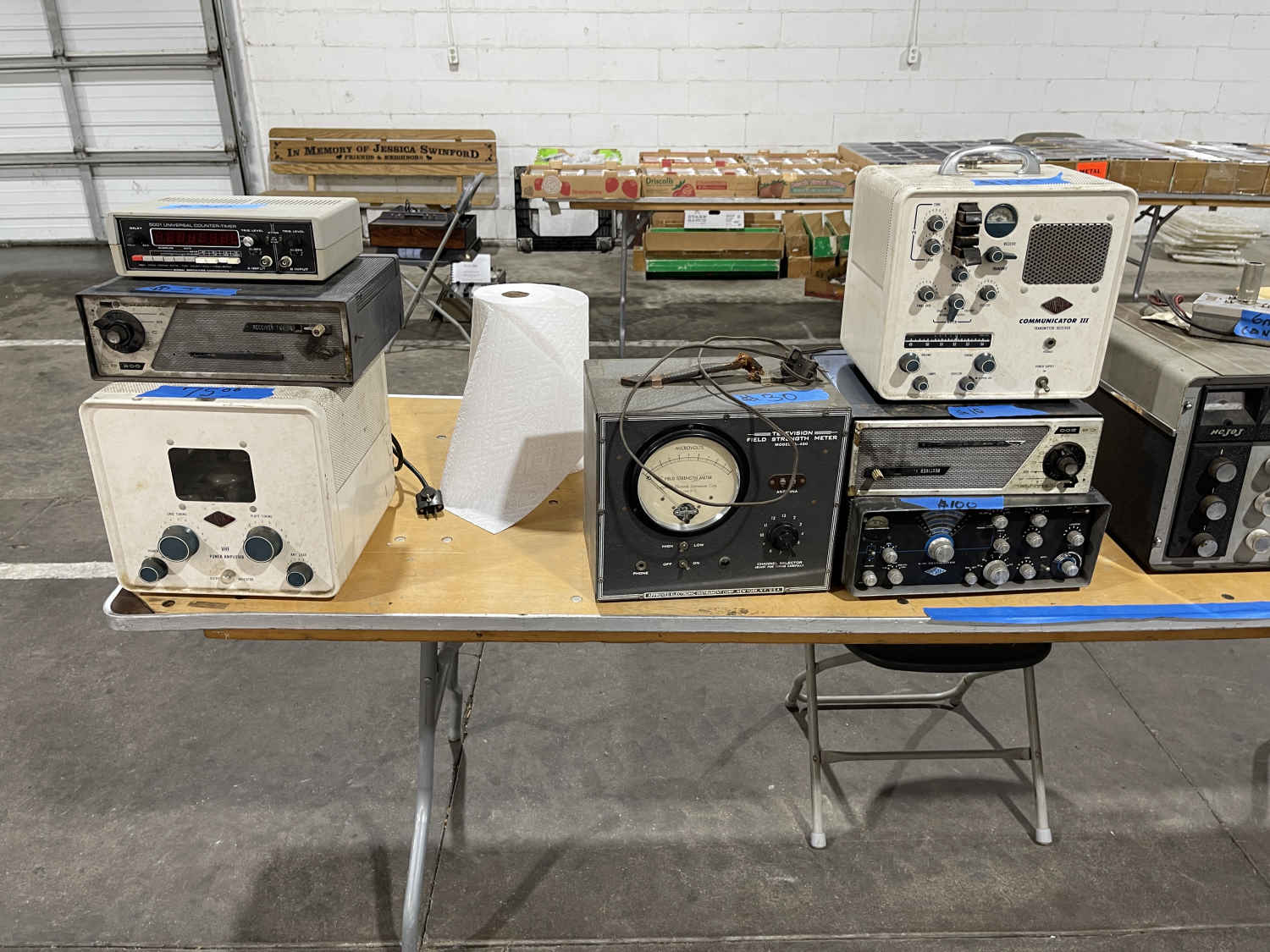
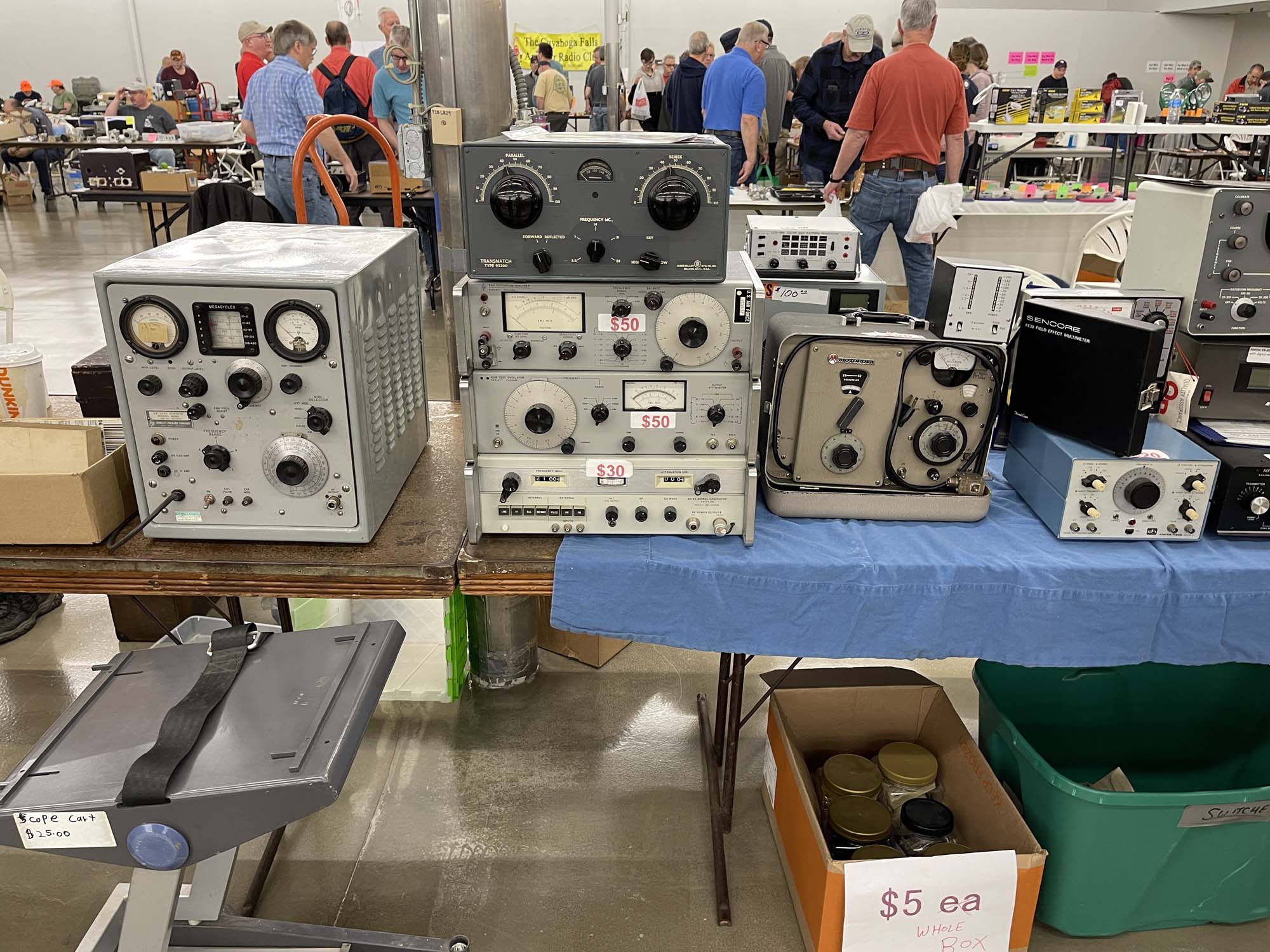
A bunch of random equipment. I've seen some of this before - at Dayton?
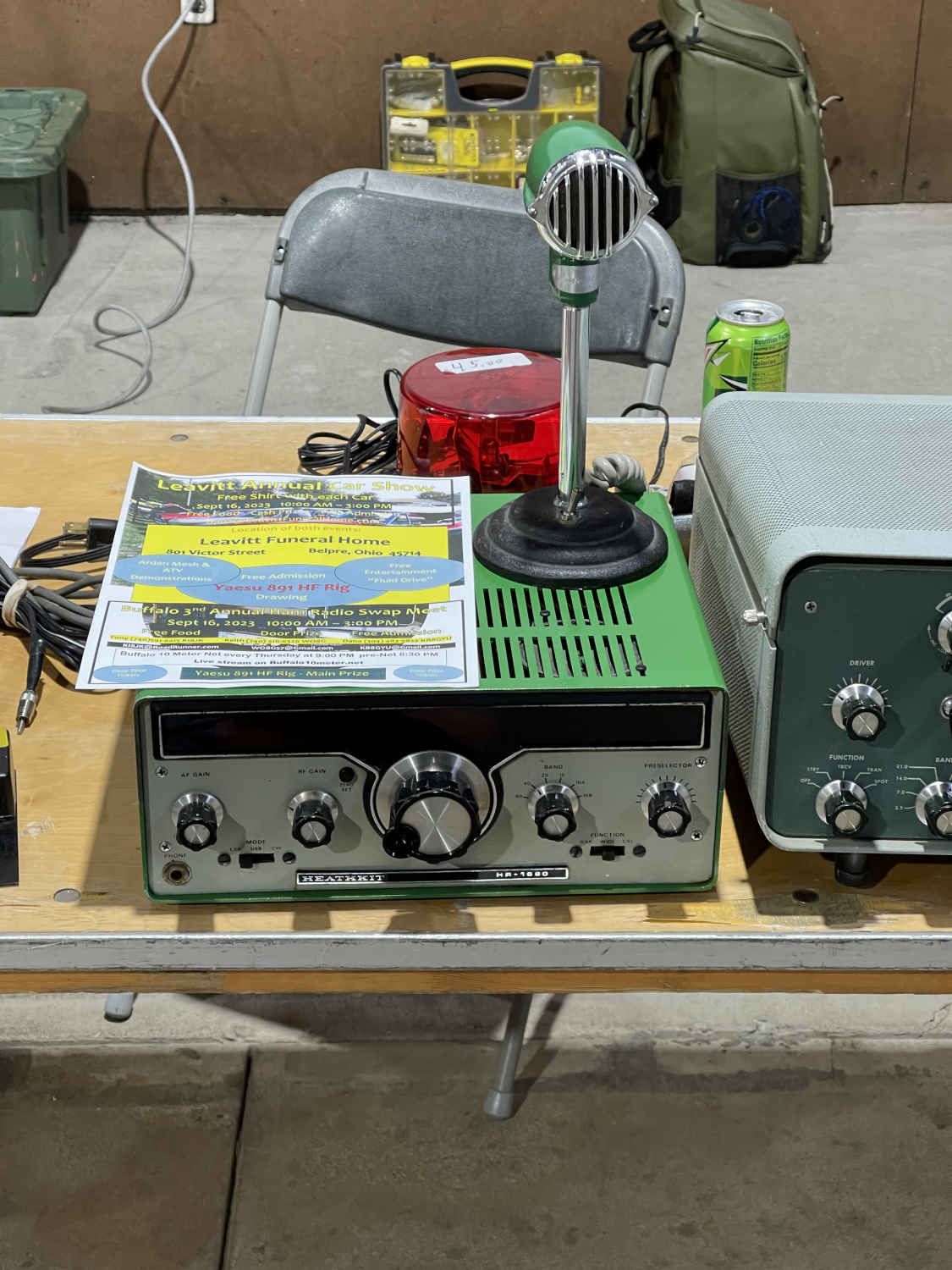
Wow, that's green!
A meter with telephone test jacks.
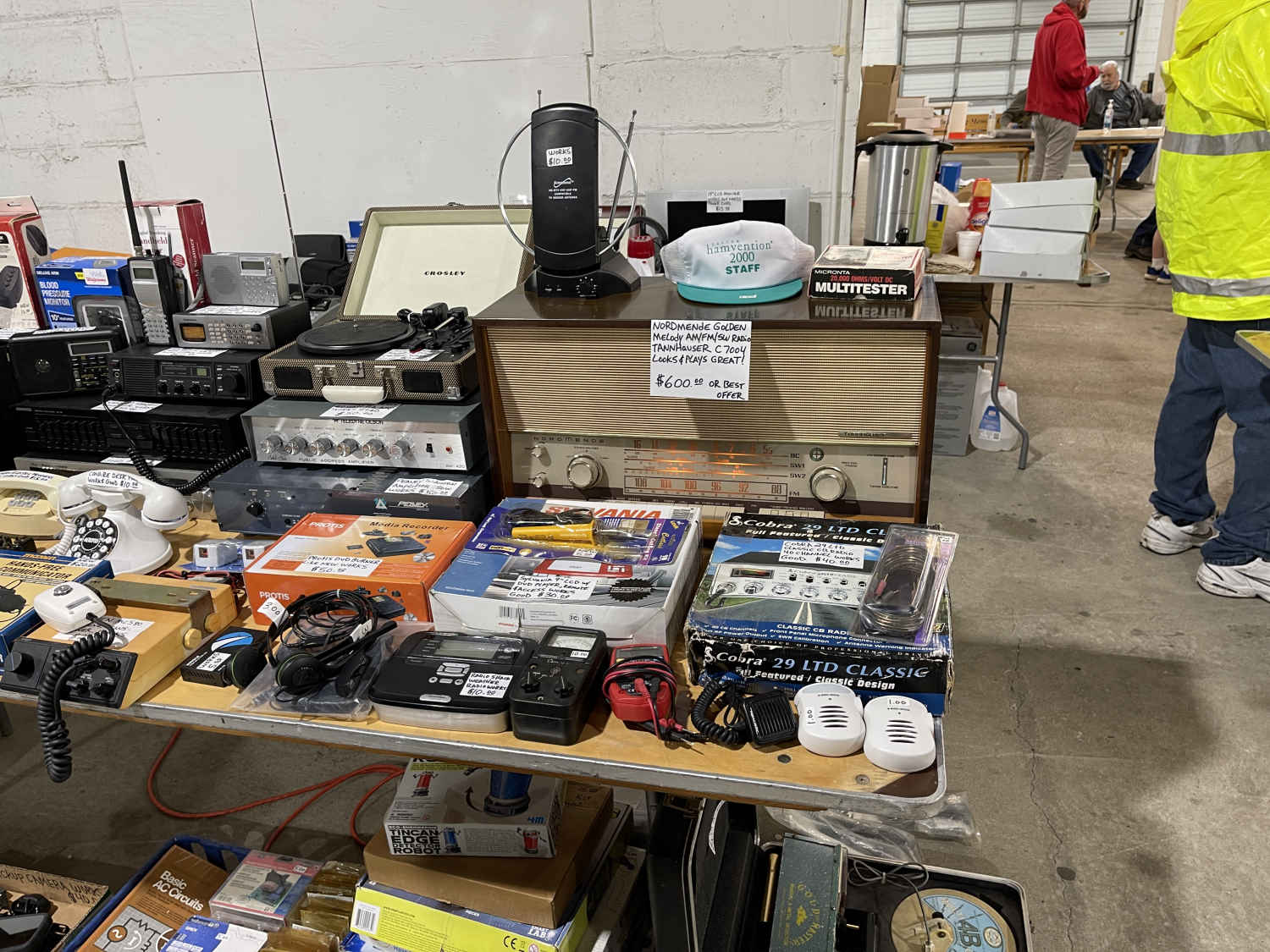
A beautiful (and temperamental!) Nordemende radio.
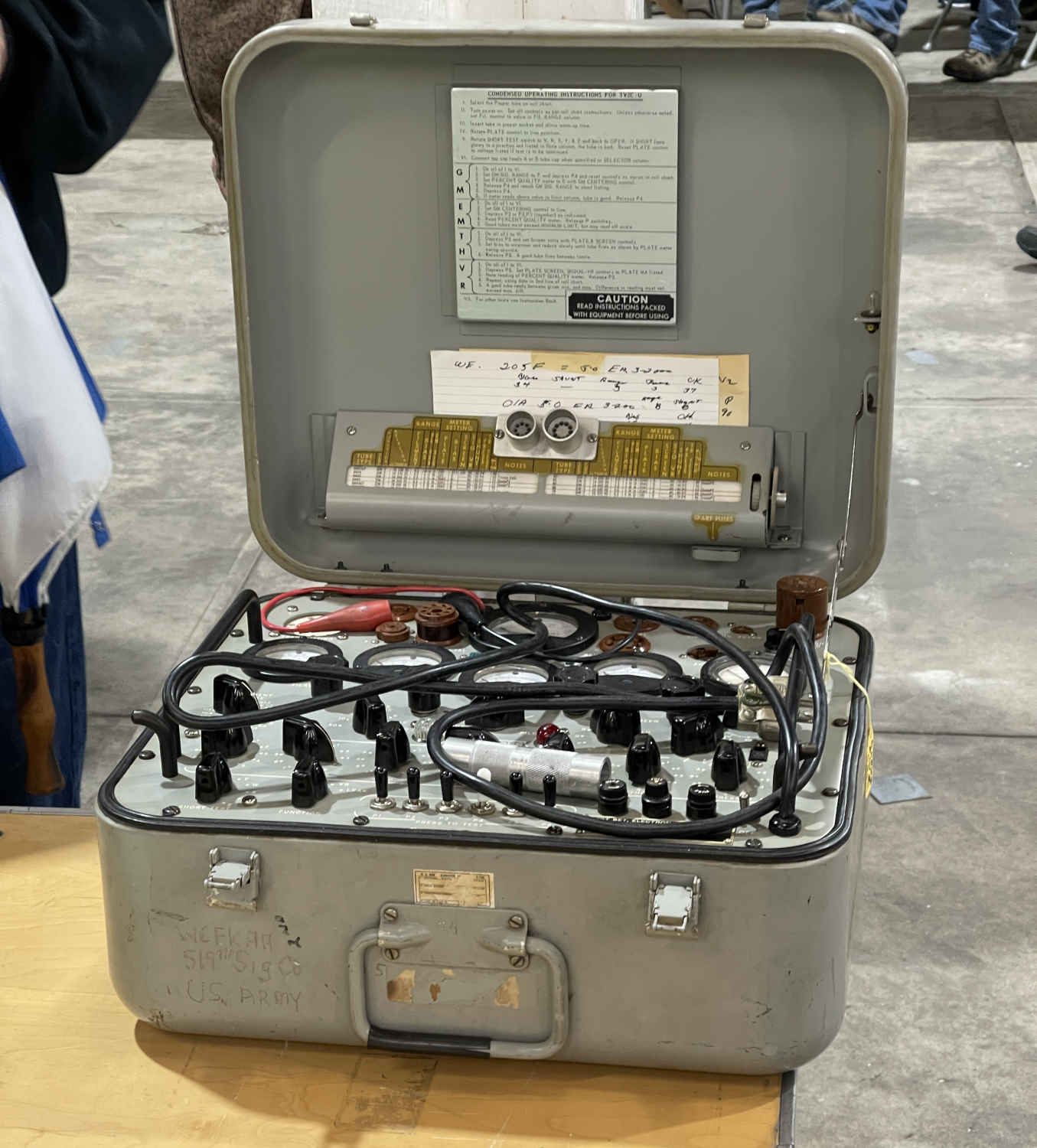
A ZM-11/U Test Bridge. Has a bad 1Khz source.
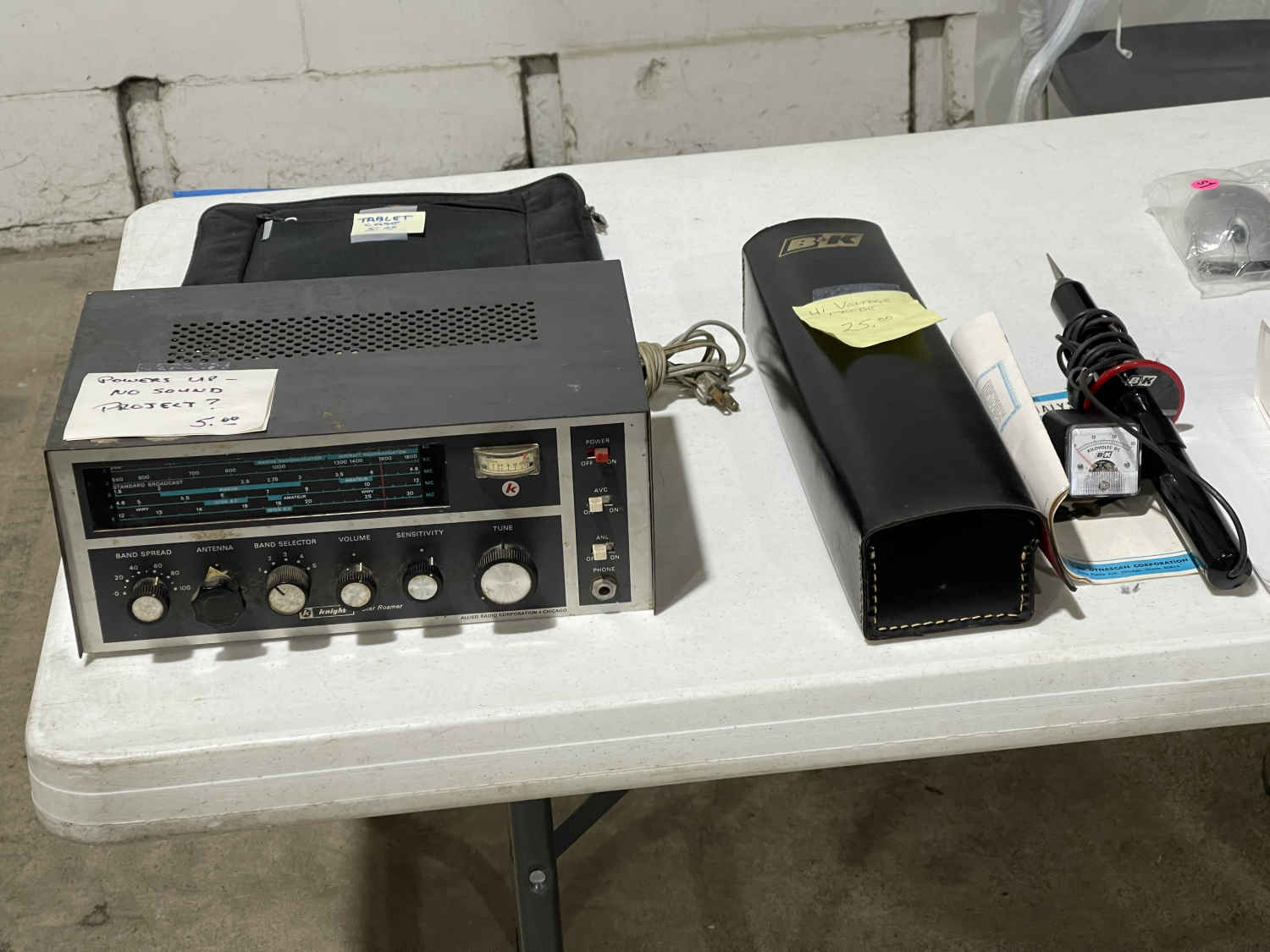
A project radio and a HV probe. Wanted both, left them there.
Things from the past.
A couple of homebrew pieces.
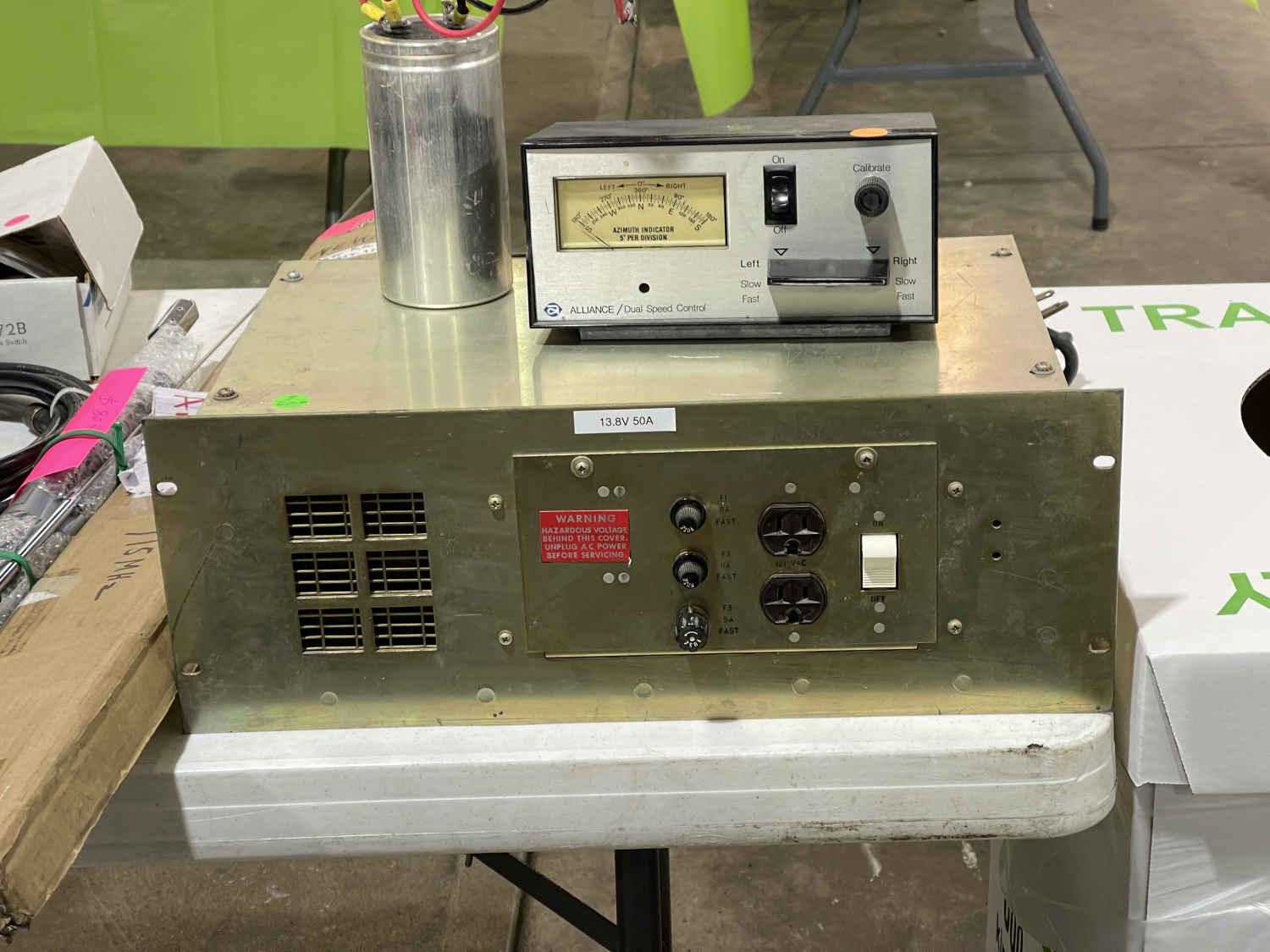
An automotive voltage power supply. 50A @ 13.8VDC!
An excellent condition TV-2 (with an appropriate price!)
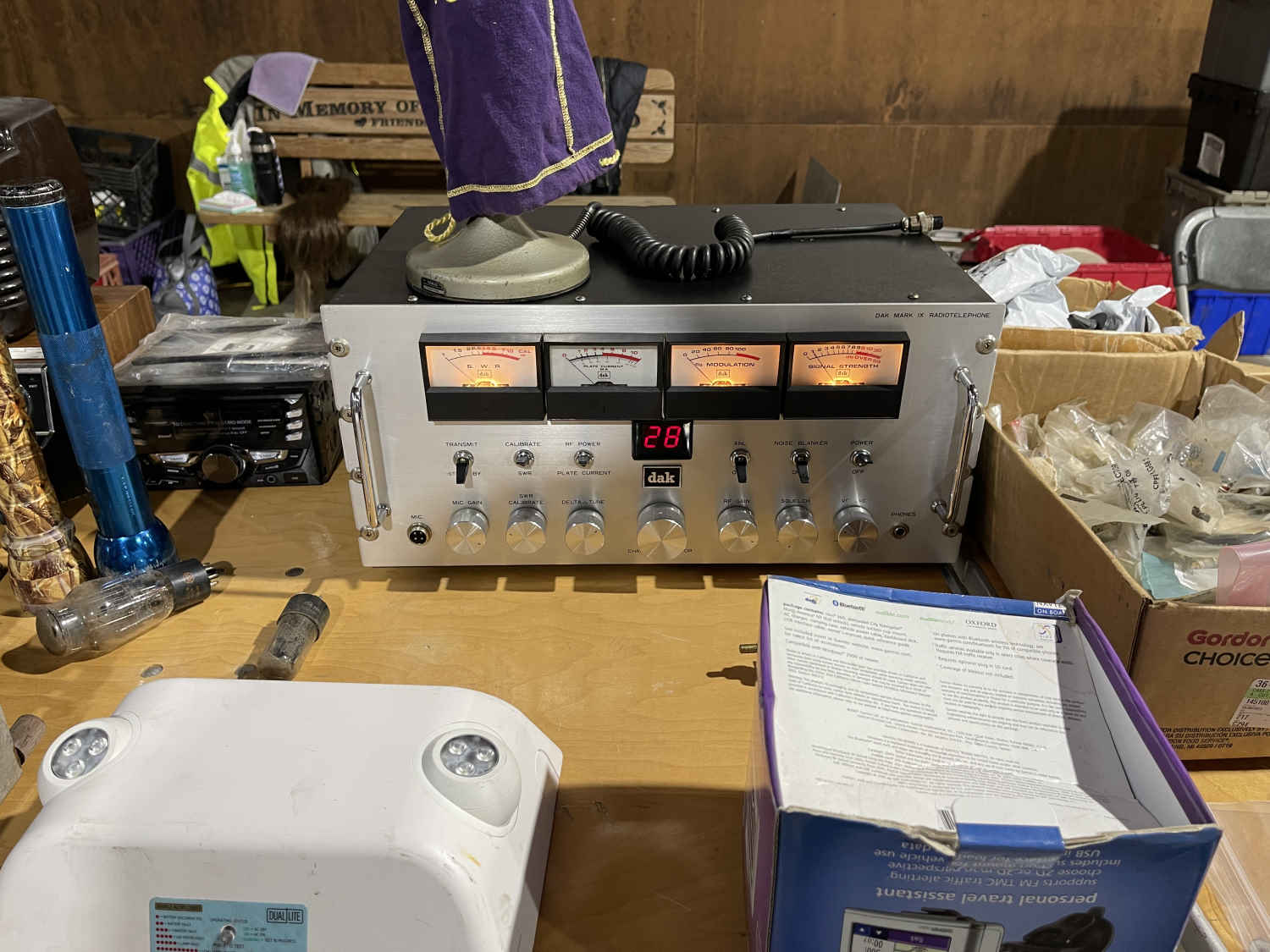
A radiotelephone unit - B.C. (Before Cellular!)
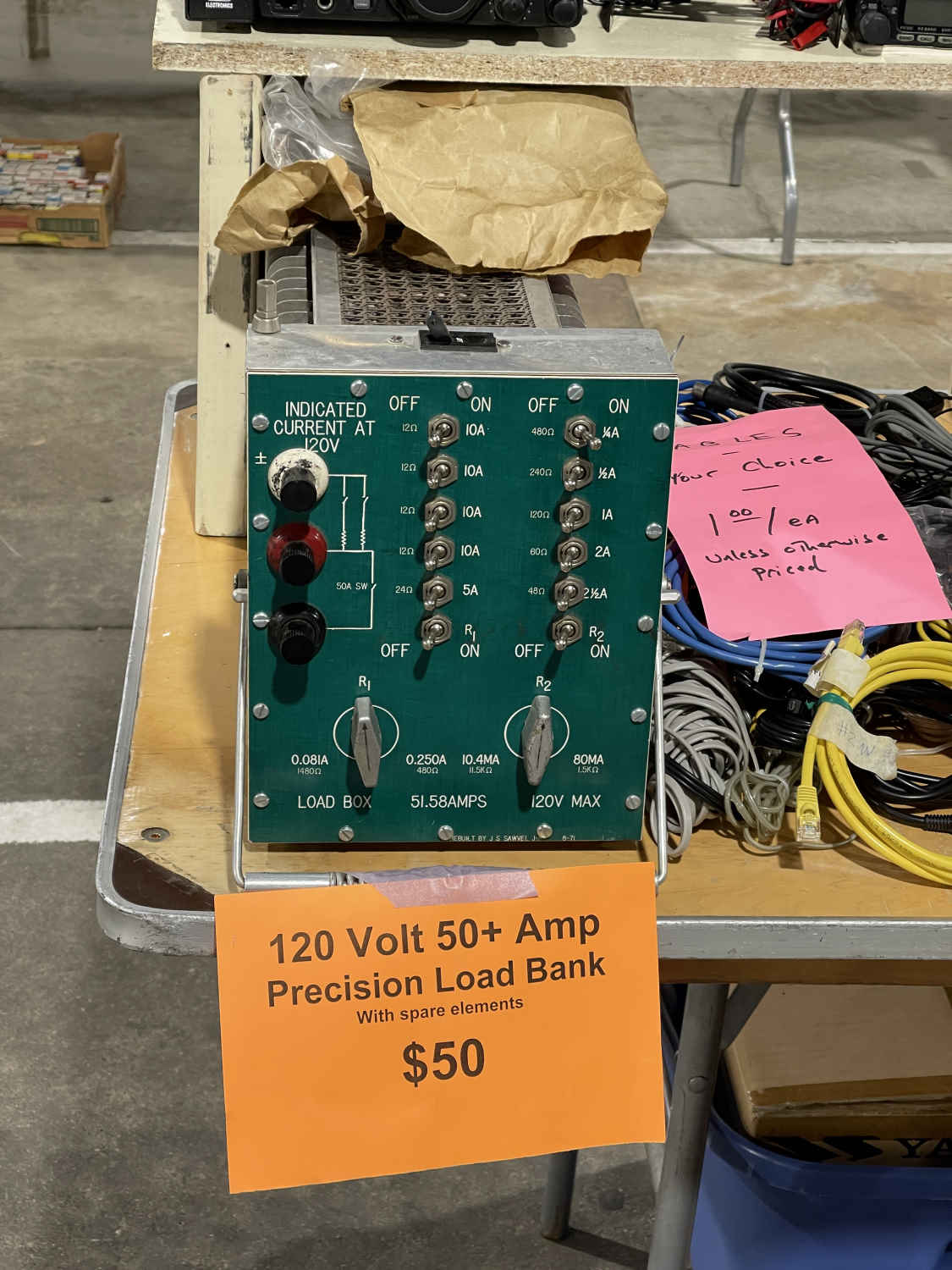
A giant load bank with extra elements. A steal at that price.
As usual, there was a lot of good stuff to be seen at the show. I had to force myself to not bring it all home because a lot of it isn’t useful (to me) past a “Wow, that’s neat!”
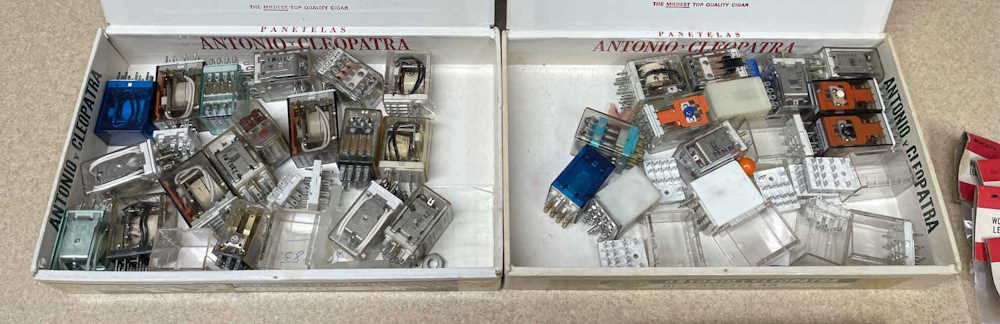
Boxes of relays from the “Pay what you want table.” This is all donations for the club, and was the estate of a now silent key.
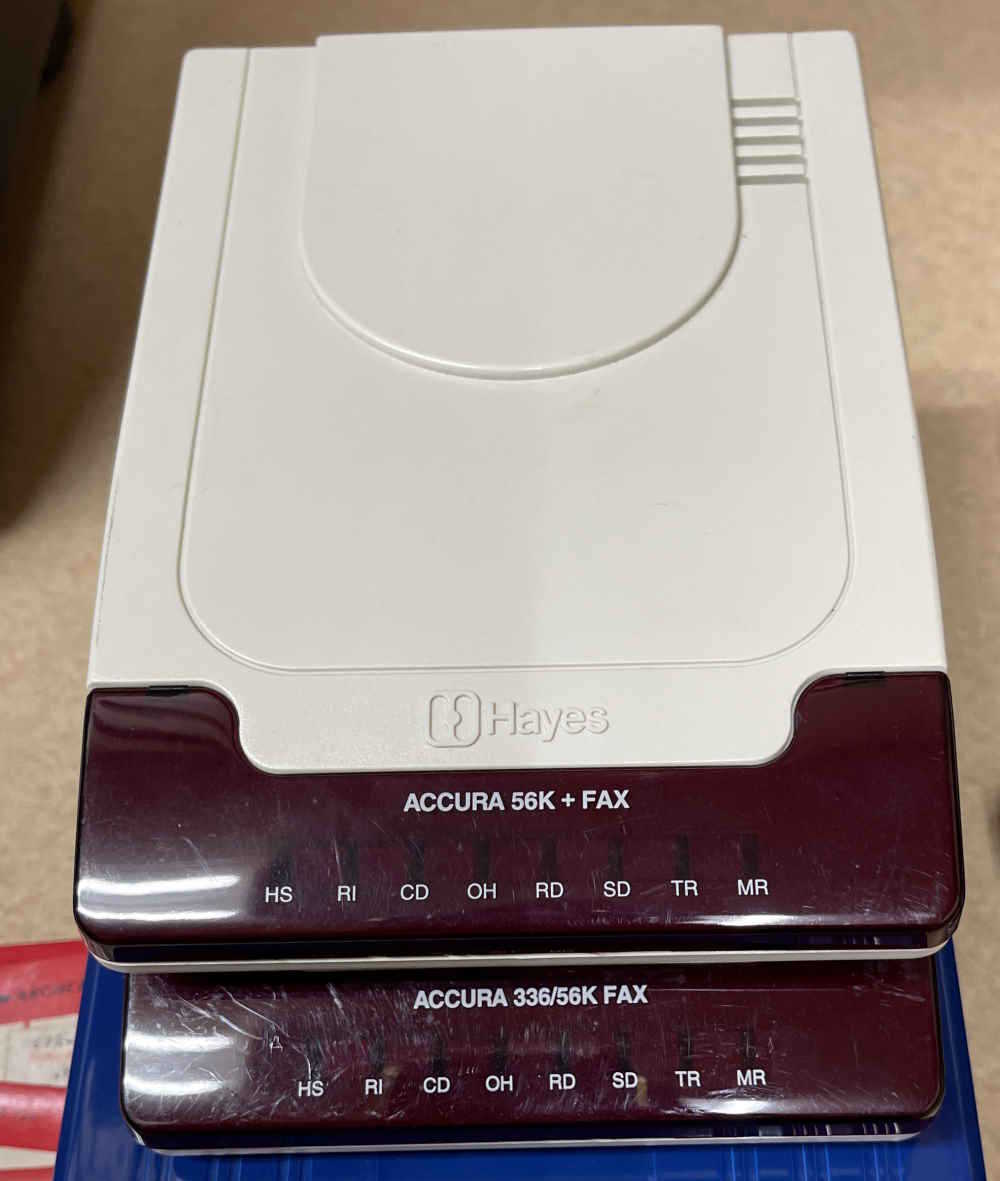
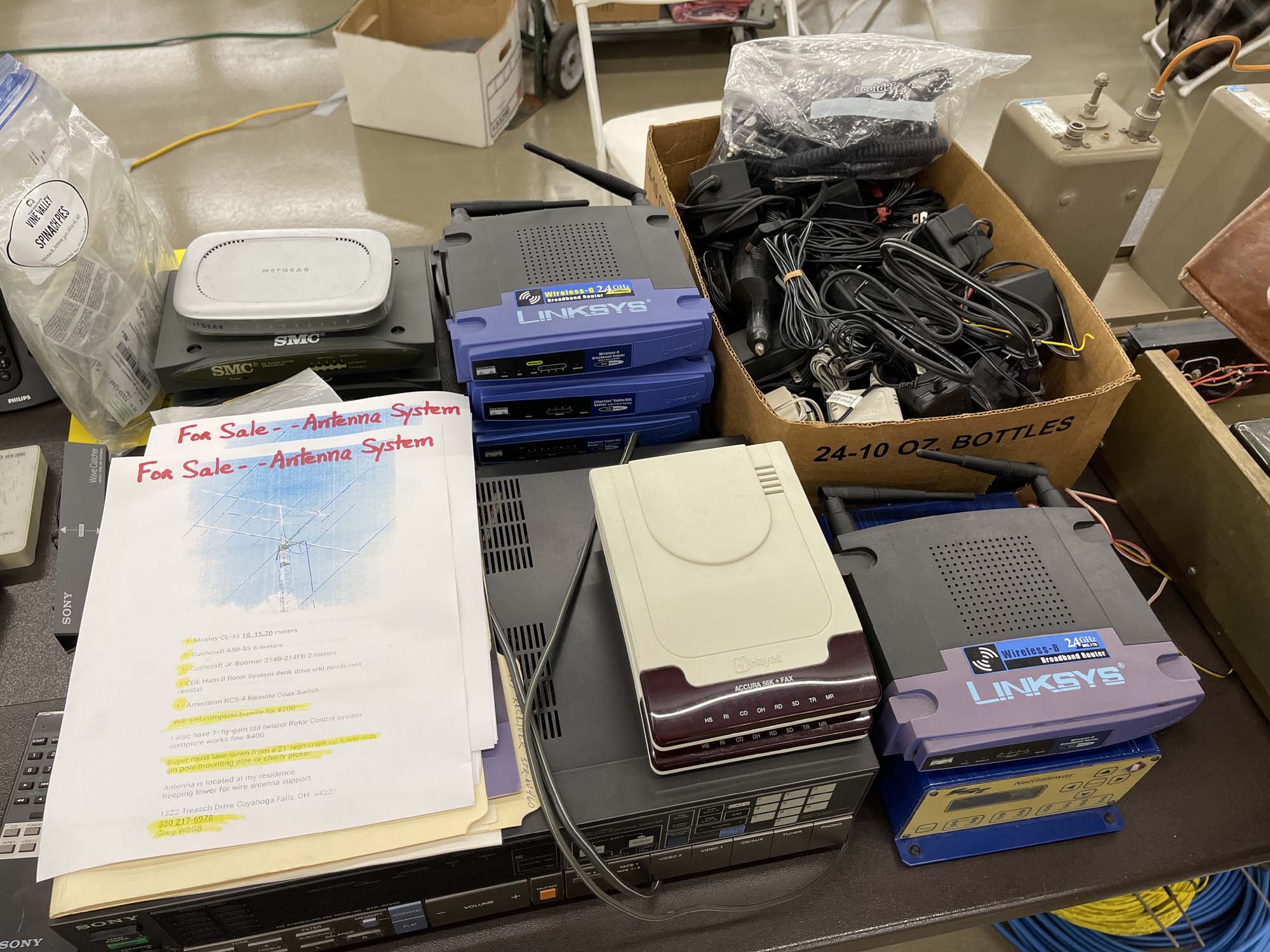
Hayes 56k modems that were part of a BBS. Yeah, I don’t know why except that they’re a matched pair.
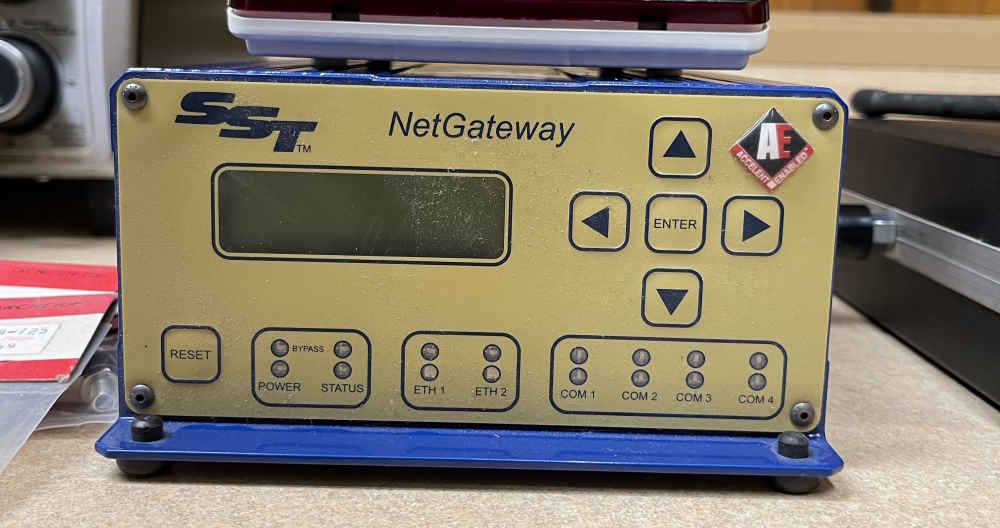
An interesting Ethernet to Serial gateway. Vendor said it was from a friend who was doing some odd project. It was free, with the caveat that it’s a project case if it doesn’t work.
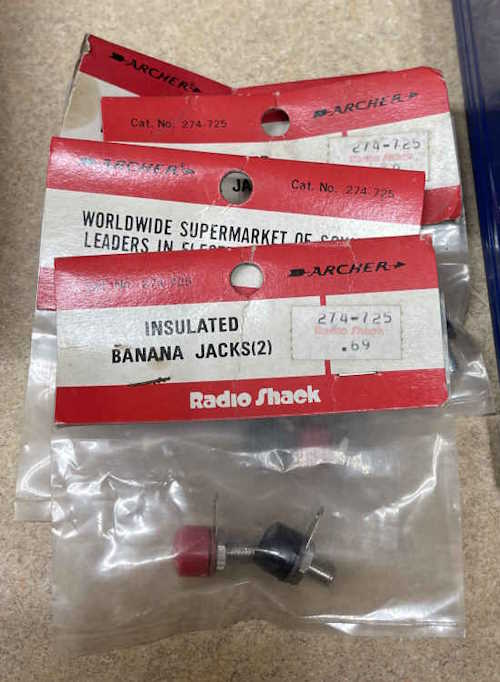
Jacks from Rat Shack of the past. Nothing more to say about this.
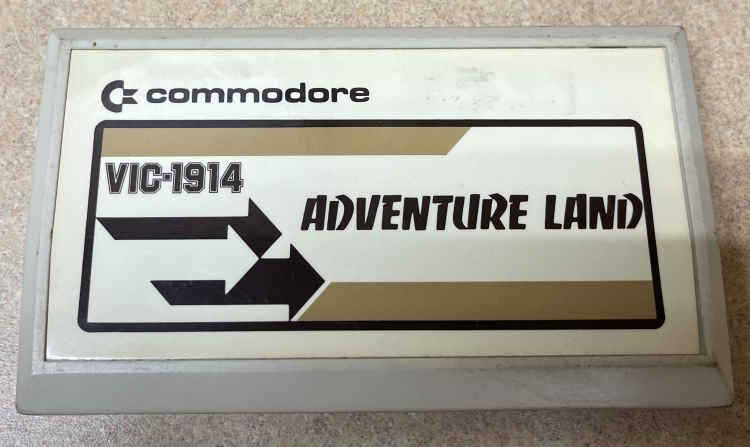
Adventureland is the game that’s credited as defining the Interactive Fiction genre. While the original release was for the TRS-80, the VIC-20 version wasn’t far behind. I don’t have a VIC, so this cartridge is more as a piece of computer history than as a useful item.
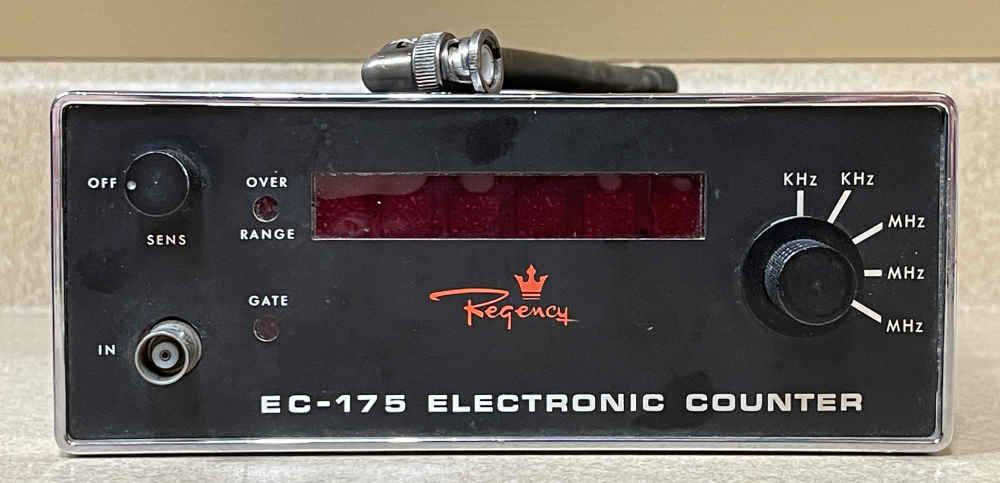
Of note here is this Regency counter. This device is kind of unusual for something Regency produced. It’s a fairly competent piece of test equipment with a crystal oven and a known ppm deviation. Apparently, it was designed for FCC compliance checks (at the time of manufacture.) It works, but needs an alignment. If I can find some service data, that will be it’s own post.
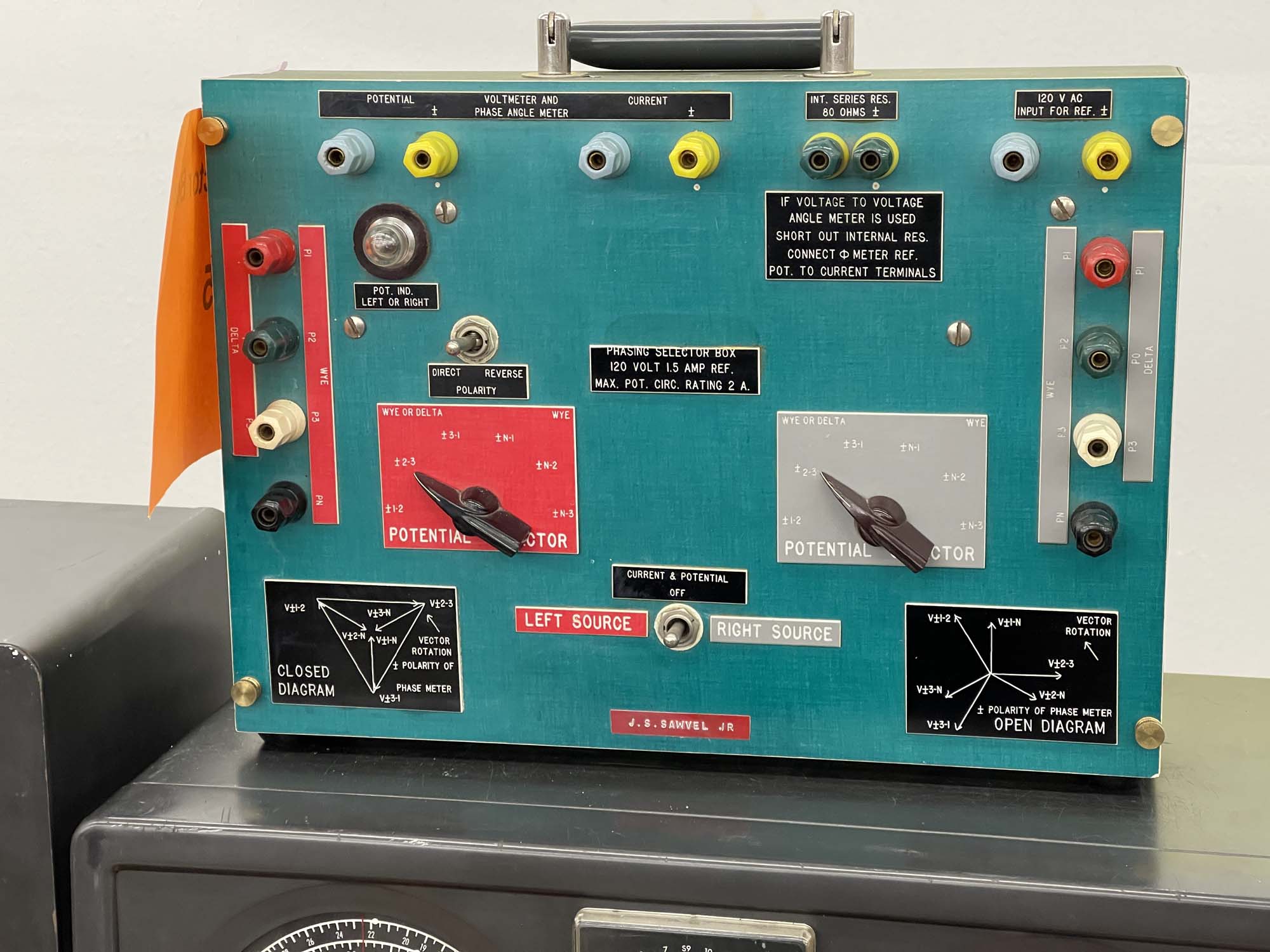
I kind of wish I’d got that phase corrector device, I found out later that it went for $5 - that’s a steal and a shame, but I have no use for it.
Next post(s) will be the TUSCO Hamfest. That one was small, but excellent. Stay tuned!
This year’s show was about the same number of vendors as last year, so it was pretty good. There seemed to be more general electronics and whatnot this year, and less test equipment and other non-consumer items. Not really a big deal, there was still plenty to look at, including some vendors that I recognized from last year. I didn’t take as many pictures because of that, and missed some opportunities to get more because a friend I hadn’t seen in 18 years showed up and we were chatting the whole time.
In all, it was a decent show and worth the trip. While I only brought home about as much as I did from the TMRA show, it was only because I had to stop myself from dragging home more - there were a number of things I’d have like to had, but just do not have the room.
Enjoy the pictures, and I’ll be posting my haul a little later.. I found an unusual piece of equipment from a manufacturer that you wouldn’t expect to make something like it is, and I’ll be breaking that out into a separate post - if I can find it’s service data, it will be a technical post as well.
A homemade phase adjust box. Beautifully built.
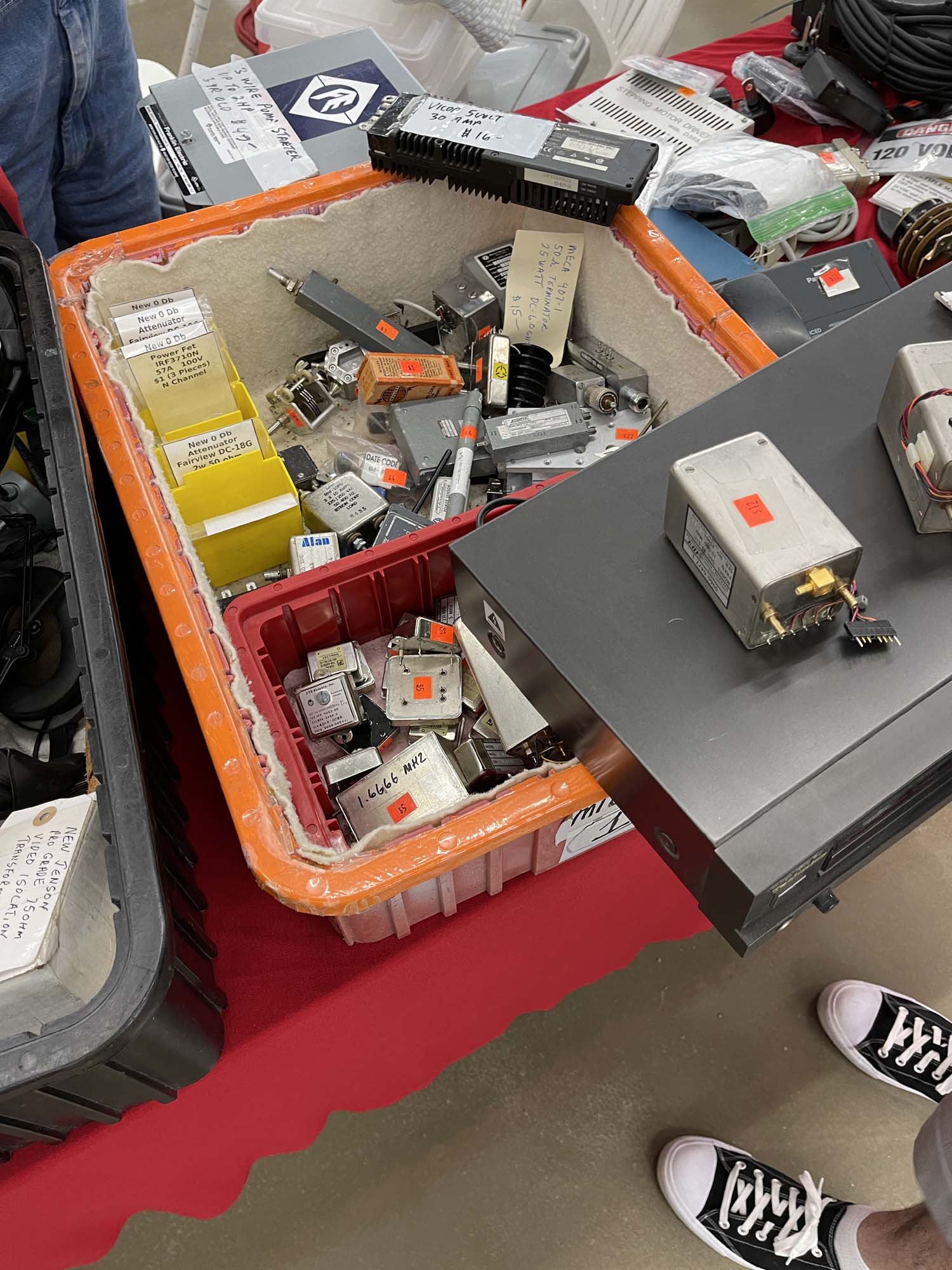
A box of crystal oscillators of varying types.
For those heavy loads.
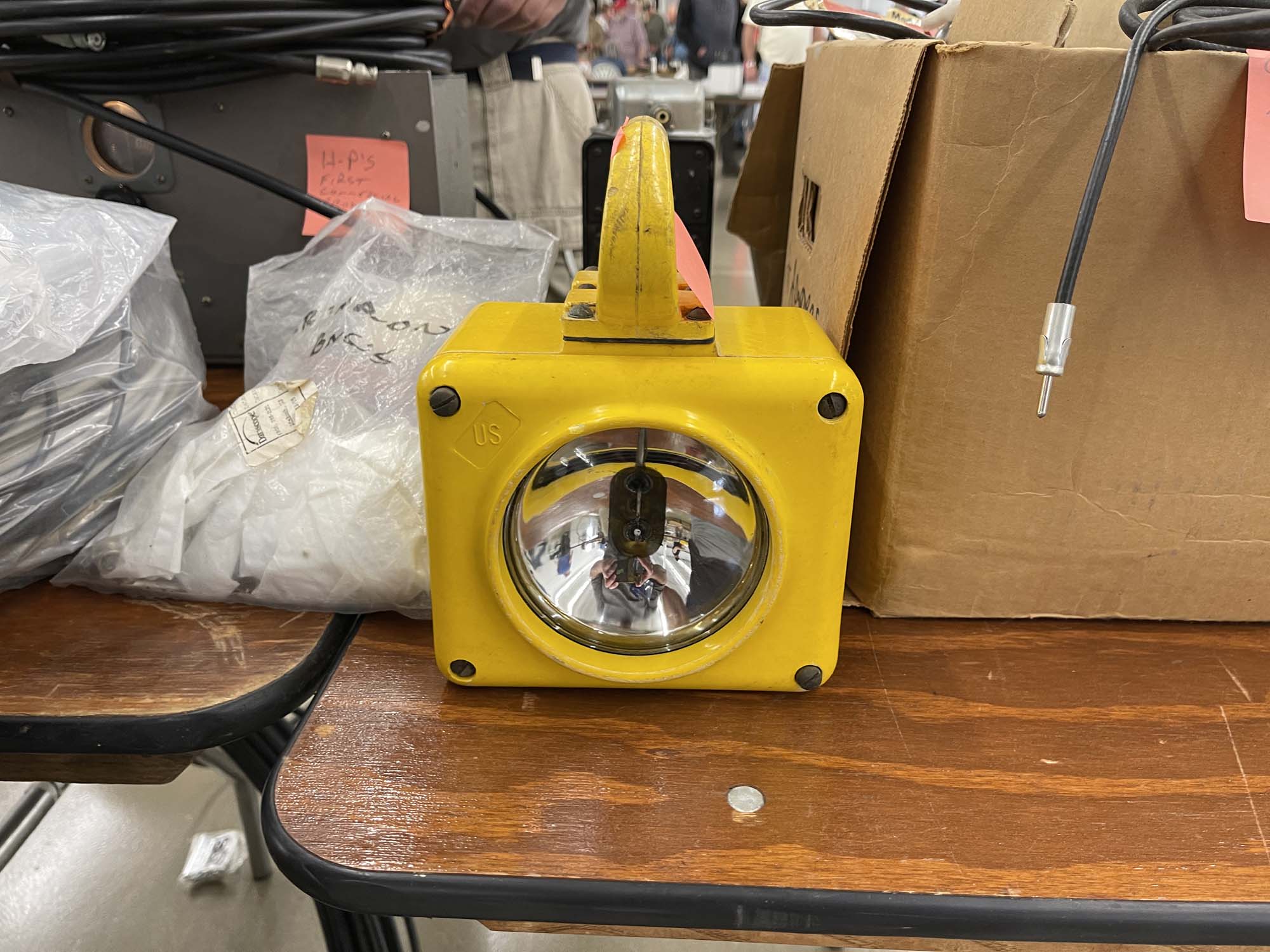
A US Navy hand lamp, looks great, has the light power of no.
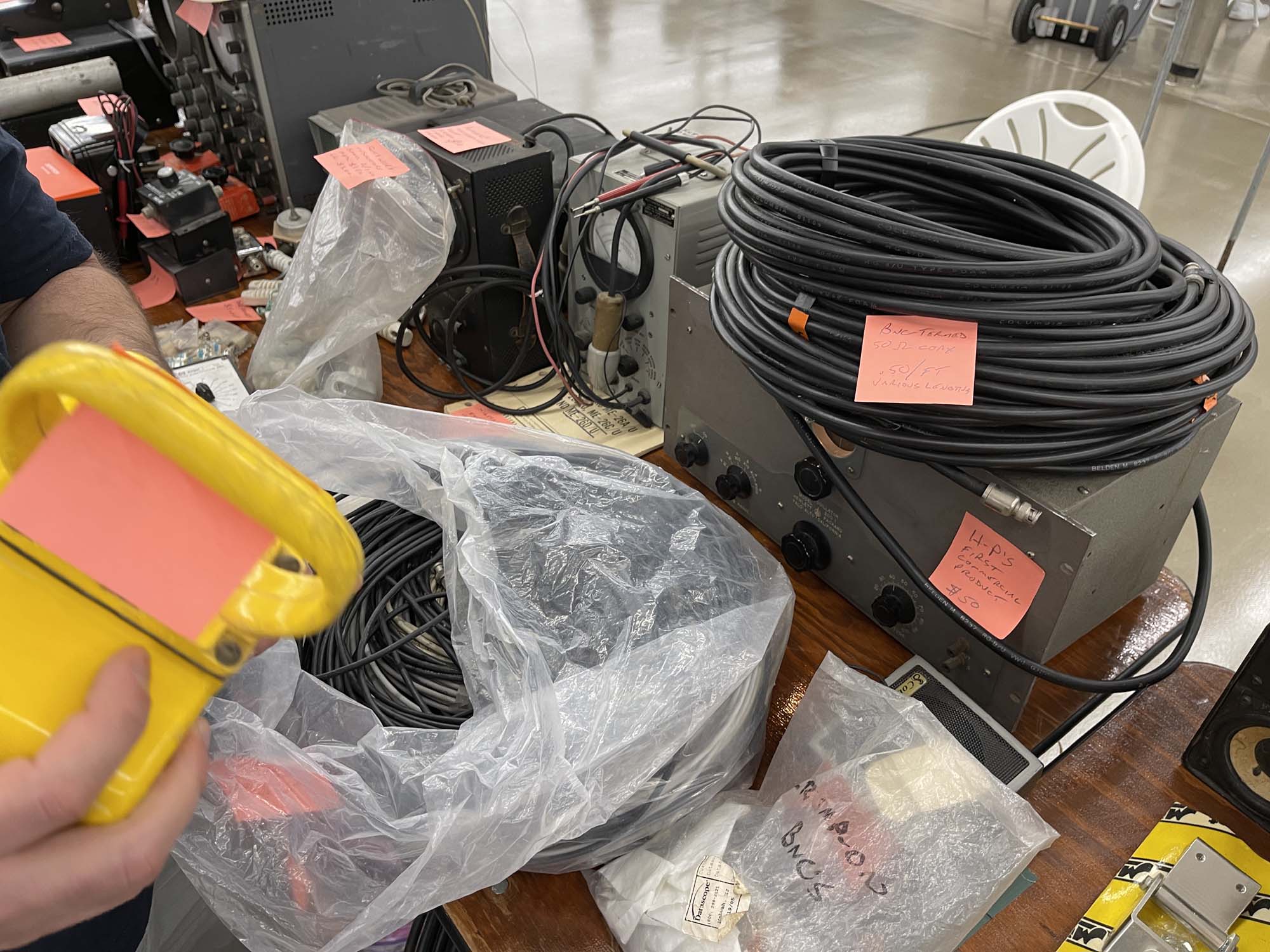
Coax for days.
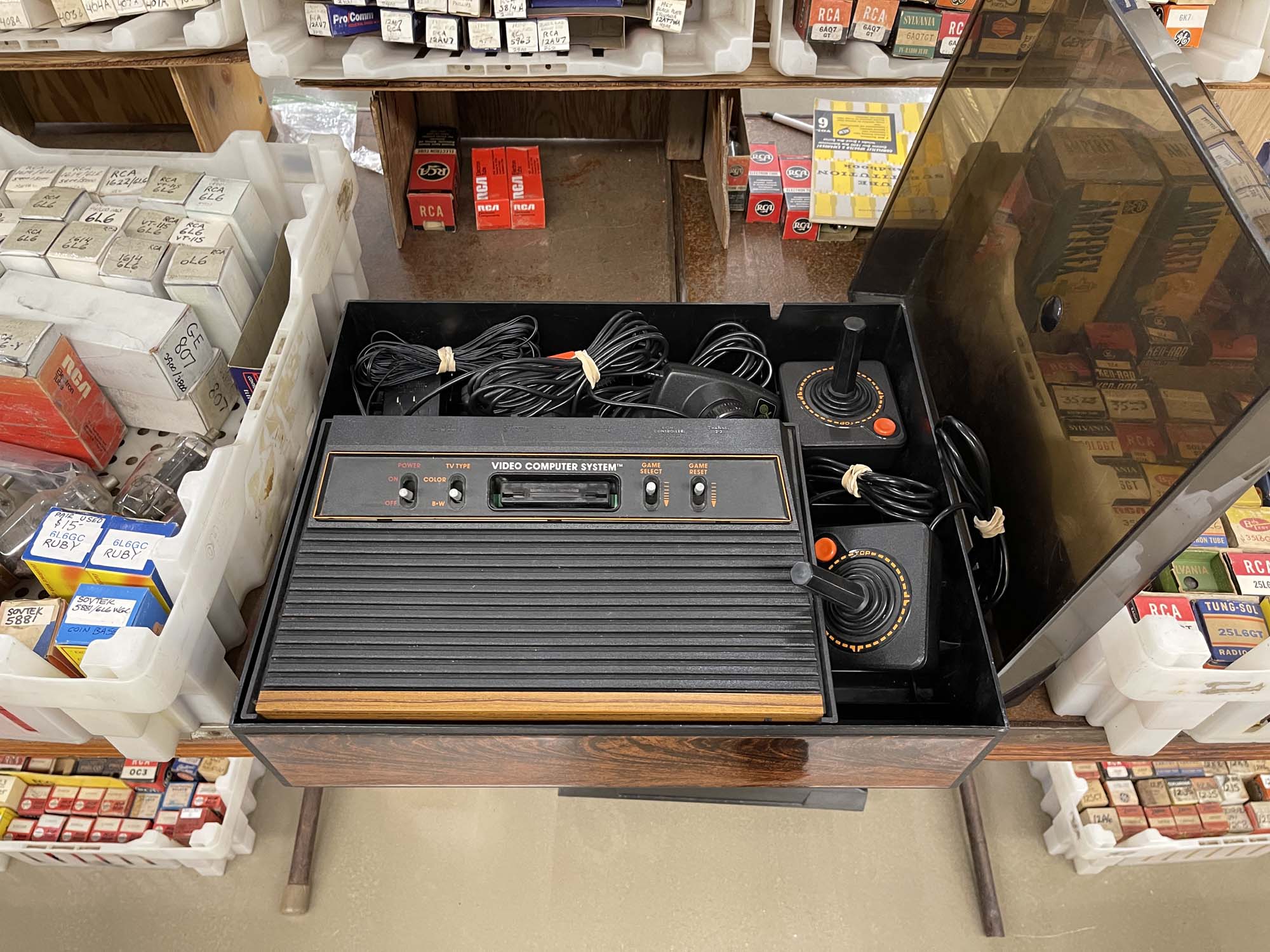
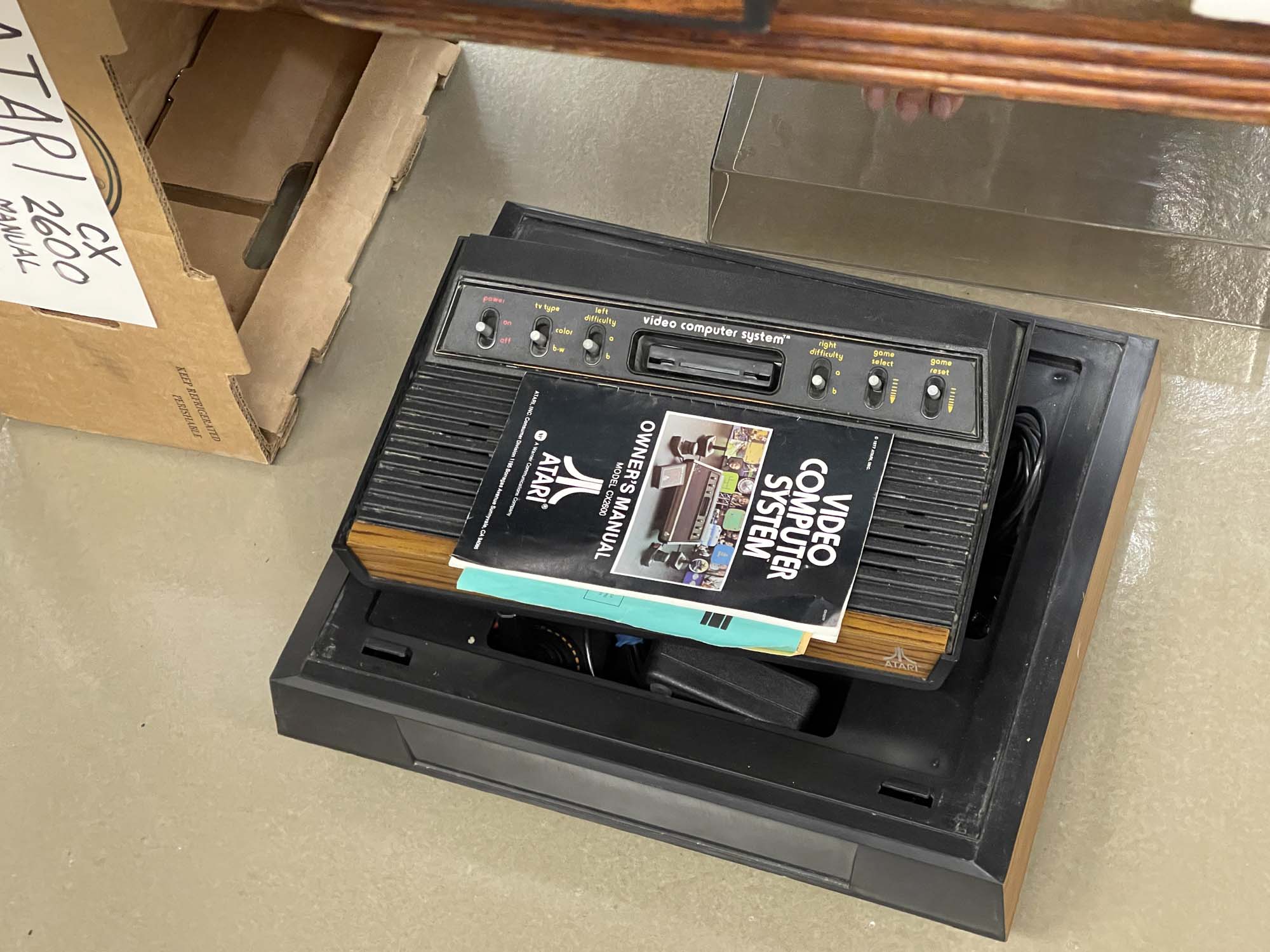
A 4-switch Atari 2600.
A 6-switch Atari 2600, not a heavy-sixer.
Various networking devices. Some of it was still Wireless-B.
This is part 3, and the final part of working with this radio. It didn’t turn out as good as I’d hoped, some of the other capacitors are leaky - and some of those are in a couplet. The customer just wanted it to make voices come from the air, so I’ve left it at that for now.
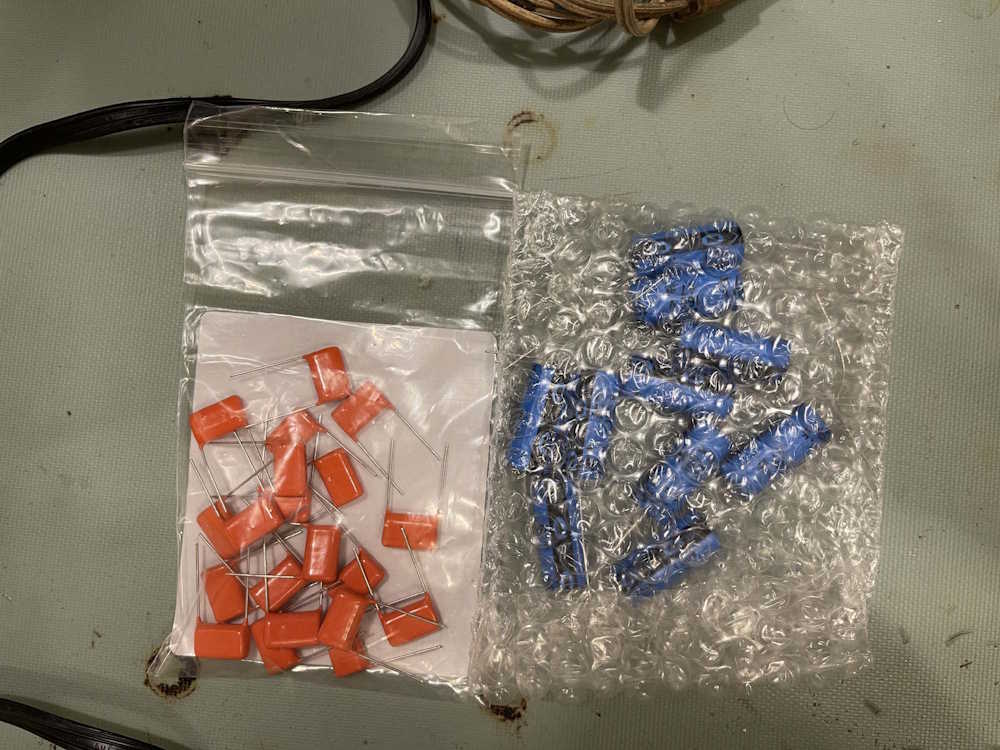
The original diagnosis I came up with was bad filters, and that was the case. The original electrolytic capacitors were bad, and were simply acting as opens instead of capacitors. The device in questions was a dual section, wax sealed tubular device, consisting of a 50uF and a 30uF part. I chose to replace them with Cornell-Dublier 47uF capacitors, which should be good for another 50 years. The across-the-line capacitor also got replaced with a Vishay 0.047uF @ 600VDC device. Just as good as the original without the bumblebomb problems.
The parts, fresh from Mouser:
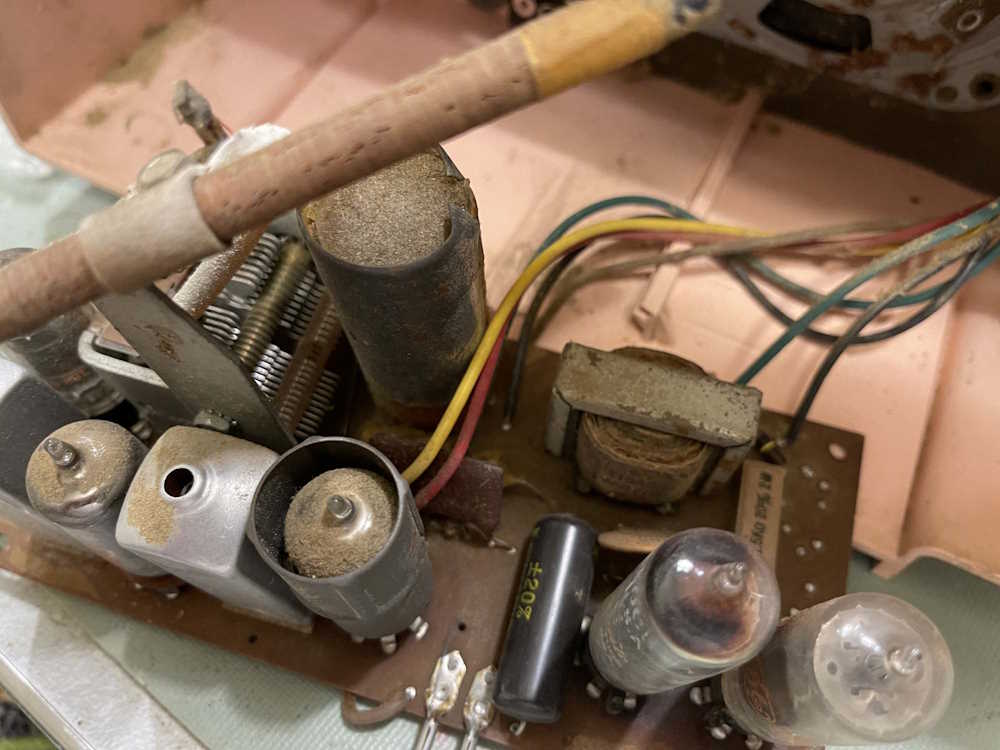
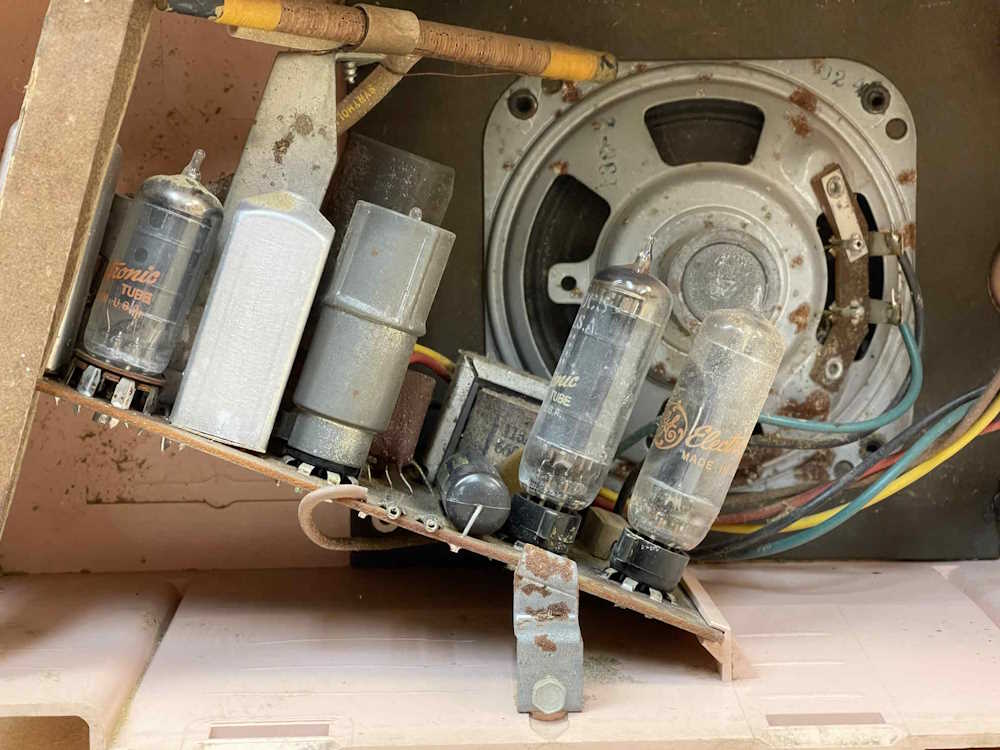
What we’re working with. The black tubular part in front, and the metal cased tube in back are the suspects. If you look in the middle of the board, you’ll see a reddish-brown rectangle That’s the couplet, and was a cost-saving multi-part unit. When they go bad you rebuild what’s in them…
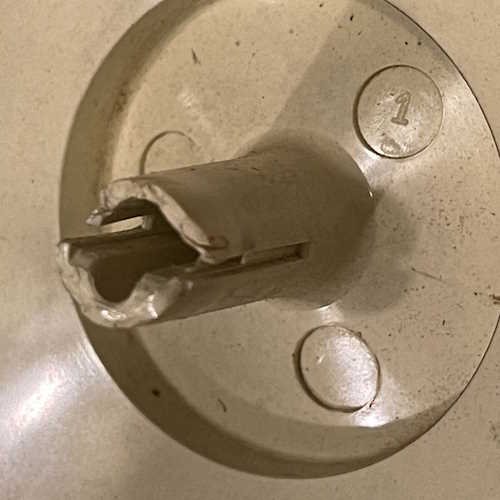
Other problems reared their head as it was being taken apart. The biggest is the age of the plastics. The knob used a metal band on the plastic to tension it on the shaft of the tuning capacitor. Pulling this knob from the shaft left the tension band on the shaft (it had little ears that were probably used during manufacture as an install aid,) and the plastic is so brittle and dried out that it just crumbles to dust. There was enough left to put it back on, so I broke the ears on the band off and replaced the tension band and said “Don’t touch this again” to myself.
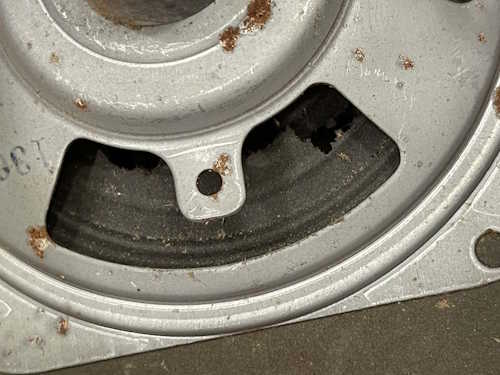
The other bad thing, and something I didn’t notice before, is the speaker had a tear. The paper was so rotten it felt like wet tissue and just kept tearing itself. Well, it still works, and this can be replaced easily enough if desired.
So, on to the repair. It was a simple matter to desolder the parts, the heavy copper on the board let it’s old solder go with a 35W iron and some wick. The parts pulled out easily and the board cleaned up well.
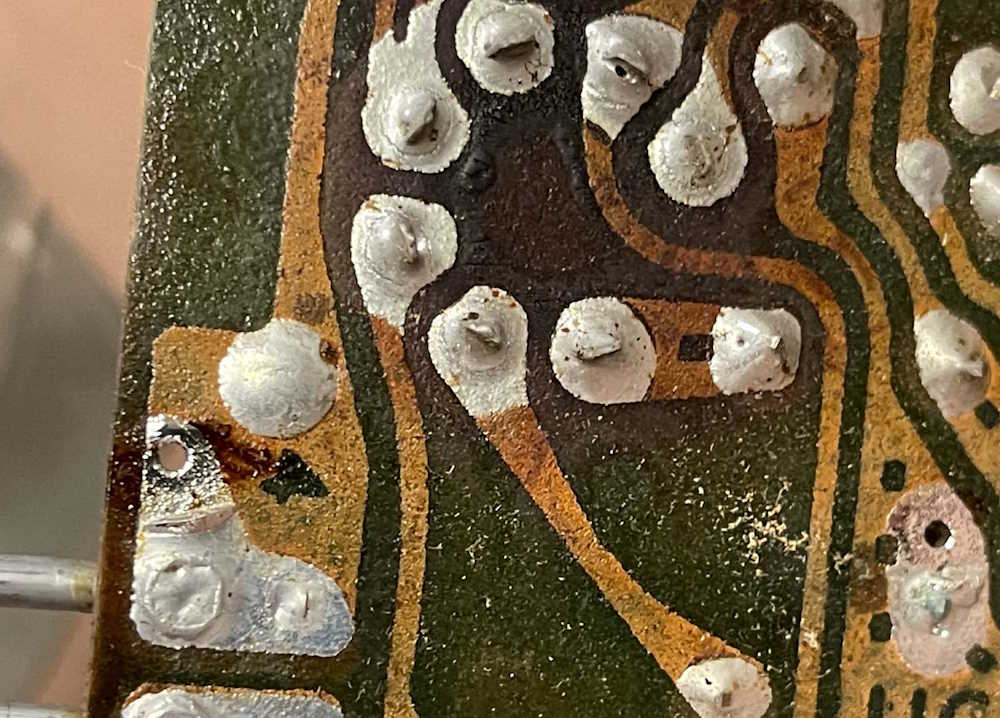
You’ll notice the board is discolored. That’s where the 50C5 power amp tube sits, and it gets toasty. The solder joints are exhibiting potential cracks, so they all got touched up.
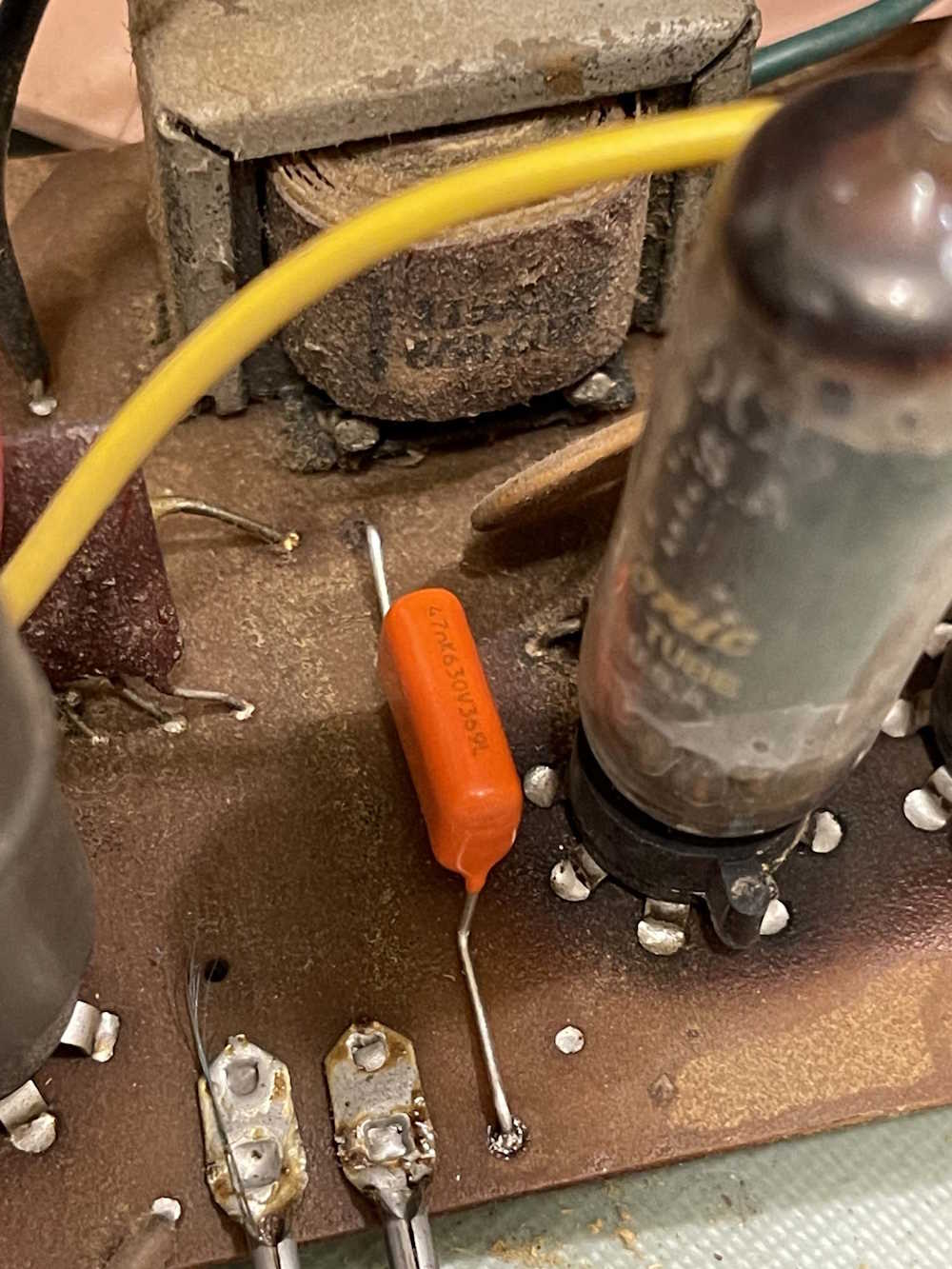
The parts I installed were much smaller than their vintage counterparts, so they got bent leads to sit down on the board, and were just placed in the board. I wasn’t going for a beauty contest here, they need to be in there solid and electrically correct. You’ll notice the one electrolytic is offset a bit, I realized after I put one in that the banana slicer had one section larger than the other. Oops…that other part goes in the parts bin.
Yes, that’s not really a safety cap. But this device isn’t going to be used. It’s purtyful.
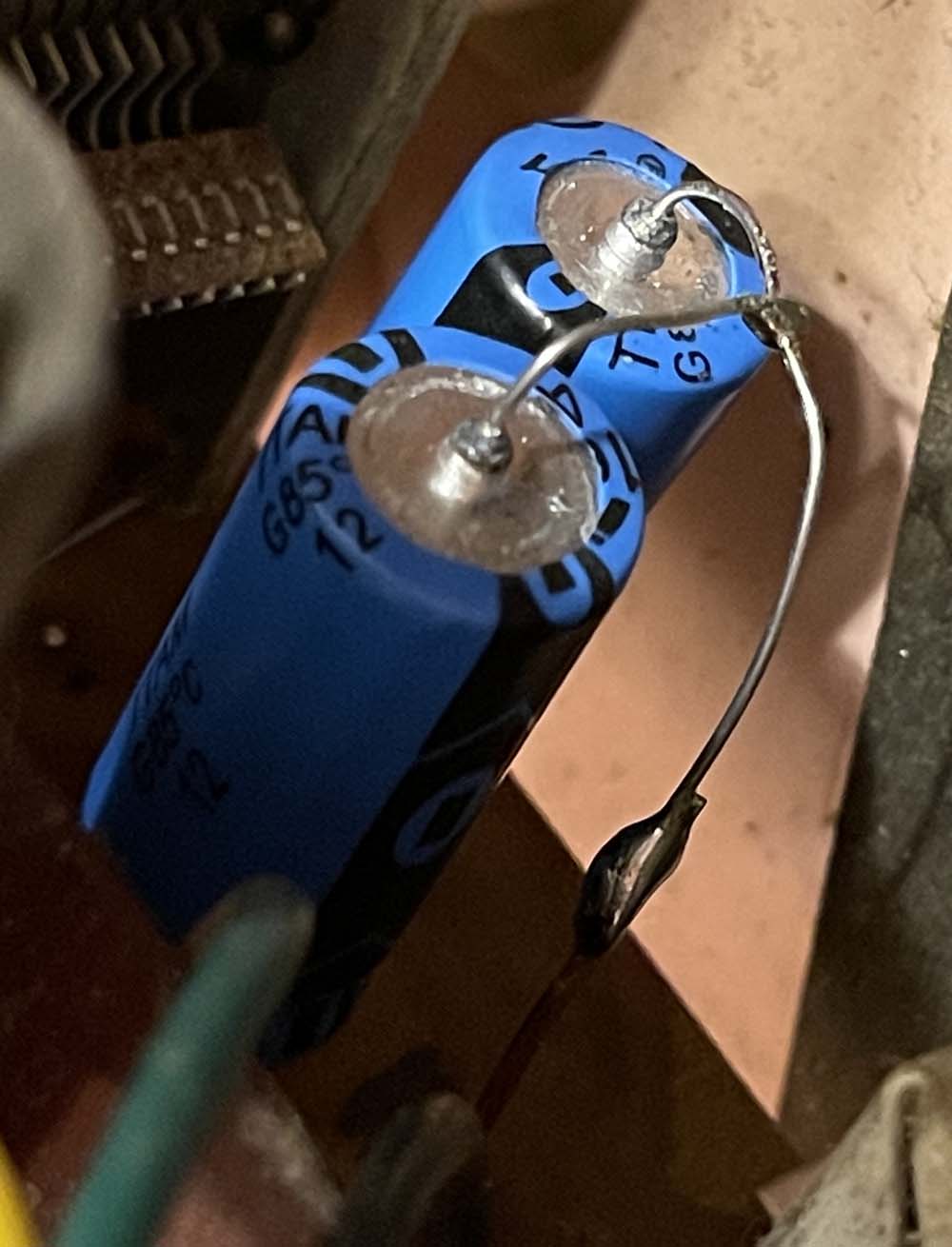
For the filters, I just jumped the two together with a loop, looped a piece of bare wire around the common and soldered it all together. The original capacitor was full of old wax and wasn’t being rebuilt.
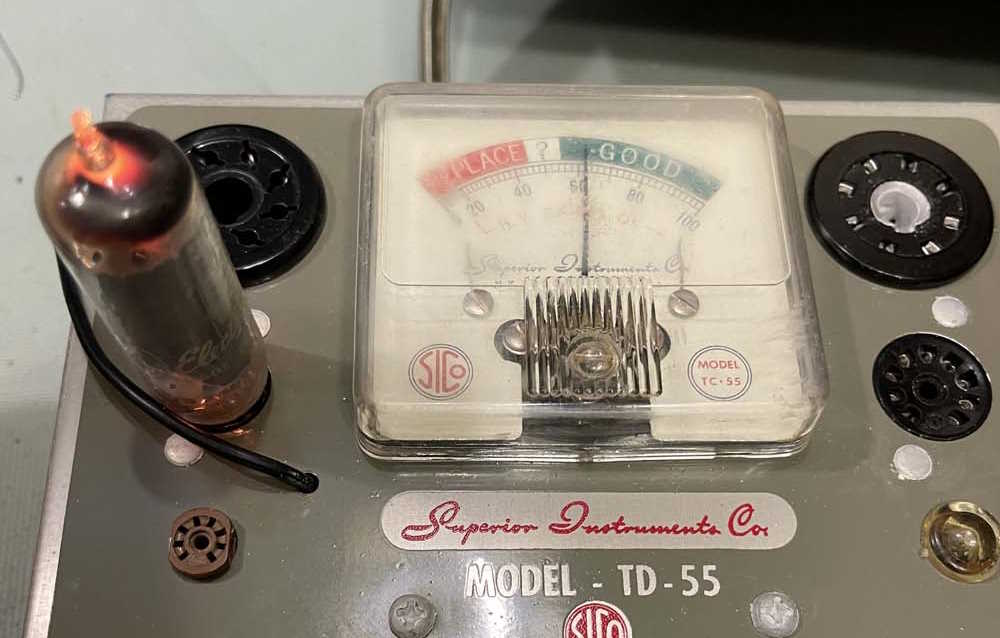
It was all back together…but there was still no joy. The filters took care of the buzz, and the output was nice and strong - then it started to fade and get fuzzy as something started leaking. One of the coupling capacitors or other small filters on the plates is probably leaky and drawing things out of tolerance, or a tube is bad. On a whim, I tested a few of the tubes, and they seem ok, so it’s probably one of the capacitors. With some being in that couplet, that’s more of a job that a “I’ll take a look” can cover.
That 50C5 is probably bad, however. They can exhibit exactly what is going on when they get really old and near the end of their lives.
It goes back the owner this week, if they want more repairs that’s a different proposition. Some of the younger members of that family are starting to get into electronics, perhaps this is a good project 15 years down the road.
Beyond that, it’s really not cost-effective to repair something like this for someone else unless they understand it’s basically a replace everything deal.
A short update: I decided to just order some good quality parts from Mouser instead of trying to pick through the junk at a show.
While they’d probably be cheaper at a show, the three parts I need to get this radio playing cost less than $7, and that’s just because I decided to go a bit higher in quality than absolutely necessary. I should have them in hand Friday, and it won’t take long at all to get them installed.
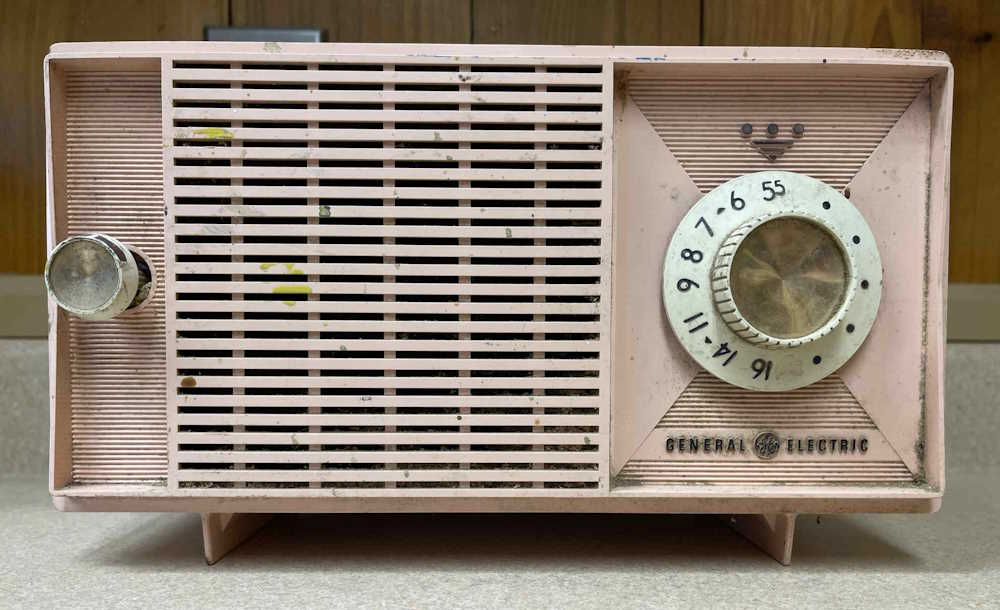
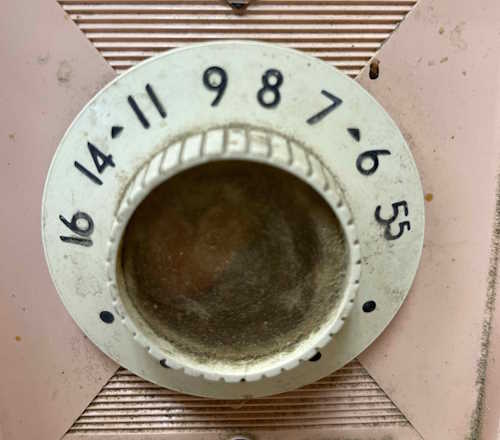
This is a radio a co-worker rescued from a barn sale, and wanted to know if it could be made to work again. The T-125A was manufactured between 1958 and 1962 (or 1963, depending on who you believe.) It still has the civil defense markings on the dial, so this radio was probably one of GE’s last radios to have this marking.
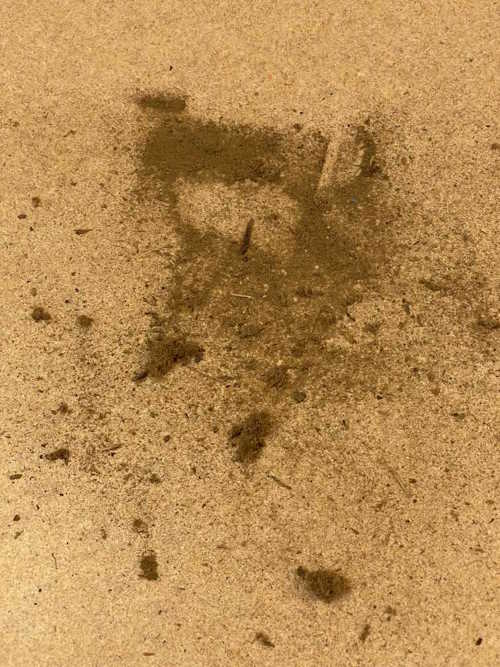
The radio apparently spent the majority of it’s life in a woodshop, and it shows. While the case plastic is in excellent condition with no chips or cracks, it’s stained with various wood coloring products. Back and original cord are present and intact, although the cord is getting stiff. It, however, exhibits no cracking so it will get left as-is for now. The inside of the radio shows you where it was for most of it’s life, being coated with wood dust.
Since these are simple inside, there wasn’t any need to grab an isolation transformer or variac, just plug the thing in. The worst that would happen would be the across-the-line capacitor would pop, so…
It exhibits exactly what you’d expect. A loud 60Hz hum, so the filters are bad. That was completely expected. It’s a dual section filter consisting of a 50uF and a 30uF capacitor, so I’m simply going to get two 47uF @ 150V caps and replace it. The across-the-line cap is .047uF at 600, it will be replaced with something similar. The only other suspect item would be the coupling capacitor between the detector and the power amplifier, so it will probably get replaced as well. The grid capacitors could be eyed with suspicion, but I’m going to leave those alone unless they show problems. One is in a couplet, which would require rebuilding the device if it’s bad.
The owner simply wants it to play long enough to go “Hey, that’s cool.”
A quick cleaning with a paintbrush and some canned air got rid of most of the dirt:
So it’s ready to repair. I’ll pick up some parts at the next few hamfests I attend.
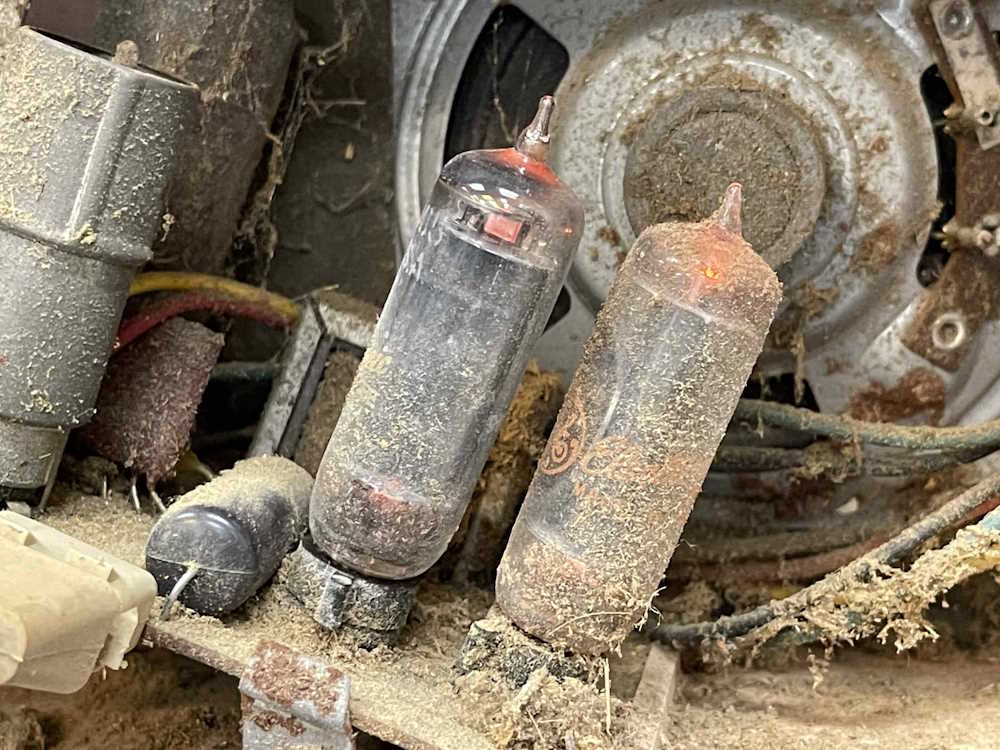
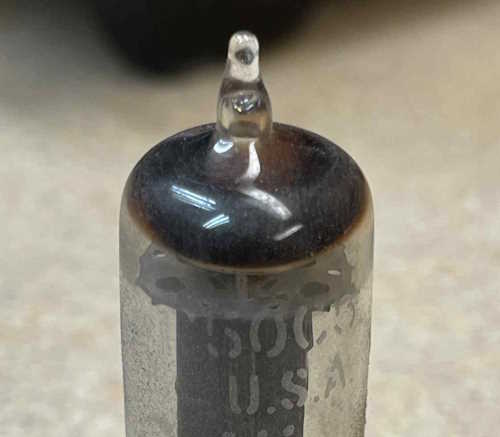
One interesting thing about this radio is the 50C5 power amp tube. It has different color writing, so I assume it’s a (genuine GE) replacement tube. It still has something interesting about it - the getter is black. I can’t say I’ve ever seen one like this without the tube being red-plated. I have to assume this radio was on for most of it’s life. Pretty cool.
Off to a show for parts. Check back later for results on this radio.
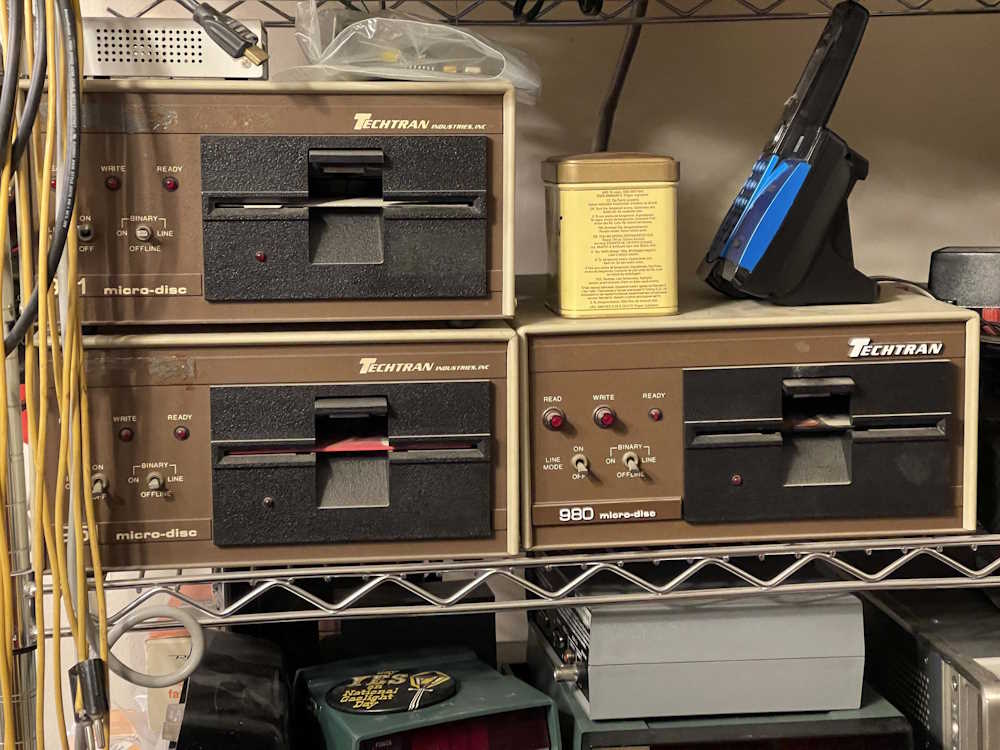
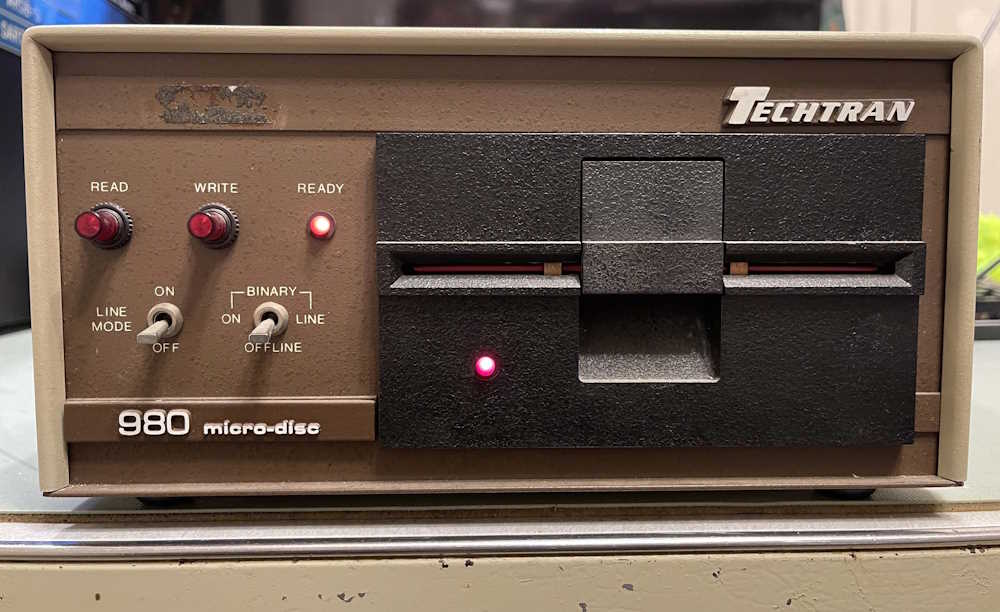
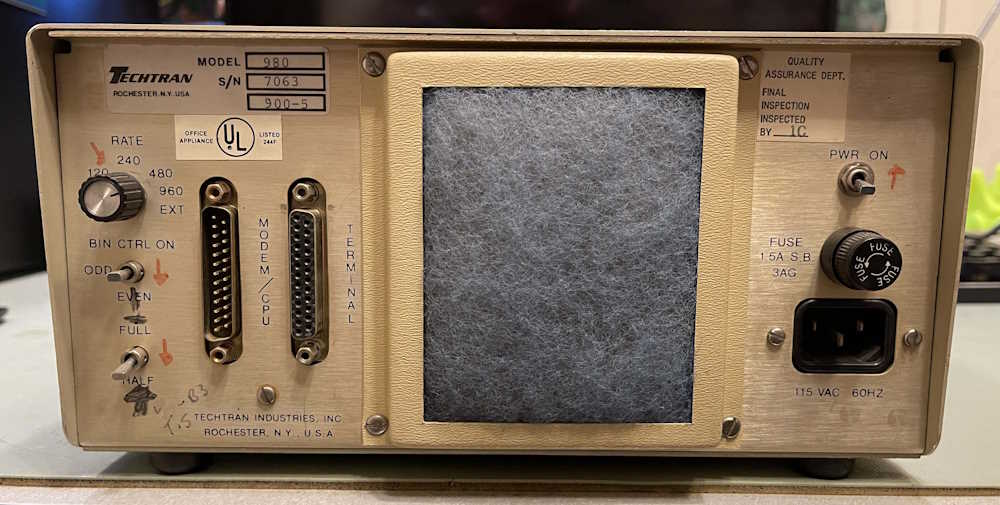
One of the devices I’ve had kicking around the shop for years are these TechTran 900 series standalone disk drives. These were the main storage medium for a large test platform at a former employer. They would provide commands to a computerized telco switching frame in the form of responses to a “Read next record” command. When the project finally ended, I asked the project engineer for the drive. Turns out there were 4 units, with manuals and service information.
So, it’s a disk drive?
These have two modes. First is a “File” mode, which works like you’d expect from a mass storage device. You create a file, write to it, then read it back. It also has a “Record” mode - instead of writing files with a directory, these store records, much like a punch card would store a piece of information that may or may not be part of something larger. You would write and read records - bits of text - in sequential order.
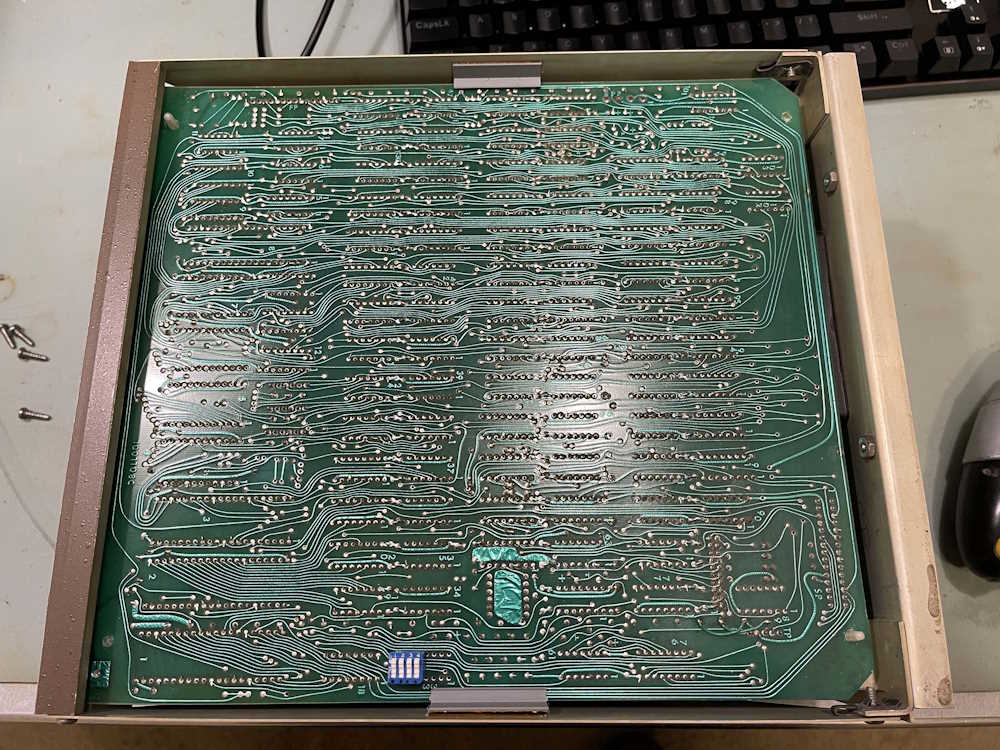
The unit does this via a RS-232C interface, using text commands. The device can operate in standalone or passthru mode, and has all the normal serial settings you’d expect - except everything is done via switches that control what is literally a box full of 74LS chips.
How does it work?
Because the device was expected to be continually available while in operation, the manufacturer set these so the disk spins at all times, and the device loads the head on to the media whenever an operation is requested. This has the effect of only requiring the time to drop the head and wait for the record of interest to arrive at the head before the operation is completed. Normally, a drive would spin up, perhaps drop the head on the disk after it was spinning, seek the correct record in the directory, and then move to read it. These spent the majority of their life reading sequences, while the time savings was small it added up to all the years the unit was in operation. File operations, of course, required seeking the record in a directory, but there was still a small time savings in not having to spin the drive up each time.
This made for a very noisy device, as the fan was spinning, the drive was spinning, and the head was being loaded on and off the media surface over and over (with an accompanying clunk of the head load solenoid) each time. Not something you’d want in a quiet space, but the noise of the test frames generally overrode any noise this thing made.
Really?
Kind of. I’m digging into the service manual more because it has a theory of operation. It looks like the record mode does create “files,” but not quite in the same way as file mode. More on that as I understand it.
I have to say I’m somewhat surprised that these things still come up. I figured the belts would have long turned to goo at this point, and the fact they’ve been sitting since about 2000 probably hasn’t done them any good either. They had a long life, being put into operation in the early 1980s and running up to early 2000 or so. But spin up they did, attesting to the fact they were well engineered (aka cost a lot of 1980 dollars) and designed to last for a long time.
The one in the pictures, a Model 980, is going to be the subject of an attempt to make it talk to something modern, which shouldn’t be that difficult as it speaks serial. Set your baud rate to 1200 and stand by for further posts in this series.
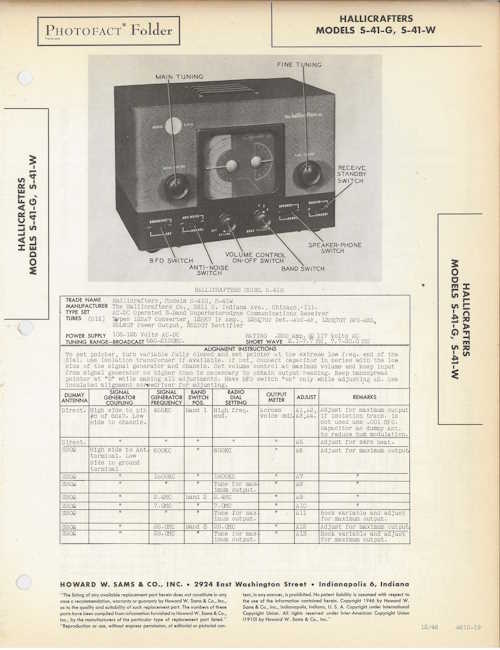
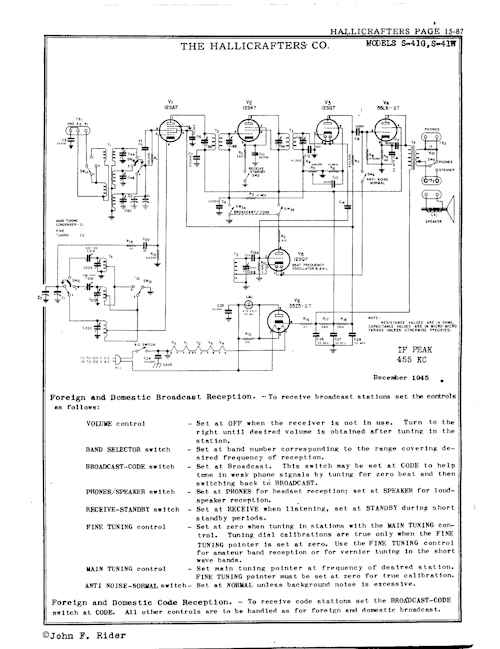
While the Riders schematics are useful and have the proper alignment information, the Sams set simple excels in the parts listings for a device. This folder came from a well-known auction site, and is in remarkable shape for something from 1946. I probably paid a bit too much for it, but having this information is simply invaluable.
While I didn’t expect this to be difficult to find, I was pleasantly surprised to find the Rider’s available on Antique Electronic Supply’s website. AES has a nice selection of components for the radio enthusiast, I highly recommend them for restoration components.
AES has changed their website and merged with a sister company, I have no idea if they still offer this serivce.